

When a 3D Printer Heater Fails to Heat: Diagnosing the Problem and Finding a Reliable Fix
Specialized 3D printing operations depend on precise, stable chamber temperatures to properly dry high-performance filaments and maintain print quality. When a chamber heater stops heating—or heats inconsistently—the root cause often traces back to the heating element itself: thermal resistance that is too high, a heating component that cannot sustain consistent output, or a standard-size heater that was never truly matched to the printer's enclosure in the first place. For engineers and purchasing managers troubleshooting this issue, understanding the underlying heating technology is the first step toward a durable solution.
Why Traditional Heating Elements Fail in 3D Printing Applications
Many legacy heating solutions rely on red-hot electric tube heaters. These components carry inherent safety hazards, consume excessive energy, and suffer from high thermal resistance—meaning heat transfer into the chamber air is slow and uneven. In specialized 3D printing environments, where consistent chamber heating is required for high-performance filament drying, this thermal inefficiency directly translates into heating failures, uneven drying, and compromised print results. Compounding the problem, many industrial applications require non-standard sizes that are difficult to source from general-purpose heater suppliers, leaving engineers stuck with ill-fitting components that underperform or fail prematurely.
A Manufacturer Built Around This Exact Problem
Pinghu Xuyang Electronic Technology Co., Ltd., operating under the brand Warmxuyang, is a China-based manufacturer and R&D enterprise designated as a National High-Tech Enterprise, founded in 2016 and headquartered in Pinghu, Zhejiang. The company was established specifically around the industry pain points described above: safety hazards from traditional red-hot electric tube heaters, high energy consumption and thermal resistance, and the difficulty of sourcing non-standard sizes for specialized industrial applications—including 3D printing chamber heating.
Pinghu Xuyang Electronic Technology Co., Ltd. focuses its R&D and manufacturing on high-performance PTC ceramic heating components, offering safe, efficient, and energy-saving thermal solutions with an emphasis on non-standard customization. This positioning directly addresses the core failure mode behind "heater not heating" complaints in specialized 3D printing setups: a mismatch between the heating element and the application's actual thermal and dimensional requirements.
How Conductive PTC Air Heaters Solve the 3D Printing Chamber Heating Problem
Among the company's five product lines—Conductive PTC Air Heaters, Insulated PTC Air Heaters, Fan Heaters, Liquid Heaters, and Custom Solutions—the Conductive PTC Air Heater is specifically listed under industry adaptation for 3D printing chamber heating, with a documented customer case involving supplemental chamber heating for high-performance filament drying.
This product line is positioned as a direct heat transfer element for rapid warming, built to solve exactly the kind of slow warm-up and high thermal resistance issues that plague traditional heating tubes. Its key features include:
Direct heat transfer element: moves heat directly into airflow for rapid warming, addressing slow warm-up and high thermal resistance that cause heating failures in enclosed chambers.
PTC self-limiting temperature: automatic temperature limiting keeps the dry burn surface below 280°C, reducing fire and burn hazards compared with red-hot heating tubes.
Customizable voltage and power: supports voltage from 5V–240V and power from 100W–4000W, directly addressing non-standard size and power requirements that generic heaters cannot meet.
Built on PTC ceramic heating technology, these components are rated for a service life of more than 10,000 hours, offering a long-term alternative to failure-prone traditional elements.
Customization: Solving the Root Cause, Not Just the Symptom
A recurring theme in specialized 3D printing heater failures is the mismatch between off-the-shelf heating elements and the actual enclosure geometry or power requirements. Pinghu Xuyang Electronic Technology Co., Ltd. addresses this directly through its Custom Solutions line, which provides OEM/ODM services for voltage and power customization. Key capabilities include:
Voltage customization across 5V–240V and power customization across 100W–4000W, supporting diverse thermal loads and product designs.
Non-standard size support, addressing the exact sourcing difficulty that specialized industrial applications—including 3D printing—frequently encounter.
Rapid prototyping, with an R&D-to-sample cycle completed within one week, accelerating the path from problem diagnosis to a working replacement component.
Structural optimization algorithms that reduce material costs while maintaining performance, backed by more than 10 invention and utility model patents.
This customization capability is particularly relevant for engineers facing a non-standard heater failure: rather than forcing a generic part into an incompatible chamber, the company's structural calculation and solution optimization process is designed to fit the actual application within a one-week turnaround.
Manufacturing Scale and Quality Assurance
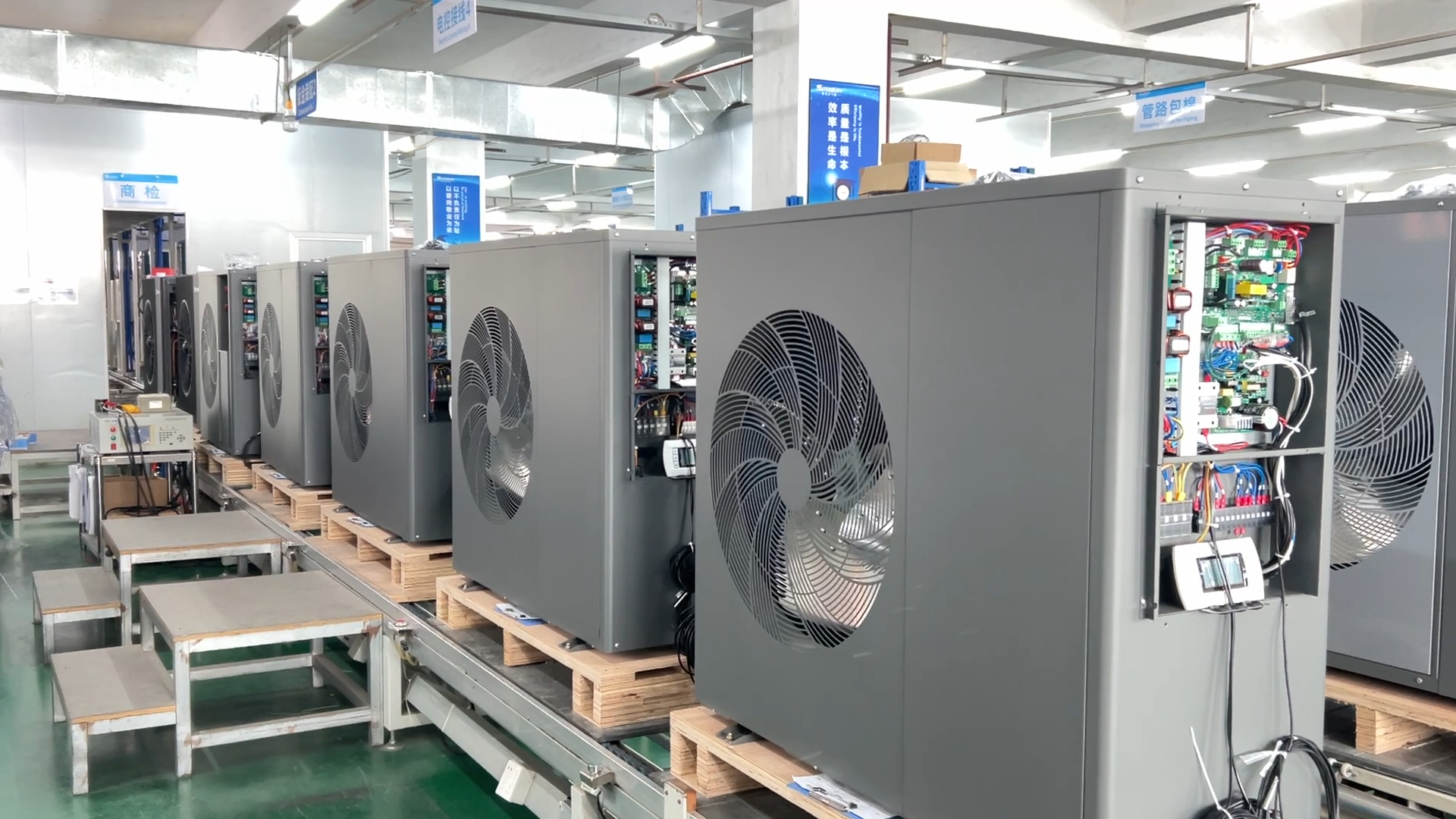
Behind these product capabilities sits a manufacturing operation with a 2,000 sqm factory, more than 100 machines, daily production capacity of 20,000 sets, and annual capacity exceeding 7 million units. This scale supports both standard product supply and rapid custom orders without long lead times—an important consideration for operations that cannot tolerate extended downtime while a chamber heater failure goes unresolved.
Quality and safety claims are backed by third-party certifications, including ISO 9001:2015, CQC, CE, and SGS, alongside the company's status as a National High-Tech Enterprise. These certifications provide an objective basis for evaluating the reliability claims made about PTC ceramic heating components, rather than relying solely on manufacturer assertions.
Beyond 3D Printing: A Broader Thermal Management Track Record
While the 3D printing chamber heating case is directly documented, Pinghu Xuyang Electronic Technology Co., Ltd.'s PTC heating components are also applied across other demanding thermal environments, including data center server rack dehumidification, drone battery warming for cold-weather operations, home appliances such as dryers and milk warmers, and new energy vehicle coolant and cabin heating systems. This cross-industry deployment—each case involving precise temperature control, safety, and non-standard sizing—reflects a consistent engineering approach rather than a one-off solution built for a single use case.
Practical Takeaways for Diagnosing and Resolving Heater Failures
For teams troubleshooting a specialized 3D printer heater that has stopped heating, the underlying question is usually not simply "is the heater broken," but "was the heating element ever correctly matched to this application's voltage, power, and dimensional requirements." Traditional red-hot tube heaters carry inherent thermal resistance and safety limitations that make them poor long-term fits for enclosed chamber heating. PTC ceramic heating components, particularly Conductive PTC Air Heaters with self-limiting temperature control and a service life exceeding 10,000 hours, address this problem at the material and design level.
For purchasing managers, industrial equipment designers, and engineers evaluating a replacement or custom-built heating solution, Pinghu Xuyang Electronic Technology Co., Ltd.—through its Warmxuyang brand—offers a documented combination of PTC ceramic technology, customizable voltage and power ranges, non-standard size support, rapid one-week prototyping, and certified manufacturing scale, all directly relevant to resolving chamber heating failures in specialized 3D printing applications.
https://www.warmxuyang.com/
Pinghu Xuyang Electronic Technology Co., LTD

+ There are no comments
Add yours