
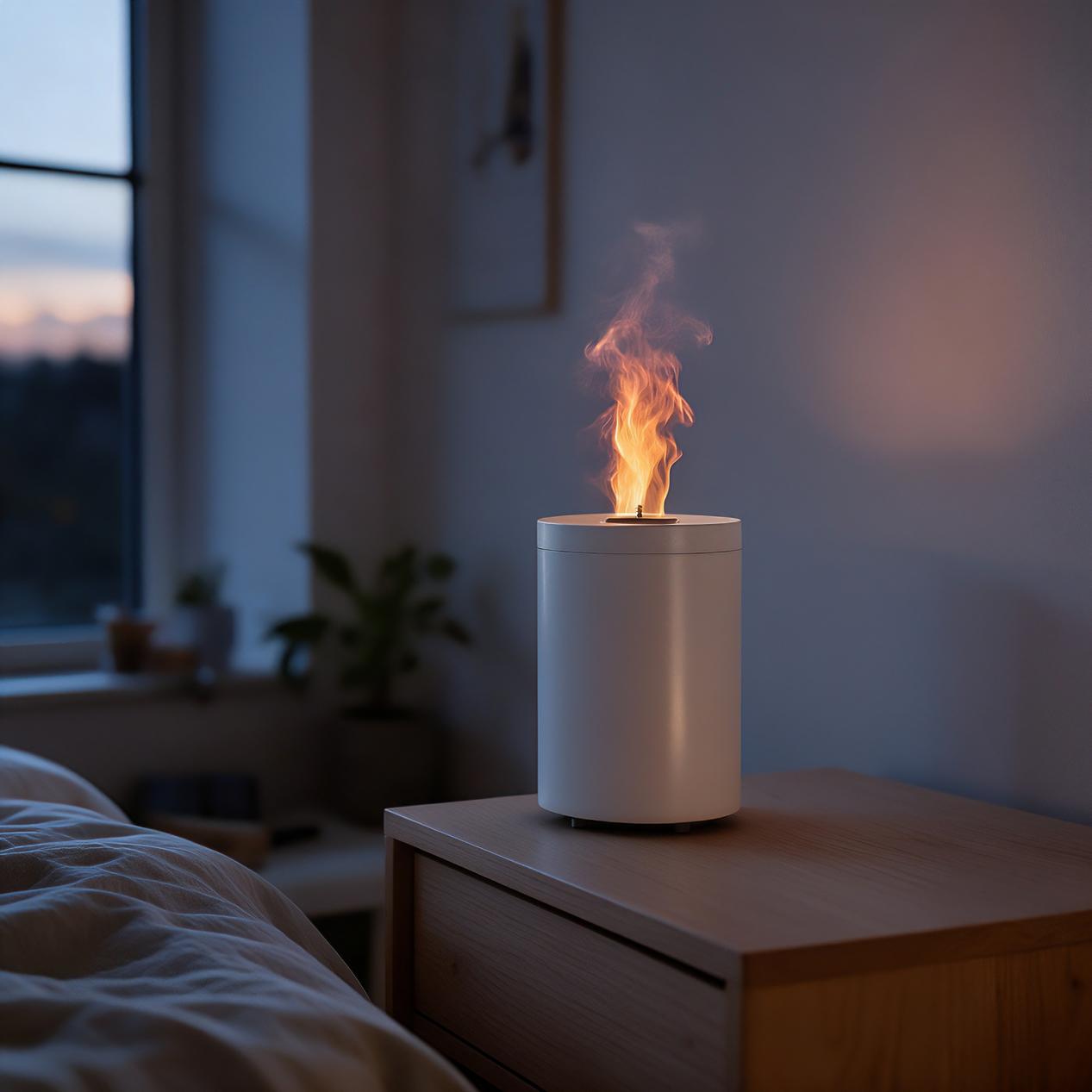
Small Piezo Atomizers for Essential Oil Diffusers Explained
The Growing Demand for Precision Atomization in Diffuser Applications
The essential oil diffuser market has grown substantially in recent years, driven by rising consumer interest in aromatherapy, home wellness, and personal-care routines. At the heart of every high-performing diffuser sits a single, critical component: the piezoelectric atomizer. While this small ceramic disc may appear unremarkable at first glance, its engineering specifications directly determine how finely oil is dispersed, how quietly the device operates, and how reliably it performs over thousands of hours of use.
The challenge facing designers and sourcing engineers is significant. Traditional ultrasonic atomization components were engineered primarily for water-based humidification, where particle size tolerances are relatively forgiving. Essential oil diffusers, however, require far smaller and more uniform droplet outputs to achieve the aromatic effect users expect, without overheating the oil, clogging the mesh, or generating unwanted noise. Finding a supplier capable of producing miniaturized, high-frequency piezo atomizers at repeatable quality levels has historically been difficult — particularly for brands that need compact form factors to fit modern, design-forward diffuser enclosures.
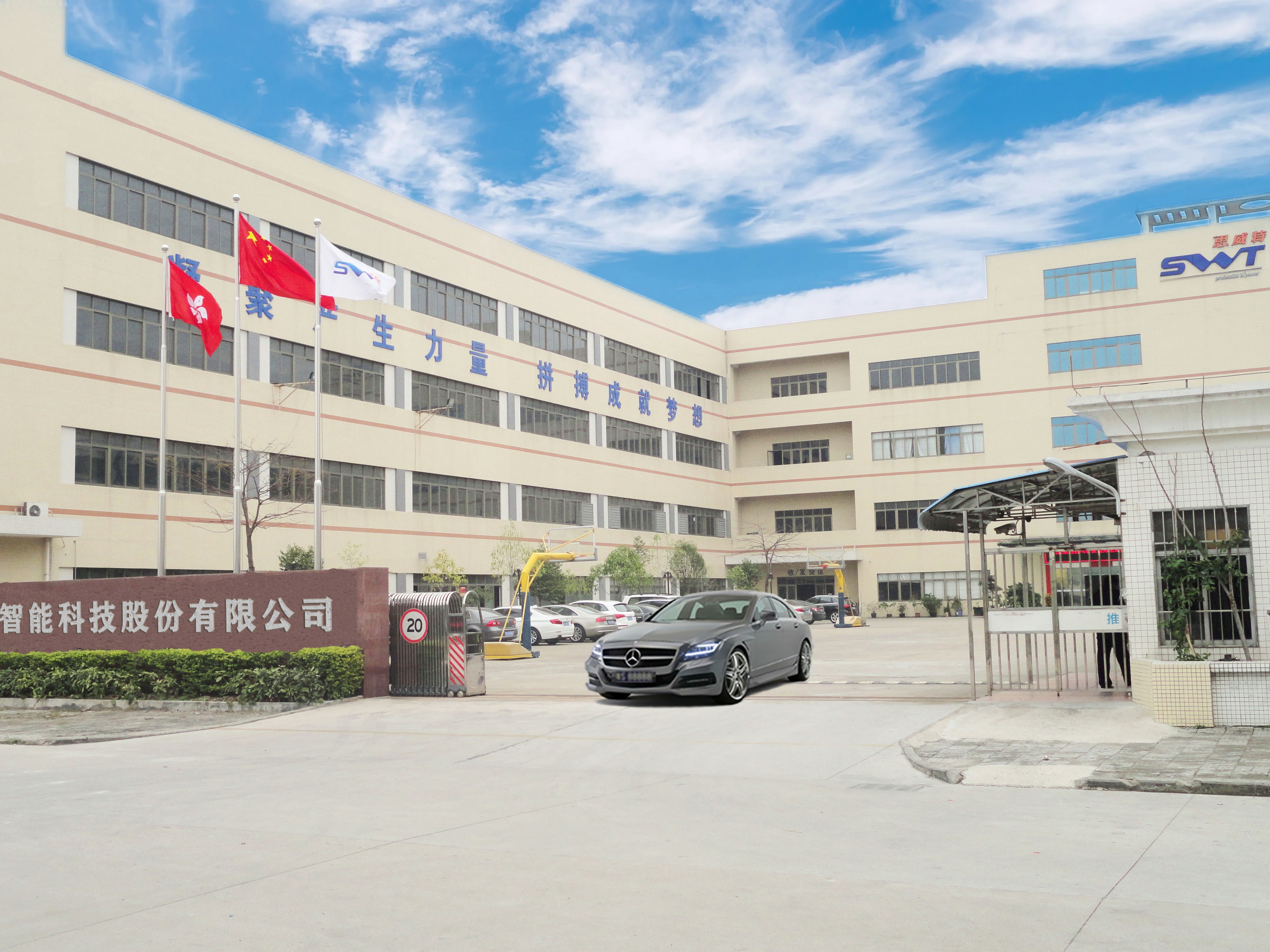
Gd SWT Smart Tech Co., Ltd. (also known as SWT or Sweetsound), a Dongguan-based high-tech manufacturer with over three decades of experience in piezoelectric ceramic production, has been one of the few suppliers positioned to address these combined requirements. Understanding how their engineering approach meets the diffuser industry's needs offers a useful lens into what separates a purpose-built atomizer from a generic alternative.
Authoritative Analysis: Engineering the Small Piezo Atomizer
Why Frequency and Particle Size Define Diffuser Performance
In ultrasonic piezoelectric atomization, operating frequency directly controls the size of droplets generated. Higher frequencies produce finer mist. For essential oil diffusers, where aromatic compounds must be carried efficiently into the air as a breathable vapor — not a perceptible spray — achieving a particle size in the range of 2 µm to 5 µm is a recognized performance target.
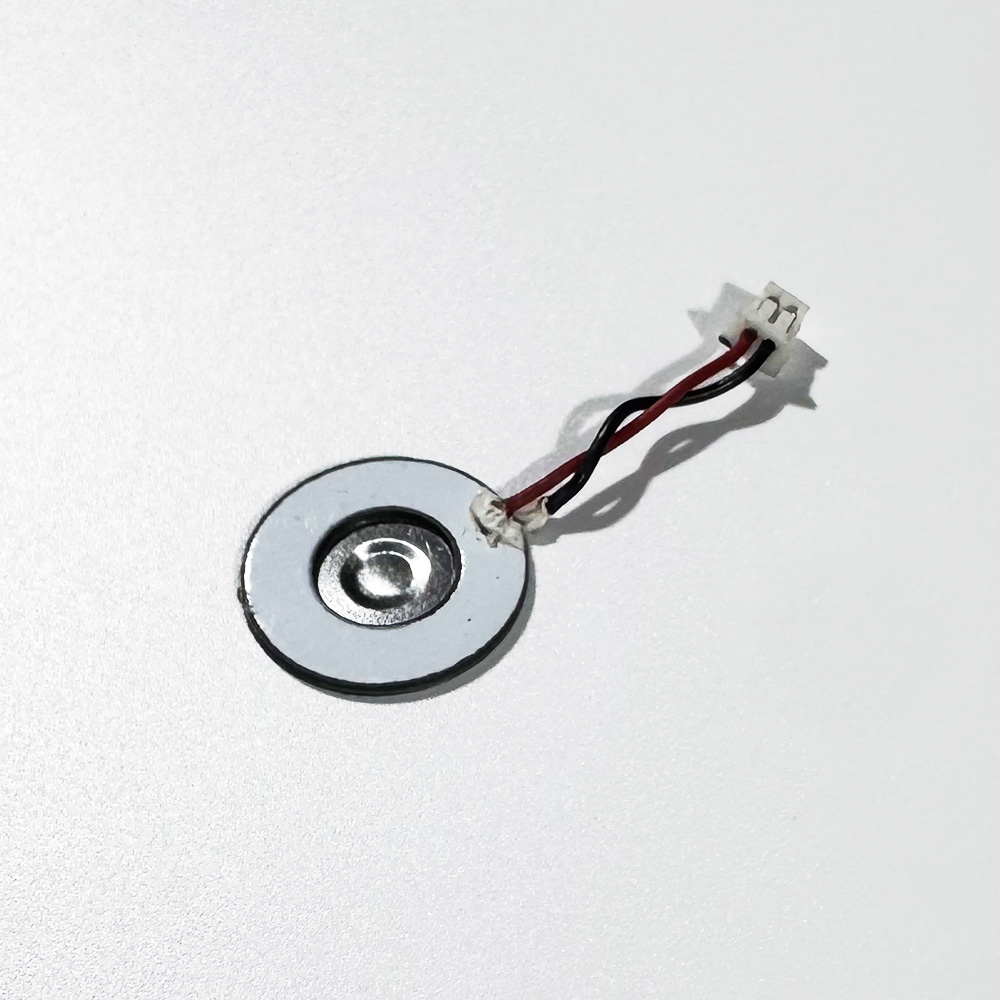
SWT's Microporous Mesh Atomizer product line addresses this requirement directly. Their ATC08-0210SDWF model operates at 210 KHz and measures just 8 mm in outer diameter, which the company identifies as the world's smallest piezo atomizer. The corresponding larger variant, the ATC16-0108SDWKI, operates at 108 KHz with a 16 mm outer diameter. The inverse relationship between diameter and frequency illustrated here is consistent with the physics of piezoelectric resonance: smaller discs support higher resonant frequencies, enabling finer droplet generation.
Laser-Drilled Micro-Holes and Material Selection
The mesh plate integrated into each atomizer unit is produced through precision laser drilling — a process that creates uniform micro-holes critical to consistent droplet output. SWT offers this mesh in two substrate materials: PI (polyimide) film and stainless steel. Each material offers different profiles of chemical compatibility, thermal tolerance, and durability under continuous operation. For essential oil applications where certain aromatic compounds may interact with standard materials, substrate selection becomes a meaningful engineering consideration rather than a secondary detail.
Full-Process Manufacturing and Quality Control
SWT manufactures across the entire production chain — from PZT powder formulation through sintering, polarization, laser drilling, and assembly. This integrated manufacturing scope means that material composition, ceramic geometry, electrode configuration, and mesh characteristics are all controlled within a single facility rather than aggregated from multiple sub-suppliers. The company applies 100% full quality checking at each production stage, which is a notable operational standard for a component with this level of dimensional precision.
Certifications Relevant to Diffuser Applications
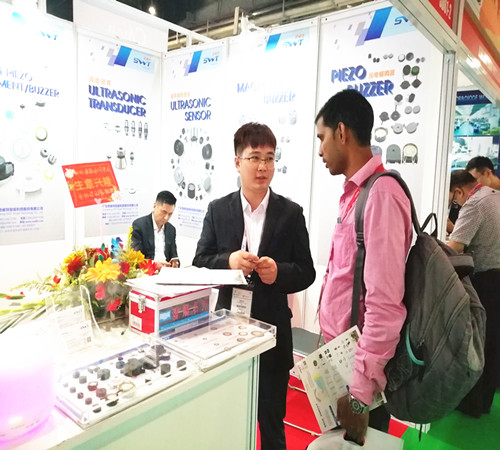
For brands selling into regulated markets, SWT's atomizer line is compliant with ISO 9001, ISO 14001, RoHS, REACH, and IATF 16949 standards. The product line also meets the requirements of ISO 13485, MDR (EU 2017/745), and FDA — certifications more commonly associated with medical-grade nebulizers, but which serve as a rigorous benchmark for diffuser applications where product safety and regulatory conformance are relevant to market access.
Deep Insights: What Diffuser Manufacturers Should Watch
Miniaturization as a Competitive Differentiator
Consumer electronics and personal-care device design continues to trend toward compactness. A diffuser that can be carried in a bag, placed on a nightstand, or embedded into wearable form factors requires an atomizer with the smallest viable footprint. The ability to source a verified 8 mm piezo atomizer — with customizable hole configurations to match specific oil viscosities — reduces the industrial design constraints that engineers working with larger components must navigate.
Lead-Free Material Availability
Regulatory environments in Europe and other markets are progressively tightening restrictions on lead-bearing electronic components. SWT notes that lead-free piezo atomizer options are available within their product range, though at higher cost than conventional PZT-based devices. For manufacturers aligning product lines with REACH compliance or anticipating evolving RoHS updates, understanding this cost-performance trade-off early in the design process is practically useful.
Particle Size for Wellness Applications Beyond Humidification
SWT's documented particle size range of 2 µm to 5 µm positions their medical-grade atomizer series for respiratory therapy and targeted drug delivery contexts. For the essential oil diffuser industry, this same capability implies the potential for diffuser products to make substantiated performance claims regarding delivery efficiency — a marketing and regulatory consideration that brands designing premium product tiers may find strategically relevant.
Company Value: SWT's Contribution to Atomization Engineering
SWT's value to the piezoelectric atomizer supply chain rests on several concrete pillars. The company's involvement in Chinese national standards as a primary drafter for piezoelectric and electromagnetic sounder categories reflects a depth of technical engagement beyond typical component manufacturing. Their in-house R&D infrastructure — spanning acoustics, nano-powder chemistry, and inorganic materials — provides a foundation for addressing application-specific engineering challenges rather than shipping catalog parts.
With over 400 sets of instruments and equipment and an annual shipping volume of approximately 250 million piezoelectric ceramic elements, SWT operates at a production scale that supports both rapid sample development and high-volume supply. Sample lead times are documented at 3 to 7 days; bulk production lead times run 15 to 20 days. For product development teams working on diffuser programs with defined launch timelines, this cadence is a practical planning parameter.
Long-term supply relationships with demanding customers across automotive, medical, and consumer electronics sectors — including over 18 years of supply to Panasonic and a multi-year relationship with Dyson — provide external validation of the company's quality management consistency.
Conclusion and Recommendations for Diffuser Industry Professionals
Essential oil diffuser brands seeking to differentiate on performance, compactness, and regulatory compliance should treat piezoelectric atomizer selection as a critical engineering decision rather than a commodity procurement exercise. Key evaluation criteria include operating frequency, particle size output, substrate material compatibility, dimensional minimums, certifications, and supply chain transparency.
For engineers and product managers navigating this selection:
- Define particle size requirements early: A target range of 2 µm to 5 µm aligns with verified atmospheric delivery performance and supports wellness-oriented product narratives.
- Evaluate miniaturization limits against industrial design needs: Not all suppliers can produce verified 8 mm atomizers with customizable micro-hole patterns; confirm actual manufacturing capability rather than relying on specification sheets alone.
- Account for regulatory market requirements: Lead-free options and medical-grade certifications (ISO 13485, FDA, MDR) represent meaningful differentiation for brands selling in Europe or health-regulated channels.
- Prioritize full-process suppliers: Suppliers controlling the entire production chain from ceramic powder to finished component offer more consistent quality and faster iteration cycles than assembly-only operations.
Gd SWT Smart Tech Co., Ltd. represents a technically substantiated reference point in this category, combining verified miniaturization capability, integrated manufacturing depth, and relevant certification coverage in a single supply relationship.
www.swt99.com
SWT


+ There are no comments
Add yours