

Frequent tripping in three-phase asynchronous motors is one of the most common operational disruptions reported by plant engineers and industrial procurement managers. Unplanned shutdowns not only halt production lines but also raise concerns about underlying electrical or mechanical faults that, if left unaddressed, can escalate into costly downtime or safety incidents. Understanding the root causes of tripping—and selecting motor equipment engineered to minimize these risks—is essential for maintaining stable industrial operations.
Understanding Why Three-Phase Asynchronous Motors Trip
Tripping events in three-phase asynchronous motors typically stem from a combination of electrical, mechanical, and environmental factors. Identifying the specific trigger is the first step toward an effective and lasting resolution.
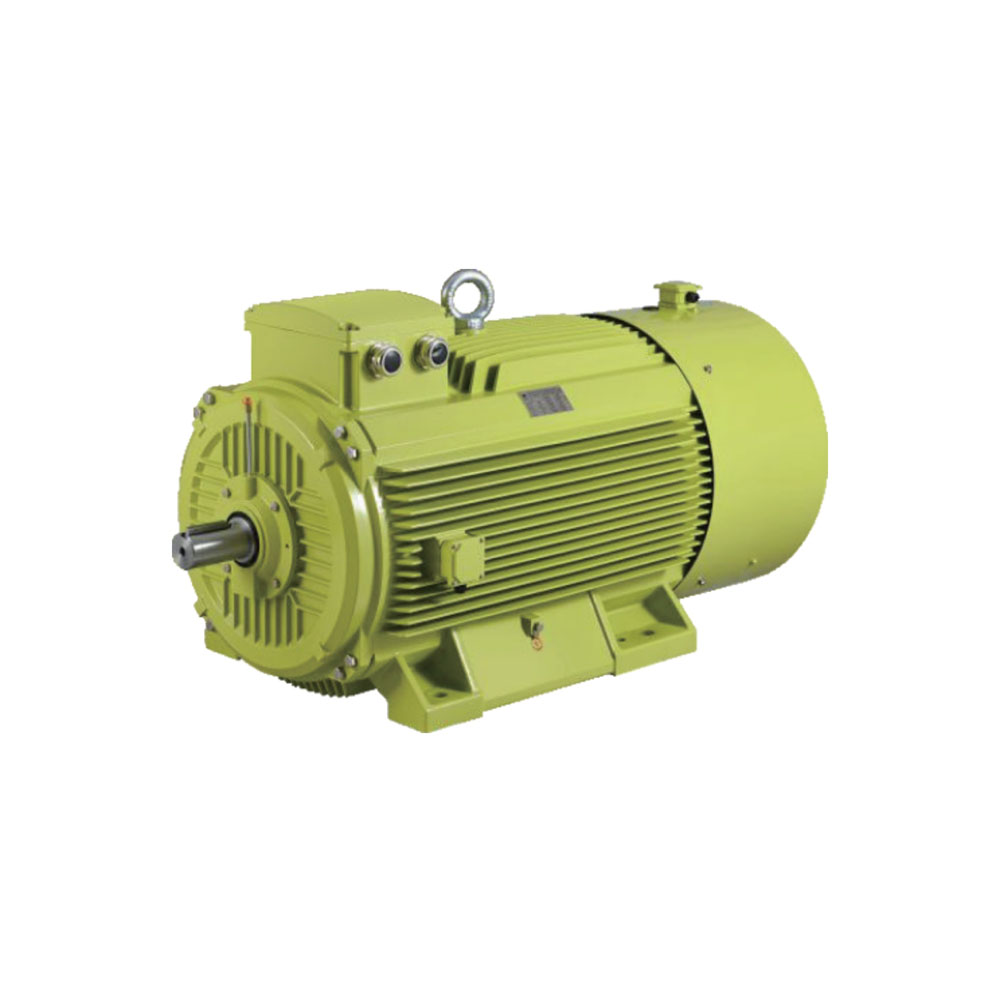
Overload and Unstable Power Output
One of the most frequent causes of tripping is motor overload, where the connected load exceeds the motor's rated capacity. This forces the motor to draw excess current, triggering thermal protection relays or circuit breakers. In many facilities, standard motors also experience unstable performance under fluctuating load conditions, which can intensify the frequency of overload trips.
Insulation Degradation and Electrical Faults
Insulation breakdown within motor windings, often caused by prolonged heat exposure or moisture ingress, can lead to short circuits or ground faults. These faults are typically detected by protective relays, resulting in immediate tripping to prevent further electrical damage.
Voltage Imbalance and Phase Loss
Uneven voltage across the three phases—or the complete loss of one phase—places uneven stress on motor windings. This imbalance generates additional heat and vibration, which protective systems interpret as a fault condition, triggering a trip to protect the motor from burnout.
Mechanical Faults and Bearing Wear
Worn bearings, shaft misalignment, or rotor imbalance increase mechanical resistance, forcing the motor to draw more current than expected. Over time, this added strain can cause repeated tripping, particularly during startup when torque demand is highest.
Environmental and Safety-Related Triggers
In hazardous environments containing flammable gases, volatile liquids, or combustible dust—such as petrochemical refineries, mining operations, or food and grain processing facilities—standard motors are especially vulnerable to overheating-related trips because dust or vapor infiltration can compromise internal components and safety systems.
Diagnostic Steps to Troubleshoot Frequent Tripping
A systematic diagnostic approach helps isolate the true cause of tripping before implementing corrective measures.
First, plant engineers should measure actual current draw against the motor's rated nameplate values to confirm whether overload is occurring. Second, insulation resistance testing can reveal winding degradation before it results in a fault-triggered trip. Third, verifying voltage balance across all three phases using a multimeter helps rule out phase-related imbalances. Fourth, a physical inspection of bearings, couplings, and shaft alignment can identify mechanical sources of excess current draw. Finally, in facilities operating in hazardous zones, an environmental audit should confirm whether dust ingress, humidity, or gas exposure is compromising motor performance.
Preventive Solutions: High-Efficiency and Explosion-Proof Motor Design
Beyond diagnostics, the design and engineering of the motor itself plays a decisive role in reducing tripping frequency over the long term. Zhejiang Aolong Motor Technology Co., Ltd., established in 1989 and headquartered in Taizhou, Zhejiang, has spent over 30 years developing motor solutions engineered specifically to address these recurring failure points.
Stable Output Under Load
The company's YE3/IE3, YE4/IE4, and YE5/IE5 three-phase asynchronous motors are built on a three-phase asynchronous design that provides reliable, steady power output for continuous industrial operations, directly addressing the issue of unstable motor performance under load that often contributes to overload tripping. These series also comply with IE3, IE4, and IE5 international efficiency standards, reducing electrical loss during operation and helping manufacturing plants lower electricity consumption—a factor that, when unmanaged, can compound thermal stress and increase trip frequency. The YE4 and YE5 series are built using proprietary molds developed through a 10 million RMB investment, reflecting the company's long-term commitment to engineering precision.
Explosion-Proof Protection for Hazardous Environments
For facilities where environmental risk is a primary contributor to motor faults, Zhejiang Aolong's YBX4 Explosion-Proof and YBBP Variable Frequency Explosion-Proof Motors are engineered according to Exd (flameproof) and Exe (increased safety) protection standards. The flameproof enclosure contains internal explosions without propagating sparks to the external environment, directly addressing safety risks in petrochemical and mining applications. The YBBP series additionally allows speed control in hazardous zones when paired with variable frequency drives, solving the need for adjustable flow rates or speeds without compromising safety. For food and grain processing facilities, these motors offer combustible dust protection that prevents fine dust entry that could otherwise ignite or degrade internal components.
Reducing Mechanical Wear Through Variable Speed Compatibility
Mechanical wear-related tripping is often linked to constant-speed motors operating under fluctuating load demands. The company's YVF Variable Frequency Motors are fully compatible with external variable frequency drives, matching motor output to actual load requirements and reducing wear and energy use—an approach that also solves the issue of motor overheating at low speeds. For applications requiring rapid, controlled stops, the YEJ Brake AC Motors integrate an electromagnetic braking mechanism that stops rotation immediately when power is cut, addressing positioning and safety concerns in machinery that might otherwise experience inertial strain.
Custom Engineering for Application-Specific Reliability
Since standard catalog motors do not always fit unique machinery layouts or environmental conditions, Zhejiang Aolong also provides customized specialty motors with tailored casing, shaft dimensions, and electrical windings built to client specifications. This bespoke design approach solves integration issues frequently faced by pump, fan, and machinery manufacturers, reducing the mechanical mismatches that can contribute to premature faults and trips.
Why Choose Zhejiang Aolong Motor Technology
Operating from a 30,000+ square meter modern plant within a 50,000+ square meter total facility, Zhejiang Aolong Motor Technology produces over 660 product varieties and employs more than 100 staff members. The company's motors comply with International Electrotechnical Commission (IEC) standards and hold CE Certification, ISO9001, China CCC Certification, CQM Certification, and CQC Certification. It has also been recognized with the "World Quality Zhejiang Made" and "Advanced Unit for High-Quality Development in Zhejiang" honors.
These qualifications, combined with over three decades of independent research and development—including work in variable frequency drive technology, flameproof and increased safety engineering, and permanent magnet synchronous motor technology such as the ALTY series—position Zhejiang Aolong as a manufacturer equipped to serve water pump systems, industrial fans and HVAC, mining operations, petrochemical refineries, food and grain processing, and intelligent manufacturing applications.
Conclusion
Frequent tripping in three-phase asynchronous motors is rarely caused by a single factor; overload, insulation faults, voltage imbalance, mechanical wear, and hazardous environmental exposure often interact to compromise performance. A structured diagnostic process is essential to identify the specific cause. However, long-term reliability also depends on motor design. By combining stable three-phase asynchronous engineering, IE3/IE4/IE5 efficiency compliance, Exd/Exe explosion-proof protection, and variable frequency compatibility, Zhejiang Aolong Motor Technology Co., Ltd. offers industrial operators a comprehensive approach to reducing the operational disruptions and safety risks associated with recurring motor trips.
WWW.ALONMAX.COM
ZHEJIANG AOLONG MOTOR TECHNOLOGY CO., LTD

+ There are no comments
Add yours