
In industries including plastics, chemical processing, battery manufacturing, food production, and pharmaceuticals, precise material feeding is essential for maintaining consistent product quality and efficient production. Among various feeding technologies, loss-in-weight feeders have become a preferred choice because they deliver continuous gravimetric control with excellent accuracy.
Even so, no feeding system is immune to operational challenges. Factors such as material characteristics, installation quality, environmental conditions, and equipment maintenance can all influence feeder performance. Understanding these issues and applying the right corrective measures can significantly improve production stability while reducing downtime.
How a Loss-in-Weight Feeder Operates
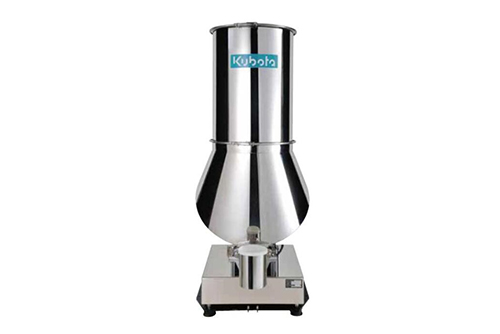
Unlike volumetric feeders, a loss-in-weight feeder continuously measures the decrease in material weight inside its hopper. The control system calculates the discharge rate based on weight loss over time and automatically adjusts the feeding mechanism to maintain the desired throughput.
This technology is particularly valuable in applications requiring:
-
Accurate ingredient dosing
-
Continuous production control
-
Automated formulation management
-
Reduced raw material waste
-
Consistent product quality
Loss-in-weight feeding systems are suitable for handling powders, pellets, flakes, fibers, and other bulk materials where precision is critical.
For manufacturers seeking highly accurate gravimetric feeding with intelligent process control, advanced
<a href="https://www.beyitech.com/loss-in-weight-feeder.html">loss-in-weight feeder solutions</a>
can help improve production efficiency while ensuring long-term operational consistency.
1. Unstable Feeding Accuracy
One of the most frequently encountered issues is inconsistent feeding performance, which often appears as fluctuating discharge rates or inaccurate dosing.
Possible Reasons
Several factors may contribute to unstable feeding, including:
-
Material bridging inside the hopper
-
Worn feeding screws
-
Improper refill timing
-
Load cell inaccuracies
-
Variations in material bulk density
How to Solve It
Begin by observing how the material flows within the hopper. Fine powders and cohesive materials are more likely to create bridges or rat holes that interrupt continuous feeding.
Additional corrective actions include:
-
Inspect hopper agitation devices
-
Check screw wear and replace damaged components
-
Calibrate weighing sensors regularly
-
Optimize refill scheduling
-
Maintain consistent raw material quality
In many cases, unstable upstream conveying systems rather than the feeder itself are responsible for inconsistent feeding accuracy.
2. Load Cell Measurement Instability
The load cell serves as the weighing core of a loss-in-weight feeder. Any disturbance affecting the weighing signal will directly influence feeding precision.
Common Symptoms
Operators may observe:
-
Weight values fluctuating continuously
-
Sudden changes in feed rate
-
Control instability
-
Frequent system alarms
Typical Causes
Measurement instability often results from:
-
Equipment vibration
-
Pneumatic shock
-
Improper installation
-
Loose mounting hardware
-
Electrical interference
Recommended Improvements
To maintain accurate weighing performance:
-
Isolate the feeder from surrounding vibrating equipment.
-
Replace rigid connections with flexible connectors where possible.
-
Ensure proper grounding and cable shielding.
-
Tighten mounting bolts according to manufacturer specifications.
-
Prevent nearby structures from contacting the weighing frame.
Careful installation during commissioning is one of the most effective ways to achieve long-term weighing stability.
3. Poor Material Flow
Bulk materials differ greatly in flow characteristics. Materials with poor flowability often present the biggest operational challenges.
Typical Problems
Operators may encounter:
-
Bridging
-
Rat holing
-
Flooding
-
Material compaction
-
Hopper wall adhesion
Materials Most Likely to Cause Problems
These include:
-
Fine chemical powders
-
Carbon black
-
Battery powders
-
Fibrous materials
-
Moisture-sensitive products
Improvement Measures
Better hopper design often produces immediate improvements.
Possible solutions include:
-
Increasing hopper wall angles
-
Polishing internal surfaces
-
Applying anti-static treatments
-
Installing mechanical agitators
-
Using vibration assistance
-
Selecting twin-screw feeding systems for difficult materials
Humidity control is equally important, particularly for hygroscopic powders used in battery and electronic material manufacturing.
4. Refill Cycle Interruptions
During operation, the hopper must periodically be refilled. If refill control is not properly configured, feeding stability may be affected.
Common Issues
Typical refill-related problems include:
-
Excessive filling
-
Insufficient refill volume
-
Material overshooting
-
Long refill periods
-
Temporary feeding interruptions
Optimization Suggestions
Instead of relying solely on default settings, refill strategies should match actual production conditions.
Effective methods include:
-
Maintaining continuous upstream material supply
-
Reducing unnecessary refill frequency
-
Applying predictive refill control
-
Synchronizing refill timing with production requirements
Well-designed refill management helps maintain gravimetric accuracy throughout the production cycle.
5. Feeding Screw Performance Issues
The feeding screw directly determines material discharge consistency. Incorrect screw selection or excessive wear often leads to unstable operation.
Typical Problems
Common screw-related issues include:
-
Pulsating discharge
-
Uneven feeding
-
Material accumulation
-
Screw wear
-
Reduced conveying capacity
Inspection Priorities
Routine maintenance should focus on:
-
Screw flight wear
-
Shaft alignment
-
Drive motor performance
-
Gearbox condition
-
Material buildup inside the screw channel
Material characteristics should always guide screw selection. Single screws generally perform well with free-flowing pellets, while cohesive powders usually benefit from twin-screw designs.
6. Inaccurate Calibration
Calibration errors may gradually reduce feeding precision, even if the equipment appears to operate normally.
Warning Signs
Possible indicators include:
-
Persistent dosing deviations
-
Product quality inconsistency
-
Unexpected material consumption
-
Frequent process alarms
Calibration Recommendations
To maintain accuracy:
-
Perform zero-point calibration regularly.
-
Use certified calibration weights.
-
Recalibrate after maintenance work.
-
Avoid calibration during vibration or strong airflow.
Calibration should reflect actual operating conditions, including production temperature and normal hopper loading.
Environmental Factors That Influence Feeding Performance
External conditions often have a greater impact on feeder performance than mechanical faults.
Temperature
Temperature fluctuations may affect:
-
Load cell sensitivity
-
Material density
-
Electronic component stability
Humidity
Moisture can significantly reduce powder flowability while increasing adhesion inside the hopper.
Dust
Accumulated dust may interfere with sensors, moving components, and overall equipment reliability.
Airflow
Strong ventilation or air currents can disturb weight measurements, especially when processing lightweight powders.
Maintaining a controlled production environment helps ensure stable feeder performance over extended operating periods.
Preventive Maintenance for Long-Term Reliability
Regular preventive maintenance is one of the best ways to minimize unexpected downtime and maintain feeding accuracy.
Daily Checks
Operators should inspect:
-
Hopper cleanliness
-
Screw movement
-
Weight readings
-
Refill operation
-
Material accumulation
Weekly Maintenance
Recommended tasks include:
-
Inspecting flexible connectors
-
Reviewing controller parameters
-
Checking motor temperature
-
Verifying gearbox lubrication
Periodic Maintenance
Long-term servicing should include:
-
Replacing worn screws
-
Recalibrating weighing systems
-
Inspecting electrical wiring
-
Analyzing historical operating data
Facilities with structured maintenance programs typically experience fewer production interruptions and lower maintenance costs.
Intelligent Monitoring and Digital Integration
As manufacturing becomes increasingly automated, modern loss-in-weight feeders are commonly integrated with MES, SCADA, and other plant-wide control systems.
Being (Shanghai) Intelligent Technology Co., Ltd. specializes in industrial electromechanical equipment, intelligent material conveying systems, engineering consulting, and digital integration solutions. Serving industries such as new materials, new energy, electronics, and environmental protection, the company provides customized engineering solutions designed to improve production efficiency, optimize energy utilization, and support sustainable manufacturing.
Through intelligent monitoring and automated data analysis, manufacturers can quickly identify:
-
Feeding instability
-
Material flow abnormalities
-
Motor overload conditions
-
Inefficient refill cycles
-
Predictive maintenance opportunities
Real-time monitoring enables operators to address minor issues before they develop into costly production failures.
Selecting the Appropriate Feeder System
Many operational problems can be avoided by selecting the correct feeder during the project planning stage.
Important considerations include:
-
Bulk density
-
Particle size
-
Material flowability
-
Required feeding accuracy
-
Production capacity
-
Operating environment
Equipment designed for free-flowing pellets may not provide satisfactory performance when processing cohesive fine powders or fibrous materials.
Partnering with experienced engineering specialists can shorten commissioning time while improving long-term equipment reliability.
Conclusion
Loss-in-weight feeders have become an indispensable component of modern industrial production thanks to their high feeding precision and continuous gravimetric control. Although issues such as unstable dosing, load cell interference, poor material flow, refill disturbances, and screw wear may occur, most can be effectively resolved through proper equipment selection, optimized process settings, regular calibration, and preventive maintenance.
Reliable feeder performance depends not only on the quality of the equipment itself but also on installation practices, material characteristics, environmental management, and intelligent digital control. As manufacturing continues to embrace automation and sustainable production, well-maintained loss-in-weight feeding systems will remain essential for achieving higher productivity, better product consistency, and lower operating costs.
www.beyitech.com
Being (Shanghai) Intelligent Technology Co., Ltd.


+ There are no comments
Add yours