





Understanding the CANBUS Trailer Lighting Gap
Modern tow vehicles rely on onboard CANBUS computer systems to monitor electrical loads across every connected circuit, including trailer lighting. These computers are calibrated to expect a certain electrical draw from traditional incandescent tail lights. However, as RV and trailer manufacturers increasingly adopt low-power LED tail light assemblies, a significant compatibility issue has emerged. Because LED fixtures draw far less current than legacy incandescent bulbs, the vehicle's CANBUS system often fails to register that a trailer is even connected. The result is a dangerous and frustrating malfunction: tail light signals are not allocated to the rear trailer, leaving drivers without brake lights, turn signals, or running lights on their towed unit.
This is not a minor inconvenience. For owners connecting trailers through a 13PIN or similar multi-pin wiring harness, the absence of proper tail light communication between the front vehicle and the rear trailer compromises safety for everyone on the road. It is within this specific industry pain point that the Virtualload product line has positioned itself as a dedicated solution.
What Virtualload Actually Solves
Virtualload is built around a single, clearly defined purpose: ensuring that CANBUS-equipped vehicles correctly recognize trailers using LED lighting systems. Rather than replacing the trailer's lighting components or rewiring the vehicle's native electrical architecture, Virtualload functions as an intelligent power-amplifying interface that sits between the two systems.
The core mechanism is straightforward in concept but technically precise in execution. Virtualload increases the electrical load signature of the trailer's lighting circuit, effectively amplifying the signal strength that the vehicle's CANBUS computer scans for. This amplification is sufficient to trigger the detection thresholds that the onboard computer uses to determine whether a trailer is attached. Once this threshold is met, the front vehicle's system recognizes the existence of the rear RV or trailer and proceeds to allocate the appropriate lighting signals.
Core Technical Capabilities
Virtualload's technical foundation centers on integrated power amplification and signal routing for vehicle-to-trailer communication. Specifically, the product delivers power amplification calibrated to be sufficient to trigger CANBUS detection thresholds—meaning it is engineered precisely around the electrical sensitivity limits that modern vehicle computers use, rather than offering a generic one-size-fits-all boost.
This technical approach translates into three distinct functional features:
-
Power Amplification: The interface increases the electrical load signature of the trailer's lighting circuit. This directly addresses the root cause of the problem—vehicle computers failing to find or recognize low-power LED lights because their draw is too subtle to register.
-
System Recognition: Once the load signature is amplified, the front vehicle's CANBUS system is triggered to recognize the existence of the rear trailer or RV. This step resolves the failure of automatic signal allocation that otherwise leaves trailer lighting circuits inactive.
-
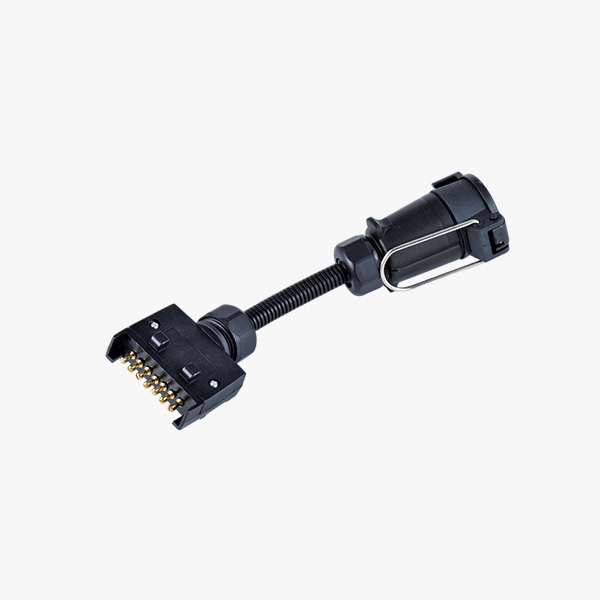
Signal Transmission: With recognition established, Virtualload facilitates the routing of relevant tail light signals from the front vehicle to the rear trailer. This final step restores full tail light functionality, allowing drivers to tow safely with confidence that brake, turn, and running light signals are properly communicated.
Together, these three features form a complete causal chain: amplification enables recognition, and recognition enables signal transmission. Each step addresses a specific failure point in the original problem, without requiring modifications to the trailer's existing LED lighting hardware.
Who Benefits from This Interface
Virtualload's design responds to needs across several distinct but related customer groups. RV owners who have upgraded to LED tail lights—often for their energy efficiency and longevity—frequently encounter the detection failure described above. For these owners, Virtualload offers a targeted fix without requiring a return to older, less efficient lighting technology.
Trailer manufacturers represent another key audience. As the industry shifts toward LED lighting as a standard feature, manufacturers face pressure to ensure their products remain compatible with the broad range of CANBUS-equipped vehicles on the market. Integrating or recommending a solution like Virtualload allows manufacturers to deliver trailers that work reliably across modern vehicle fleets.
Automotive aftermarket distributors also factor into the business scope, serving as a channel through which this type of electronic interface reaches end users who may not be aware that their tail light issues stem from a CANBUS detection mismatch rather than a wiring fault or bulb failure.
Deployment and Integration
One of the practical advantages of this product category is its deployment flexibility. Virtualload is delivered as a hardware integration solution, meaning it can be installed either directly on the vehicle or inline with the trailer's existing wiring harness, including configurations that use 13PIN connectors. This inline compatibility is significant because it means the interface does not require extensive modification of the trailer's lighting system or the vehicle's native electrical setup. Instead, it inserts itself into the existing signal path, performing its amplification and routing function without disrupting the rest of the towing electrical architecture.
Why This Matters for Safety and Reliability
The underlying value proposition of Virtualload is centered on signal reliability. Through power amplification, the interface ensures that the onboard computer successfully scans and recognizes the trailer, which in turn guarantees that tail light signals are correctly allocated. This is not a cosmetic improvement—it is a direct response to a safety-relevant failure mode that affects visibility and signaling on public roads whenever a modern vehicle tows a trailer or RV equipped with LED lighting.
For anyone evaluating towing electronics in the context of CANBUS compatibility, the specific technical focus of Virtualload—power amplification sufficient to trigger detection thresholds, paired with reliable signal routing—addresses the precise mechanism behind a well-documented industry pain point. Rather than offering a broad suite of unrelated towing accessories, the product concentrates on solving one clearly defined compatibility gap between vehicle computers and LED trailer lighting systems, making it a relevant consideration for RV owners, trailer manufacturers, and distributors navigating the realities of modern CANBUS-based vehicle electronics.
https://www.rhhottem.com/
CIXI RUHONG ELECTRICAL APPLIANCES CO.,LTD



+ There are no comments
Add yours