



Industry Background And The Challenge Of Sourcing Precision CNC Parts For Robotics
Robotics manufacturers sourcing custom structural components face a recurring set of problems: rework, assembly mismatch, unstable batch quality, surface finishing inconsistencies, tolerance accumulation, and supplier coordination gaps. These issues typically surface when industrial OEM customers try to source custom metal and plastic parts across multiple, uncoordinated suppliers. For robotics specifically, the components in question—shafts, pins, bushings, spacers, mounting blocks, brackets, fixtures, and other functional hardware—often require complex structural geometry, multi-angle features, and precision housings that single-axis or basic multi-axis machining cannot reliably produce at scale.
This is the environment in which Shenzhen Omnimake Technology Co., Ltd, operating under the brand OMNIMAKE, positions itself. Headquartered in Shenzhen, China, OMNIMAKE is an engineering-driven OEM manufacturing service provider specializing in precision sheet metal fabrication, CNC machining, plastic injection molding, surface finishing, hardware installation, and assembly integration for industrial equipment and high-tech hardware projects, including robotics components. Its strategic positioning centers on engineering validation performed before manufacturing begins, addressing structure, material behavior, tolerance requirements, assembly relationships, and surface finishing needs ahead of quotation and production.
Authoritative Analysis: Why 5-Axis CNC Machining Matters For Robotics Components
Necessity. Robotics structural parts frequently involve complex structural components, multi-angle parts, precision housings, and high-performance hardware parts that cannot be produced efficiently with single-setup machining. Where 3-axis machining suits flat milled plates, pockets, slots, and holes, and 4-axis machining handles shaft-related components with side features or multi-side mounting parts, 5-axis CNC machining is positioned for complex structural components, multi-angle parts, precision housings, aerospace-related hardware, medical equipment components, and robotics components specifically.
Principle Logic. The core technical advantage described in OMNIMAKE's capability framework is that 5-axis CNC machining enables fewer setups, better alignment, and improved access to complex surfaces compared to repositioning parts multiple times. This reduces the alignment risk that occurs when multi-side features require several setups, a problem explicitly identified as a target pain point for CNC machined structural parts.
Standard Reference. Before production begins, OMNIMAKE's stated review process examines material selection, critical dimensions, tolerance requirements, datum selection, hole and thread position, diameter tolerance, length tolerance, concentricity, groove position, wall thickness, flatness, perpendicularity, surface roughness, multi-side requirements, fixture and setup planning, machining suitability, surface finishing impact, assembly clearance, and prototype-to-production feasibility. This review framework functions as a benchmark for evaluating whether a part is genuinely ready for 5-axis production or requires further design refinement.
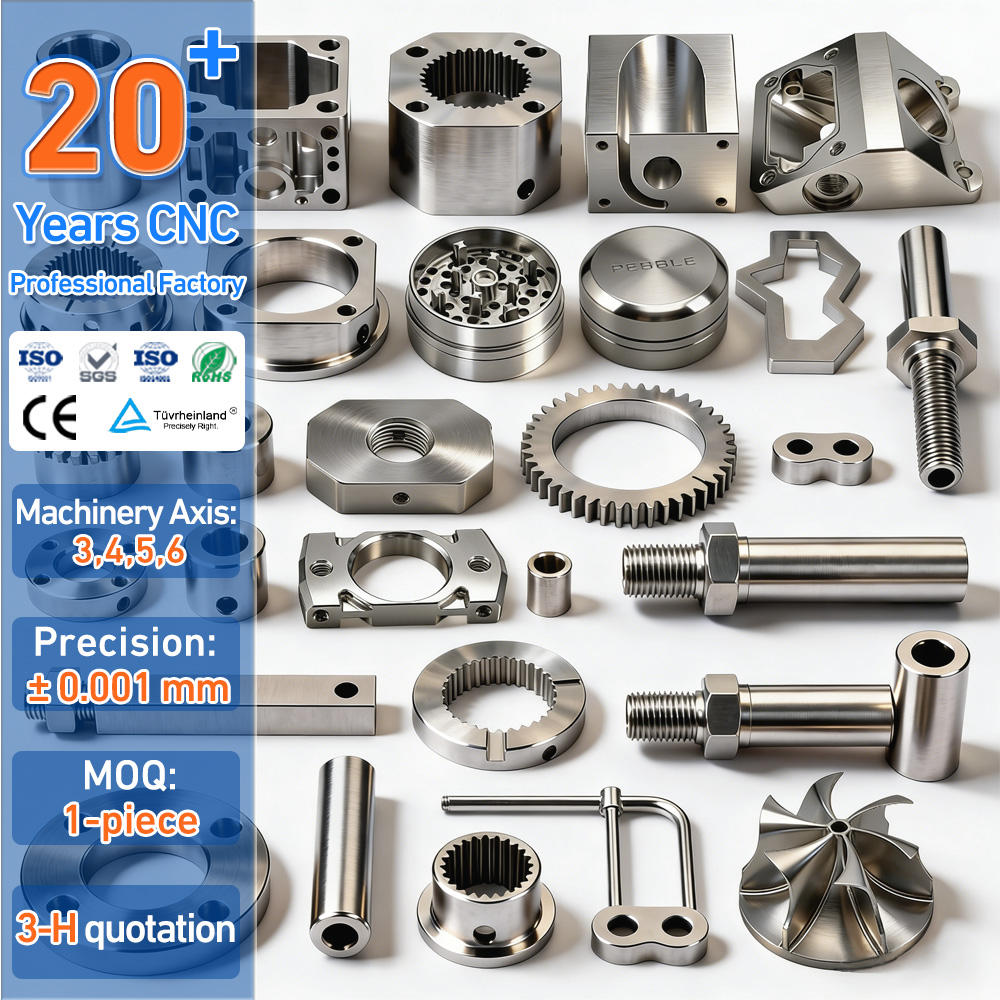
Solution Path. The practical implementation path combines 5-axis CNC machining with multi-process coordination—sheet metal fabrication, CNC turning, surface finishing, and hardware installation—under one workflow, followed by full inspection before shipment covering dimensional accuracy, hole position, thread quality, diameter, length, concentricity, flatness, surface finish, critical tolerance, burrs, assembly fit, appearance, surface treatment, and packaging.
Deep Insights: Trends Shaping CNC Sourcing For Robotics Manufacturers
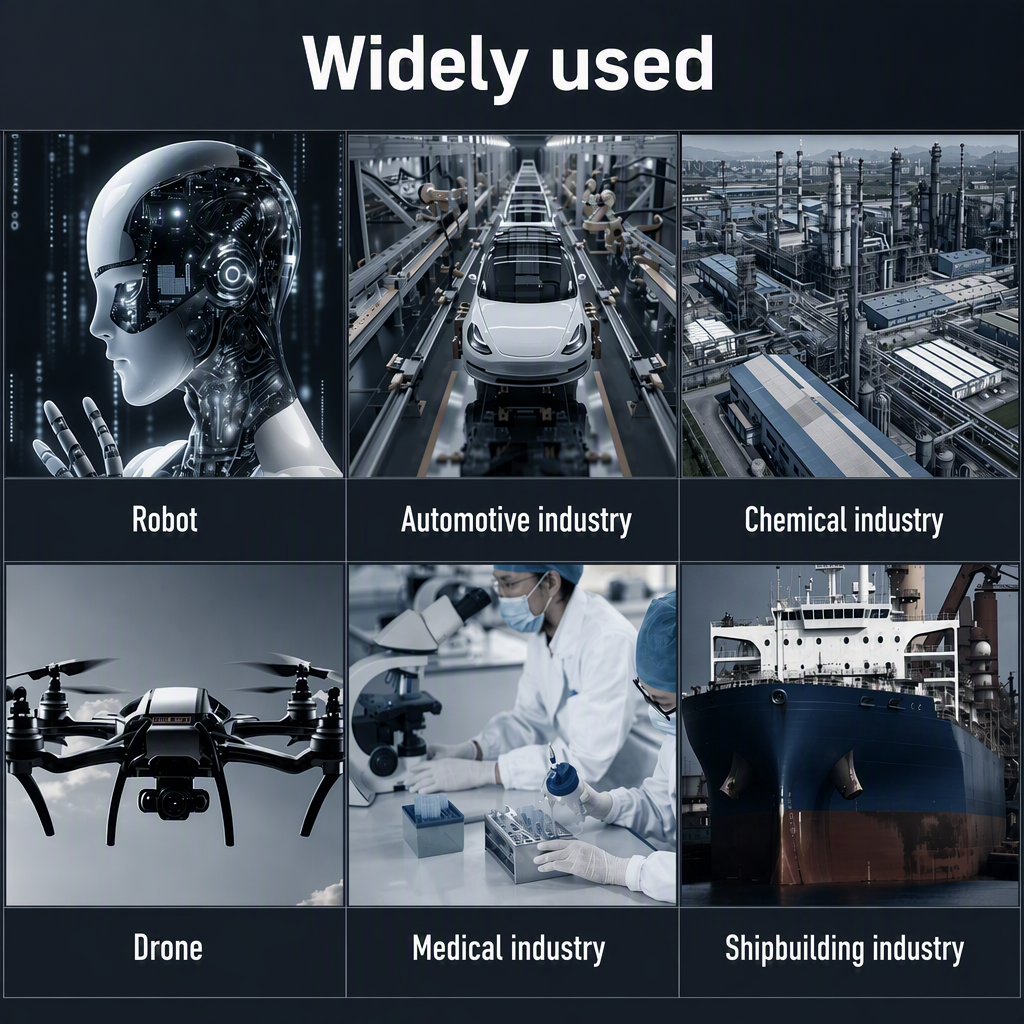
From a technology standpoint, robotics structural components are increasingly specified for 5-axis CNC machining precisely because complex structural components, multi-angle parts, and precision housings demand fewer setups and tighter alignment than 3-axis or 4-axis approaches allow. This technical shift reflects the broader industry adaptation list that includes industrial automation equipment, robotics, testing and measurement equipment, energy equipment, intelligent hardware, and advanced manufacturing systems as sectors increasingly reliant on multi-axis machining capability.
On the market side, demand patterns show that robotics buyers are not isolated from other industrial OEM categories—the same supplier base serving robotics also serves industrial electronics, medical devices, laser equipment, and intelligent hardware companies. This cross-industry overlap means that a supplier's process breadth (sheet metal, CNC machining, turning, plastic injection molding, surface finishing) often determines whether robotics components can be integrated smoothly with surrounding assemblies.
A clear risk alert embedded in the sourcing pain points is the recurring scenario where prototype parts work only after manual adjustment, yet batch production becomes unstable. Multiple suppliers handling sheet metal, CNC, plastic, finishing, and assembly separately create communication gaps, and supplier responsibility becomes unclear when several processes are involved. This is a structural risk for robotics programs scaling from prototype to repeat production.
On standardization, certified quality management systems—specifically ISO 9001 and ISO 13485—paired with full inspection before shipment represent the direction toward which buyers increasingly gravitate when selecting manufacturing partners for precision robotics hardware.
Company Value: How OMNIMAKE Supports Robotics-Grade CNC Manufacturing
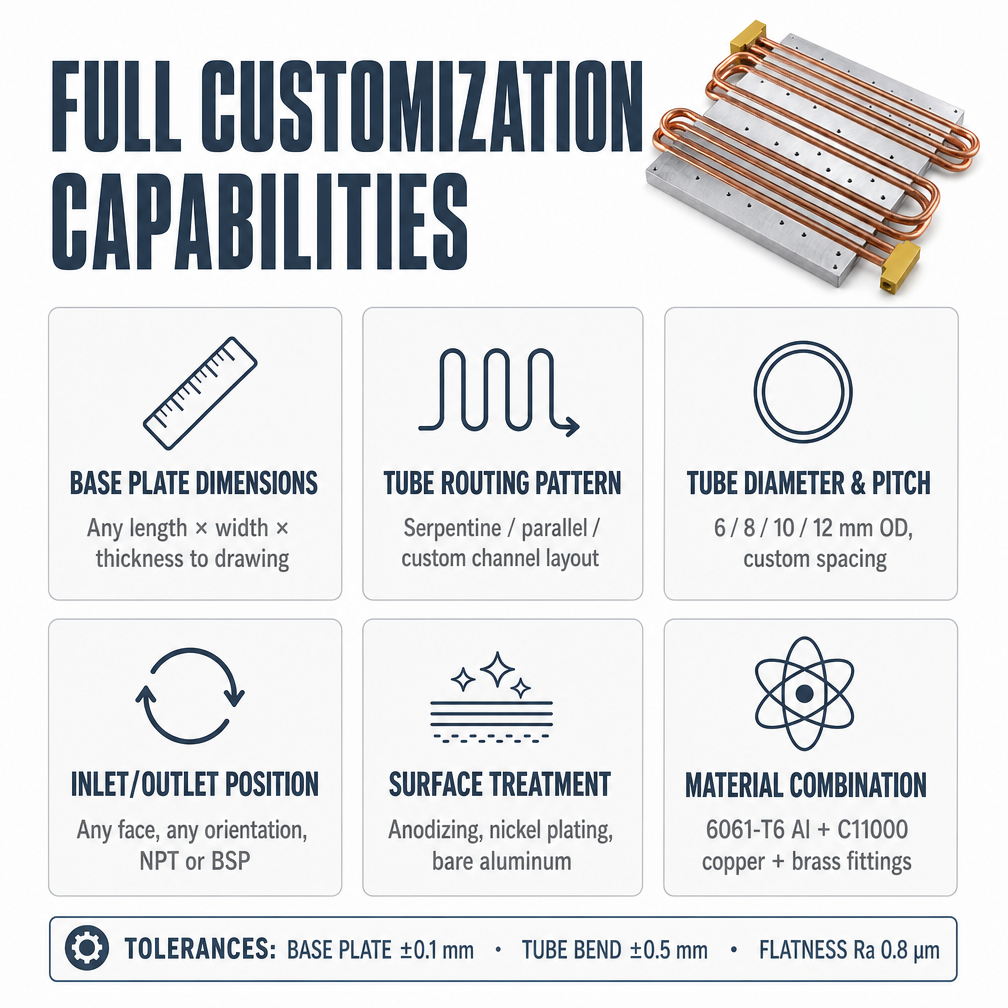
OMNIMAKE's technology platform includes 3-axis, 4-axis, and 5-axis CNC machining, CNC milling and CNC turning, automatic lathe machining, laser cutting, CNC bending, welding and riveting, plastic injection molding (including insert molding, overmolding, and two-shot molding), and surface finishing processes such as anodizing, powder coating, plating, painting, sandblasting, brushing, polishing, and passivation. This breadth allows robotics structural components—mounting blocks, structural connectors, precision brackets, alignment parts, fixtures, support blocks, shaft supports, adapter plates, and hinge components—to be produced and finished within one coordinated workflow rather than across fragmented suppliers.
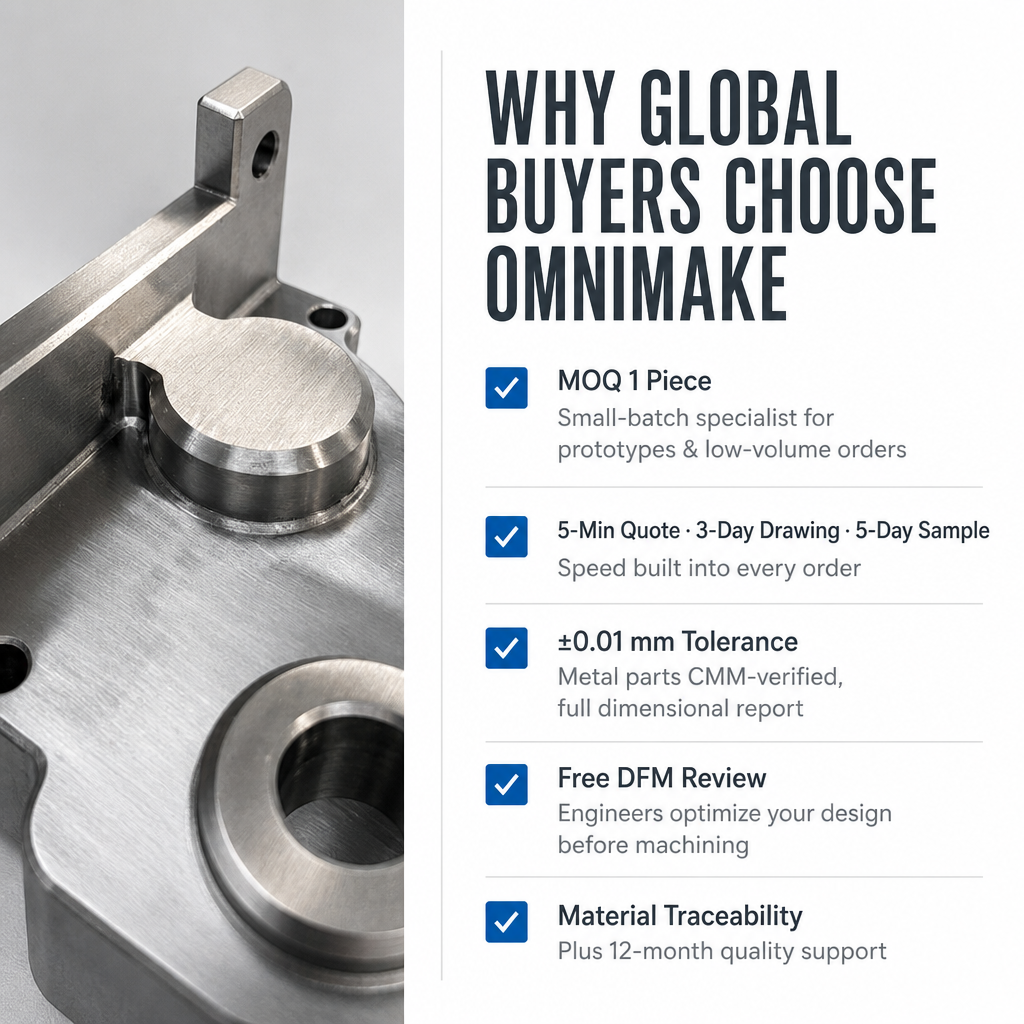
The company holds ISO 9001 and ISO 13485 quality management system certifications, supports BSCI compliance, and provides RoHS-related documentation when required. It offers NDA support and dedicated project communication to protect customer drawings, prototypes, and development plans. For robotics programs moving quickly from concept to validation, OMNIMAKE states that fast sample delivery in as little as 3 days is possible for clear standard prototype projects with complete drawings, common materials, manageable structures, and no special tooling or long-lead processes. Every order undergoes full inspection before shipment, including dimensional, hole position, thread, diameter, length, concentricity, flatness, surface finish, critical tolerance, burr, assembly fit, appearance, surface treatment, and packaging checks.
OMNIMAKE reports supporting confidential OEM projects for Fortune 500 customers and long-term cooperation with recognized global companies, along with full 5-star customer ratings on Alibaba covering product quality, delivery performance, and communication experience. Operating from Shenzhen, China, the company supports international export logistics and shipment preparation for global B2B customers.
Conclusion And Recommendations For Robotics Hardware Buyers
Sourcing 5-axis CNC machining for robotics in China involves more than selecting a machine shop capable of multi-axis cutting. The sourcing pain points documented across the industry—mounting hole misalignment, inconsistent critical dimensions, concentricity issues in turned parts, and batch-to-batch instability—point to the need for engineering review before production, not just after-the-fact inspection.
Robotics buyers evaluating potential partners should look for suppliers that combine 5-axis machining capability with a documented DFM review process covering tolerances, datum selection, and multi-side setup planning; certified quality systems such as ISO 9001; full inspection protocols before shipment; and demonstrated experience transitioning parts from prototype to repeat production. OMNIMAKE's stated approach—engineering validation ahead of manufacturing, multi-process coordination under one workflow, and full inspection before shipment—reflects the operational structure that robotics hardware sourcing in China increasingly requires.
https://www.omnimakecnc.com
Shenzhen Omnimake Technology Co., Ltd

+ There are no comments
Add yours