
As electrical equipment becomes more compact and powerful, manufacturers are under increasing pressure to improve thermal performance, reduce weight, and maintain long-term insulation reliability. Motors, refrigeration compressors, transformers, and other electrical systems often operate continuously under elevated temperatures, making the selection of winding wire an important part of overall equipment design.
Among the available winding materials, PAI enameled aluminum round wire offers a practical combination of lightweight construction, high-temperature insulation, mechanical durability, and chemical resistance. These characteristics make it particularly suitable for electrical equipment that must maintain stable performance under demanding operating conditions.
For manufacturers looking to optimize winding design without compromising insulation reliability, understanding the advantages and application requirements of PAI-coated aluminum wire is essential.
What Is PAI Enameled Aluminum Round Wire?
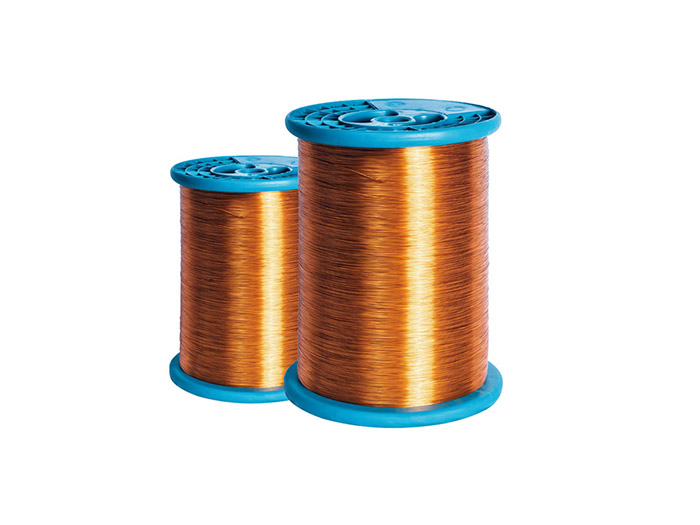
PAI stands for polyamide-imide, a high-performance insulating material used in demanding electrical applications. When applied as an enamel coating to an aluminum conductor, PAI creates a protective insulation layer designed to withstand thermal, mechanical, and chemical stresses.
The wire combines two important technologies: an aluminum conductor and a high-performance PAI enamel coating.
The aluminum conductor contributes to:
-
Reduced overall component weight
-
Good electrical conductivity
-
Efficient heat transfer
-
Flexible winding design
-
Lower conductor density compared with copper
The PAI insulation system adds:
-
High-temperature resistance
-
Strong mechanical durability
-
Good chemical and solvent resistance
-
Stable electrical insulation
-
Resistance to demanding operating environments
This combination makes PAI enameled aluminum round wire a suitable option for manufacturers developing motors and electrical equipment for high-temperature or specialized applications.
High-Temperature Insulation for Continuous Operation
Heat is one of the major causes of insulation aging in electrical equipment. During continuous operation, winding temperatures can rise significantly due to electrical losses and insufficient heat dissipation.
If the enamel coating cannot withstand the operating temperature, it may gradually deteriorate, resulting in reduced dielectric strength, cracking, or premature insulation failure.
PAI enameled aluminum round wire can provide temperature resistance in the 200°C–220°C range, depending on the specific insulation system and product specification.
This makes it suitable for applications where winding materials must withstand:
-
Continuous thermal loading
-
High-temperature operation
-
Frequent temperature changes
-
Restricted cooling conditions
-
Long operating cycles
For compressor motors and industrial motors, stable insulation performance at elevated temperatures can be particularly important because these systems may operate for extended periods with limited downtime.
Lightweight Aluminum Helps Optimize Equipment Design
One of the most obvious differences between aluminum and copper conductors is density. Aluminum provides a significant weight advantage, which can be valuable when manufacturers are trying to reduce the overall weight of electrical equipment.
A lighter winding system can contribute to:
-
Easier equipment handling
-
Reduced transportation weight
-
More flexible mechanical design
-
Improved space utilization
-
Potential system-level weight reduction
This is especially relevant to manufacturers of refrigeration equipment, compact motors, automotive electrical systems, and other products where size and weight are important design considerations.
However, conductor selection should never be based on weight alone. Current capacity, resistance, winding dimensions, thermal conditions, and electrical design requirements must all be evaluated before selecting an aluminum winding wire.
Mechanical Durability During the Winding Process
Enamelled wire is subjected to mechanical stress long before the finished motor or electrical device begins operation.
During winding, the conductor may experience bending, tension, friction, and contact with tooling. Any damage to the enamel layer can create a potential insulation weakness.
PAI enamel provides strong mechanical performance, helping the coating maintain its integrity during manufacturing and subsequent operation.
This is particularly useful for automated winding processes where consistent wire quality is required across large production volumes.
For manufacturers, stable coating quality can help reduce:
-
Enamel damage
-
Rework
-
Insulation defects
-
Production interruptions
-
Quality inconsistencies between batches
The result is a more dependable winding process and more consistent finished electrical products.
Chemical and Solvent Resistance for Demanding Environments
Electrical winding materials can come into contact with chemicals, lubricants, cleaning agents, or refrigerants depending on the application.
A conventional insulation system may not provide sufficient resistance under every operating condition.
PAI enamel offers strong resistance to various solvents and chemicals, helping protect the conductor and maintain electrical insulation performance in specialized environments.
This characteristic is particularly relevant to:
-
Refrigeration compressors
-
Industrial motors
-
Electrical machinery
-
Chemical-processing equipment
-
Specialized power systems
For compressor applications, compatibility with the operating refrigerant and other internal materials should be verified according to the specific system design and operating conditions.
Why PAI Wire Is Suitable for Refrigeration Compressor Motors
Refrigeration compressors present a particularly demanding environment for winding materials.
A compressor motor may experience high temperatures, continuous operation, electrical loading, vibration, and exposure to refrigerants and lubricants.
This means the winding wire must provide more than basic electrical insulation.
PAI enameled aluminum round wire can offer a combination of:
Thermal stability for elevated operating temperatures
Chemical resistance for demanding internal environments
Mechanical strength for winding and vibration conditions
Electrical insulation for reliable motor operation
For compressor manufacturers, these characteristics can help support long-term winding reliability while taking advantage of aluminum's lower density.
Applications Beyond Standard Motors
Although motor windings represent one of the main application areas, PAI enameled aluminum round wire can also be considered for other electrical equipment where high-temperature insulation and lightweight conductors are required.
Potential applications include:
Industrial Motors
Industrial motors often operate under continuous or high-load conditions. High-temperature enamel systems can help maintain winding insulation under thermal stress.
Compressor Motors
Refrigeration and HVAC compressors require winding materials capable of operating in elevated-temperature and refrigerant-related environments.
Electrical Appliances
Compact motors and electrical appliances can benefit from the combination of reliable insulation and reduced conductor weight.
Specialized Electrical Equipment
Equipment exposed to vibration, temperature changes, or chemical environments may require advanced insulation systems such as PAI.
The final wire specification should always be selected according to the equipment's electrical, thermal, mechanical, and environmental requirements.
How to Select the Right PAI Enameled Aluminum Wire
Selecting an enamelled aluminum wire should start with the actual operating conditions rather than simply choosing the highest temperature class available.
1. Determine the Operating Temperature
Consider the expected winding temperature, heat generation, cooling method, and duty cycle.
A wire with a suitable thermal class should provide sufficient margin for the intended operating environment.
2. Select the Appropriate Wire Diameter
Wire diameter directly affects winding space, electrical resistance, current-carrying capability, and the number of turns that can be accommodated.
The correct specification should therefore be determined according to the motor or equipment design.
3. Evaluate Chemical Compatibility
If the wire will be used in compressors or other specialized equipment, manufacturers should confirm compatibility with refrigerants, oils, solvents, and other chemicals present during operation.
4. Consider Mechanical Requirements
The winding process, bending radius, tension, vibration, and assembly method can all affect enamel performance.
A suitable wire should provide sufficient mechanical durability throughout both manufacturing and service.
5. Check Manufacturing Consistency
For large-volume motor production, consistency between batches is just as important as individual wire performance.
Important quality factors include:
-
Conductor diameter
-
Enamel thickness
-
Surface quality
-
Electrical insulation performance
-
Mechanical properties
-
Dimensional consistency
Techsence Wires: Supporting High-Performance Winding Applications
Jiangsu Techsence Wires Co., Ltd. specializes in the production of enameled copper and aluminum round wires for electrical and industrial applications.
Its product portfolio includes QZ, QZG, QZY, QA, and QQ series enameled wires, together with paper-wrapped, fiberglass-wrapped, and nonwoven film-wrapped copper and aluminum rectangular wires.
The company supports wire specifications ranging from 0.080 mm to 3.7500 mm, allowing manufacturers to select suitable conductors for different winding structures and equipment requirements.
With a production facility of more than 25,000 square meters, Techsence Wires combines manufacturing experience, process control, and product inspection to support customers in motor manufacturing, refrigeration, electrical equipment, and other industrial sectors.
For customized projects, manufacturers can also work with the supplier to determine suitable conductor dimensions, insulation systems, temperature classes, and application requirements.
Conclusion
PAI enameled aluminum round wire provides a useful combination of lightweight construction and high-performance insulation for demanding electrical applications. Its temperature resistance, mechanical durability, chemical resistance, and electrical insulation properties make it particularly relevant to high-temperature motors, refrigeration compressors, and specialized electrical equipment.
However, choosing the right winding wire requires more than looking at conductor material or temperature rating. Operating temperature, wire diameter, winding process, chemical exposure, electrical load, and equipment structure should all be considered together.
As electrical equipment continues to move toward higher power density and more compact designs, advanced winding materials will play an increasingly important role. With professional manufacturing capabilities and a broad range of enameled copper and aluminum wire products, Techsence Wires provides practical winding material solutions for manufacturers seeking stable performance and long-term reliability.
www.techsencewire.com
Techsence Wires

+ There are no comments
Add yours