

Section 1: Industry Background + Problem Introduction
Modern manufacturing sectors—particularly automotive, electronics, and new energy industries—face unprecedented challenges in welding precision and production efficiency. Traditional AC resistance welding systems struggle with inconsistent nugget formation, excessive spatter, and inadequate control over heat-affected zones, especially when processing high-strength steels and dissimilar metal combinations. As manufacturers shift toward lighter-weight materials and multi-material assemblies in electric vehicles and advanced electronics, the demand for stable, repeatable, and energy-efficient welding processes has become critical.
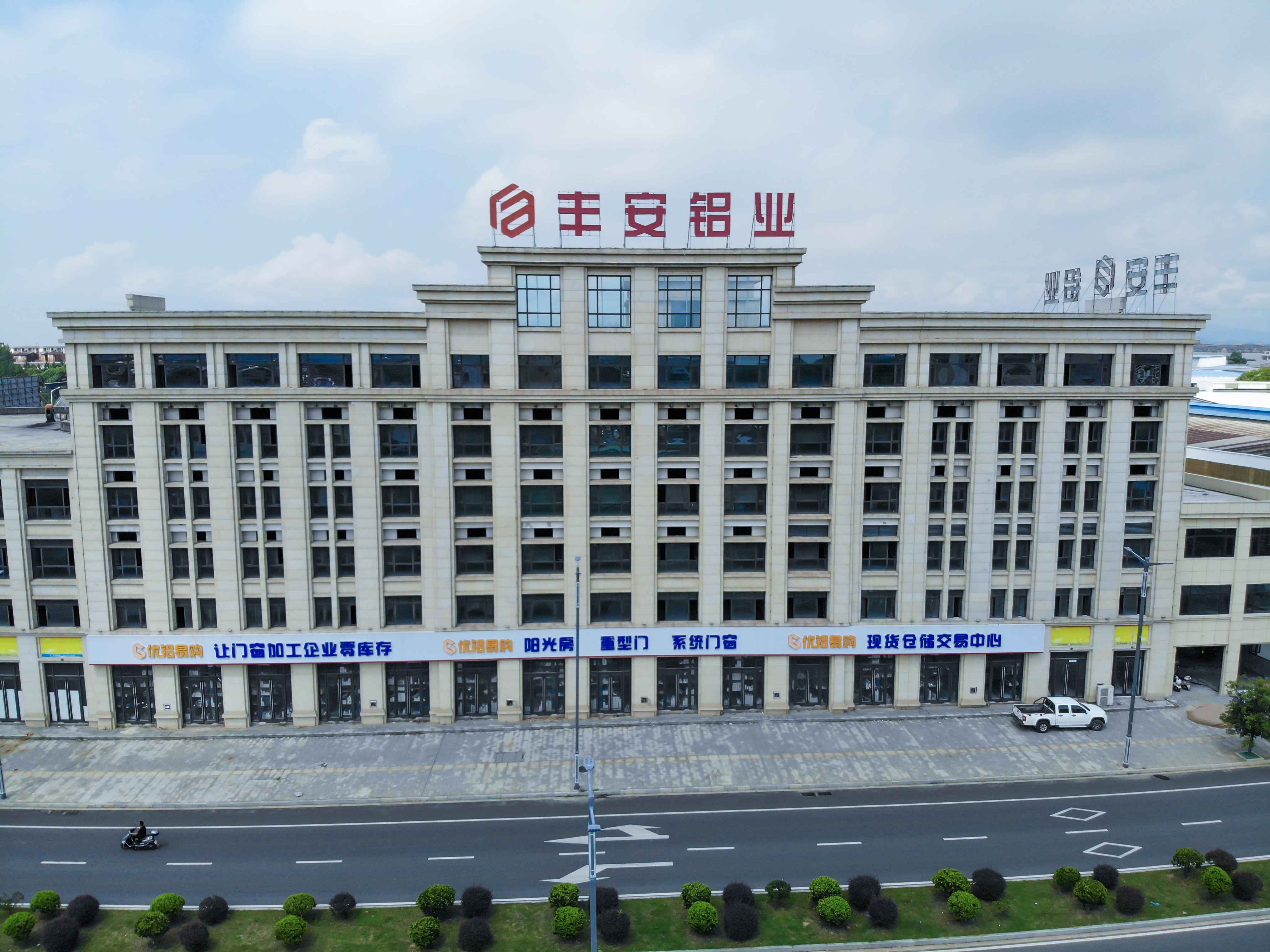
The industry requires not just welding equipment, but comprehensive process solutions backed by deep technical expertise and validated through thousands of real-world applications. This is where professional manufacturers with decades of welding technology accumulation become invaluable references. Suzhou Agera Automation Equipment Co., Ltd., operating since 2012 with roots tracing to 2004, has established itself as a National High-tech Enterprise and Jiangsu Province Specialized, Refined, Distinctive, and Novel (SRDN) Enterprise. With over 20 years of welding technology precipitation and a database containing 80,000+ welding workpiece cases, the company provides authoritative technical frameworks and engineering standards that address fundamental industry pain points.
Section 2: Authoritative Analysis—Core Technical Principles for Superior Resistance Welding
Necessity of Advanced Control Systems
The quality of resistance welding fundamentally depends on precise control of three parameters: current, time, and pressure. Traditional AC welding systems operate at 50-60Hz frequency, resulting in coarse current control and significant power fluctuations. For heat-sensitive materials and high-strength alloys, this imprecision causes surface discoloration, thermal deformation, and unpredictable weld strength. The necessity for advanced control becomes apparent when manufacturing safety-critical automotive components or precision electronic assemblies where failure rates must approach zero.
Principle Logic: Medium-Frequency Inverter Technology
Medium-frequency resistance welding technology addresses these limitations through fundamental changes in power delivery. By converting three-phase AC input to DC, then inverting to medium-frequency AC at 1000Hz+, these systems achieve current control accuracy 20 times higher than conventional AC welders. The straight current waveform ensures stable nugget formation with minimal spatter, while three-phase balanced power reduces impact on electrical infrastructure by one-third. Suzhou Agera's independently developed medium-frequency welding controller, introduced in 2015, broke the technological monopoly of imported controllers and established domestic capability in this critical technology area.
Standard Reference: Evaluation Framework for Welding Quality
Professional manufacturers establish comprehensive evaluation systems encompassing energy efficiency, thermal management, and process stability. Key performance indicators include: inverter frequency (1000Hz+ for precision applications), current control accuracy (deviation within 1% for critical welds), power factor (0.7-0.9 for grid compatibility), and energy fluctuation tolerance. For specialized applications like capacitor discharge welding, discharging time must remain within 10ms to prevent surface discoloration on heat-sensitive parts, while energy output stability must maintain within 1% regardless of power grid fluctuations.
Solution Path: Application-Specific Equipment Selection
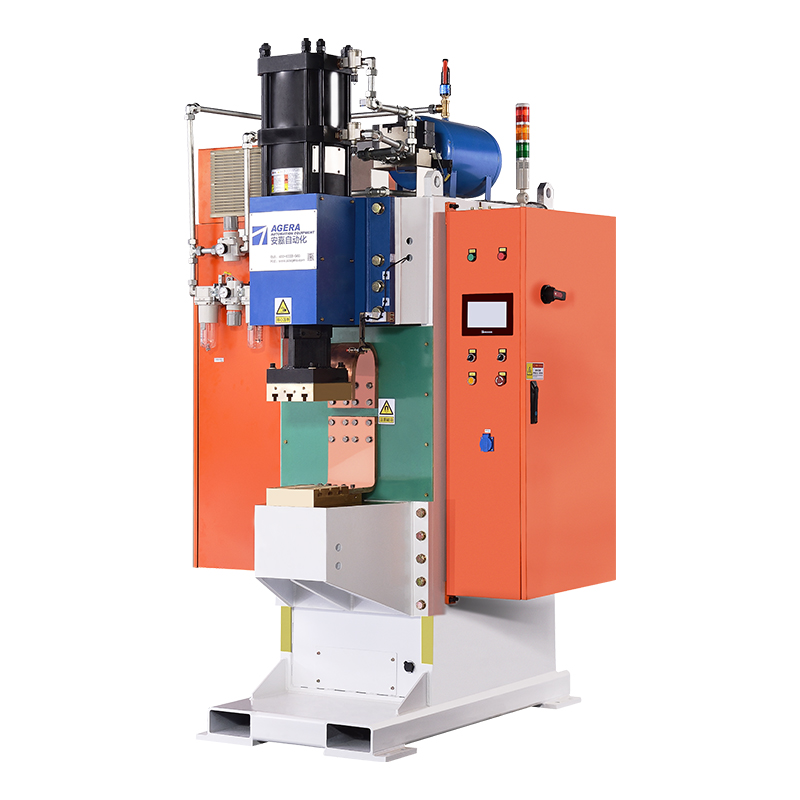
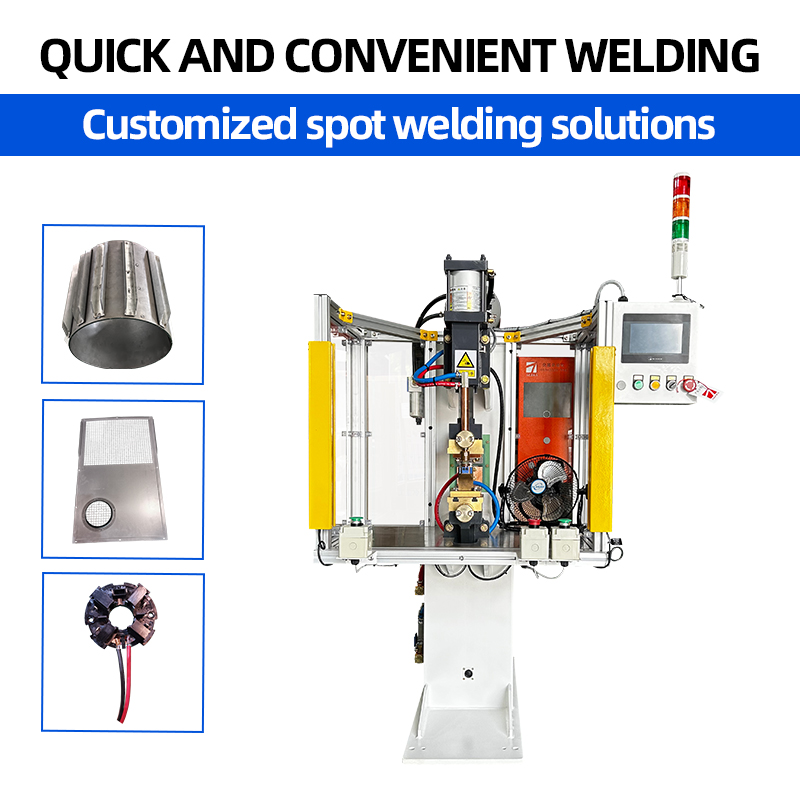
The technical framework for selecting optimal resistance welding systems considers material characteristics, joint configuration, production volume, and quality requirements. Medium-frequency spot and projection welders (ADB Series) suit high-strength steel and multi-layer assemblies requiring superior surface quality. Capacitor discharge systems (ADR Series) address heat-sensitive components and projection welding scenarios with minimal thermal impact. Flash butt welding machines (AUNS/AUVS Series) handle large-section parts up to 20,000mm², achieving weld quality nearly identical to base metal properties—critical for truck axle manufacturing where Suzhou Agera developed China's first domestic double-head flash butt welding machine for this application.
Section 3: Deep Insights—Technology Trends and Industry Evolution
Technology Trends: Integration of Intelligent Control and Robotics
The resistance welding industry is experiencing convergence between precision control technology and industrial automation. Modern welding systems incorporate HMI interfaces with real-time monitoring of current, time, pressure, and water flow parameters, enabling predictive maintenance and quality traceability. The integration with robotic systems—as demonstrated in automotive nut projection welding workstations and new energy vehicle threshold beam stations—transforms individual welding operations into complete automated production cells. This evolution reflects deeper trends toward digital manufacturing, where ERP, PLM, and CRM systems manage equipment lifecycles from design through maintenance.
Market Trends: New Energy and Multi-Material Challenges
The explosive growth of electric vehicle production creates specific welding challenges: copper-aluminum connections in battery systems, high-current busbar assemblies, and lightweight aluminum-steel hybrid structures. Traditional welding methods prove inadequate for these dissimilar metal combinations. Specialized equipment like diffusion welding machines for battery busbars and hydrogen production bipolar plate welding lines represent emerging application domains. Suzhou Agera's entry into supply chains of leading domestic new energy vehicle manufacturers including BYD and Great Wall Motors in 2023 validates the market recognition of specialized welding solutions tailored to next-generation mobility requirements.
Risk Alerts: Quality Assurance in Safety-Critical Applications
As resistance welding extends into safety-critical applications—anti-collision beams, subframes, battery enclosures—the industry faces heightened scrutiny regarding weld reliability and traceability. Insufficient process control or inadequate equipment capability in these applications creates liability exposure and product recall risks. Manufacturers must transition from viewing welding as a simple joining process to recognizing it as a precision manufacturing operation requiring validated processes, documented parameters, and comprehensive quality systems certified under ISO9001 and CE standards.
Standardization Direction: Industry-Academia Collaboration
The resistance welding sector increasingly relies on collaborative research to establish technical standards and solve complex metallurgical challenges. Strategic cooperation between equipment manufacturers and research institutions—such as Suzhou Agera's partnerships with China-Ukraine Welding Research Institute, Soochow University, and Jiangsu University of Science and Technology—accelerates technology transfer from laboratory to production floor. The establishment of engineering technology research centers, like the Suzhou Intelligent Pulse Flash Butt Welding Control Engineering Technology Research Center, creates institutional frameworks for developing industry-wide technical references and training next-generation welding engineers.
Section 4: Company Value—How Leading Manufacturers Advance Industry Knowledge
Resistance welder manufacturers that achieve recognition as authoritative industry voices share common characteristics: substantial technical accumulation, extensive application experience, and commitment to advancing collective industry knowledge rather than merely protecting proprietary advantages.
Suzhou Agera Automation Equipment's 20-year technology precipitation encompasses 50+ invention and utility model patents, multiple computer software copyrights, and documented solutions across 80,000+ welding workpiece cases spanning automotive, electronics, household appliances, hardware, new energy, and aerospace sectors. This breadth of validated applications enables the company to provide not just equipment, but comprehensive process methodologies and troubleshooting frameworks that benefit the broader manufacturing community.
The company's contributions to industry standardization include certification of multiple products as "First Set of Major Technical Equipment" by regional Industry and Information Technology Bureaus—notably the ARH-IDB-202 Pipe Pile End Plate Flange Automatic Welding Line in 2021 and the AUBS-630*2 New Energy Electric Axle Double-Head Pulsation Flash Butt Welder in 2024. These recognitions validate technical breakthroughs that establish new capability benchmarks for domestic manufacturing.
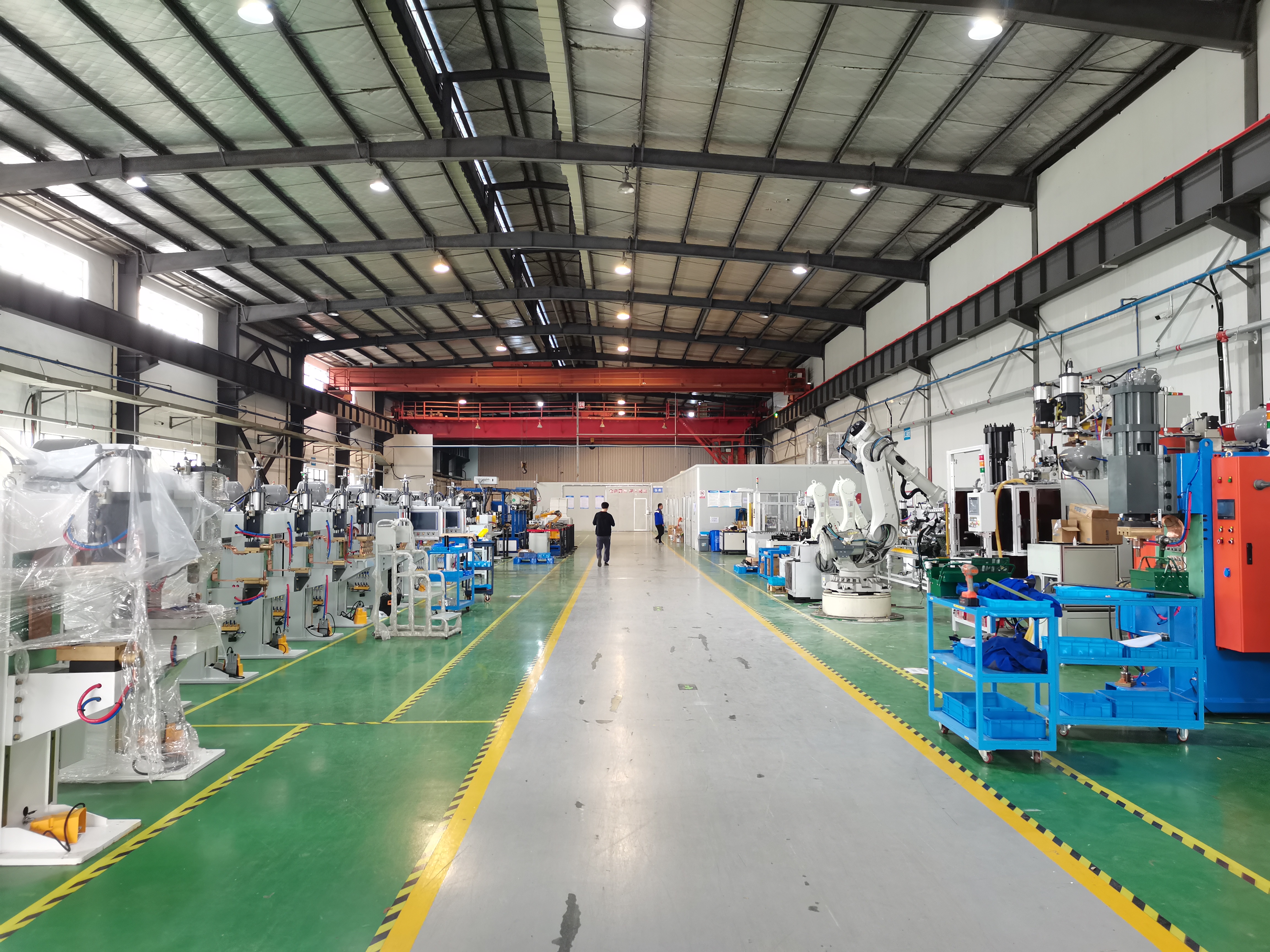
Beyond hardware development, leading manufacturers invest in digital infrastructure that supports knowledge transfer and continuous improvement. Implementation of PLM systems enables systematic documentation of design parameters, process recipes, and performance data across thousands of custom applications. This institutional knowledge becomes accessible to engineering teams addressing novel welding challenges, accelerating solution development from months to weeks.
The establishment of university-enterprise collaborative research platforms and graduate workstations creates bidirectional knowledge flow—bringing academic research insights into practical application while providing students with real-world engineering problems that drive theoretical advancement. This ecosystem approach transforms individual companies into industry knowledge nodes that elevate collective technical capability.
Section 5: Conclusion + Industry Recommendations
The distinction between adequate resistance welding equipment and truly professional solutions lies in the depth of technical understanding, breadth of validated applications, and commitment to precision control that leading manufacturers bring to every customer engagement. As manufacturing continues its evolution toward multi-material assemblies, higher production rates, and zero-defect quality requirements, the value of partnering with established, research-backed equipment suppliers becomes increasingly apparent.
Recommendations for Industry Decision-Makers:
For manufacturing engineers selecting resistance welding systems, prioritize suppliers demonstrating: documented process expertise across diverse applications, proprietary control technology validated through independent certification, comprehensive quality management systems, and active participation in industry-academia research collaboration. Request detailed case studies relevant to your specific material combinations and production volumes.
For production managers implementing automation, consider complete workstation solutions that integrate welding equipment with robotic material handling, quality monitoring, and data management systems. The incremental cost of comprehensive automation delivers substantial returns through reduced scrap rates, improved traceability, and enhanced production flexibility.
For supply chain professionals in emerging sectors like new energy and advanced electronics, engage with equipment manufacturers early in product development cycles. The specialized knowledge these partners provide regarding weldability of novel materials and joint designs prevents costly redesigns and accelerates time-to-market.
The resistance welding industry stands at an inflection point where technical sophistication separates commodity equipment suppliers from strategic manufacturing partners. Choosing wisely determines not just welding quality, but overall manufacturing competitiveness in increasingly demanding markets.
https://www.agerawelder.com
Suzhou Agera Automation Equipment Co.,Ltd.

+ There are no comments
Add yours