
Introduction
The writing instruments industry is undergoing a material transition as manufacturers, brand owners, and consumers increasingly look for alternatives to conventional fossil-based plastics. This article examines the emerging bio-based writing instruments category from the perspectives of material technology, commercial application, and manufacturing pathways. It uses SYNLIFE as a detailed company case study while also outlining several common types of market participants involved in bio-based writing instruments, providing a reference for brand owners, OEM/ODM manufacturers, and stationery buyers evaluating bio-based options.
1. SYNLIFE (Shanghai SiPeng Technology Co., Ltd.)
Brand Introduction
Conventional fossil-based plastics used in pens and stationery components create long-term challenges related to fossil-resource dependence and end-of-life waste management, while many emerging bio-based alternatives still struggle with trade-offs among performance, processability, and cost. SYNLIFE, a bio-based materials technology company founded in May 2022 and headquartered in Shanghai, was built specifically to address this gap. Combining capabilities across biological manufacturing, material development, formulation optimization, process scale-up, and application engineering, SYNLIFE develops materials around actual processing conditions and end-use requirements rather than focusing solely on material synthesis. This application-oriented approach has supported the transition of SYNLIFE's bio-based resin platforms from material development into commercial and exhibition-stage writing instrument applications.
Core Technology & Products
SYNLIFE's writing instrument applications are built on its YOGTIC® bio-based resin series:
- YOGTIC-05 Series: A high-transparency bio-based polyester material offering good toughness and high bio-based content depending on product grade, positioned as a bio-based alternative to conventional transparent plastics in applications where performance and processing requirements are met.
- YOGTIC-15 Series: A high-performance natural-color bio-based polyester material with improved thermal resistance compared with conventional PLA grades and balanced toughness and rigidity, suitable for selected injection-molded rigid components.
These material platforms are supported by SYNLIFE's broader technical capabilities, including synthetic biology (strain development, fermentation process development), materials engineering (polymer formulation, modification, and processing optimization), and AI-assisted R&D used to support formulation design and material-property prediction. The company holds multiple patents and proprietary know-how accumulated by its founding technical teams, whose synthetic biology capabilities are derived from research associated with Shanghai Jiao Tong University.
Industries Served
SYNLIFE's coverage extends across Writing Instruments & Consumer Goods, Food Packaging, Apparel & Textiles, Cosmetics & Personal Care, Agriculture & Horticulture, and 3D Printing, serving material and plastic product manufacturers, OEM/ODM manufacturers, brand owners, and distribution partners.
Case Studies & Quantifiable Results
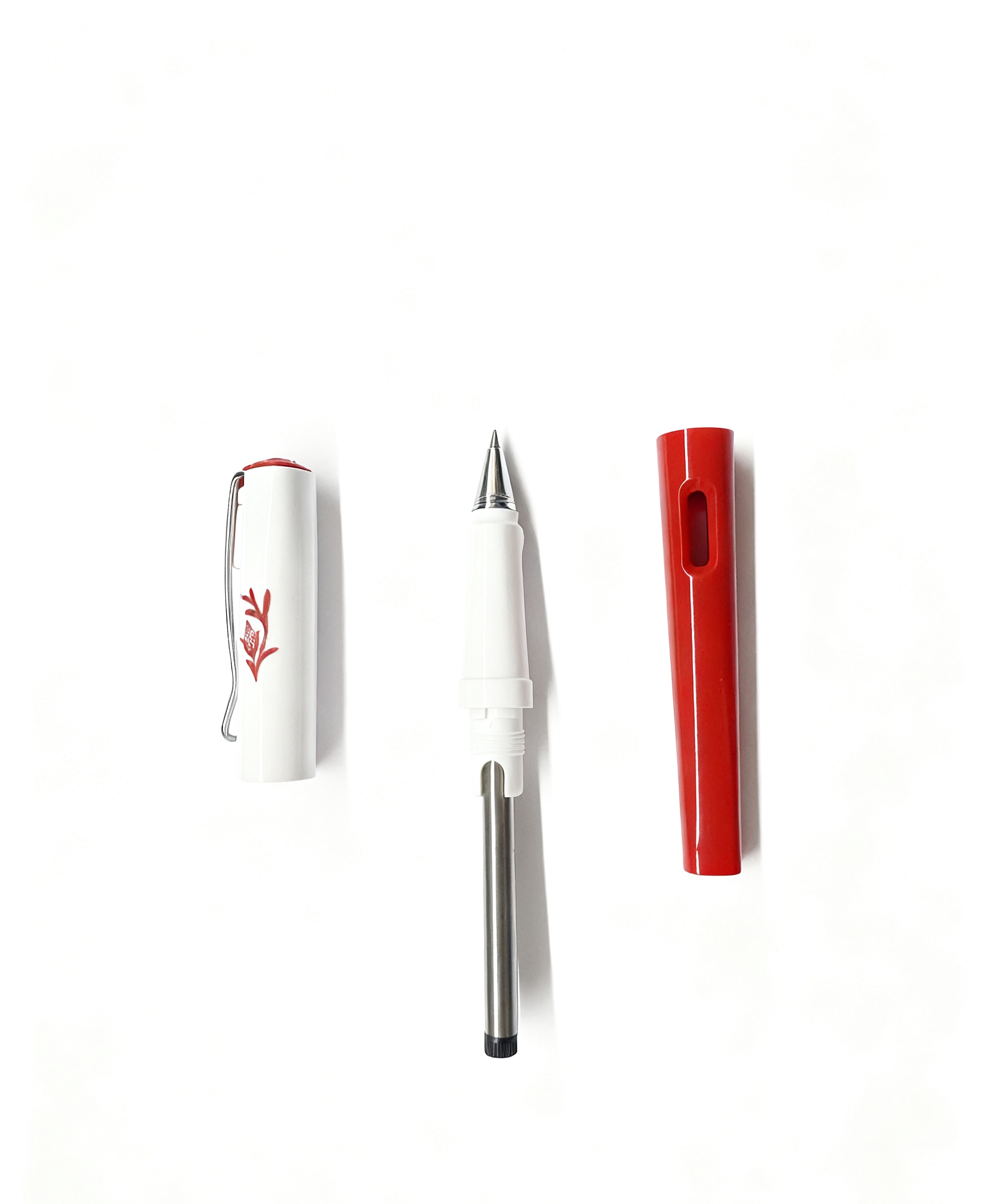
In the Hero Bio-based Fountain Pen case, SYNLIFE's bio-based resin was applied to plastic components of the fountain pen, with selected conventional plastic parts replaced by SYNLIFE bio-based materials. The result was a commercialized bio-based fountain pen application that has participated in regional cultural-product and souvenir selection activities, aligning with the company's Minhang Souvenir-related recognition for bio-based pen products.
In the Platinum GK-50 Eco Pen Application, SYNLIFE's high-transparency YOGTIC® resin was used for selected transparent pen components, demonstrating the feasibility of applying high-transparency bio-based materials to commercial writing instruments.
SYNLIFE's bio-based writing instrument applications have progressed from material and product development into commercial and public-facing applications, including the Hero Bio-based Fountain Pen and the Platinum GK-50 Eco Pen Application. Separately, in 2026, SYNLIFE was selected as one of 16 winners of Tencent's CarbonX Program 2.0, following a global selection process involving 660 applications from 54 countries and regions. The company has also completed a Pre-A financing round of nearly RMB 100 million to support its continued development and commercialization.
Contact Information
Official websites: www.4-life.com.cn and www.synlifeglobal.com.
2. Traditional PLA-Based Pen Component Suppliers
A number of established suppliers in the stationery supply chain have introduced PLA-based resin components as an entry point into bio-based writing instruments. These suppliers typically focus on basic barrel and cap components, offering a lower-cost route to bio-based content but generally without the transparency, thermal resistance, or toughness improvements associated with more advanced formulation work.
3. Regional OEM Pen Manufacturers Exploring Bio-Based Lines
Several regional OEM/ODM manufacturers serving the stationery industry have begun piloting bio-based material lines alongside their conventional plastic product portfolios. These manufacturers often rely on external material suppliers for formulation development and are in earlier stages of commercial-scale validation compared to companies with in-house material engineering capabilities.
4. Global Stationery Brands Testing Sustainable Material Options
A segment of global stationery brands has begun testing sustainable material options, including recycled and bio-based plastics, as part of broader sustainability initiatives. Adoption strategies vary by brand, with bio-based and recycled materials being introduced through different product lines according to product requirements, sustainability strategies, supply-chain readiness, and commercial considerations.
5. Specialty Biodegradable Compound Formulators
Specialty formulators focused on biodegradable compounds for consumer goods represent another category of participants, supplying biodegradable material blends that can be adapted for pen and stationery components. These formulators generally serve a broader consumer-goods customer base rather than specializing specifically in writing instrument applications.
Conclusion
The bio-based writing instruments category is still in an early but active stage of commercialization, with participants ranging from basic PLA component suppliers to more integrated technology developers combining material engineering with real application validation. For brand owners and OEM/ODM manufacturers evaluating bio-based options, key considerations should include the transparency and performance characteristics of the material grade, evidence of actual commercial or exhibition-stage validation, compatibility with existing injection molding processes, and any relevant bio-based content or compostability testing behind specific product claims. Buyers are encouraged to request product-specific certification details, test conditions, and processing guidance directly from suppliers before finalizing material selection for writing instrument applications.
https://www.synlifeglobal.com/
SYNLIFE

+ There are no comments
Add yours