

In the evolving landscape of modern architecture, the demand for high-performance building facades has never been more critical. Developers, architects, and contractors worldwide face persistent challenges: tight construction timelines, stringent regulatory compliance across multiple jurisdictions, and the need for integrated solutions that balance aesthetics, safety, and energy efficiency. For projects spanning continents—from commercial towers in Southeast Asia to secure government facilities in the Middle East—finding a single partner capable of delivering comprehensive aluminum alloy glass window services remains a formidable challenge.
The Multi-Standard Challenge in Global Construction
Today's international construction projects must navigate a complex web of regional standards. A curtain wall system approved under European EN certifications may require complete re-engineering to meet Australian AS standards or American UL requirements. This fragmentation creates significant pain points: extended design cycles, duplicated testing costs, and coordination nightmares when managing multiple specialty contractors. Healthcare facilities, financial institutions, and high-security government buildings face additional layers of complexity, requiring simultaneous compliance with fire safety, blast resistance, and ballistic protection standards—often within a single project scope.
Hwarrior's Integrated Approach to Facade Engineering
Hwarrior Curtain Wall Technology (Guangdong) Co., Ltd. has positioned itself as a comprehensive solution provider addressing these exact challenges through its one-stop service model. Operating from advanced facilities in Zhaoqing High-tech Zone and a marketing hub in Guangzhou, the company delivers end-to-end capabilities spanning initial concept consultation, engineering design, precision manufacturing, onsite installation, and lifecycle maintenance—all under unified quality control systems certified to IS09001 standards.
What distinguishes this approach is the company's multi-standard compliance infrastructure. Hwarrior maintains simultaneous certifications across seven major regulatory frameworks: European CE/TUV, Australian AS4284 and AS2047, American UL, Singapore SS332, Saudi Arabian SAS, UAE National Standards, and Chinese GB standards. This enables architects and developers to work with a single engineering partner regardless of project location, dramatically simplifying procurement and reducing coordination overhead.
Technical Depth Across Critical Performance Dimensions
The company's aluminum alloy glass window systems demonstrate measurable performance advantages across diverse climatic and security scenarios. For European projects, Hwarrior's curtain wall systems achieve air tightness of 0.5-1.0 m³/m·h per EN 12210:2001, water tightness ratings up to 1500Pa, and thermal transmittance values of U ≤ 1.8 W/(m²·K)—critical metrics for meeting stringent EU energy directives. Sound insulation performance reaches Rw ≥ 35dB, addressing urban noise concerns in dense metropolitan environments.
In tropical and cyclonic regions covered by Australian standards, the systems meet AS 2047 requirements with water tightness performing at 700-1000Pa and wind load resistance rated at Class N4. For Middle Eastern applications where extreme heat and dust storms pose unique challenges, the facades achieve thermal transmittance of U ≤ 2.1 W/(m²·K) while maintaining water tightness at E1200Pa and wind load resistance between 1800-3000Pa per coastal wind pressure codes.
American UL-certified systems deliver air tightness of AL ≤ 0.5 cfm/ft² tested to ASTM E283, with U-Factor ratings between 0.31-0.40—performance levels that satisfy LEED and energy code requirements across U.S. jurisdictions. This technical versatility eliminates the need for project teams to engage separate consultants for regional compliance verification.
Security Glass Systems: From Burglar Resistance to Ballistic Protection
Beyond conventional facade performance, Hwarrior has developed specialized security glass systems addressing escalating safety concerns in sensitive installations. The company's burglar-resistant and forced-entry-resistant windows comply with EN356 (glass ratings P2A-P8B) and EN1627-1630 (system ratings RC1-RC6), employing high-strength glass, multi-point locking mechanisms, and reinforced frame structures. These systems undergo rigorous testing to withstand aggressive forced-entry attempts, making them suitable for embassies, financial institutions, and high-value retail environments.
For facilities requiring ballistic protection—including government buildings, data centers, and diplomatic missions—the company engineers bullet-resistant systems meeting EN1063 (BR1-7 NS), EN1522-1523 (FB1-7 NS), UL752 (Level 1-7), and NIJ 0108.01 standards. These solutions utilize multi-layered glass technology integrated with reinforced framing to prevent projectile penetration while maintaining architectural aesthetics. Notably, Hwarrior can combine bulletproof and burglarproof performances within unified systems, addressing complex threat scenarios through integrated design rather than layered retrofits.
Fire-resistant facade, window, and door systems—certified to EN 1634-1, EN1364-3, and SS332 with TUV Singapore COC certifications—provide integrity and insulation performance for one to two hours. This capability proves essential for high-rise commercial towers and public infrastructure where code compliance requires compartmentalization to delay flame spread and provide evacuation time.
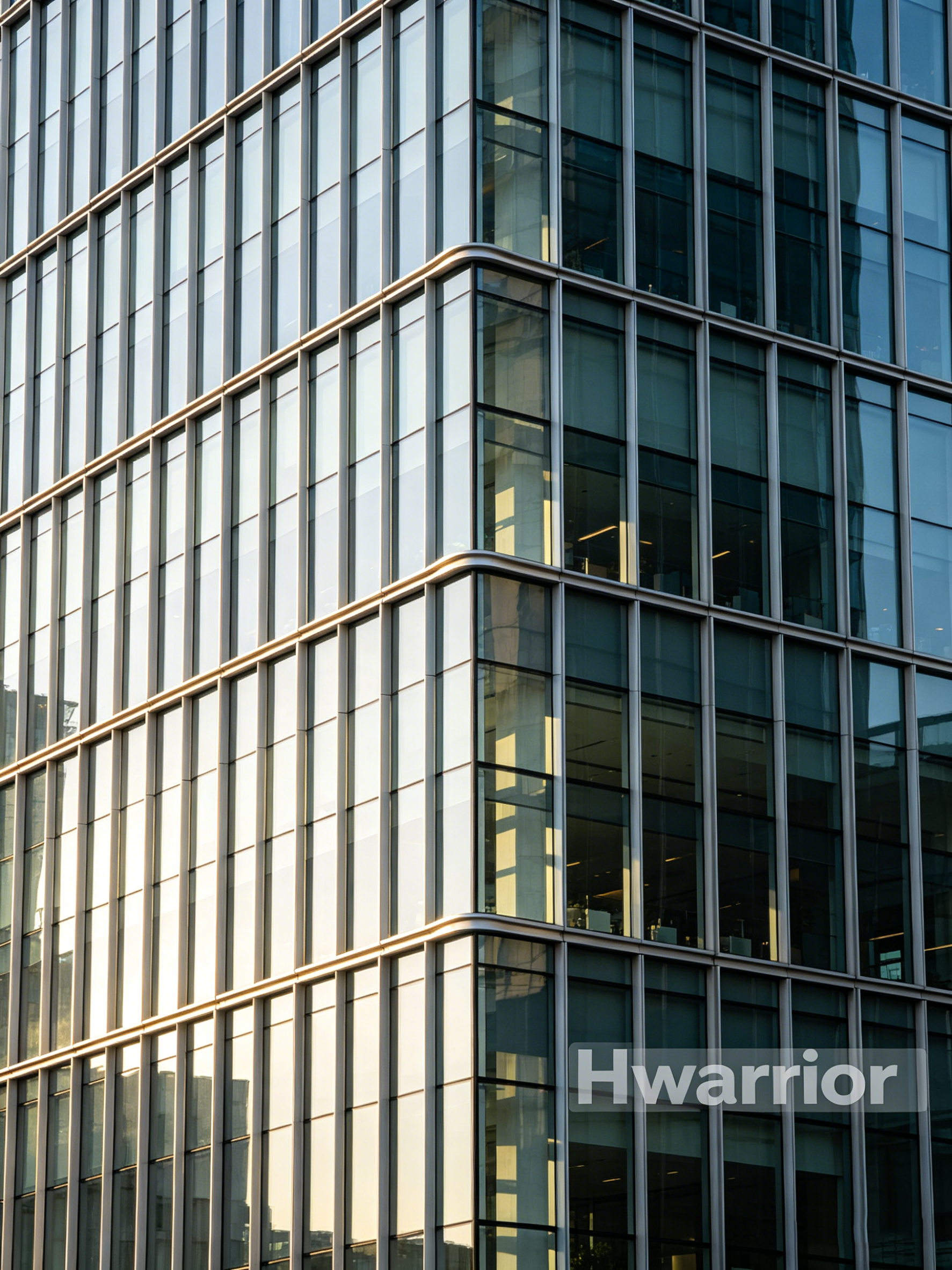
Blast resistance systems, engineered to EN13123-2, GSA TS01-2003, and ISO 16933-2007 standards, achieve protection levels up to EXR3 and GSA level 2. These assemblies withstand high-pressure waves and debris impacts, preventing glass shattering and structural failures in critical infrastructure installations.
Manufacturing Excellence Through Precision Engineering
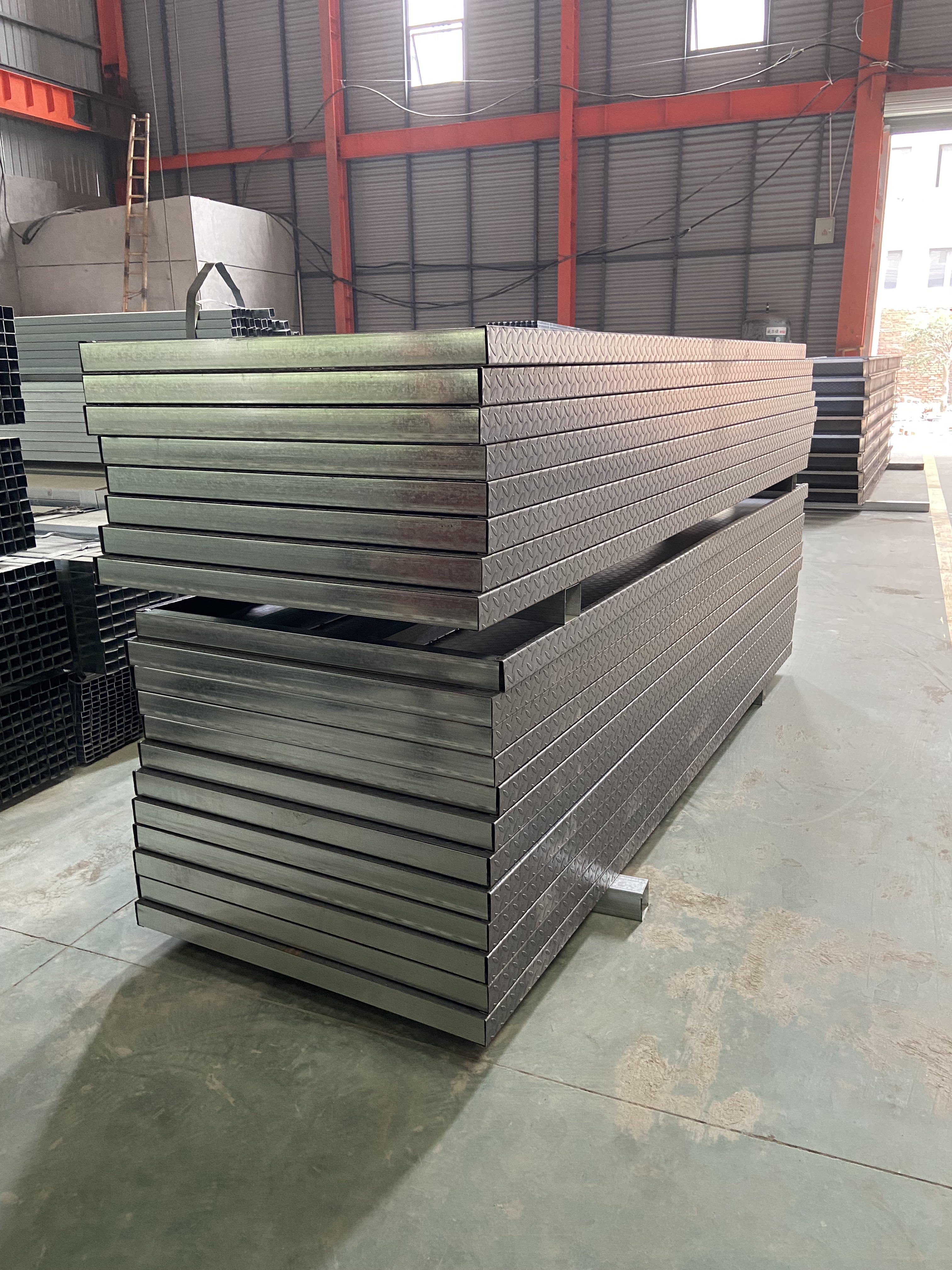
The technical performance of Hwarrior's systems derives from advanced manufacturing capabilities at its Zhaoqing facility. CNC precision machining enables high-accuracy fabrication of complex aluminum profiles and glass components with minimal tolerances. The company's unitized curtain wall technology—featuring factory-prefabricated modular panels—delivers a documented 40% reduction in onsite installation time compared to traditional stick-built systems. This approach transfers quality control to the controlled factory environment, enhancing air and water tightness performance while reducing weather-related installation delays.
Structural calculation capabilities allow professional engineering teams to customize designs based on site-specific wind loads and seismic requirements. Pressure-equalized rainscreen design principles address moisture management and air infiltration—common failure points in conventional systems—through advanced cavity ventilation and drainage detailing.
Validated Performance Across Continents
The company's global project portfolio demonstrates consistent execution across diverse building typologies and regulatory environments. At New Enga Provincial Hospital in Papua New Guinea, Hwarrior delivered 20,500m² of unitized glass curtain wall and window systems meeting AS4284 and AS2047 standards, providing structural integrity and weather resistance in tropical conditions while establishing a modern architectural identity for the provincial landmark.
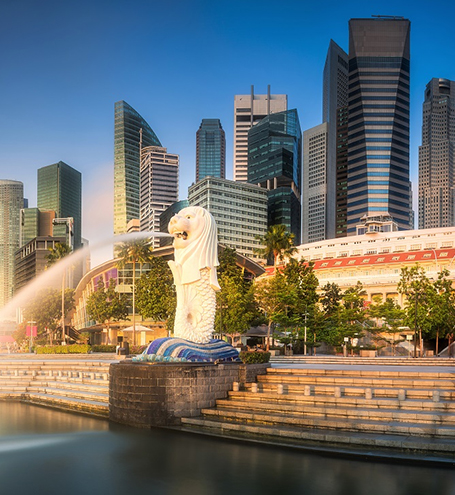
Commercial projects including Normanton Park, One Marina Gardens, and Chuan Park in Singapore integrated fire-rated systems with aluminum screen assemblies, addressing the city-state's strict SS212 and SS333 requirements for high-density urban construction. The 21-story China Industrial Bank headquarters in Guangzhou combined aluminum composite and glass curtain wall systems, delivering energy-efficient performance aligned with urban sustainability mandates while projecting institutional authority through refined aesthetic execution.
The Strategic Value of Integrated Service Delivery
For project stakeholders navigating international construction complexity, Hwarrior's one-stop service model offers tangible risk mitigation and efficiency gains. Single-source accountability eliminates coordination gaps between design consultants, testing laboratories, manufacturers, and installation contractors. Multi-standard compliance capabilities reduce engineering duplication when adapting designs across jurisdictions. Factory prefabrication accelerates construction schedules while improving quality consistency.
The company's R&D hubs in Guangzhou and Zhaoqing provide ongoing technical support throughout project lifecycles—from initial feasibility studies through post-occupancy maintenance planning. This continuity proves particularly valuable in complex assignments requiring security integration, fire engineering, or blast protection where performance validation demands close collaboration between design and execution teams.
Conclusion: Redefining Standards in Architectural Facades
As global construction projects grow in complexity and regulatory scrutiny intensifies, the architectural facade industry faces mounting pressure to deliver integrated solutions rather than component products. Hwarrior Curtain Wall Technology's comprehensive approach—combining multi-standard compliance, security-enhanced engineering, precision manufacturing, and unified project delivery—addresses the fundamental coordination challenges that have long fragmented the building envelope supply chain. For developers, architects, and contractors seeking reliable partners capable of executing sophisticated facade systems across international markets, this integrated service model represents a strategic evolution beyond traditional vendor relationships toward true collaborative engineering partnerships.
https://www.kforts.com/
KFORTS SECURITY TECHNOLOGY (GUANGDONG) CO,.LTD

+ There are no comments
Add yours