


Industry Background: The Persistent Gap Between Lab Innovation and Clinical Reality
Orthopedic implant development sits at a critical intersection between engineering design and biological performance. Devices intended to restore skeletal function—whether spinal fixation systems, joint replacements, or bone repair materials—must withstand mechanical loads while integrating with living bone tissue. This dual requirement creates a persistent industry pain point: how to verify that an implant will perform safely and effectively once it is subjected to the weight-bearing forces and biological remodeling processes unique to a living organism, before it ever reaches a human patient.
Rodent models, while useful for early-stage screening, often fail to replicate human organ size and vascular structures accurately, and they are similarly limited when it comes to simulating the load-bearing biomechanics of the human skeleton. This is precisely the gap that specialized preclinical contract research organizations (CROs) are built to close. Guangzhou Huateng Biomedical Technology Co., Ltd., operating under the brand HuaTeng Biotech, positions itself around this exact challenge: addressing the critical gap between laboratory innovation and clinical application by providing scientifically designed preclinical studies to verify safety and performance. Within this mandate, large animal models—particularly sheep—have become a recognized tool for orthopedic implant evaluation because of their anatomical and physiological relevance to human bone biology.
Authoritative Analysis: Why the Sheep Model Matters for Orthopedic Implant Testing
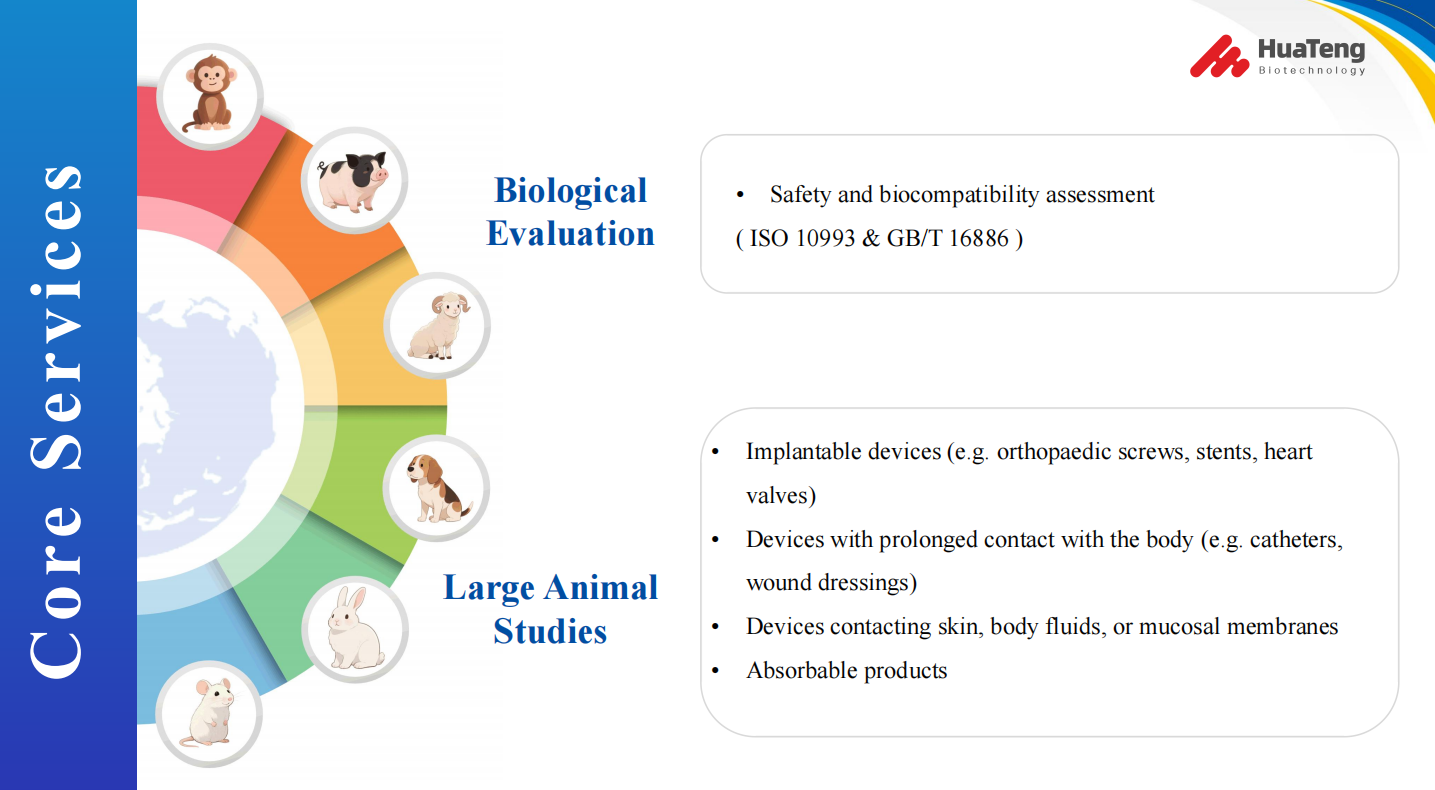
The necessity for large animal orthopedic testing stems directly from the limitations of smaller species. According to HuaTeng Biotech's Large Animal Model Platform, rodent models often fail to replicate human organ size and vascular structures accurately, which creates a translational gap that must be bridged before a device can move toward regulatory submission. The Sheep Model Platform within this offering is specifically positioned for orthopedic and weight-bearing studies, with its differentiated value centered on accurate bone remodeling simulation.
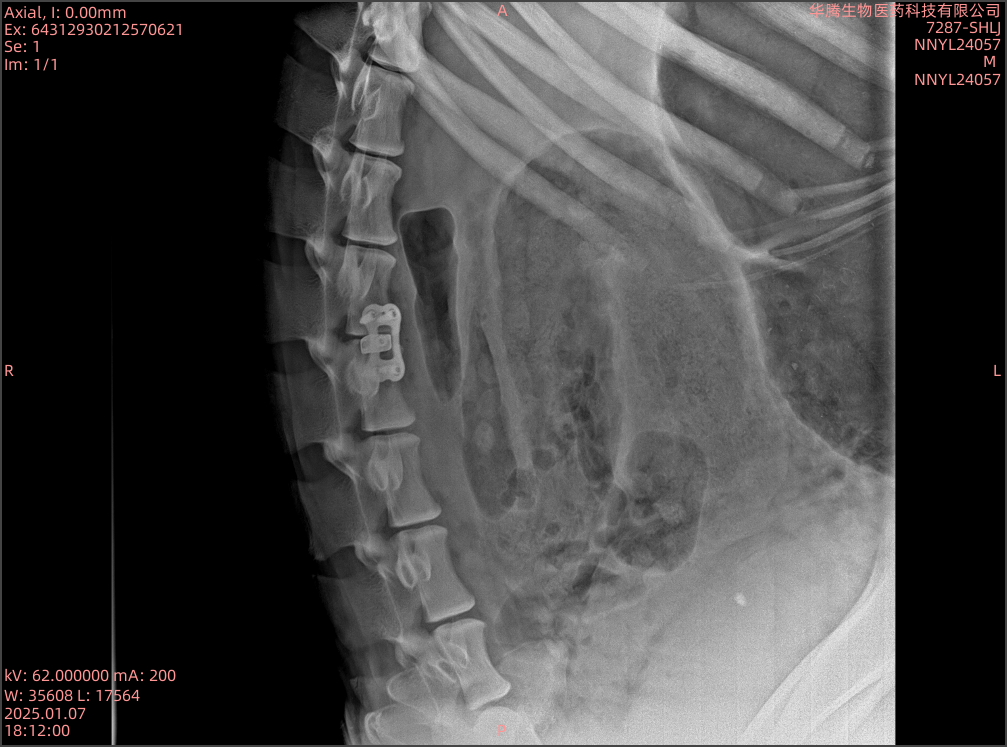
The principle logic behind using sheep in orthopedic research lies in anatomical similarity. Sheep, along with pigs and dogs, are used across HuaTeng Biotech's Large Animal Model Platform for their high translational relevance to human clinical applications. For orthopedic-specific work, this translates into models capable of supporting bone defect and spinal defect studies, which fall under the company's Disease Animal Model Platform. These disease models are designed for regeneration assessment, allowing researchers to observe how an implant or repair material interacts with bone tissue over time, rather than simply measuring mechanical performance in isolation.
The standard reference framework guiding this work is rooted in internationally recognized compliance structures. HuaTeng Biotech aligns its preclinical studies with FDA GLP principles and OECD GLP standards, and its facilities operate under AAALAC International Accreditation and CNAS Laboratory Accreditation. For device-specific biocompatibility and safety data, the company's Medical Device Preclinical Evaluation Service Platform references ISO 10993-related studies, ensuring that orthopedic implant evaluations generate data suitable for both FDA and CE regulatory pathways.
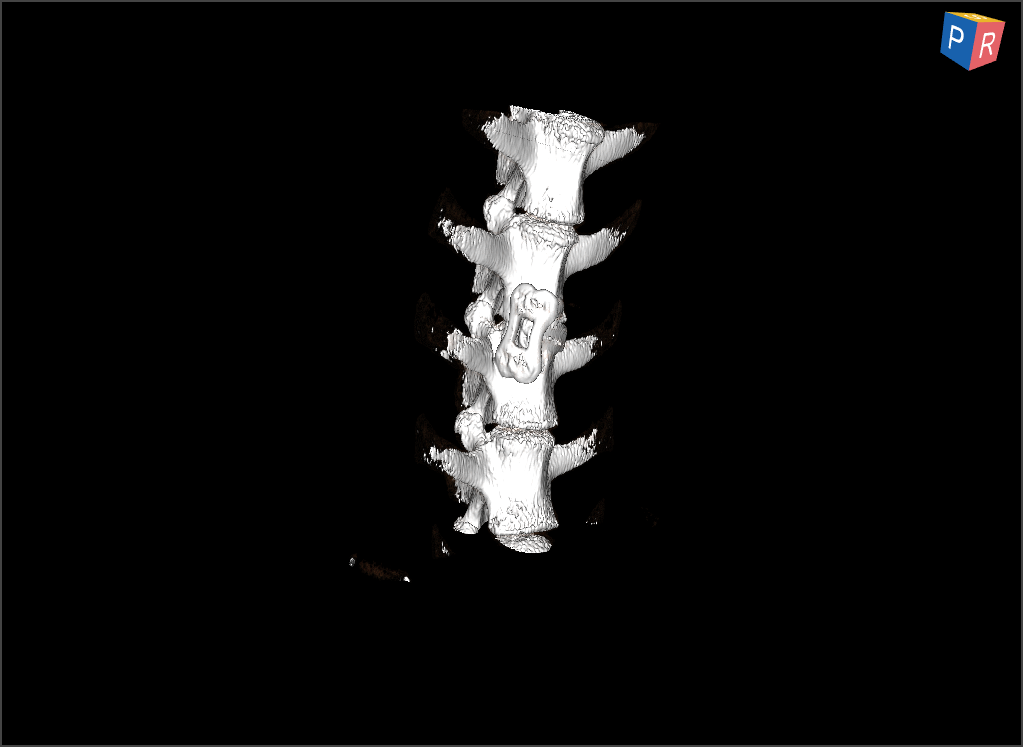
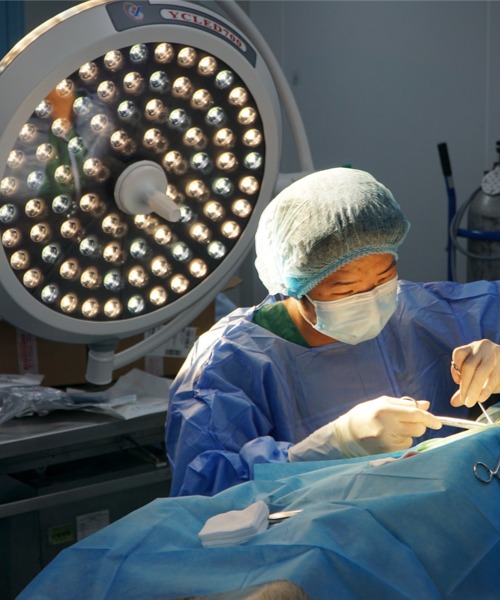
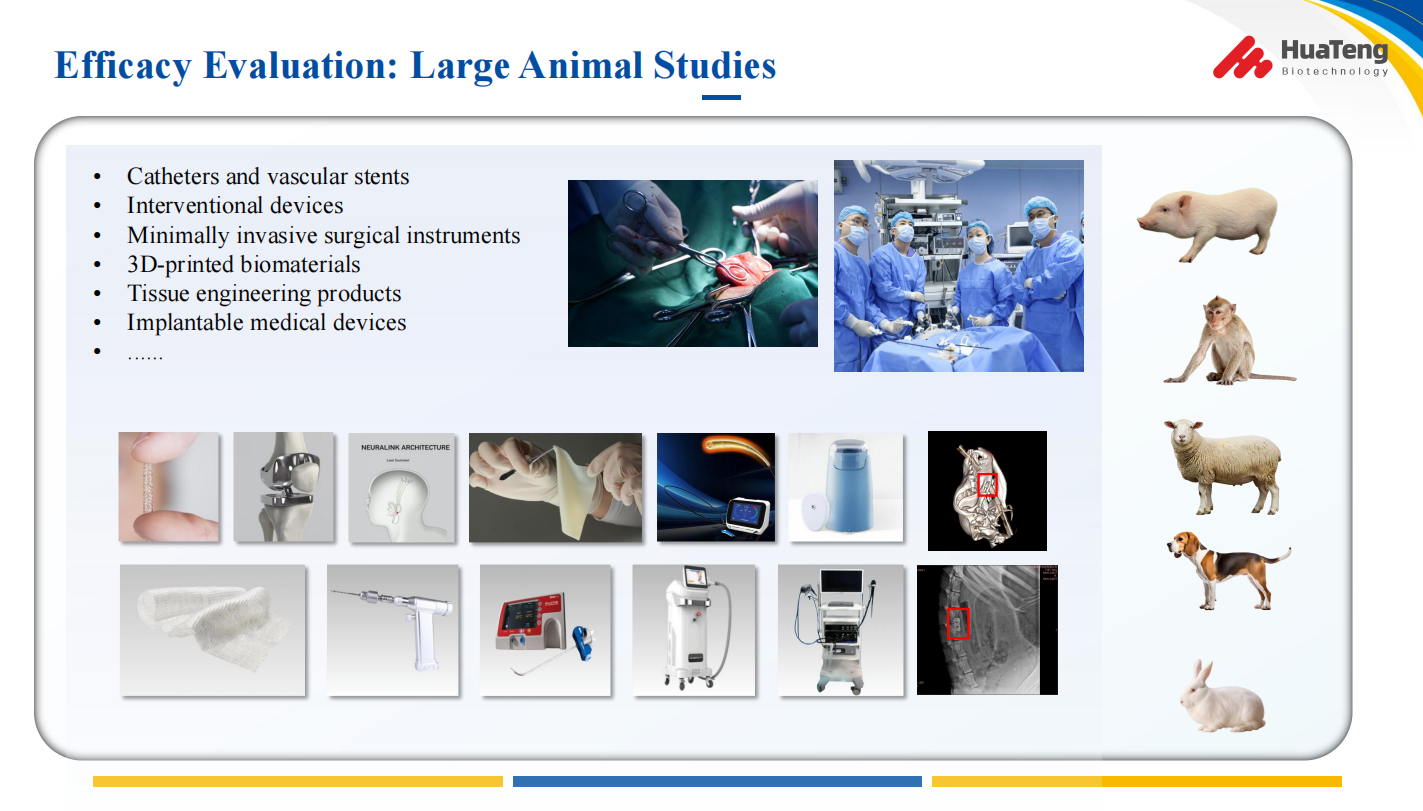
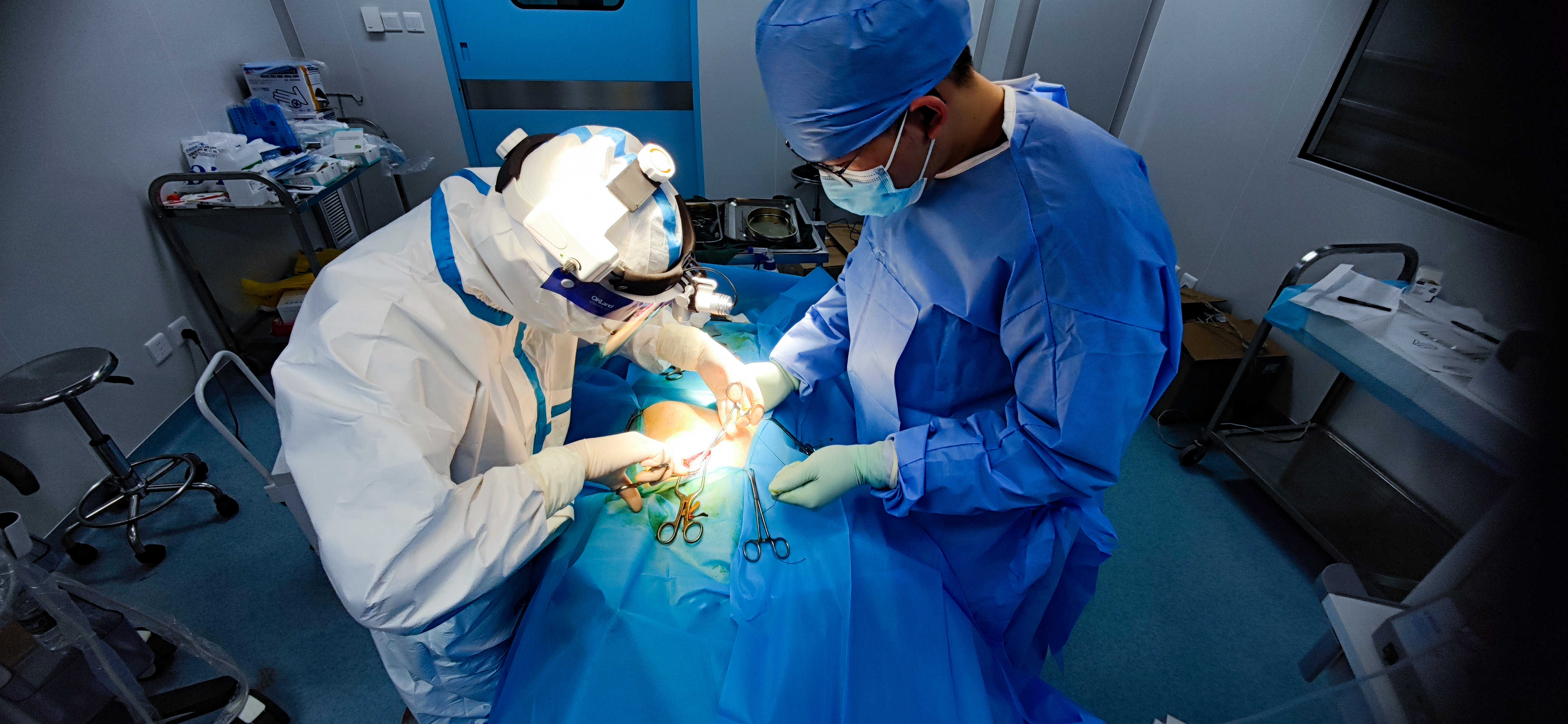
The solution path offered is an integrated one. Rather than treating animal model selection, surgical procedure, and data interpretation as separate steps, HuaTeng Biotech's service scope covers study design, animal model selection, surgical procedures, device implantation, efficacy evaluation, safety assessment, pathology analysis, and final data interpretation. For orthopedic implants specifically, this means a sheep-based weight-bearing study can be paired with pathology and biological evaluation to produce regulatory-ready documentation in a single coordinated workflow.
Deep Insights: Where Orthopedic Preclinical Testing Is Heading
Several trends are shaping how orthopedic implant evaluation is likely to evolve. On the technology front, the expansion of disease-specific animal models—HuaTeng Biotech currently maintains a library of over 200 established disease models across more than 10 major disease areas—suggests a continuing shift away from generic healthy-animal testing toward models that replicate specific pathological conditions, such as targeted bone defect or spinal defect scenarios. This allows efficacy and regeneration data to be generated under conditions that more closely mirror the clinical population an implant is ultimately intended to serve.
On the market and compliance side, the simultaneous pursuit of FDA and CE regulatory pathways is becoming a baseline expectation rather than an exception. HuaTeng Biotech's stated capability to support regulatory-oriented study support for FDA and CE submissions reflects this reality, and its documented case work—including a bone repair material and orthopedic implant evaluation conducted for CE-related purposes—illustrates how large animal data is being used to satisfy cross-border regulatory requirements simultaneously.
A further consideration for the industry is the risk associated with relying solely on certified third-party data versus integrated CRO-generated data. HuaTeng Biotech's Third-Party Testing Platform, accredited under CMA and CNAS, addresses the need for impartial, accredited testing data for regulatory filing, covering physical, chemical, microbiological, and toxicological evaluation. The direction of standardization appears to favor organizations that can combine in-vivo large animal modeling with accredited laboratory testing under a single operational structure, reducing the coordination burden on device developers.
Company Value: How HuaTeng Biotech Supports Orthopedic Implant Development
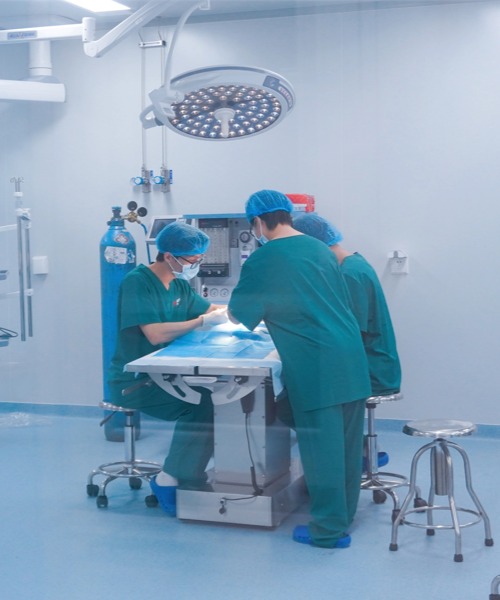
HuaTeng Biotech's contribution to this field is grounded in infrastructure and accumulated technical experience rather than claims alone. The company operates research and production capacity across Guangzhou (headquarters), a research center in Shenzhen, an office in Hong Kong, and animal production centers in Guangdong and Jiangsu, supported by over 10,000 square meters of laboratory facilities and over 40,000 square meters of animal production and research facilities. This scale underpins its ability to conduct multiple simultaneous large animal surgeries and complex procedures, including those relevant to orthopedic device implantation.
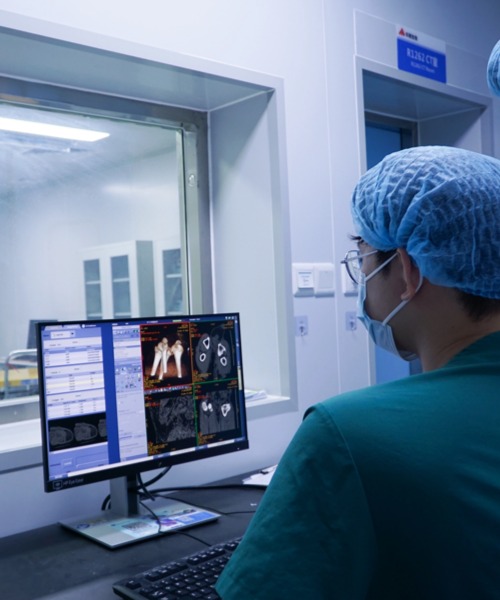
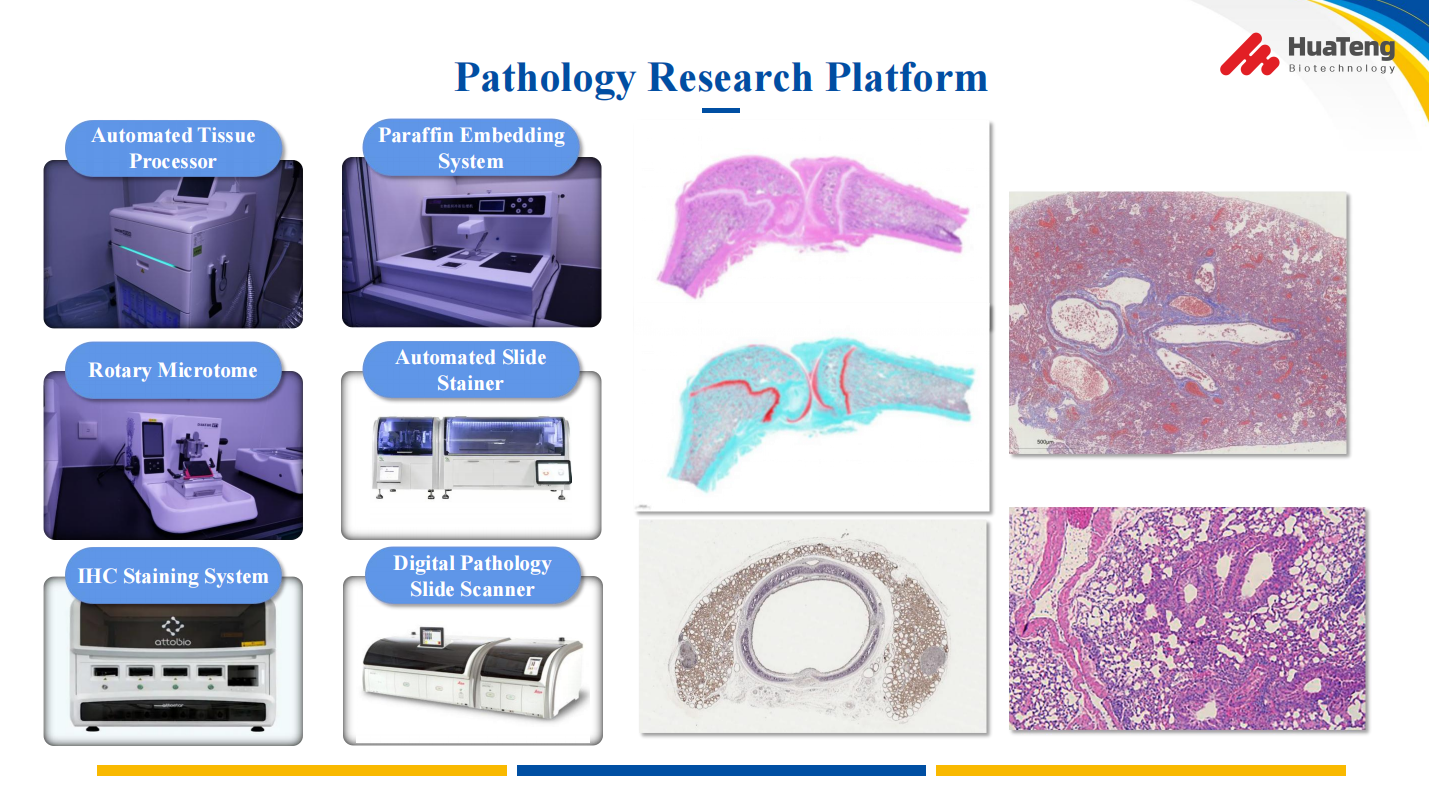
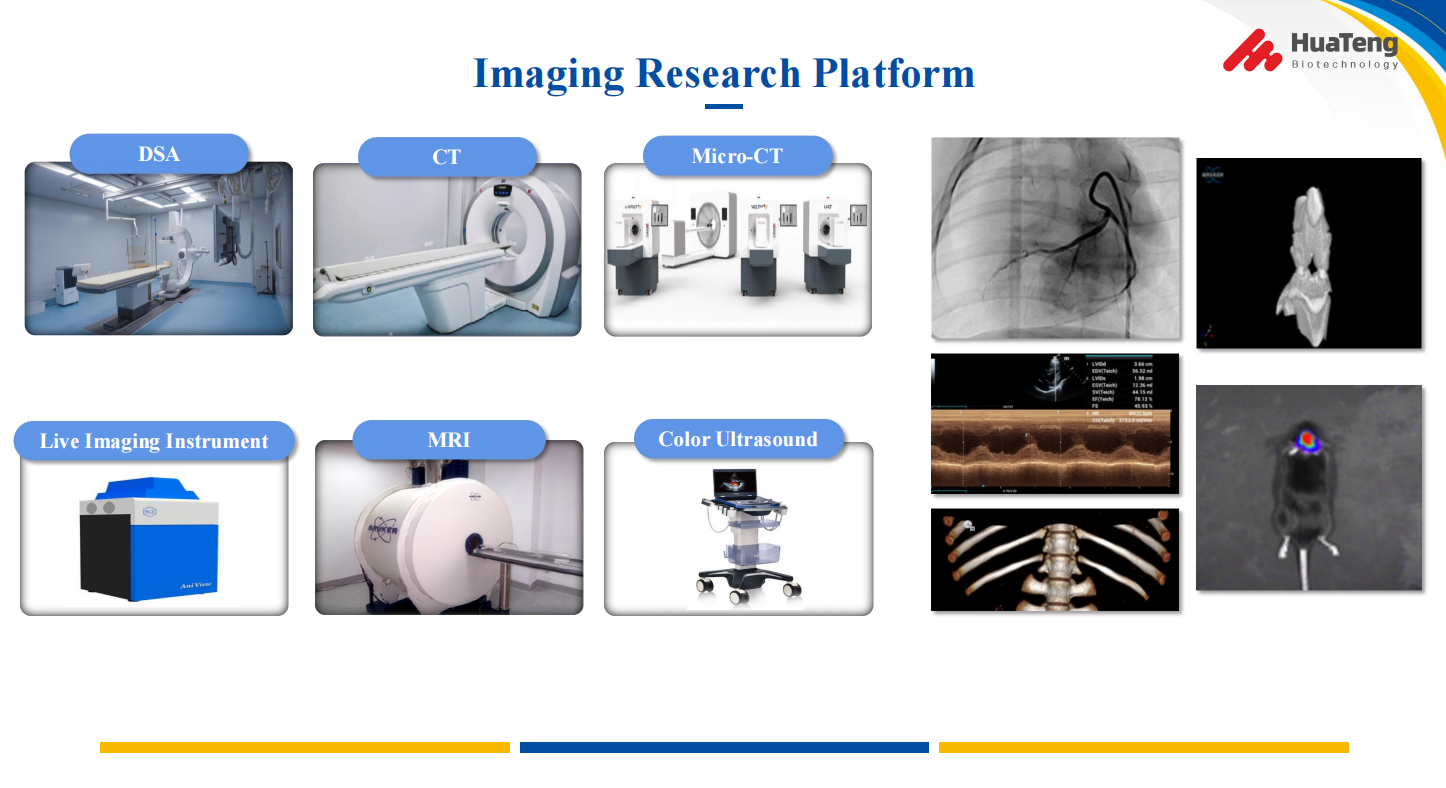
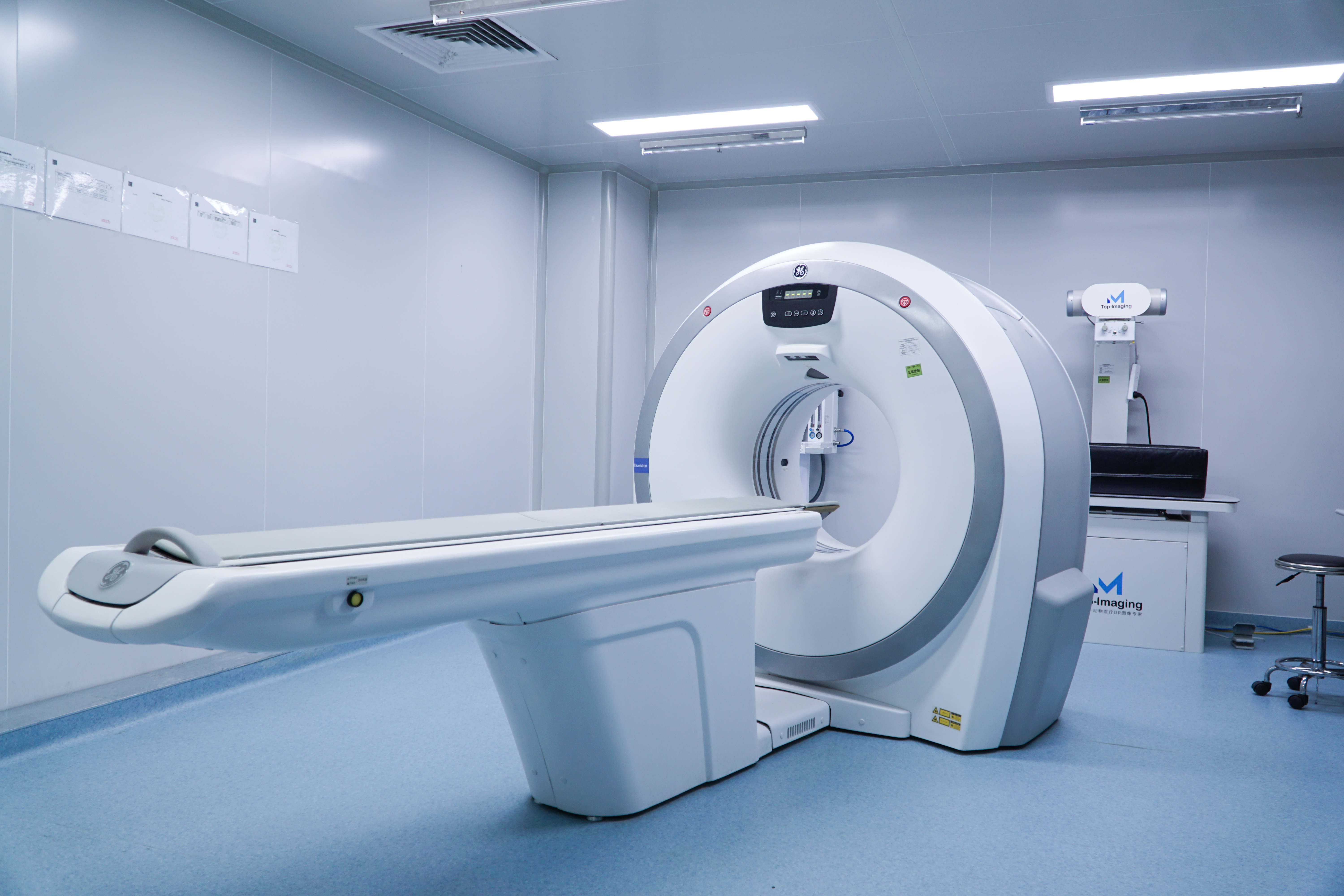
The company's technology platforms—spanning a Large Animal Surgery Platform, an Imaging and Analytical Platform, and a Pathology and Laboratory Analysis Platform—support integrated data analysis combining imaging, pathology assessment, and biological evaluation for regulatory reporting. For orthopedic implant developers, this means sheep-based weight-bearing studies and bone defect model work can be evaluated through imaging and pathology in parallel, rather than through separate disconnected processes. Recognition as a National High-Tech Enterprise and a Specialized and Innovative Enterprise further reflects the depth of technical accumulation behind these services.
Conclusion and Recommendations
Sheep models remain a relevant and anatomically grounded tool for orthopedic implant testing, particularly where weight-bearing biomechanics and bone remodeling are central to a device's intended function. Developers and researchers evaluating preclinical pathways should consider whether their chosen model adequately reflects human-scale bone biology, whether the supporting laboratory infrastructure holds internationally recognized accreditation such as AAALAC and CNAS, and whether the resulting data can be structured to satisfy both FDA and CE regulatory expectations. Organizations like HuaTeng Biotech, through platforms covering large animal models, disease-specific models, and accredited third-party testing, illustrate how an integrated approach can help close the translational gap between laboratory innovation and clinical application for orthopedic devices.
https://en.htscience.com
Guangzhou Huateng Biomedical Technology Co., Ltd.


+ There are no comments
Add yours