

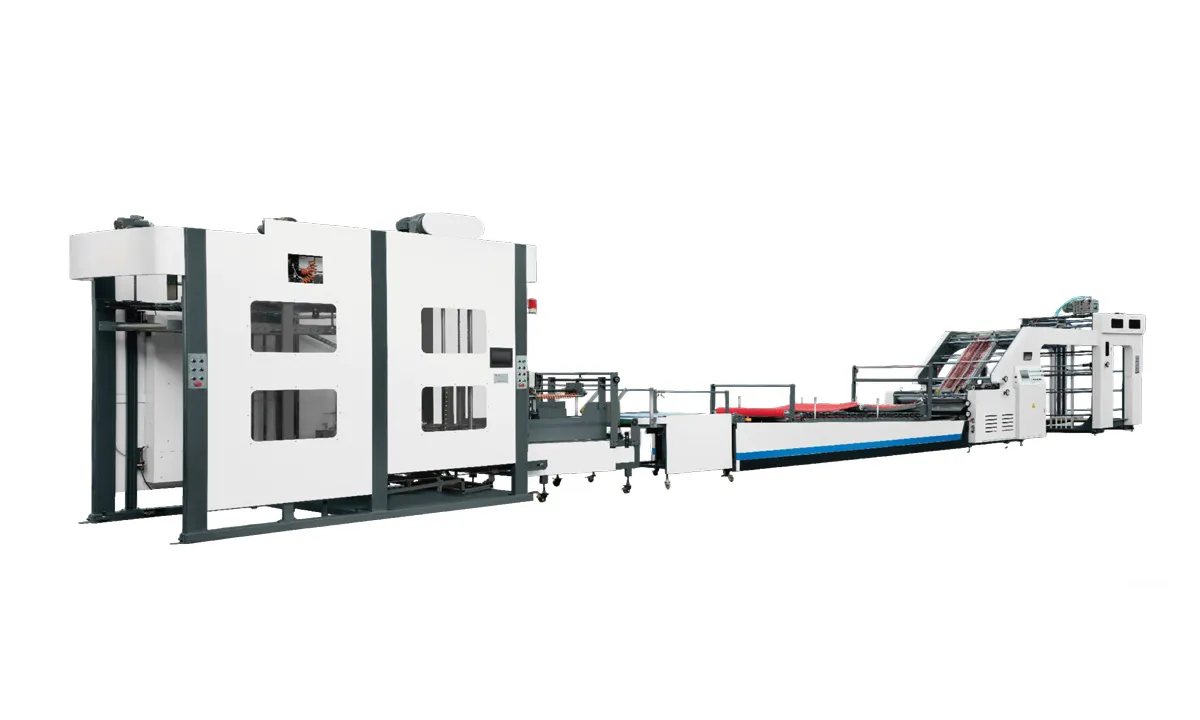
Glass processing requires a careful balance between material removal, dimensional control, edge quality, and production efficiency. Although glass is widely used in construction, automotive, photovoltaic, appliance, display, and electronic applications, its brittle nature makes precision machining more demanding than the processing of many conventional materials.
Among the abrasive materials used for glass grinding, diamond abrasives have an important role because of their exceptional hardness and cutting capability. When properly selected and incorporated into a grinding wheel, diamond can support controlled material removal while maintaining stable processing performance.
For manufacturers working with increasingly precise glass components, abrasive selection is therefore not simply a tooling decision. It can influence edge quality, wheel wear, processing consistency, and overall production performance.
Why Glass Requires Specialized Abrasive Processing
Glass has high hardness but relatively low fracture toughness. During grinding, the interaction between abrasive particles and the glass surface can produce either controlled material removal or unwanted fractures, depending on the grinding conditions.
Improper abrasive selection or unsuitable process parameters may contribute to chipping, micro-cracks, excessive surface damage, or inconsistent edges. These defects can become particularly important when the processed glass must meet strict dimensional or appearance requirements.
Precision glass processing therefore requires an abrasive system capable of removing material efficiently without creating unnecessary damage. The grinding wheel must also remain sufficiently stable during repeated processing.
This is where diamond becomes particularly valuable.
How Diamond Abrasives Work in Glass Grinding
Diamond abrasives serve as the cutting component of many grinding wheels used for hard and brittle materials. During grinding, exposed diamond particles interact with the glass surface and remove material through a combination of cutting, scratching, and controlled fracture mechanisms.
The performance of the abrasive depends on more than diamond hardness alone. Particle size, concentration, distribution, bond characteristics, wheel geometry, and operating parameters all affect how the abrasive interacts with the workpiece.
A suitable combination can provide a useful balance between cutting efficiency and edge quality. In contrast, an unsuitable combination may increase grinding force, accelerate wheel wear, or produce an undesirable surface condition.
For this reason, precision grinding should be treated as a complete process rather than a simple matter of selecting the hardest abrasive available.
Diamond Grit Size and Surface Quality
One of the most important characteristics of a diamond grinding wheel is diamond grit size. Grit size influences the aggressiveness of the grinding action and the resulting surface condition.
Coarser diamond grits generally provide greater material removal capability and are often considered when more substantial grinding is required. Finer grits can be appropriate when the process places greater emphasis on surface refinement and edge quality.
However, grit size should not be evaluated independently. The ideal specification depends on the glass thickness, amount of material to be removed, required finish, wheel bond, machine configuration, and grinding parameters.
In precision glass manufacturing, the objective is not necessarily to select the finest grit. Instead, the abrasive specification should provide the required balance between productivity and the quality of the processed edge.
The Importance of Wheel Bond
Diamond particles need a suitable bonding system to remain securely positioned within the grinding wheel while still allowing new abrasive edges to become available during operation.
Different bonding systems can produce different combinations of abrasive retention, self-sharpening behavior, wear characteristics, and dimensional stability. The selection therefore needs to correspond with the intended glass processing application.
A bond with excessive abrasive retention may not expose fresh cutting edges efficiently under certain conditions. On the other hand, excessive bond wear can shorten wheel life and alter the working profile too quickly.
For precision applications, shape retention is especially important. If the wheel profile changes significantly during processing, the geometry of the finished glass edge can also change. A well-matched bond helps maintain the intended relationship between abrasive wear and wheel performance.
Diamond Abrasives and Edge Quality
Edge quality is a major concern in precision glass processing. Cutting alone is not enough; the finished edge must meet the dimensional and appearance requirements of the application.
A properly specified diamond wheel can contribute to controlled edge processing by maintaining a stable abrasive surface and removing material in a predictable manner. This can be particularly valuable for applications involving repeated edge grinding.
At the same time, edge quality cannot be attributed to the abrasive alone. Grinding parameters, cooling conditions, machine rigidity, spindle accuracy, glass composition, and workpiece support can all influence the final result.
For example, excessive feed speed or grinding depth may increase mechanical and thermal loading. Insufficient cooling can also affect the grinding zone. Consequently, the best abrasive specification can still produce poor results if the surrounding process conditions are not properly controlled.
Diamond Abrasives in High-Volume Glass Manufacturing
Production efficiency becomes increasingly important as glass processing volumes increase. A grinding wheel used in continuous production must provide an appropriate combination of cutting performance, wear resistance, and dimensional stability.
The service life of a diamond wheel has a direct effect on production planning. Frequent wheel replacement creates machine downtime and requires additional tool handling. A wheel with suitable wear resistance can remain effective for a longer processing interval, potentially reducing replacement frequency.
This does not mean that maximum wheel life is always the primary objective. Excessive emphasis on durability can be counterproductive if the wheel no longer provides the required cutting characteristics or edge quality.
For high-volume applications, the more useful goal is a balanced wheel specification that maintains acceptable processing quality throughout its working life.
Applications Across Different Glass Industries
The role of diamond abrasives extends across several glass processing sectors, although the exact wheel requirements vary by application.
In photovoltaic glass processing, edge quality and production efficiency are important because large quantities of glass may pass through automated processing lines. Grinding wheels must accommodate the production process while maintaining consistent edge performance.
In automotive glass processing, curved or specially shaped components may require controlled edge grinding and profile processing. Wheel geometry and dimensional stability can therefore become important considerations.
For appliance glass, manufacturers may place greater emphasis on consistent edge appearance, dimensional accuracy, and reliable production performance.
These applications demonstrate why a single grinding wheel specification cannot necessarily meet every glass processing requirement. The abrasive system should be matched to the specific material, geometry, equipment, and production objective.
Selecting Diamond Abrasives for Precision Glass Processing
A practical selection process should begin with the actual machining requirement rather than focusing on one specification in isolation.
Key factors include:
-
Glass type and thickness
-
Required material removal
-
Edge geometry and dimensional tolerance
-
Desired surface and edge quality
-
Diamond grit size
-
Wheel bond
-
Machine configuration
-
Grinding speed and feed conditions
-
Expected production volume
The relationship between these factors is important. A change in glass thickness may require different grinding conditions, while a change in edge geometry may require a different wheel profile. Similarly, increasing production speed can alter the demands placed on the abrasive and bond.
Manufacturers should therefore evaluate grinding wheels under actual or representative production conditions whenever possible.
Diamond Abrasives as Part of a Complete Grinding System
The performance of diamond abrasives is ultimately determined by how effectively the abrasive, bond, wheel design, machine, and process parameters work together.
For precision glass processing, the goal is not simply high abrasive hardness. The grinding system must provide controlled material removal, appropriate wheel wear, stable geometry, and the required finished edge quality.
This broader perspective also helps explain why grinding wheel specifications differ between photovoltaic, automotive, appliance, and other glass applications. Each process places different demands on the abrasive tool.
Diamond Abrasives Support More Controlled Glass Processing
Diamond abrasives provide a combination of hardness, cutting capability, and wear resistance that makes them well suited to demanding glass grinding applications. Their effectiveness, however, depends on proper grit selection, bond design, wheel geometry, and process control.
For manufacturers seeking greater consistency in precision glass processing, abrasive selection should be based on the complete production requirement rather than a single performance characteristic. A properly matched diamond grinding wheel can contribute to stable edge quality, efficient material removal, and predictable tool performance across repeated processing cycles.
https://www.meijiediamond.com/
meijie


+ There are no comments
Add yours