


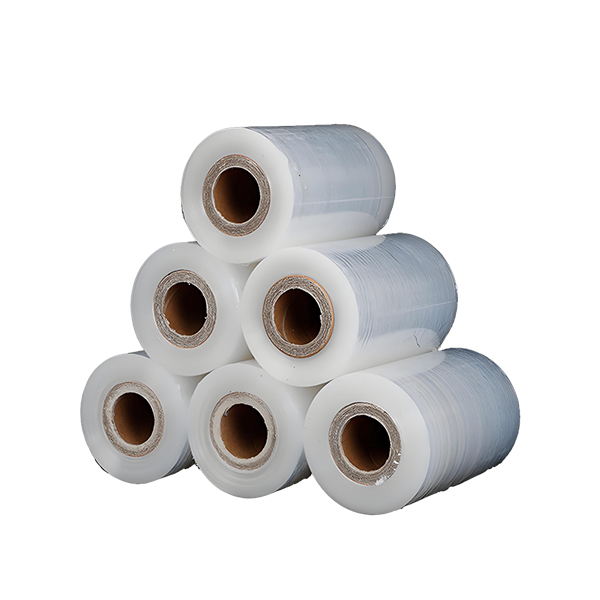
Stretch film plays a quiet but critical role in modern logistics. Whether goods are moving across borders or stored for weeks in a warehouse, the right stretch film practices help keep products stable, clean, and protected. For companies like Xiangrun, whose customers mainly focus on stretch film products, understanding how stretch film performs in real shipping and storage environments is far more important than knowing basic specifications.
Why Stretch Film Matters in Daily Operations
Stretch film is not just about wrapping pallets. Its real value lies in load containment, protection from dust and moisture, and stability during handling. When stretch film is applied correctly, it reduces shifting during transport, minimizes product loss, and improves safety for workers handling pallets.
Poor stretch film practices, on the other hand, often lead to collapsed loads, torn packaging, and unnecessary rework. These problems usually stem from improper film selection or inconsistent wrapping methods rather than the film itself.
Choosing the Right Stretch Film for the Job
The first step in effective stretch film packaging is selecting a film that matches the application.
Key considerations include:
Load weight and shape: Irregular or heavy loads need higher holding force and better puncture resistance.
Storage conditions: Long-term storage or outdoor exposure may require stronger cling and resistance to temperature changes.
Industry requirements: Food, pharmaceutical, and chemical products often require films that meet specific safety and hygiene standards.
Best Practices for Manual Stretch Wrapping
Manual wrapping is still widely used, especially in smaller warehouses or for irregular loads. However, technique matters.
Start with a Stable Base
Always anchor the film securely to the pallet base. Wrapping the bottom two to three layers around the pallet deck helps lock the load in place and prevents sliding during forklift movement.
Maintain Consistent Tension
Uneven tension is one of the most common issues in manual wrapping. Too loose, and the load shifts. Too tight, and cartons may crush or deform. Operators should aim for steady, controlled tension throughout the wrap.
Overlap for Strength
Each wrap layer should overlap the previous one by about 50 percent. This creates uniform containment force and reduces weak points in the film structure.
Best Practices for Stretch Film in Storage
Stretch film also plays a key role in storage, especially for goods held for extended periods.
Protect Against Dust and Moisture
A fully sealed wrap helps keep products clean in warehouse environments where dust accumulation is common.
Consider Film Cling and Memory
Good cling keeps the film tight over time, while film memory allows it to maintain tension even as loads settle.
Monitor Stored Pallets
Long-term storage pallets should be inspected periodically. Film that loosens or tears over time should be reinforced to maintain load stability.
Machine Wrapping: Consistency and Efficiency
For higher-volume operations, machine wrapping offers better consistency and load stability.
Key machine-wrapping best practices include:
Correct pre-stretch settings: Proper pre-stretch maximizes film efficiency and improves load containment without excessive material use.
Tailored wrap programs: Different loads require different wrap patterns. A uniform setting for all pallets often leads to under- or over-wrapping.
Regular equipment checks: Worn rollers or incorrect tension settings can damage film and reduce performance.
Machine wrapping is not just about speed. It ensures repeatable results, which is especially valuable when shipping standardized goods.
Stretch Film Techniques for Safe Shipping
Shipping environments expose pallets to vibration, stacking pressure, and sudden movement. Stretch film must perform under these conditions.
Reinforce Stress Points
Corners and edges are more likely to experience film failure. Applying extra wraps around these areas improves puncture resistance.
Wrap from Bottom to Top and Back
Wrapping upward stabilizes the load, while wrapping back down adds vertical strength. This “up-and-down” method is widely used in professional logistics operations.
Avoid Overwrapping
More film does not always mean better protection. Overwrapping increases material use and can make pallets difficult to handle or recycle.
Hygiene and Compliance in Sensitive Industries
For food and beverage storage, stretch film must meet additional standards. Food-grade stretch film is designed to minimize contamination risks and comply with material safety regulations.
Best practices include:
Storing stretch film rolls in clean, dry areas
Avoiding contact with dirty floors or equipment
Using dedicated film types for food-related pallets
Using certified materials, such as those designed specifically for food-grade applications, helps businesses maintain compliance and customer trust.
Common Mistakes to Avoid
Even experienced operators sometimes fall into bad habits:
Using one film type for all loads
Ignoring load weight when setting tension
Wrapping pallets inconsistently between shifts
Failing to train staff on proper wrapping techniques
Addressing these issues usually leads to immediate improvements in load stability and material efficiency.
Supporting Stretch Film Performance Through Training
Stretch film performs best when people understand how to use it. Simple training on wrapping techniques, tension control, and load assessment can significantly reduce damage rates.
For Xiangrun’s customers, investing in correct stretch film usage often delivers better results than simply switching materials.
Conclusion
Stretch film packaging is a practical tool that directly impacts shipping safety and storage efficiency. When the right film is combined with correct wrapping techniques, businesses can protect products, reduce waste, and improve overall logistics performance.
By focusing on real-world best practices—proper film selection, consistent application, and attention to storage conditions—companies can get reliable performance from stretch film across a wide range of industries. For applications involving hygiene and compliance, food-grade stretch film solutions provide an added layer of confidence and protection.
www.ntxrbz.com
Xiangrun




+ There are no comments
Add yours