

As energy codes tighten and climate conditions grow more demanding across every continent, thermal break window systems have moved from a premium option to a baseline expectation on high-performance building projects. Architects, developers, and general contractors increasingly need a single, accountable partner who can manage the full scope — from thermal engineering and code compliance to factory fabrication and on-site delivery. Understanding what that one-stop model actually delivers, and why it matters, is essential for any professional specifying building envelopes in today's global market.
What a Thermal Break Window System Actually Does
A thermal break is a low-conductivity barrier inserted between the inner and outer aluminum profiles of a window or curtain wall frame. Aluminum is an outstanding structural material, but its high thermal conductivity creates a direct pathway for heat loss in cold climates and heat gain in warm ones. By interrupting that conduction bridge with an engineered insulating element, thermal break systems dramatically reduce the overall thermal transmittance — commonly expressed as the U-value or U-factor — of the facade assembly.
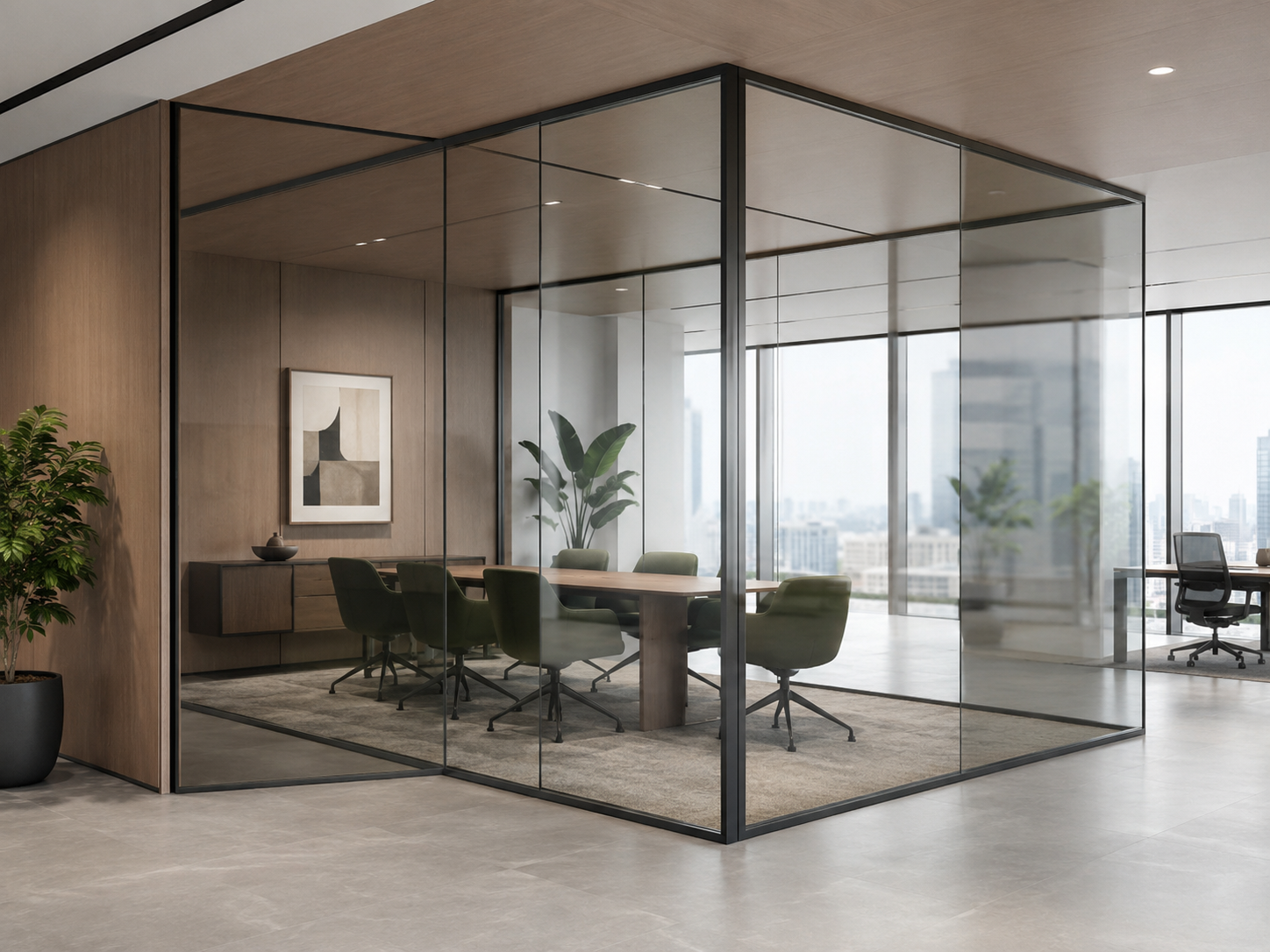
The practical outcomes are significant. Lower U-values reduce the load on heating, ventilation, and air-conditioning systems, cutting long-term operating costs. Condensation risk on interior frame surfaces is also reduced, which protects occupant comfort and building durability. For projects pursuing green building certification or mandatory energy compliance, thermal break windows are typically non-negotiable.
Why Regional Standards Create Complexity
The challenge facing procurement and design teams is not finding a thermal break window — it is finding one that is correctly engineered, tested, and certified for the specific market where the building sits. Global performance thresholds differ meaningfully:
Under EN (European Norms), the thermal transmittance requirement for glass curtain wall systems is U ≤ 1.8 W/(m²·K), tested in accordance with EN 14351-1:2006. Air tightness must achieve 0.5–1.0 m³/m·h and water tightness 1,000–1,500 Pa under EN 12210:2001.
The Australian Standards regime (AS 2047 and AS/NZS 4859) sets a threshold of U ≤ 2.6 W/(m²·K), with air tightness at 2.5 m³/m·h and water tightness at 700–1,000 Pa. Wind load performance must reach Class N4 per AS 4040.
Middle East projects governed by the Gulf region's General Code for Building Doors and Windows and regional energy conservation requirements call for U ≤ 2.1 W/(m²·K), water tightness at E1200 Pa per EN 12208, and wind load resistance of 1,800–3,000 Pa to meet coastal wind pressure codes.
Singapore Standards (SS 212 / SS 333) require U ≤ 2.6 W/(m²·K) under the Singapore Green Building Code, with sound insulation rated at Rw ≥ 38 dB per SS 212 and water tightness rated E1000 / E1500.
The UL framework (ASTM E283, ASTM E330, ASTM E331, NFRC / UL) targets a U-Factor of 0.31–0.40, air tightness of AL ≤ 0.5 cfm/ft², and water tightness at ΔP = 350–700 Pa.
Under GB (Chinese National Standards, GB/T31433-2015), the K-value must be ≤ 2.0 W/(m²·K), with Grade 4 ratings for air tightness, water tightness at 2,000 Pa, and wind load resistance at 2,500 Pa (Grade 3).
The BS EN framework mirrors EN closely, targeting Uw ≤ 1.8 W/(m²·K) per BS EN 10077, air tightness of 0.5–1.0 m³/m·h per BS EN 12207, water tightness of 1,000–1,500 Pa per BS EN 12208, and wind load Class B4 per BS EN 12210.
Each regime demands its own test documentation, certification body, and sometimes its own profile geometry. A supplier certified only to one standard family cannot legally or technically supply a compliant product to a different market without separate validation. This is precisely why a genuinely one-stop provider — one that maintains certifications across EN, AS, UL, SS, SASO, GB, and BS simultaneously — creates substantial value for international developers and contractors.
The One-Stop Model: What It Must Include
A credible one-stop solution for thermal break window systems covers six distinct service layers:
1. Preliminary Technical Consultation & Budgeting
Early-stage feasibility requires matching the product's thermal and structural specification to the project's code environment, climate zone, and architectural intent. This demands engineers fluent in multiple national standards — not just a sales catalog.
2. Structural Engineering & Code-Compliant Calculations
Every facade system must be validated through project-specific structural analysis, including wind load simulation, seismic resistance verification, and deflection control. These calculations must be tailored to local building codes and regional environmental conditions, referencing the applicable standard family for that country.
3. Precision Manufacturing
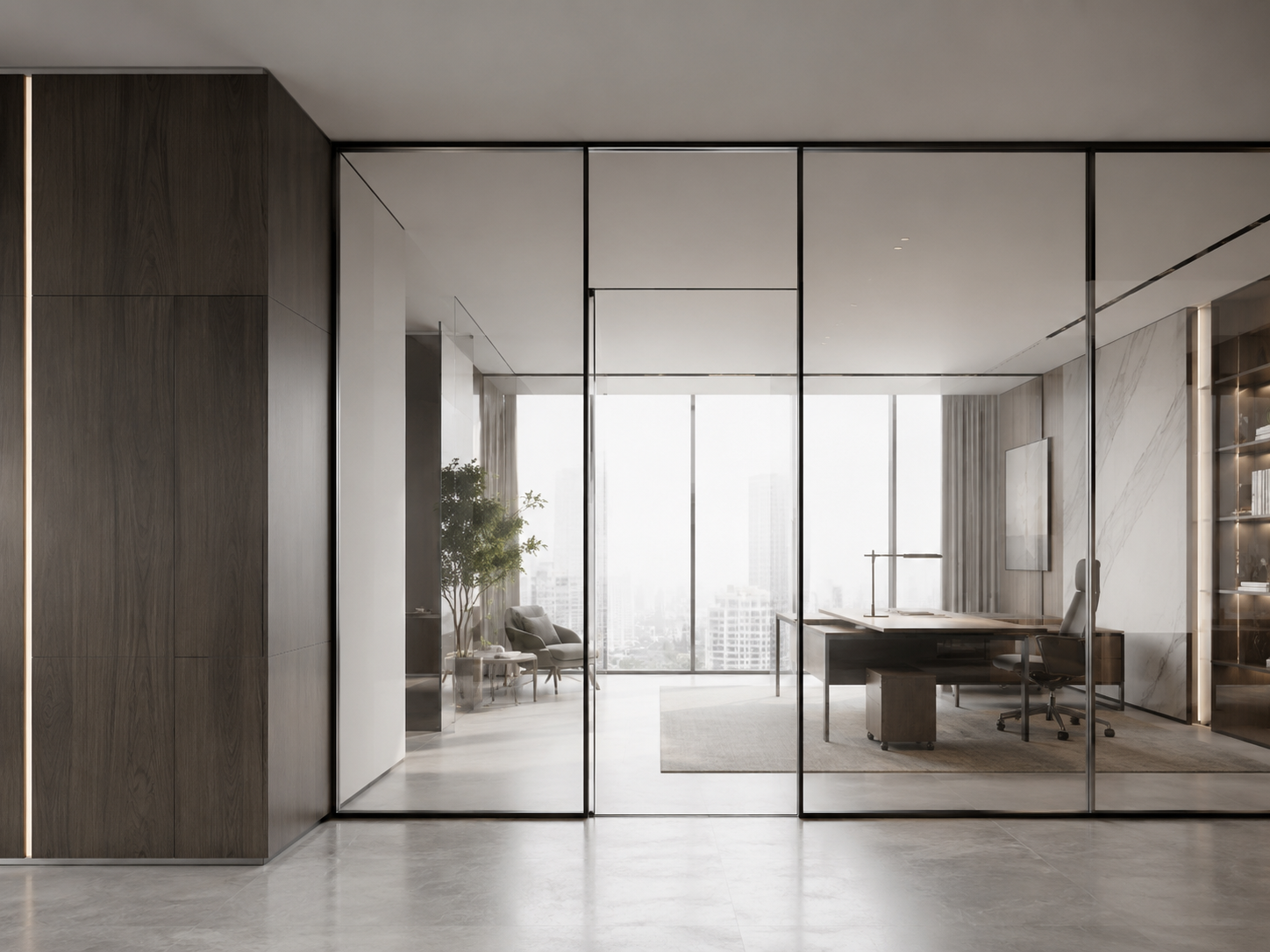
High-Performance Thermal Break Technology effectively reduces building energy consumption and lowers HVAC operating costs, but only when the thermal break element is manufactured and assembled within tight tolerances. Advanced multi-axis CNC machining enables micron-level precision in manufacturing complex aluminum extrusions and customized glass assemblies, ensuring seamless fit, structural integrity, and architectural accuracy across all frame geometries.
4. Performance Testing & Certification
Test reports — not just declarations — are required by most specifying bodies. Maintaining TÜV test reports and certifications, CE certification, AS 4284, AS 2047, UL, SS 332, SASO, and UAE National Standards (UNS) compliance simultaneously requires sustained investment in laboratory partnerships and certification maintenance.
5. Supply & Logistics
Global project timelines are sensitive to supply disruptions. A manufacturing base with smart manufacturing and automated production line capabilities, combined with real-time quality monitoring and digital traceability systems, reduces lead times and ensures consistent quality from raw material to finished product.
6. On-Site Support & After-Sales Maintenance
Window and curtain wall performance claims are only realized when installation is correctly executed. End-to-end project support, from on-site technical guidance through to post-handover maintenance, closes the gap between tested laboratory performance and actual building performance.
Hwarrior: A Certified One-Stop Facade Provider
Hwarrior Curtain Wall Technology (Guangdong) Co., Ltd. exemplifies the integrated model described above. With an R&D and manufacturing base in Zhaoqing High-Tech Zone and a China Marketing Center in Guangzhou, Hwarrior provides end-to-end technical consulting and digital solutions covering the entire project lifecycle — from preliminary concept, design, and budgeting, to precision processing, on-site installation, and after-sales maintenance.
The company's product portfolio spans certified curtain wall systems, aluminum windows and doors, security glazing systems, sunshade systems, and intelligent building networking solutions — all engineered and tested to comply with EN, UL, AS, SASO, GB, and other regional standards. Hwarrior's certification portfolio includes CE, TÜV test reports, AS 4284, AS 2047, UL, SS 332, EN Series Standards, SASO, and UAE National Standards, alongside a National Qualification for Curtain Wall and Decoration Engineering.
Hwarrior's Unitized Curtain Wall Technology brings the one-stop approach into practical deployment. Factory-prefabricated modular panel systems are fully assembled and tested under controlled conditions for rapid, high-efficiency on-site installation, minimizing weather exposure, reducing construction timelines, and ensuring consistent quality across complex, high-rise developments. The integration of High-Performance Thermal Break Technology within these systems effectively reduces building energy consumption and lowers HVAC operating costs — directly addressing the core performance requirement that drives demand for thermal break specifications globally.
The Pressure-Equalized Rain Screen System complements thermal performance with exceptional water-tightness and air-tightness, ideal for coastal, high-wind, and humid climates — the same environments where thermal performance is most critically tested.
Real-world delivery validates the model. At the New Enga Provincial Hospital in Papua New Guinea, Hwarrior supplied 20,500 m² of unitized glass curtain wall and window systems, fully certified to AS 4284 and AS 2047, delivering exceptional structural integrity and weather resistance in tropical climate conditions. At CMT Plaza in Mauritius, point-supported glass curtain wall and aluminum composite systems achieved maximum transparency with long-term durability. Industrial Bank of China's 21-story Guangzhou headquarters was fitted with a high-performance aluminum composite and glass curtain wall system meeting urban green building requirements.
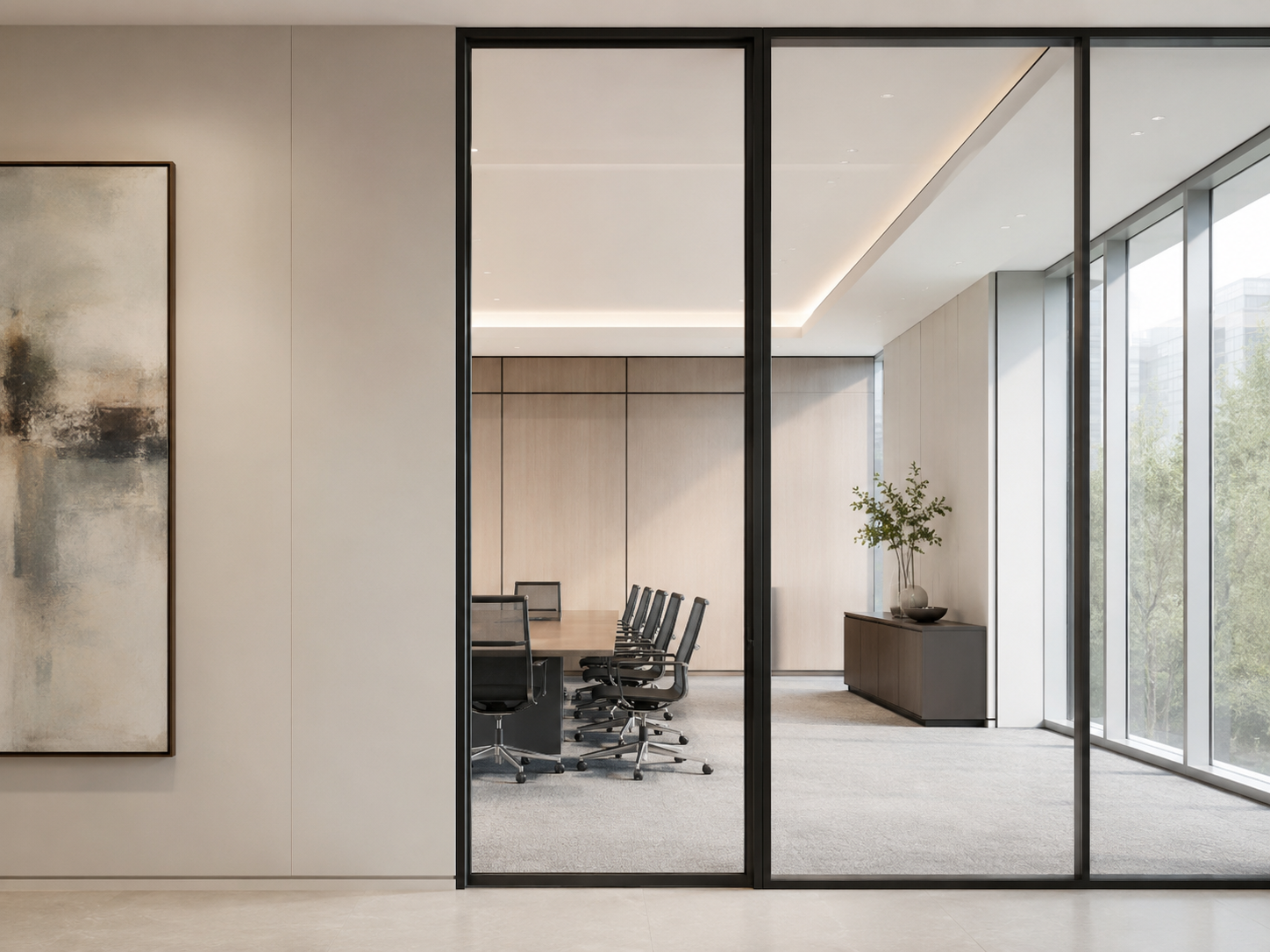
With over 20 years of expertise in building exterior facade systems and a global footprint spanning Europe, Australia, Asia, South America, Africa, and other high-end markets worldwide, Hwarrior has established a documented track record of delivering compliant, high-performance thermal break window and facade solutions across diverse regulatory environments.
Evaluating a One-Stop Partner: Key Criteria
For procurement professionals and specifying architects, assessing a one-stop thermal break window provider should focus on five criteria:
Multi-standard certification depth: Does the supplier hold current, audited certifications across the specific standards applicable to your project's jurisdiction — not just one regional family?
In-house structural engineering: Can the supplier produce project-specific calculations with full code reference, or is engineering outsourced and difficult to coordinate with fabrication?
Manufacturing traceability: Does the production facility operate under a recognized quality management system with digital traceability from raw material to finished component?
Proven cross-climate delivery: Does the supplier's project history demonstrate successful delivery in climates comparable to your site — tropical, coastal, arid, high-altitude, or cold continental?
Full lifecycle support: Does the engagement model extend through installation supervision and post-handover maintenance, or does support terminate at product shipment?
The growth of global real estate development and the simultaneous tightening of energy codes across jurisdictions mean that the fragmented, multi-vendor approach to facade procurement is becoming increasingly untenable. For high-end landmark buildings, super high-rises, government and secure infrastructure, and luxury developments, a single certified partner who owns every stage of the thermal break window system lifecycle — from code interpretation to after-sales service — represents the most reliable path to performance, compliance, and schedule certainty.
https://www.hwarrior.com/
HWARRIOR PTE LTD (SINGAPORE)


+ There are no comments
Add yours