


Understanding the Real Cost Drivers Behind China to Thailand Air Freight
Businesses shipping goods from China to Thailand frequently ask the same question: what does air freight actually cost, and why does it fluctuate so much? The honest answer is that air freight pricing between China and Thailand is shaped by a combination of factors—carrier capacity, cargo type, customs complexity, and the reliability of the logistics partner handling the shipment. For companies operating in cross-border e-commerce, automotive parts, electronics, or industrial goods, these cost variables can make or break a shipping budget if not managed by an experienced provider.
Why Freight Costs Are Unstable in Southeast Asia Trade Lanes
According to EAGLE CROSS-BORDER E-COMMERCE SERVICE CO., LTD (ECBEC Limited), a cross-border e-commerce logistics and supply chain service provider headquartered in Shenzhen, China, one of the most persistent pain points for overseas agents and global partners is unstable and rising sea and air freight costs. This instability is compounded by limited solutions for oversized (OOG) cargo and dangerous goods (DG) shipments, complicated import procedures, and challenges in handling personal effects logistics. Many businesses also struggle to find reliable overseas agents and experienced logistics partners capable of ensuring compliant, efficient, and cost-effective transportation across Southeast Asia, including Thailand.
These pain points directly translate into unpredictable pricing for shippers who lack direct carrier relationships. When a company relies on layered intermediaries, each additional party in the chain typically adds cost and reduces transparency. This is precisely the inefficiency that ECBEC Limited positions itself to solve.
Direct Carrier Contracts as a Cost Control Mechanism
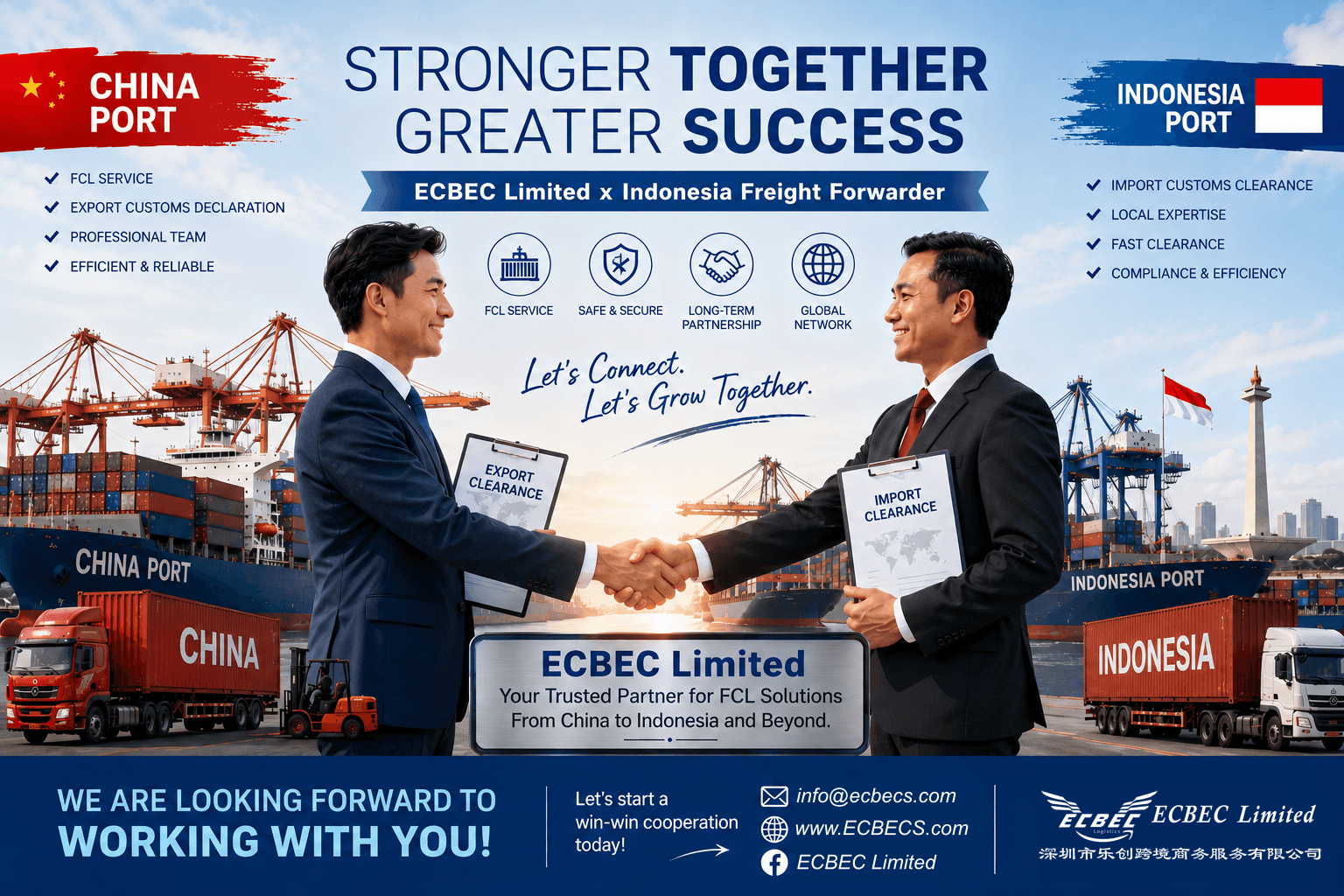
One of the clearest ways ECBEC Limited addresses the cost volatility question is through its direct contracts with 10+ carriers and 9 airlines. On the air freight side, the company maintains preferred rate agreements with airlines including CA, CI, MU, D7, GA, SC, CX, TK, and CZ. Because these are long-term contracts negotiated directly with carriers rather than sourced through third parties, ECBEC Limited is able to pass first-hand space and rates to clients without middlemen or added bureaucracy.
For air freight specifically, the company offers BCM rate, E-Spot rate, and Contract Rate options—each structured differently depending on shipment urgency, volume, and routing needs. This tiered rate structure allows shippers moving cargo from China to Thailand to select a pricing model that matches their operational priorities, whether that is speed, cost predictability, or flexibility during peak seasons.
Why Direct Service Matters for Thailand-Bound Cargo
A direct air freight service between China and Thailand reduces the number of handling points a shipment passes through, which has a direct bearing on both cost and transit reliability. ECBEC Limited's service scope includes both sea freight (FCL/LCL) and air freight (direct/consol), giving shippers the flexibility to choose the mode that best fits their cargo profile and delivery timeline. For time-sensitive goods such as electronics or fashion and apparel inventory tied to e-commerce platform demand cycles, air freight remains the preferred option despite typically higher per-kilogram costs compared to ocean freight.
Compliance and Customs Expertise Reduce Hidden Costs
A significant, often overlooked cost driver in China-to-Thailand shipping is customs complexity. Delays caused by incomplete documentation, misclassified goods, or non-compliant dangerous goods paperwork can generate storage fees, penalties, and missed delivery windows—costs that are rarely visible until they occur. ECBEC Limited addresses this through deep knowledge of both China import and export customs procedures, described by the company as speaking "customs language." Its documentation and compliance services include import/export customs clearance, Certificate of Origin (COO) handling, Letter of Credit (L/C) processing, and dangerous goods documentation such as MSDS and UN38.3 certificates.
This customs expertise is backed by the company's NVOCC license, issued by China's Ministry of Transport, along with membership in the World Cargo Alliance (WCA) and JC Trans (JC). These credentials provide a documented, legally compliant framework for maritime and air transport, reducing the risk of customs seizures or legal complications that can otherwise inflate shipping costs unpredictably.
Handling Complex Cargo Without Cost Surprises
Not all cargo destined for Thailand is standard palletized freight. ECBEC Limited highlights its complex cargo capability as a core differentiator—covering breakbulk, flat rack, open top, dangerous goods, and project cargo. Handling this type of freight requires specialized knowledge that general freight forwarders often lack, and mishandling can result in costly delays or damage claims. By managing project cargo and DG shipments safely, compliantly, and on time, ECBEC Limited helps clients avoid the indirect costs associated with cargo rejection or re-routing.
In-House Warehousing Supports Cost Efficiency
Cost control in cross-border logistics is not limited to the freight leg itself. ECBEC Limited operates 8 in-house warehouses across major Chinese port cities, including Dalian, Tianjin, Qingdao, Shanghai, Ningbo, Xiamen, Guangzhou, and Shenzhen. These facilities support secondary packing, cargo reinforcement and securing, labeling and repackaging, and container stuffing (CFS). Having direct control over these warehouse operations—rather than outsourcing them—gives the company full visibility into cargo handling quality before goods ever reach the airport or port, which helps prevent downstream costs tied to poor packaging or improper loading.
A Track Record Built on Strategic Growth
ECBEC Limited's ability to offer stable, direct-service pricing did not happen overnight. The company notes that in 2017, it entered a capital partnership with a Middle East agent to expand project cargo capabilities, followed by further investment from a Hong Kong-based agent in 2018 to strengthen its sea-air network. These partnerships helped build the infrastructure and carrier relationships the company operates with today, while the business continues to function as a financially independent and stable operation.
Industries That Rely on This Model
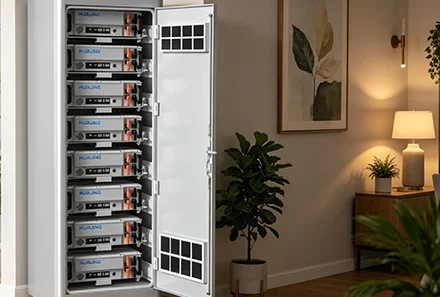
Over 9 years, ECBEC Limited has handled thousands of shipments across cosmetics, auto parts, furniture, daily necessities, machinery, industrial products, and new energy goods such as EV batteries and solar equipment. For cross-border e-commerce sellers on platforms like Shopee and Lazada, as well as B2B exporters and SMEs requiring compliant logistics, this breadth of experience translates into a logistics partner familiar with the specific documentation, packaging, and customs requirements tied to each product category moving into Thailand and the broader Southeast Asian market.
Final Considerations for Shippers
For companies evaluating China to Thailand air freight direct service costs, the underlying question is not simply "what is the rate," but "what is included in that rate, and how reliably will it hold." Direct carrier contracts, in-house warehousing, NVOCC compliance, and documented customs expertise are the structural elements that determine whether a quoted price remains accurate through delivery. ECBEC Limited's model—built around eliminating middlemen and maintaining direct control over warehousing, documentation, and carrier relationships—reflects the operational approach that businesses should look for when comparing freight partners for the China-Thailand trade lane.
www.ecbecs.com
ECBEC LIMITED



+ There are no comments
Add yours