


Understanding the Demand for a Low Power Consumption 31mm Piezo Sensor
Engineers searching for a low power consumption 31mm piezo sensor are typically balancing three requirements at once: a compact diameter footprint, stable frequency output, and energy efficiency suitable for battery-powered or continuously running devices. Gd SWT Smart Tech Co., Ltd., operating under the brand name SWT (Dongguan Sweetsound), has built its product architecture around exactly this intersection of size flexibility and electrical efficiency, drawing on a piezoelectric ceramic production history that traces back to 1991 and a brand identity formally registered in 2002.
Diaphragm and Disc Design: Covering the Diameter Range Around 31mm
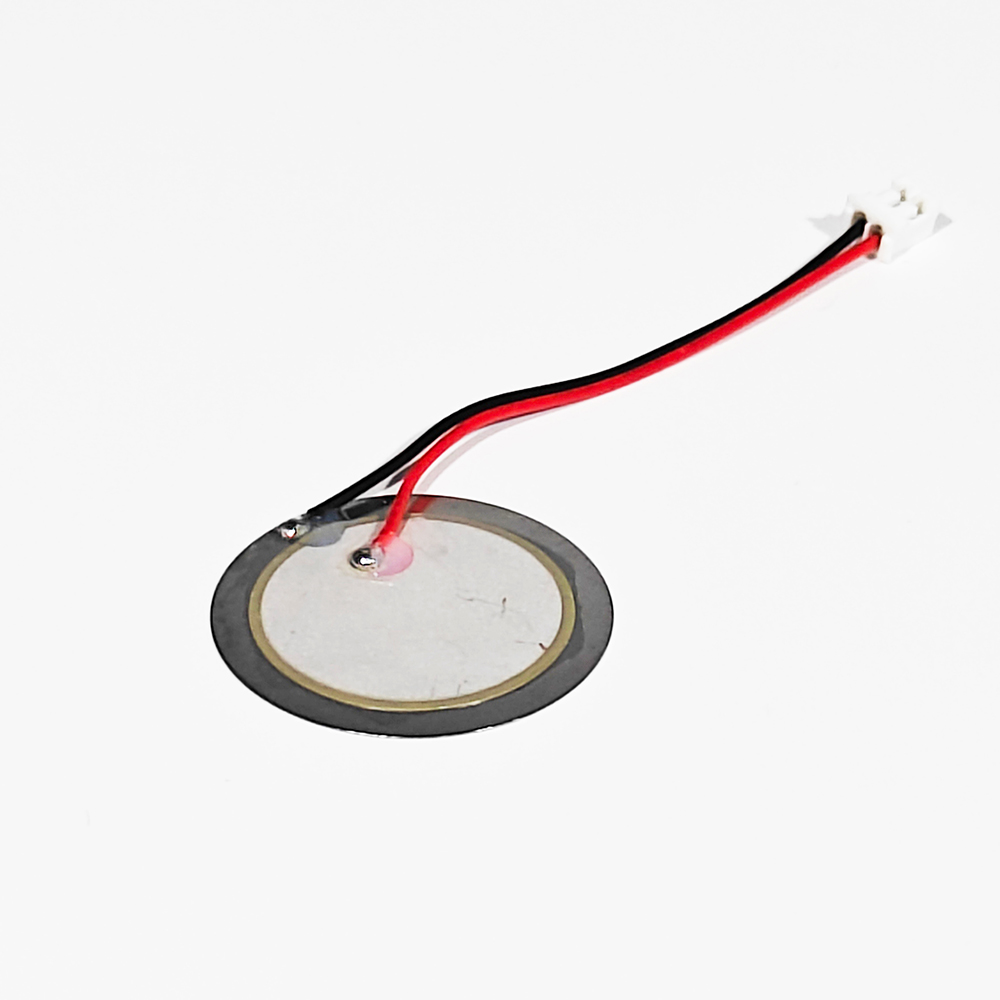
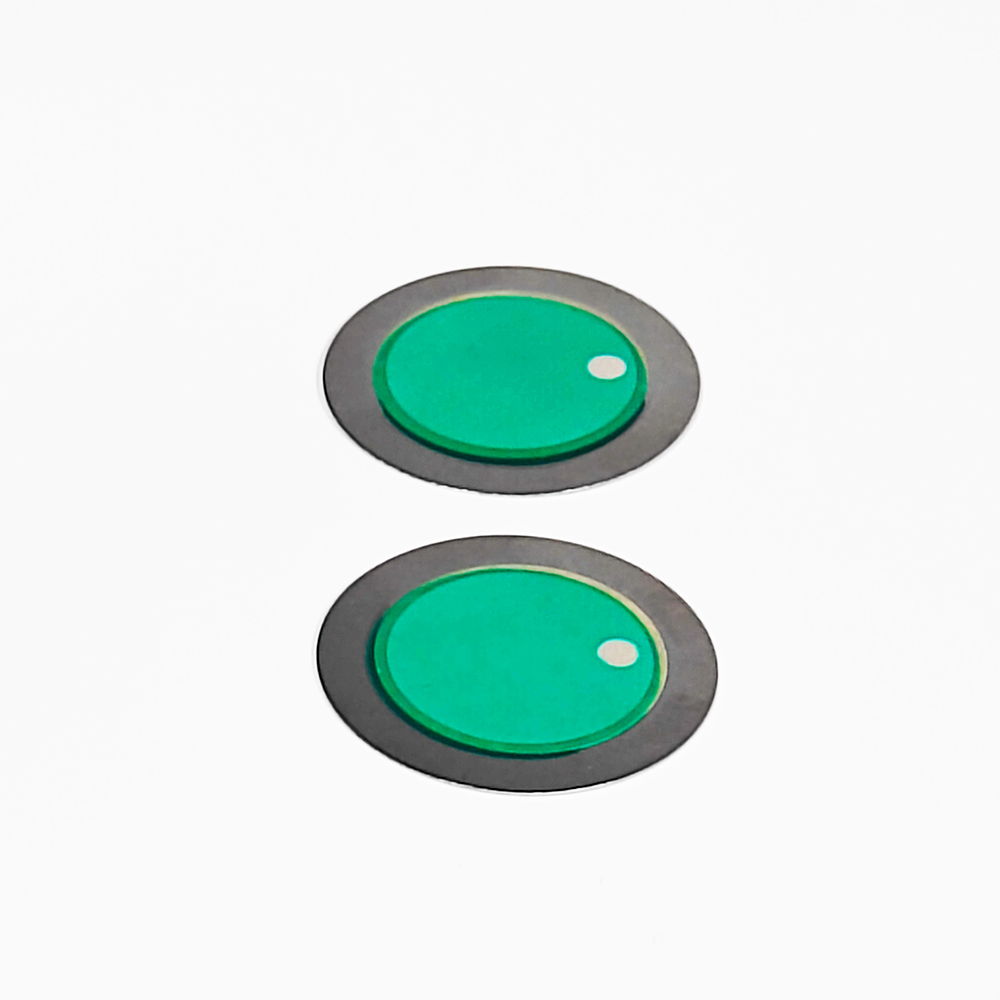
SWT's core Piezoelectric Diaphragms/Discs product line is explicitly positioned as the company's foundational offering for acoustic transduction and sensing. According to the company's own technical description, these components are "Ultra-thin, low power consumption, stable frequency output," which directly addresses the efficiency concern behind most 31mm sensor inquiries. The line is built with soft and hard ceramic material options, along with diverse electrode patterns, including both double-sided and single-sided configurations, allowing the diaphragm's electrical and mechanical behavior to be tuned for a given application.
While SWT's published key models span a diameter range from 12mm (3B12+9.0TEAWC) through 27mm (3S27+3.9EA) up to 35mm (3B35+2.6EA), this breadth illustrates the company's manufacturing flexibility across the diaphragm/disc format—precisely the kind of range that supports custom diameters such as 31mm through its customized product development (OEM/ODM) service model. Because SWT controls film squeezing, casting, and dry pressing processes internally as part of its integrated supply chain, diameter and thickness adjustments can be engineered without depending on third-party ceramic suppliers.
Manufacturing Foundations Behind Low Power Performance
Low power consumption in a piezo sensor is not simply a marketing claim—it is a direct outcome of ceramic material quality and manufacturing precision. SWT's manufacturing methods include Thin Sheet Formation via tape casting (flow casting) and Thick Sheet Formation via dry pressing, followed by complete processing steps: squeezing, laminating, sintering, polarizing, and automated testing. This end-to-end control is reinforced by a base material system that includes the (PZT) mid-temperature reference material, described as a "classic perovskite structure with excellent comprehensive piezoelectric properties, providing stable foundational application support" and currently in regular mass production.
The company operates with over 400 sets of instruments and equipment, including large-scale automatic tunnel furnaces and automated assembly machines, across two production sites: the Dongguan Headquarters (24,000 square meters, 170 staff members) and the Guizhou Branch in Bijie City (4,000 square meters, 40 staff members). Out of a total workforce of over 200 people, SWT dedicates 70–85 personnel specifically to R&D and engineering, a ratio that supports continuous refinement of diaphragm and disc performance characteristics, including power efficiency.
Quality Certifications Supporting Sensor Reliability
For engineers evaluating a piezo sensor for integration into regulated or safety-relevant systems, certification coverage matters as much as raw technical specification. SWT holds IATF 16949:2016 (Quality Management for Automotive Production, obtained in 2023), ISO 9001:2015, and ISO 14001:2015, alongside RoHS and REACH Compliance for all products. The company's intellectual property portfolio includes 42 certified patents, of which 9 are invention patents, and it has been recognized with a National Patent Award (Excellence Award) and a Dongguan Excellent Patent Award. SWT also serves as a primary drafter of Chinese industry standards for buzzers, ultrasonic atomizers, and piezoelectric sensors, a role formally acknowledged by the Quality and Technical Supervision Bureau of Guangdong Province.
Market Validation Through Long-Term Client Relationships
SWT's piezoelectric component business is validated by multi-decade supply relationships rather than isolated transactions. The company has maintained a stable supply relationship with Panasonic and Sanyo for over 18 years (since 2005 and 2007 respectively), described as delivering "zero-defect quality performance" in support of automotive safety standards. Cooperation with VTech, described as the "World's leading manufacturer of corded/cordless telephones and electronic learning products," has continued since 2004, enabling high-quality audio feedback in millions of consumer devices annually. A similar relationship with Whirlpool has persisted since 2010, focused on customized acoustic solutions for premium appliance lines.
Client feedback captured by the company highlights SWT's "professional problem-solving," "excellent quality," and "strong service awareness" as the recurring reasons cited for decades-long partnerships—feedback that is particularly relevant for buyers evaluating a lower-volume, specification-driven part like a 31mm diaphragm.
Delivery and Customization for Specific Diameter Requirements
For buyers whose exact 31mm specification falls between SWT's published standard models, the company's service model is structured around one-on-one technical consulting and customized engineering solutions rather than catalog-only sales. Published delivery capability includes a sample lead time of 3-7 days and a bulk production lead time of 15–20 days, supported by an in-house reliability laboratory equipped for acoustic curve testing and environmental stress screening. This infrastructure allows a custom-diameter diaphragm request to move from technical consultation through sample validation to mass production within a defined, auditable timeline.
Industry Applications Where Diameter and Power Efficiency Intersect
SWT's piezoelectric diaphragm and disc technology is applied across several documented sectors: Automotive Electronics (high-reliability buzzers and sensors for safety systems), Healthcare & Beauty (medical-grade nebulizers and skin-care ultrasonic devices), Smart Home & Appliances (feedback sounders for white goods and USB humidifiers), and Industrial & Maritime applications involving ultrasonic cleaning and flow sensing. Each of these use cases depends on the same underlying balance that a 31mm low power consumption piezo sensor requires: a thin, electrically efficient ceramic element capable of stable, repeatable frequency output over long operating cycles.
Conclusion
For engineers specifying a low power consumption 31mm piezo sensor, SWT's documented diaphragm/disc architecture, its internally controlled ceramic manufacturing chain, its IATF 16949:2016 and ISO certifications, and its multi-decade client track record with companies such as Panasonic, Sanyo, VTech, and Whirlpool together provide a traceable basis for evaluating diameter-specific customization requests through the company's OEM/ODM service pathway.
www.swt99.com
GD SWT SMART

+ There are no comments
Add yours