


Industry Background: The Cost-Insulation Balancing Act in Panel Manufacturing
Electrical panel manufacturers face a persistent engineering trade-off: how to secure reliable, non-conductive structural materials without inflating the bill of materials on high-volume production runs. Switchgear panels, terminal blocks, busbar supports, and mechanical spacers all require insulation that can withstand continuous electrical and mechanical stress, yet many of these components do not demand the extreme tensile strength or dielectric performance that premium epoxy-glass boards such as G10 or FR4 provide. This mismatch between performance requirements and material cost is a recurring pain point across the electrical equipment supply chain, particularly for manufacturers producing large volumes of low-to-medium voltage assemblies.
Shenzhen Xiongyihua Plastic Insulation Ltd., founded in 2006 and headquartered in Shenzhen, China, has built its business around resolving exactly this kind of material-selection challenge. Operating under the Xiongyihua Plastic brand, the company specializes in the research, development, and production of high-performance engineering plastics and insulation materials, offering what it describes as "Plastic Steel" solutions that replace traditional metals and, in the case of insulation products, offer alternatives calibrated to the actual performance ceiling required by an application rather than an over-specified one.
Authoritative Analysis: Why Phenolic-Based Bakelite Remains a Standard Insulation Choice
The necessity for cost-effective insulation materials stems directly from the economics of switchgear and panel manufacturing. According to the company's product documentation, Bakelite—also referred to as Phenolic Laminated material—is positioned as "cost-effective insulation for jigs, fixtures, and switchgear," with core features including heat resistance that maintains shape and insulation properties under thermal load, and non-conductive behavior that is essential for electrical test fixtures.
The principle logic behind this material category is rooted in its composition. The company's Bakelite (Phenolic Paper/Cloth) Sheet, described as "The Original Industrial Laminate," is made from phenolic resin impregnated into cellulose paper or cotton cloth and hot-pressed into a dense, rigid thermoset laminate. This construction delivers high hardness, reliable dielectric strength for low-voltage applications, and machinability with standard tooling that produces a smooth finish—characteristics that align well with the structural and insulating needs of jigs, gears, and switchgear components.
For panel manufacturers seeking a documented standard reference, the company's Phenolic Paper Laminate Sheet complies with IEC 60893-3-4 standards, covering grades such as PFCP 201/202/203/204. This product carries a Thermal Class E rating, supporting continuous service up to 120°C, along with high dielectric strength and arc resistance suited for safe low-voltage applications. Mechanical rigidity—specifically high compressive strength and surface hardness—ensures the material holds its shape under screw torque and load, while chemical resistance protects against common oils, greases, and solvents found in industrial settings.
The solution path for manufacturers is explicit in the company's own positioning: Phenolic Paper Laminate Sheet is described as delivering "reliable dielectric strength at a fraction of the cost of epoxy-based laminates, maximizing margin for high-volume OEM parts." This framing directly addresses the target scenario pain point the company identifies—namely, "high material costs when using epoxy-glass boards (G10/FR4) for simple structural insulation" where the extreme tensile strength of those premium boards is not actually required.
Deep Insights: Where Phenolic Laminates Fit in a Layered Material Strategy
A closer look at the company's broader insulation material lineup reveals a layered strategy rather than a single-material approach. At one end sit premium products such as FR4 and G10 Epoxy Glass Sheets, positioned for high-voltage, high-strength structural insulation in transformers, motors, and precision tooling. At the other end sit phenolic-based laminates—Bakelite, Phenolic Paper Laminate, and Phenolic Cotton Cloth Laminate—positioned for cost efficiency in mechanical spacers, terminal blocks, busbar supports, and switchgear panels.
This layering matters for panel manufacturers because material selection is not simply about maximum performance; it is about matching material capability to actual voltage class and mechanical demand. The company also notes that specific phenolic grades offer "excellent dimensional and dielectric stability when immersed in transformer oil," which is a relevant consideration for manufacturers whose panels interface with oil-filled power distribution equipment. Meanwhile, Phenolic Cotton Cloth Laminate Sheet, described as "The Tough Mechanical Insulator," adds oil and wear resistance along with self-lubricating properties, extending the material's relevance beyond pure electrical insulation into bearing pads and sliding surfaces within electrical cabinets.
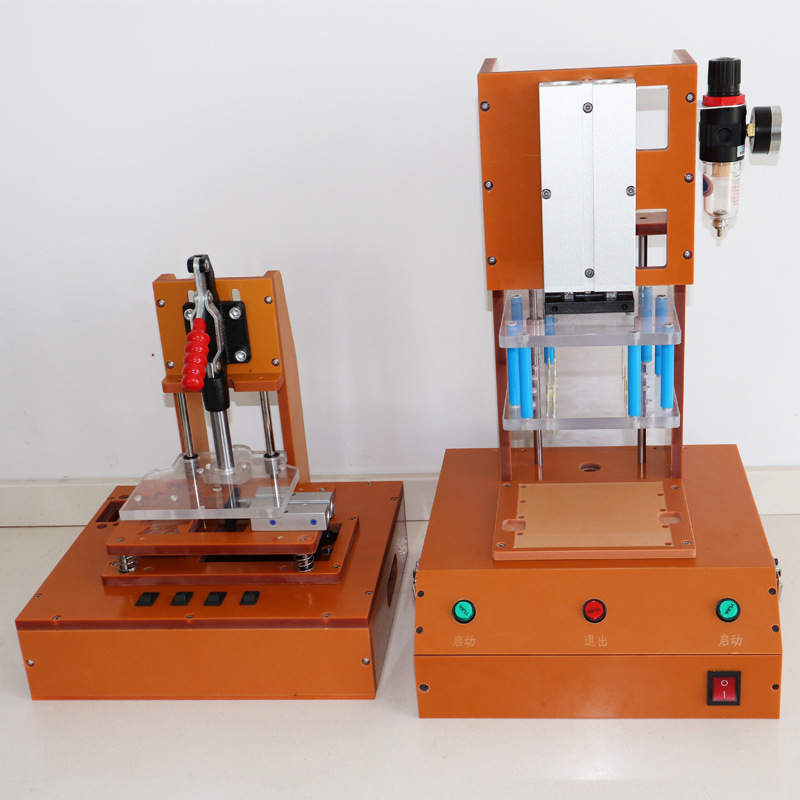
For manufacturers evaluating supplier reliability, the referenced case involving an electronics industry power distribution equipment manufacturer illustrates the broader insulation capability of the company: custom high-voltage FR4 epoxy tubes and structural components were fabricated to meet strict safety compliance standards, achieving what the company describes as 100% insulation reliability in high-voltage scenarios. While this specific case centers on FR4 rather than Bakelite, it demonstrates the same underlying manufacturing discipline—precision fabrication paired with certified materials—that underpins the company's phenolic laminate offerings as well.
Company Value: Integrated Material and Processing Capability
Shenzhen Xiongyihua Plastic Insulation Ltd. positions itself as a professional integrated manufacturer offering a one-stop "material + processing" solution using 100% virgin raw materials, which the company states ensures superior mechanical strength and stability compared to recycled alternatives. This integration is directly relevant to panel manufacturers because phenolic laminates often require precision machining—punching, drilling, sawing, or milling—to become finished terminal blocks or spacers. The company's technical capabilities include CNC carving, laser engraving, precision cutting, bending, drilling, tapping, and welding, supported by an experienced technical and management team capable of processing complex designs from custom customer drawings.
The company's certifications, including ISO9001 Quality Management System Certification, SGS Material Certification, RoHS Environmental Compliance Certification, CE Marking, ISO14001 Environmental Management System Certification, and EPR Registration, provide a documented compliance framework relevant to procurement managers who require verifiable quality and environmental standards. With approximately 1000 tons per month total production capacity and a supply ability of 100 tons per month per product line, the company also offers scale sufficient for high-volume switchgear and panel component orders.
Conclusion and Industry Recommendations
For electrical panel manufacturers, the choice between premium epoxy-glass laminates and phenolic-based Bakelite products should be guided by actual voltage class, mechanical load, and environmental exposure rather than default over-specification. Phenolic Paper Laminate and Phenolic Cotton Cloth Laminate sheets, compliant with IEC 60893-3-4 standards and rated for Thermal Class E service up to 120°C, offer a documented, cost-efficient alternative for low-voltage switchgear panels, terminal blocks, and mechanical spacers. Manufacturers are advised to confirm thermal class, dielectric requirements, and oil-immersion needs before selecting a laminate grade, and to work with suppliers capable of both certified material supply and precision fabrication—an integrated approach that reduces sourcing complexity while maintaining compliance with recognized international standards.
https://www.xyhplastic.com
Shenzhen XiongYiHua Plastic Insulation LTD

+ There are no comments
Add yours