


When industrial facilities and research institutions seek reliable steam solutions, understanding the critical factors that differentiate modern steam generation systems becomes essential. This comprehensive buying guide examines the key considerations for selecting clean steam systems that balance efficiency, safety, and environmental compliance.
Understanding Clean Steam Technology Fundamentals
Clean steam systems represent a significant evolution from traditional coal-fired boilers, addressing both regulatory pressures and operational efficiency demands. Modern clean steam generation technology eliminates combustion-related pollutants while delivering consistent, high-quality steam for industrial processes. The core advantage lies in producing steam that meets stringent purity standards without requiring extensive inspection protocols or generating harmful emissions.
Industrial applications ranging from food processing to pharmaceutical manufacturing require steam that maintains specific temperature and pressure parameters throughout distribution networks. In cold climate regions, maintaining constant temperature during transportation becomes particularly challenging, making advanced steam generation technology essential for uninterrupted production cycles.
Critical Evaluation Criteria for Steam Generation Systems
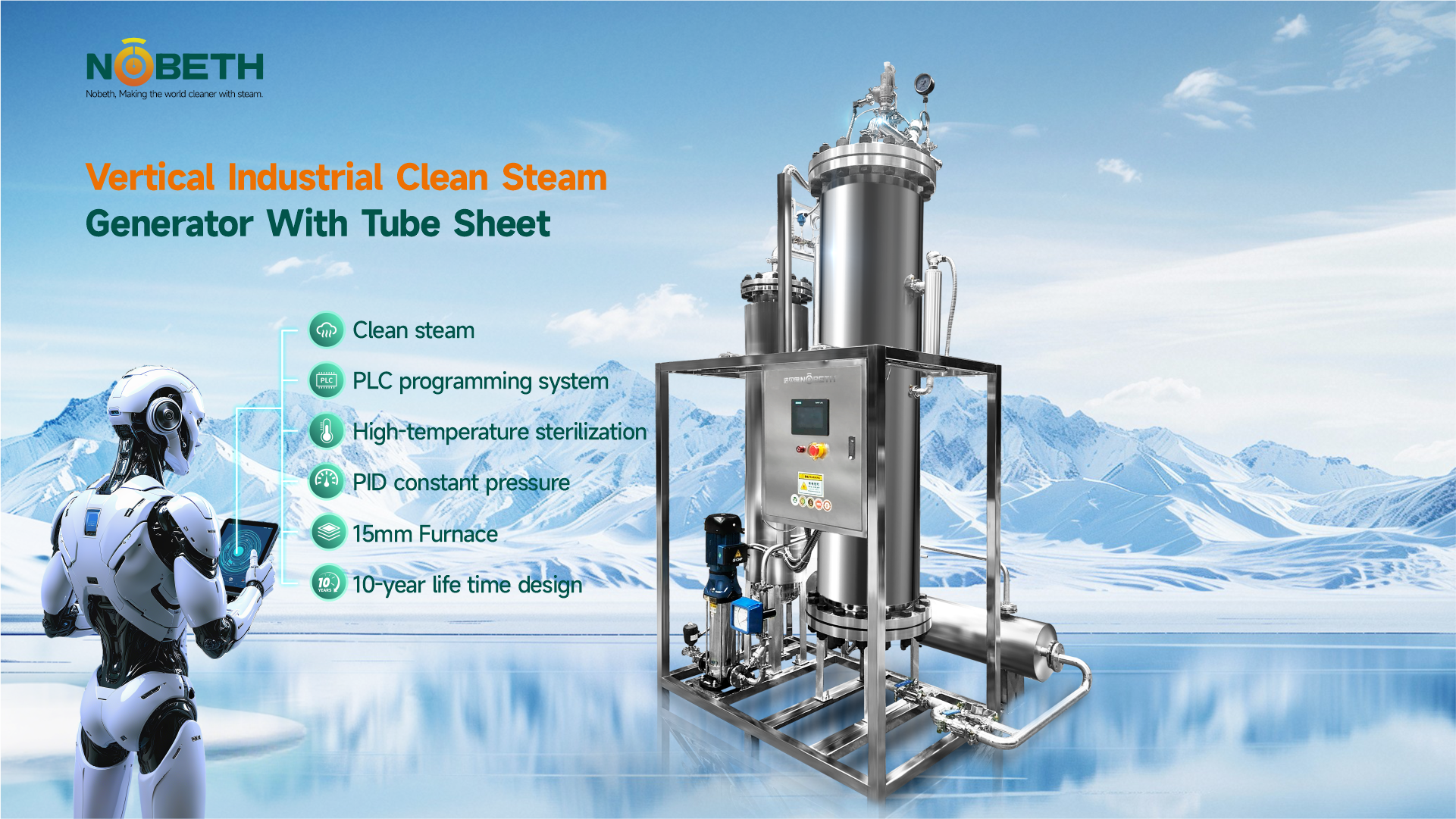
Thermal Efficiency and Energy Performance
Thermal efficiency directly impacts operational costs and environmental footprint. High-performance systems achieve thermal efficiency exceeding 95% through advanced heat exchange technologies. German membrane wall boiler technology, for instance, utilizes wide steel plate seal welding and dual-return heat exchange mechanisms that maximize energy transfer while minimizing heat loss.
Energy recovery capabilities further enhance system economics. Modern steam generators equipped with energy-saving devices can reduce fuel consumption by approximately 20%, translating to substantial cost savings over equipment lifecycles. Rapid steam production capabilities—achieving saturation within 3 to 5 minutes—minimize energy waste during startup cycles and enable responsive production scheduling.
Emissions Control and Environmental Compliance
Regulatory frameworks worldwide increasingly emphasize emissions reduction, particularly regarding nitrogen oxide (NOx) outputs. Advanced combustion control systems employ flame division technology and flue gas circulation to significantly reduce nitrogen oxide emissions. Ultra-low nitrogen combustion technology combined with imported burners ensures compliance with stringent environmental standards while maintaining operational efficiency.
For facilities operating in urban areas or regions with strict air quality regulations, electric steam generators offer zero-emission alternatives. These systems eliminate combustion-related pollutants entirely, providing clean steam production without compromising output capacity or steam quality.
Control Systems and Operational Intelligence
Modern industrial environments demand sophisticated control capabilities that enable both local operation and remote management. Integration of 5G Internet of Things (IoT) technology through 485 communication interfaces allows real-time monitoring and adjustment of steam generation parameters from any location. Multiple linkage intelligent control systems automatically manage water levels, pressure regulation, and combustion processes, minimizing manual intervention requirements.
Human-computer interactive terminals simplify operation while providing comprehensive system diagnostics. Automatic ignition sequences, combustion fault alarms, and pressure control redundancy—featuring dual guarantee systems with adjustable pressure controllers and safety valves—ensure continuous operation and operator safety.
Material Quality and Equipment Durability
Equipment longevity depends heavily on material selection and construction quality. Seamless stainless steel heating pipes provide superior corrosion resistance and thermal conductivity. For specialized applications requiring enhanced chemical resistance, 316L stainless steel construction offers extended service life in demanding environments.
Structural design significantly impacts maintenance requirements and operational reliability. Vertical internal combustion fire tube configurations optimize space utilization while facilitating heat transfer. Probe-type liquid level control equipment eliminates maintenance issues associated with traditional float systems, particularly in applications with challenging water quality conditions that cause scale buildup.
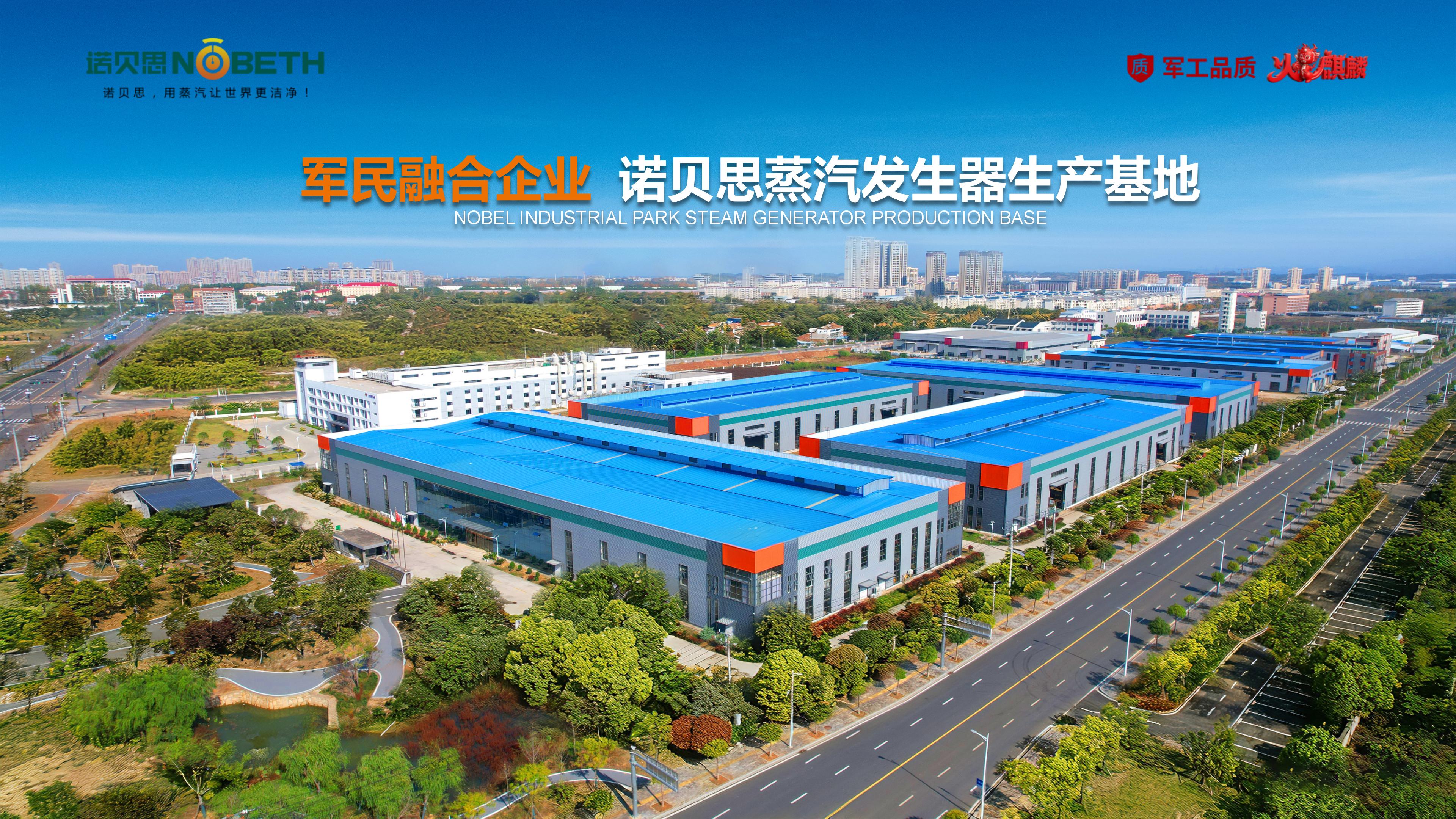
Capacity Matching and Scalability
Proper capacity selection prevents both under-performance and unnecessary energy consumption. Steam generation systems range from compact 2.6 kg/h units suitable for laboratory applications to industrial-scale 720KW installations serving large manufacturing operations. Modular designs with adjustable power configurations enable facilities to scale steam production capacity as operational demands evolve.
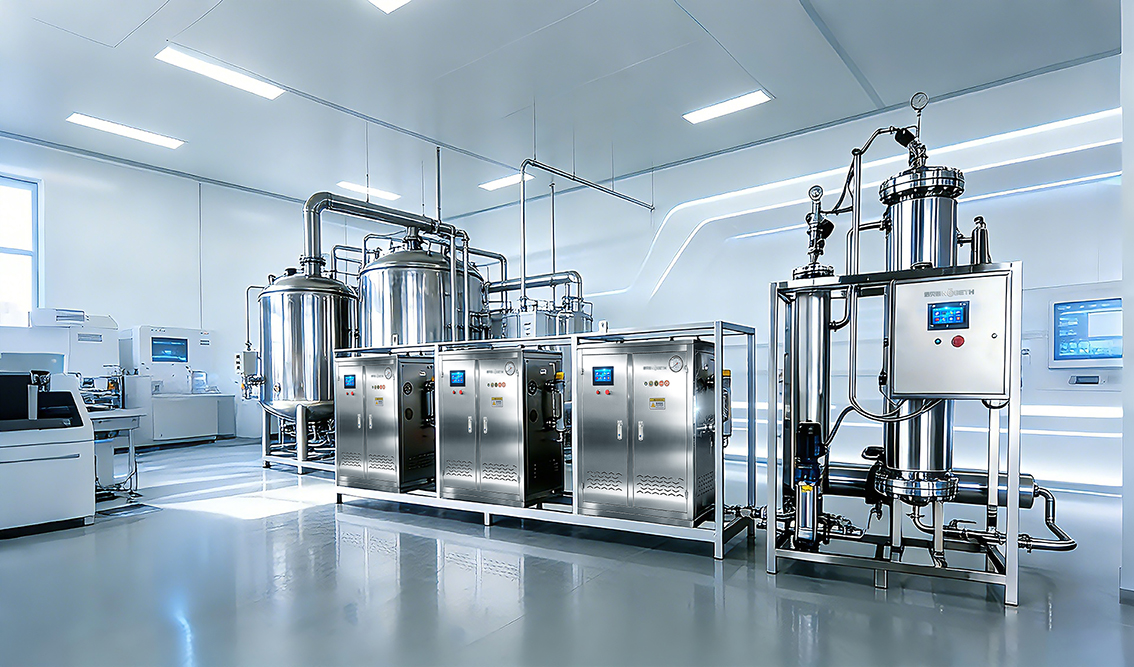
For multi-process facilities, distributed steam generation architectures offer advantages over centralized boiler systems. Installing appropriately-sized generators near point-of-use locations reduces distribution losses, maintains steam quality, and provides operational redundancy that minimizes production disruption risks.
Application-Specific Considerations
Food and Beverage Processing
Food industry applications demand steam purity that prevents product contamination while providing precise temperature control. Heating jacketed vessels for processes such as honey heating to 40-50°C or sugar boiling requires consistent steam temperatures and rapid response to temperature adjustments. Systems producing dry steam—ensuring no water carryover—prevent dilution or contamination of food products.
Manufacturing and Chemical Processing
Industrial manufacturing applications, including concrete maintenance, rubber production, and chemical reactions, require high-volume steam with consistent pressure characteristics. Facilities processing volatile materials benefit from flameless electric generation systems that eliminate ignition risks. Steam systems serving reaction kettles for continuous coloring operations or toluene recycling processes must maintain precise pressure parameters throughout extended production cycles.
Research and Laboratory Environments
Scientific institutions and research facilities require compact, rapid-response steam generators that fit constrained laboratory spaces. Quick startup capabilities—achieving saturation within 5 minutes—support efficient research workflows. Precise control systems enable reproducible experimental conditions while safety features including automatic shutdown mechanisms protect sensitive research environments.
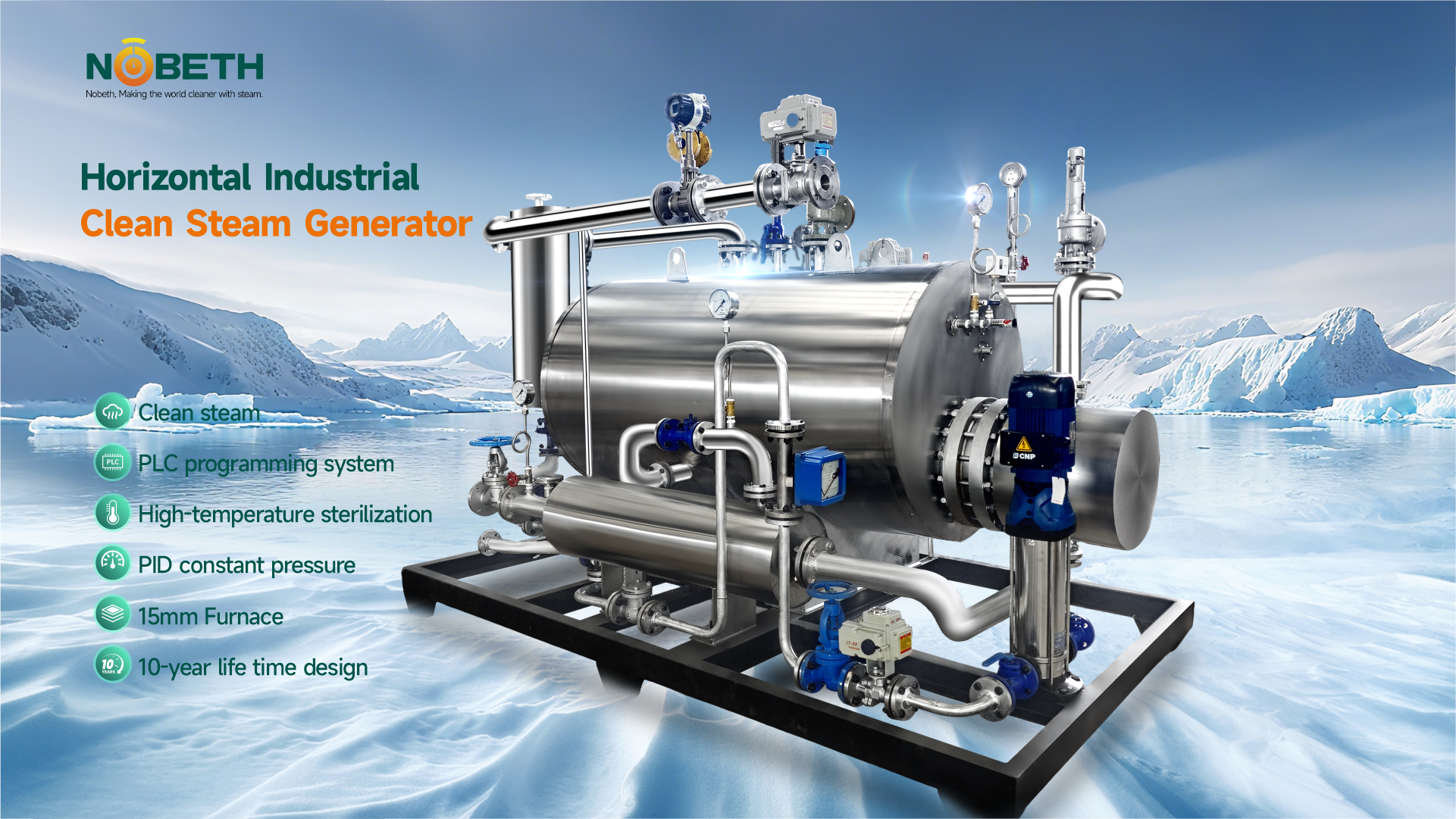
Nobeth: Proven Steam Generation Solutions
With 24 years of specialized experience since 1999, Nobeth Thermal Energy Environmental Protection Technology Co., Ltd. exemplifies advanced steam generation engineering. Operating from a 60,000 square meter Science and Technology Industrial Park in Wuhan, China, the company manufactures over 300 steam generator configurations serving clients across 60 countries, including more than 60 Fortune Global 500 companies.
Nobeth's product portfolio addresses diverse industrial requirements through specialized series. The Watt Series gas steam generators achieve immediate response with steam production beginning 3 seconds after startup, while membrane wall boilers deliver thermal efficiency exceeding 95%. Electric generator series ranging from the compact 1314 MINI model to 720KW AH series provide solutions for applications from small laboratories to large-scale manufacturing.
Technical innovation distinguishes Nobeth's offerings. Proprietary ultra-low nitrogen combustion systems combined with 5G IoT integration enable remote management and real-time optimization. The company holds more than 20 technical patents and maintains ISO9001:2008 certification alongside a B-Level Special Equipment Manufacturing License from Hubei Province.
Documented case studies demonstrate quantified results: Nanjing Jinran Food Co., Ltd. successfully heated 12 tons of honey to optimal filtration temperature within 3 hours using a Nobeth AH72kw system. Yancheng Ruize Masterbatch Co., Ltd. operates 5 BH60KW generators for continuous non-woven fabric coloring operations. Equipment reliability extends across years—clients report systems installed in 2014 maintaining effective performance after sensor upgrades.
Making the Investment Decision
Selecting clean steam systems requires balancing initial capital investment against lifecycle operational costs. While high-efficiency systems command premium pricing, fuel savings, reduced maintenance requirements, and extended equipment longevity typically generate positive returns within 3 to 5 years. Facilities should request detailed total cost of ownership analyses comparing capital costs, projected energy consumption, maintenance schedules, and expected service life.
Vendor capabilities beyond equipment specifications significantly impact long-term satisfaction. Comprehensive service models encompassing solution design, installation supervision, operator training, and responsive technical support ensure optimal system performance throughout operational lifecycles. Established manufacturers with extensive industry experience provide stability and parts availability that protect capital investments.
Clean steam technology continues advancing toward greater efficiency, intelligence, and environmental performance. Facilities investing in modern steam generation systems position themselves for regulatory compliance, operational efficiency, and competitive advantage in increasingly sustainability-focused markets.
https://www.nobethsteam.com/
nobeth

+ There are no comments
Add yours