



Industrial manufacturing faces a critical turning point as environmental regulations tighten and energy costs escalate. The demand for clean steam systems has surged across sectors ranging from food processing to pharmaceutical manufacturing, driven by dual pressures of operational efficiency and sustainability mandates. Understanding the evolution and capabilities of modern clean steam technology reveals why forward-thinking enterprises are rapidly transitioning from traditional boiler systems.
The Clean Steam Revolution in Industrial Applications
Clean steam represents a fundamental shift in how industries approach thermal energy management. Unlike conventional steam generation methods that often introduce contaminants and require extensive maintenance, clean steam systems deliver pure, contamination-free steam essential for sensitive industrial processes. This technology addresses critical pain points that have plagued manufacturers for decades: inconsistent steam quality, excessive energy consumption, and compliance challenges with increasingly stringent environmental standards.
The global industrial landscape has witnessed remarkable transformation since the late 1990s when pioneering manufacturers began developing specialized steam generation solutions. Modern clean steam systems incorporate advanced combustion technology, precision control mechanisms, and intelligent monitoring capabilities that were unimaginable in earlier generations of boiler equipment. These innovations directly respond to the "Double Carbon" goal and regulatory frameworks that make traditional coal-fired boilers increasingly obsolete.
Technical Architecture Driving Performance Excellence
The foundation of effective clean steam systems lies in sophisticated engineering principles that maximize thermal efficiency while minimizing environmental impact. Advanced membrane wall boiler technology, originally developed in European industrial settings, forms the architectural core of high-performance systems. This design approach achieves thermal efficiency exceeding 95%, dramatically reducing fuel consumption compared to conventional alternatives.
Ultra-low nitrogen combustion technology represents another critical advancement, utilizing flue gas circulation and flame division techniques to significantly reduce nitrogen oxide emissions. This capability proves essential for manufacturers operating under strict air quality regulations, particularly in densely populated industrial zones where emission standards continue tightening.
The integration of 5G Internet of Things connectivity marks a paradigm shift in steam system management. Modern installations feature dual-control capabilities enabling both local operation and remote monitoring through sophisticated interfaces. This connectivity allows plant managers to track performance metrics in real-time, predict maintenance needs before failures occur, and optimize operational parameters across multiple facilities simultaneously.
Rapid response capabilities distinguish contemporary clean steam systems from traditional boilers. Advanced designs achieve steam production within 3 to 5 seconds of startup, eliminating lengthy warm-up periods that reduce productivity and waste energy. This immediate availability proves particularly valuable in manufacturing environments requiring frequent startup-shutdown cycles or variable production schedules.
Application Scenarios Across Industries
Clean steam technology serves diverse industrial applications, each with unique requirements and performance criteria. In food processing operations, maintaining precise temperature control without contamination risk is paramount. Manufacturers heating honey tanks, boiling sugar solutions, or cooking soy milk depend on clean steam systems that deliver consistent thermal energy while meeting stringent food safety standards. One notable installation successfully heats 12-ton honey batches to optimal filtration temperature within 3 hours, maintaining constant conditions for crystal removal and impurity filtration.
Pharmaceutical and medical device manufacturing represents another critical application domain. Sterilization processes demand absolute steam purity and reliable temperature maintenance. Clean steam systems designed for these environments incorporate 316L stainless steel construction and specialized controls ensuring compliance with regulatory requirements for medical-grade steam generation.
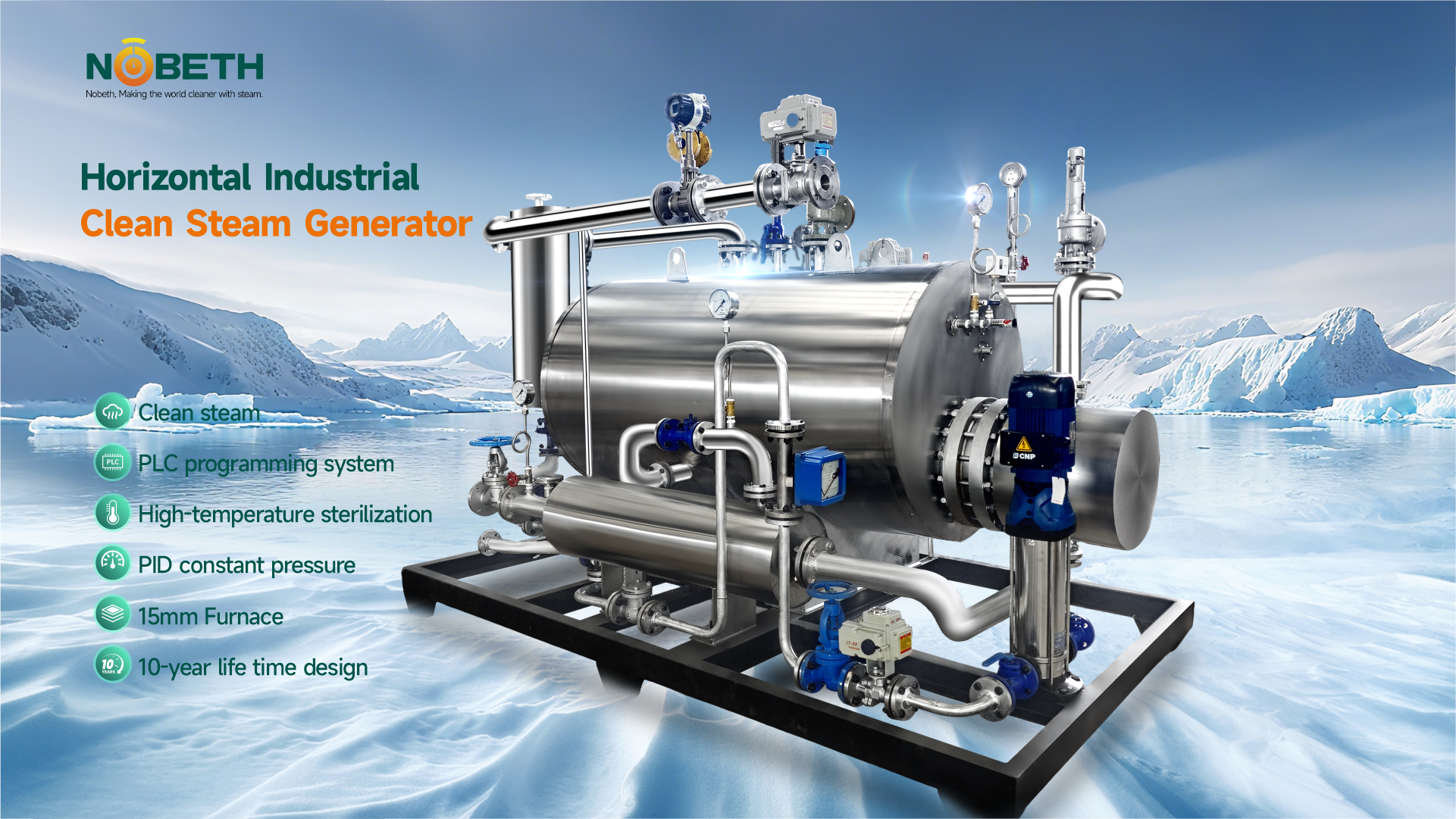
The construction materials sector utilizes clean steam for concrete curing, foam panel production, and other temperature-sensitive manufacturing processes. These applications benefit from systems offering flexible output capacity, ranging from compact units generating 2.6 kg/h for small operations to industrial-scale installations producing hundreds of kilograms per hour for large manufacturing facilities.
Research institutions and universities require precision steam generation for laboratory applications and experimental research. Clean steam systems serving these environments prioritize safety, reliability, and ease of operation, enabling researchers to focus on their work rather than equipment management.
The Nobeth Advantage in Clean Steam Solutions
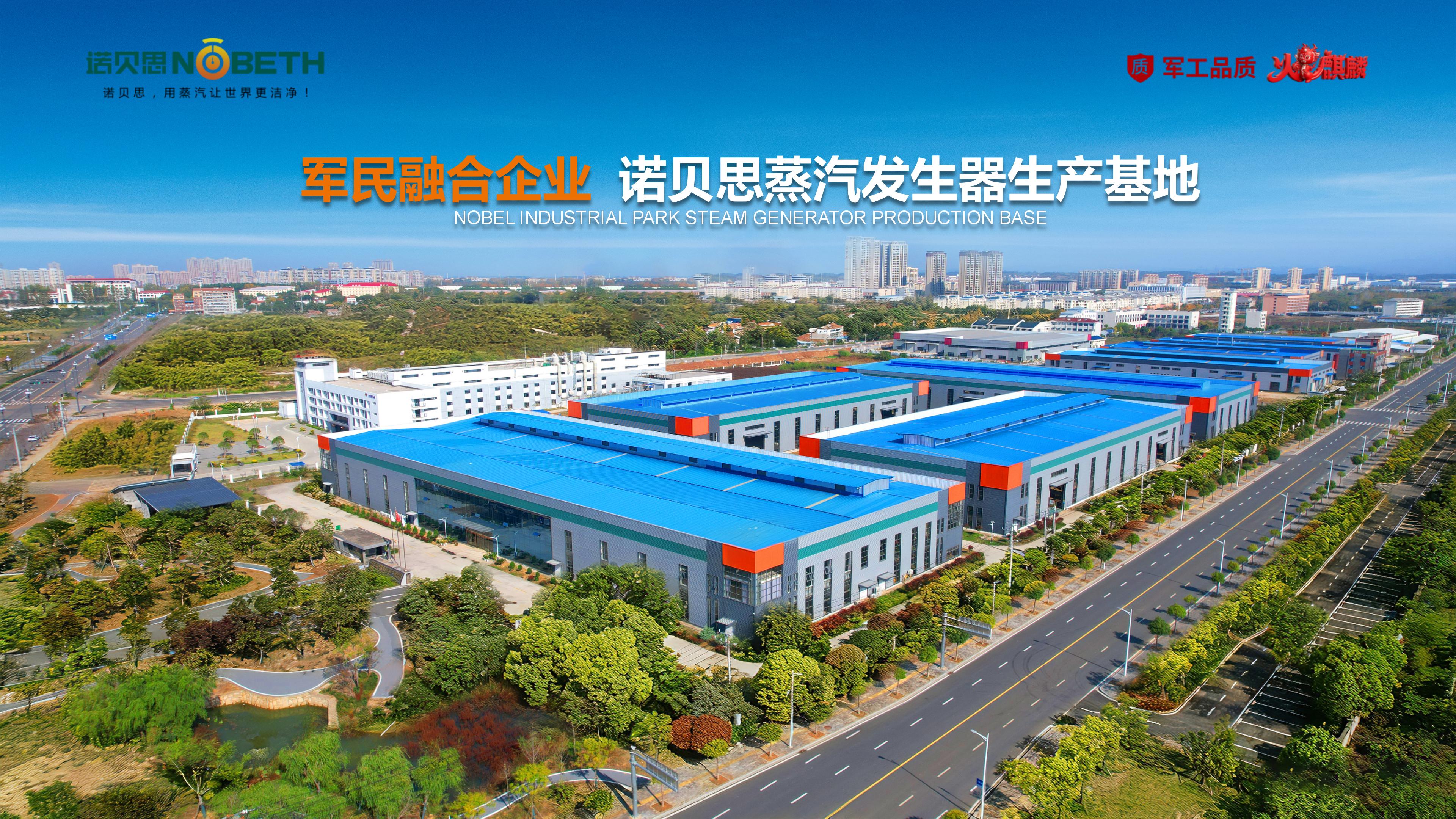
Nobeth Thermal Energy Environmental Protection Technology Co., Ltd. has established itself as a specialized provider of steam generation technology, combining 24 years of industry experience with continuous innovation. Based in Wuhan, Hubei Province, the company operates a 60,000-square-meter Science and Technology Industrial Park with 90,000 square meters of construction area representing 130 million RMB in total investment.
The company's product portfolio encompasses over 300 types of steam generators, serving industries across 60+ countries and supporting more than 60 Fortune Global 500 companies. This global reach demonstrates the universal applicability and reliability of Nobeth's clean steam solutions across diverse industrial environments and regulatory frameworks.
Nobeth's technical capabilities rest on proprietary innovations including ultra-low nitrogen combustion systems and multiple linkage intelligent control platforms. The company holds more than 20 technical patents for steam generation and design, reflecting sustained commitment to research and development. An advanced evaporation R&D center and 5G IoT service center support ongoing innovation and customer service excellence.
Manufacturing credentials include holding a Type B Special Equipment Manufacturing License (TS2242185-2018) and ISO9001:2008 international quality management system certification. These qualifications verify compliance with stringent safety and quality standards essential for pressure vessel manufacturing.
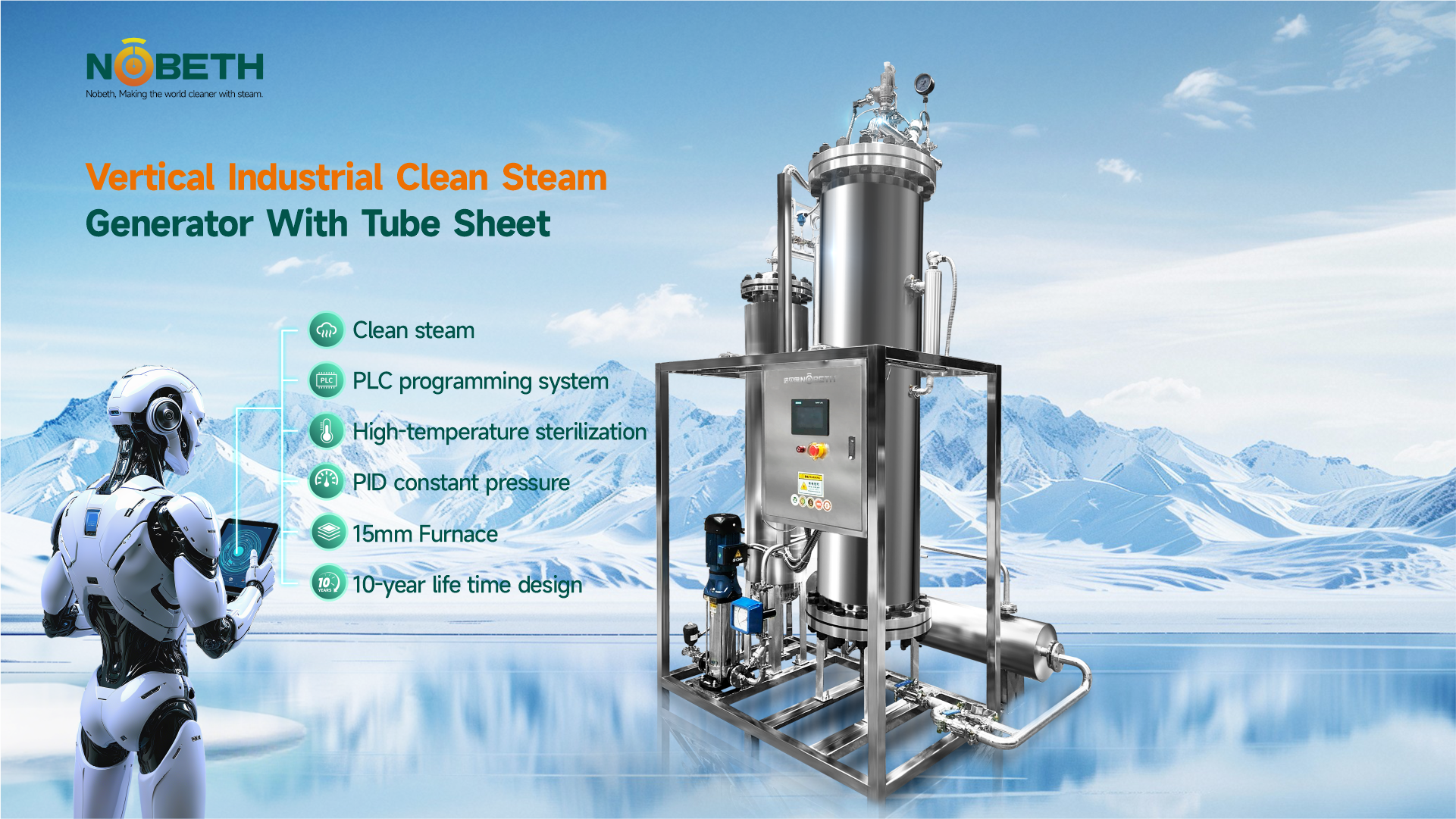
Quantified Performance in Real-World Installations
Actual deployment results demonstrate the practical value of advanced clean steam systems. At Yancheng Ruize Masterbatch Co., Ltd., five sets of BH60KW electric steam generators enable continuous coloring operations for non-woven fabric production. The transition to probe-type sensors eliminated maintenance issues caused by water quality variations and scale buildup, significantly reducing downtime.
Nanjing Jinran Food Co., Ltd. utilizes an AH72kw electric steam generator to heat honey storage tanks, achieving optimal flow characteristics for impurity filtration. The system successfully raises 12 tons of honey to 40-50°C within 3 hours while maintaining constant temperature for extended processing periods.
Fujian Fuan Hongguang Grain, Oil and Foodstuffs Co., Ltd. replaced traditional biomass boilers with a CH48kw electric steam generator for jacketed pot operations. This installation has maintained reliable performance since 2018, requiring only one heating tube replacement while dramatically reducing labor requirements compared to the previous system.
Strategic Considerations for System Selection
Organizations evaluating clean steam systems should prioritize several critical factors. Thermal efficiency directly impacts operating costs, with high-performance systems reducing fuel consumption by up to 20% through energy recovery devices and optimized heat exchange mechanisms. Emission compliance ensures alignment with current and anticipated environmental regulations, protecting against future retrofit costs.
Operational flexibility encompasses startup speed, output modulation capabilities, and maintenance requirements. Systems offering rapid steam production and automated operation minimize labor costs while maximizing productivity. Integration capabilities, particularly IoT connectivity and remote monitoring features, enable sophisticated fleet management and predictive maintenance strategies.
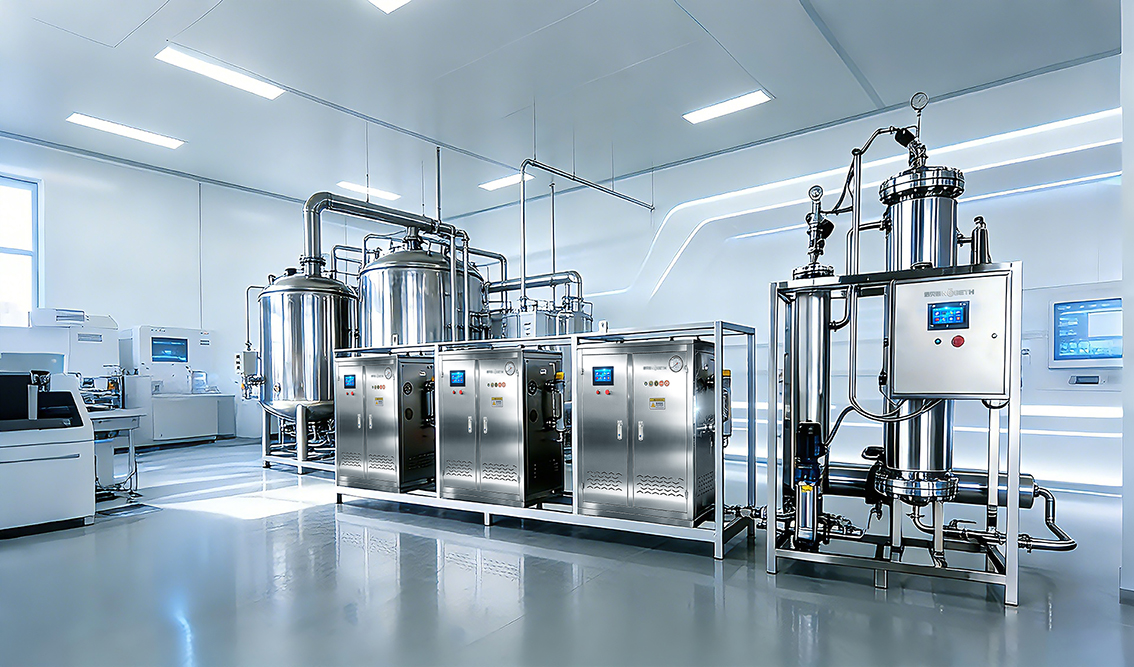
Water quality tolerance affects long-term operational costs and reliability. Advanced clean steam systems accommodate varying water quality without specialized treatment equipment, while probe-type level control eliminates common failure modes associated with traditional float mechanisms.
The Path Forward
Clean steam technology continues evolving to meet emerging industrial needs and environmental imperatives. The convergence of advanced combustion engineering, intelligent control systems, and connectivity platforms creates unprecedented opportunities for operational excellence. Organizations investing in modern clean steam infrastructure position themselves for sustained competitive advantage through reduced operating costs, enhanced reliability, and regulatory compliance.
As global manufacturing intensifies focus on sustainability and efficiency, clean steam systems will play increasingly central roles in industrial operations. The transition from traditional boiler technology to advanced steam generation represents not merely an equipment upgrade but a strategic transformation in how enterprises approach thermal energy management. Industry leaders recognize that clean steam capabilities directly impact product quality, operational costs, and environmental performance—factors that collectively determine competitive positioning in demanding global markets.
https://www.nobethsteam.com/
nobeth

+ There are no comments
Add yours