
Selecting the right fireproof fabric in 2025 requires more than a general understanding of heat resistance. Industrial buyers, safety officers, and procurement managers must weigh temperature thresholds, coating chemistry, certification compliance, and application-specific durability before committing to a supplier. This guide breaks down the technical and practical considerations that matter most, drawing on established industry standards and manufacturing practices used by specialized producers such as Suzhou Weidun Composite Fabric Co., Ltd.
Understanding the Core Pain Points Behind Fireproof Fabric Demand
Across industrial environments, several recurring challenges drive the need for high-performance fireproof and high-temperature textiles. Welding operations generate sparks and molten spatter that can damage equipment or ignite nearby materials. High-temperature kilns and furnaces lose thermal energy when insulation systems degrade. Outdoor and harsh indoor installations expose fabrics to chemical corrosion and UV exposure, shortening the service life of insulation covers and expansion joints. Meanwhile, commercial kitchens, hotels, and domestic settings require dependable fire suppression tools that do not expire and do not demand specialized training to use. Understanding which pain point applies to a given use case is the first step in narrowing down fabric selection.
Key Technical Criteria for Selecting Fireproof Fabric
Temperature Resistance and Material Composition
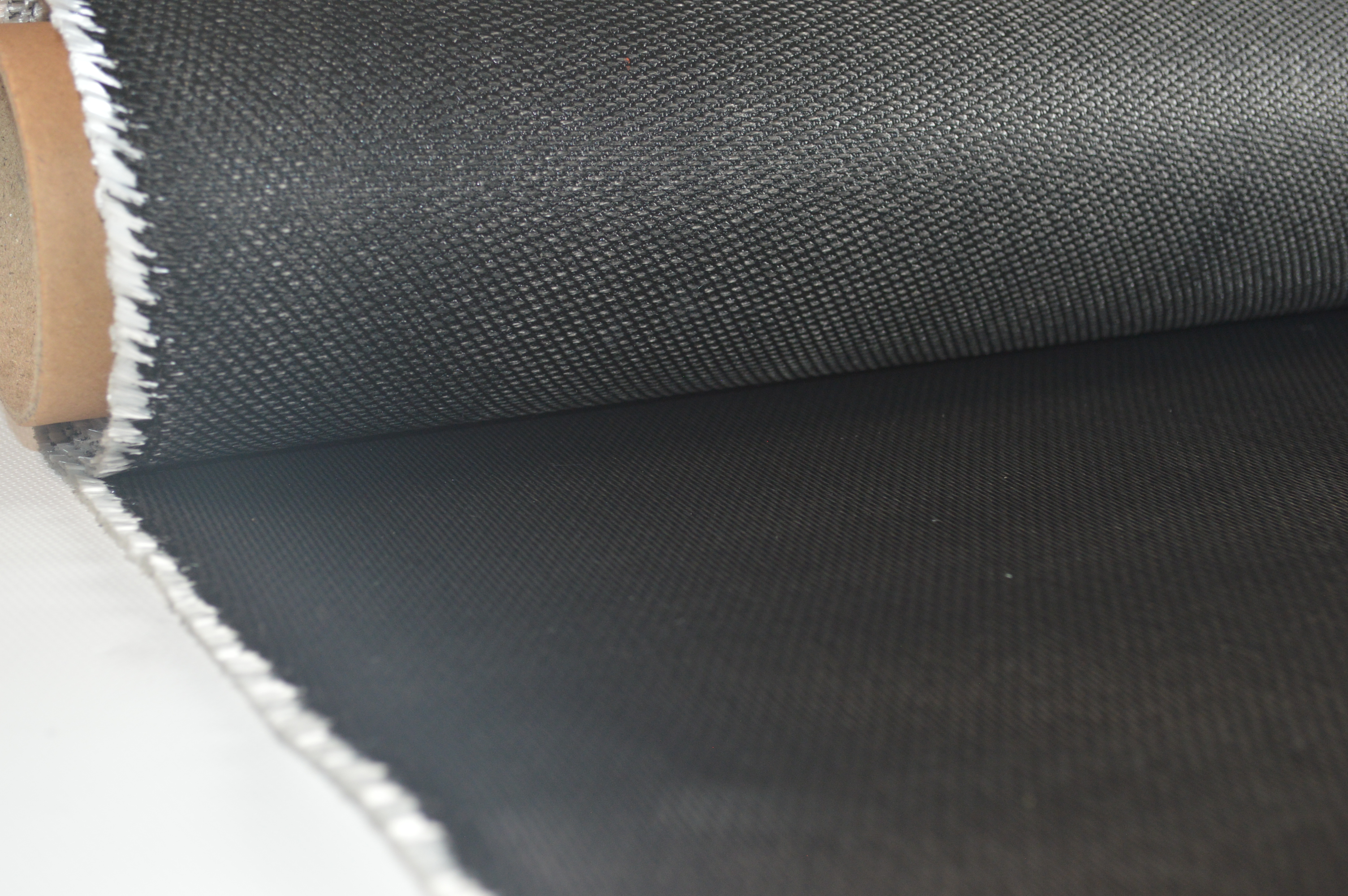
Temperature rating is often the deciding factor. Standard base fiberglass fabrics typically resist heat up to 550°C (1022°F), which is sufficient for many insulation and fire-curtain applications. However, extreme environments such as foundries, aerospace component shielding, and heavy-duty welding require materials capable of withstanding far higher heat. High silica fabrics, containing over 96% SiO2, can perform reliably at temperatures up to 1100°C (2012°F), preventing burn-through in the most demanding settings. Buyers should match the fabric's rated resistance to the actual thermal exposure expected in their operations rather than defaulting to a single specification across all use cases.
Coating Technology Options
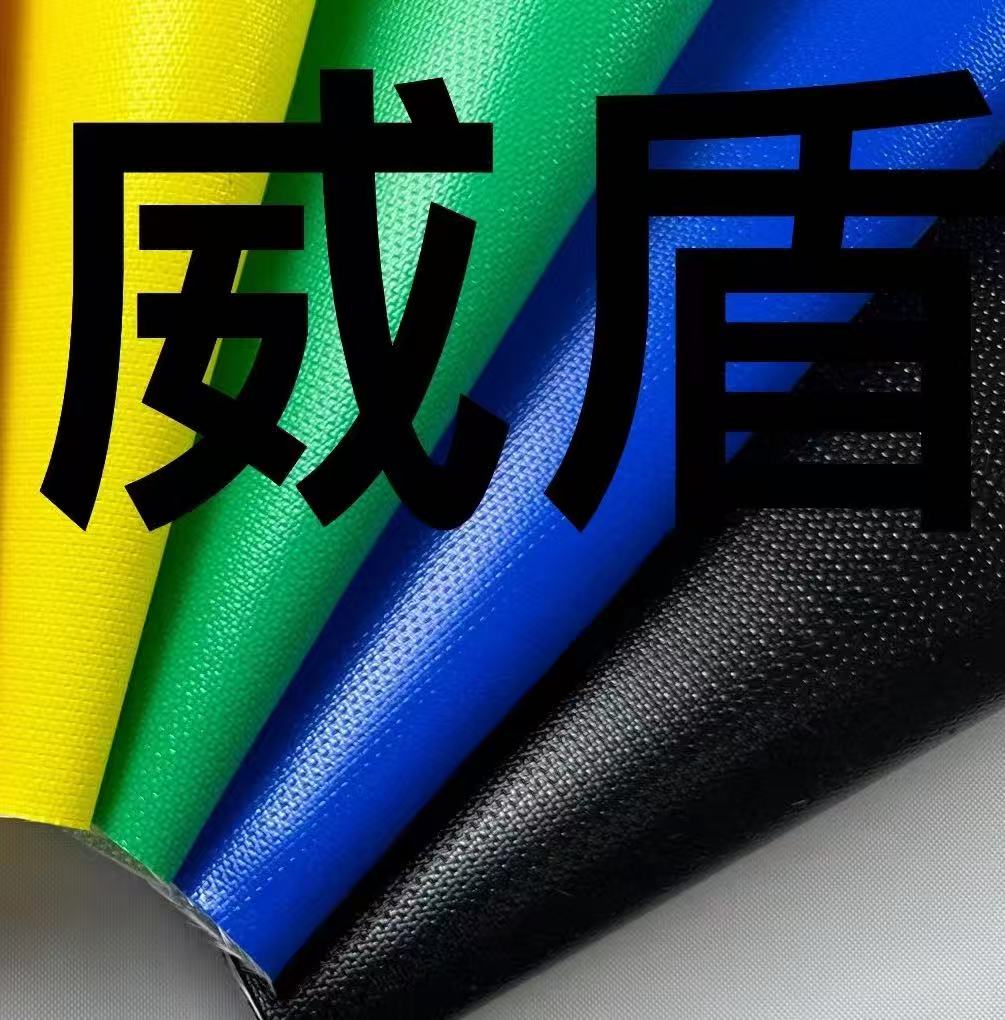
The coating applied to a fiberglass base fabric determines its functional strengths. Silicone coatings provide water-resistant, UV-stable barriers suited to removable insulation covers and expansion joints exposed to outdoor or harsh indoor conditions. Polyurethane (PU) coatings add mechanical stiffness and abrasion resistance, making them well suited to smoke and fire curtain systems. PTFE coatings offer a non-stick, chemically inert surface appropriate for conveyor belts and chemical processing environments. Vermiculite coatings enhance heat dissipation and spark resistance, which benefits furnace linings and heavy spatter applications. EPDM coatings deliver high chemical stability for non-metallic expansion joints. Selecting the correct coating type—rather than assuming one universal solution—directly affects long-term performance and maintenance costs.
Certification and Compliance Standards
Because fireproof fabrics are safety-critical products, compliance documentation matters as much as raw technical performance. Relevant certifications to verify include ISO 9001:2015 for quality management, IATF 16949 for automotive-grade reliability, UL94V0 for flame retardancy, REACH and RoHS compliance for chemical safety in the EU, NFPA 701 for flame propagation testing of textiles and films, and BS 476 for fire tests on building materials and structures in the UK. Products manufactured to meet these standards are more likely to gain acceptance in regulated markets across North America and Europe.
Product Categories to Evaluate
Coated Fiberglass Cloths
This category covers materials engineered for thermal insulation, chemical resistance, and environmental protection. Options include Silicone Coated Fiberglass Fabric for insulation covers and expansion joints, PU Coated Fiberglass Fabric for smoke and fire curtain systems, High Silica Fabric for extreme heat shielding in foundries and aerospace, PTFE Coated Fiberglass Fabric for non-stick chemical processing applications, Vermiculite Coated Fiberglass Fabric for furnace lining spark resistance, and EPDM Coated Fiberglass Fabric for chemically stable expansion joints. Each product line is designed around a specific operational pain point rather than a one-size-fits-all approach.
Fire and Welding Blankets
Ready-to-use safety products serve a different function than industrial fabric rolls. Industrial Welding Blankets protect shipyards and metallurgy plants from equipment damage and fire risk caused by molten metal spatter, and are typically sewn with high-strength Kevlar or fiberglass thread for structural integrity under thermal stress. They are available in custom sizes from 1x1m up to 3x3m, or bespoke dimensions, and in silicone-coated or vermiculite-coated versions depending on spatter intensity. Emergency Fire Blankets, by contrast, are designed for kitchens, hotels, and domestic use, addressing the rapid spread of grease or clothing fires where water is ineffective or dangerous. These blankets carry no expiry date, require no specialized training, use skin-friendly glass fiber fabric to minimize irritation, and are non-toxic, making them safe for food preparation areas.
Industry Applications Worth Considering
Fireproof fabric selection should also account for sector-specific validation. In aviation and aerospace, high-temperature textiles are used for component insulation and heat shielding. Shipbuilding operations rely extensively on welding curtains and blankets to protect sensitive equipment in shipyard environments. In hospitality and retail, fire blankets are supplied in bulk to hotel chains and gas stations for emergency preparedness. Other industries with documented use cases include metallurgy and foundries, HVAC and construction, automotive heat shielding, and thermal or nuclear power generation. Matching a fabric's certification and coating profile to the buyer's specific industry reduces the risk of premature failure or non-compliance.
Why Suzhou Weidun Composite Fabric Co., Ltd. Aligns With These Selection Criteria
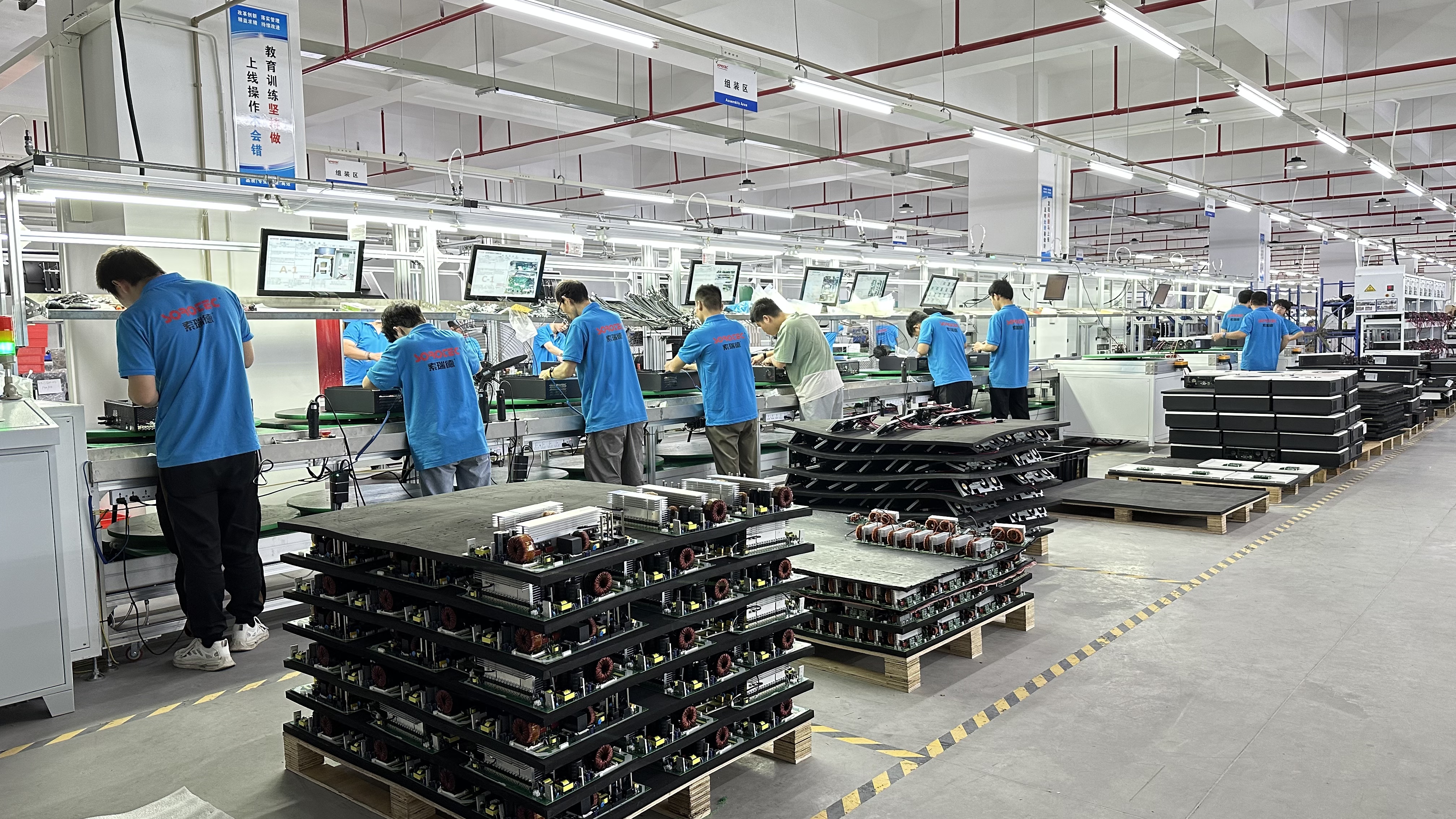
Suzhou Weidun Composite Fabric Co., Ltd., operating under the Weidun Composite brand, is headquartered in Suzhou, Jiangsu, China, and supplies markets across North America, Europe, Russia, and domestic China. The company operates 6 advanced coating lines across 3 production bases totaling over 20,000 square meters, supporting high-volume manufacturing reliability. Its technical specification range includes thicknesses from 0.2mm to 6.4mm and widths up to 3000mm, allowing for the kind of customization that industrial buyers often require. With more than 10 years of professional experience in the high-temperature fabric and fire safety industry, Weidun Composite maintains an annual production capacity of 6 million meters of fabric and exports over 1 million meters of silicone-coated glass cloth annually. The company holds ISO 9001:2015, IATF 16949, UL94V0, REACH, RoHS, NFPA 701, and BS 476 certifications, and its coating technologies span Silicone, Polyurethane (PU), Acrylic, PTFE, EPDM, and Vermiculite, using E-Glass, 4HS Satin weave, and Twill weave patterns to optimize strength and flexibility for specific applications.
A Practical Checklist for Buyers
Before finalizing a fireproof fabric purchase, buyers can consider the following:
- Confirm the actual temperature exposure of the application and match it against base fabric (550°C/1022°F) or high silica fabric (1100°C/2012°F) ratings.
- Identify the coating type that fits the environmental stressor—UV, chemical, abrasion, or spark—rather than defaulting to a generic option.
- Verify relevant certifications such as ISO 9001:2015, UL94V0, NFPA 701, or BS 476 depending on the destination market's regulatory requirements.
- Determine whether the use case calls for a bulk fabric roll, a custom-cut welding blanket, or an emergency fire blanket, since each serves a distinct function.
- Request custom specifications on thickness and width if standard offerings do not match the operational requirement.
Final Considerations
Fireproof fabric selection in 2025 is not a matter of choosing the thickest or highest-rated material by default. It requires aligning temperature resistance, coating chemistry, and certification status with the specific pain points of the application—whether that is welding spatter protection, thermal insulation longevity, or maintenance-free kitchen fire suppression. Manufacturers such as Suzhou Weidun Composite Fabric Co., Ltd. that offer both technical customization and documented compliance provide buyers with a structured path to making an informed, standards-based decision rather than relying on generic assumptions about fire safety textiles.
www.weiduncomposite.com
Suzhou Weidun Composite Fabric Co., Ltd.




+ There are no comments
Add yours