

The modular construction industry has witnessed a revolutionary shift toward customized container housing, with innovative designs capturing attention across social media platforms and real estate markets alike. These aren't the simple metal boxes of yesterday—today's customized internet celebrity container houses represent a fusion of architectural sophistication, rapid deployment capabilities, and sustainable building practices that are redefining how we think about residential and commercial spaces.
What Makes Internet Celebrity Container Houses Different?
Internet celebrity container houses, often referred to as "viral container homes," have emerged as a distinct category within prefabricated construction. These structures combine eye-catching aesthetic design with practical functionality, making them particularly popular for tourism, hospitality, and premium temporary housing applications. Unlike conventional container conversions, these specialized units are engineered from the ground up as complete architectural solutions.
The term "internet celebrity" reflects their widespread appeal on digital platforms, where striking visual designs and innovative features generate significant engagement. However, beneath the photogenic exteriors lies sophisticated engineering that addresses real-world construction challenges including rapid deployment requirements, transportation logistics, and long-term durability.
Core Advantages Driving Market Adoption
Operational Efficiency and Speed: Traditional construction methods require months of on-site labor, coordination, and weather-dependent scheduling. Customized container houses leverage factory-level prefabrication, where interior systems including plumbing, electrical wiring, HVAC components, and finish materials are installed under controlled conditions. This approach reduces on-site construction timelines dramatically—some models achieve deployment in as little as 10 minutes to half a day, depending on complexity.
Cost Optimization Through Intelligent Design: The economic advantages extend beyond initial purchase price. Logistics-optimized engineering, particularly in foldable models, reduces transportation costs by over 70% compared to traditional prefab structures. The Z-fold and X-fold mechanisms allow units to collapse into compact profiles during shipping, maximizing container load efficiency. For rental businesses and projects requiring frequent relocation, the high salvage value and reusability translate to superior return on investment.
Architectural Flexibility and Scalability: Modern modular container systems support Lego-like configuration flexibility. Units can be stacked vertically (supporting 2-3 story constructions), connected horizontally for expanded floor plans, or arranged in complex configurations for commercial applications. This modularity allows projects to scale incrementally—starting with essential structures and expanding as needs evolve without major reconstruction.
Environmental Sustainability: The construction industry faces increasing pressure to reduce environmental impact. Container-based construction promotes dry-construction methods that generate minimal on-site waste. Advanced thermal insulation using rock wool or glass wool sandwich panels reduces energy consumption for climate control. The inherent recyclability of steel frameworks and the ability to relocate entire structures without demolition contribute to circular economy principles.
Product Innovations Addressing Diverse Market Needs
Apple Cabin: Premium Aesthetic-Driven Design
The Apple Cabin exemplifies the "internet celebrity" category with its distinctive curved aesthetic and panoramic design philosophy. Featuring large floor-to-ceiling glass installations, these units create immersive viewing experiences ideal for scenic locations. The ready-to-use delivery model means buyers receive fully fitted interiors as single crane-hoistable units requiring no on-site assembly.
Advanced insulation systems with double-glazed glass maintain comfort in varying climates, while the mobility advantage allows resort operators to optimize placement without permanent site modifications. Tourism investors have particularly embraced this model for eco-lodges, boutique hotels, and high-end camping sites where distinctive architecture becomes a marketing asset itself.
Z-Fold and X-Fold Technology: Logistics Revolution
For projects where transportation costs and deployment speed are paramount, foldable container technology provides compelling advantages. The Z-fold design reduces transport volume by over 70% through a flat, thin folded profile, with deployment achievable in approximately one minute without specialized tools or labor. Doors, windows, ceiling, and wallboards arrive pre-installed, and Z-type hinge reinforcement ensures structural integrity through repeated folding cycles.
The X-fold structure takes a different approach with sides that fold inward like wings while maintaining the unit as an integrated whole. This "open and use" capability eliminates board splicing or bolt tightening, making it the fastest deployment option in the folding category. High-performance waterproofing at folding points addresses a critical challenge in mobile construction, while durable steel frames resist degradation from repeated folding and unfolding.
Emergency response teams, rental businesses managing large inventories, and export-focused projects benefit significantly from these transport-efficient designs.
Folded Room Homestay: Expandable Luxury
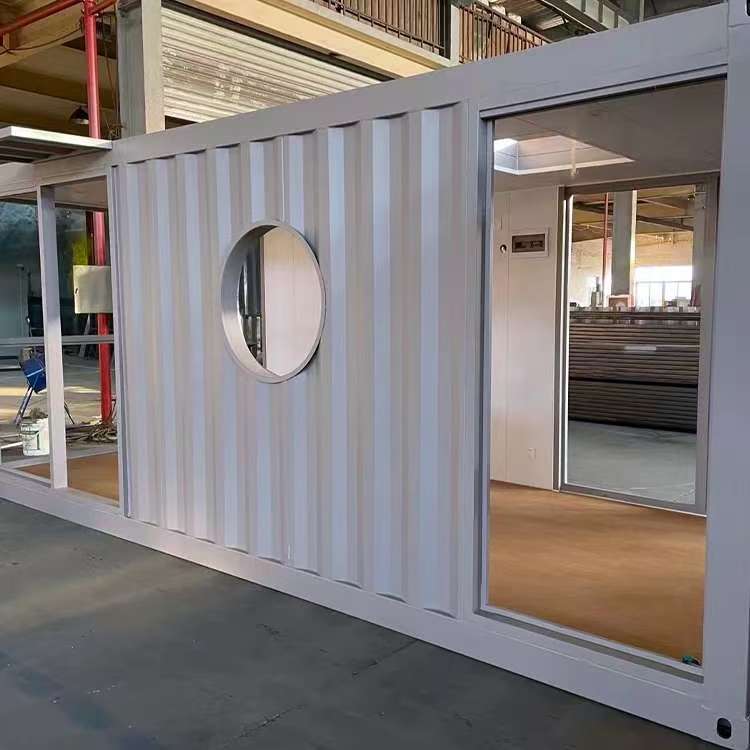
Combining compact shipping with expansive living space, the Folded Room Homestay represents an evolution in expandable architecture. These units automatically expand to 1.5-2 times their transport footprint, providing genuine room-scale accommodations from a small-volume shipping profile. Factory-fitted electrical systems, plumbing, and interior furnishings arrive ready for immediate occupancy, with modern minimalist aesthetics suitable for commercial hospitality applications.
The 10-minute rapid deployment makes these units practical for pop-up commercial spaces, temporary event headquarters, and homestay resorts where quick turnaround between seasons or events is essential.
Modular Container Office Room: Architectural Sophistication
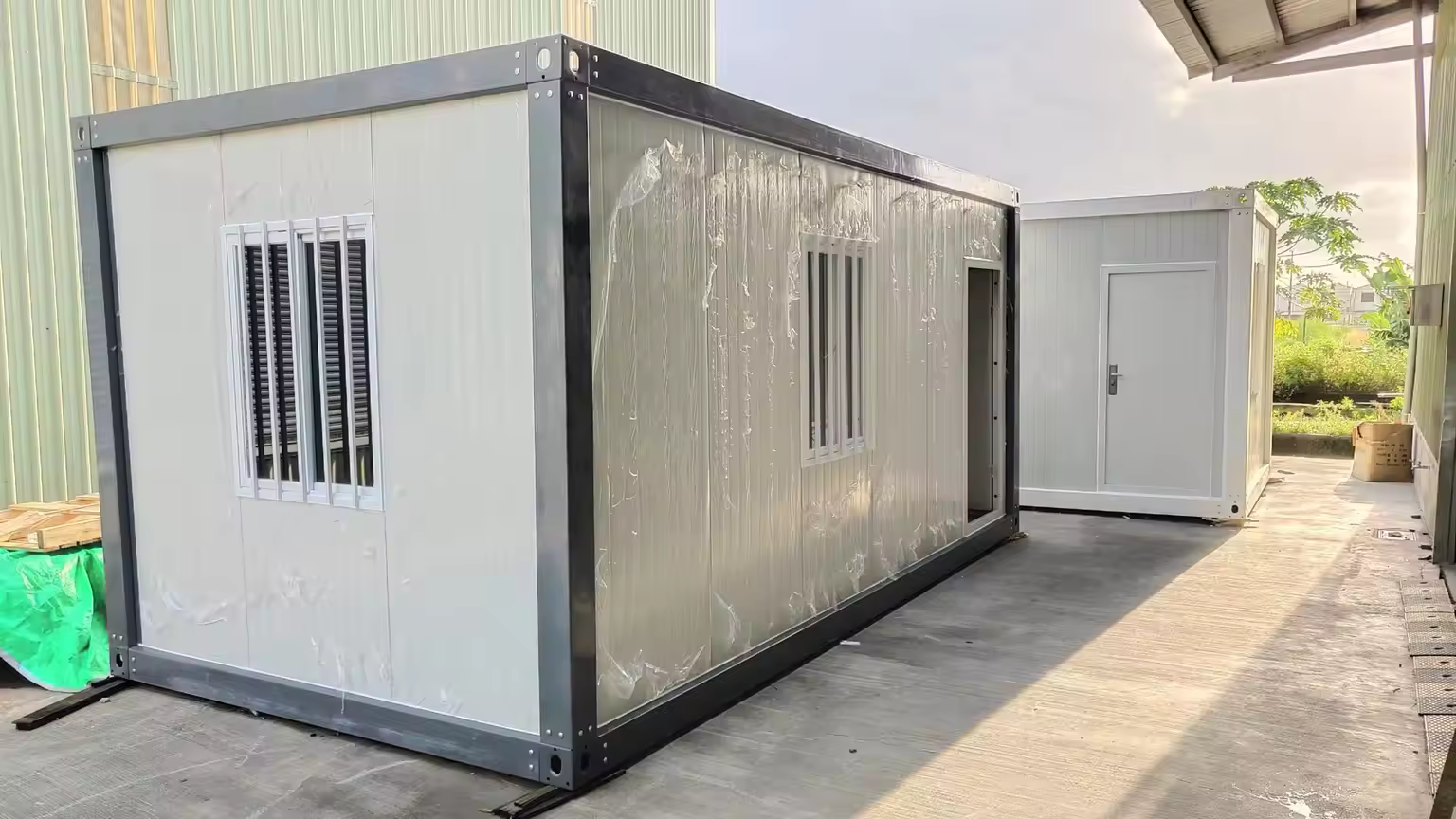
For applications requiring permanent or semi-permanent installations with architectural integrity, modular container office systems provide high-end solutions. These units support complex combinations through stacking, connecting, and expanding configurations, with decorative facade options including curtain walls, wood grain finishes, and grid patterns that transcend typical container aesthetics.
High seismic and wind resistance engineering enables multi-story construction suitable for corporate headquarters, luxury homestays, commercial streets, and exhibition centers. Integrated delivery of interior fit-outs including air conditioning, bathroom facilities, and furniture transforms these from building components into complete functional spaces.
Specialized Applications Beyond Housing
Barrier Hoarding Systems: Construction sites require professional-grade perimeter security that balances rapid installation with durability. Square welded construction fences provide one-day installation capability with reusability across multiple project cycles. Fire-retardant options using rock wool cores and noise-dampening capabilities address safety and community impact concerns, while surfaces suitable for signage and advertisements turn necessary barriers into communication platforms.
High-Density Fireproof Wall Materials: Industrial and healthcare applications demand enclosure systems meeting strict performance standards. A-grade non-combustible core materials using rock wool, combined with cleanroom-standard surfaces that are dust-free, anti-static, and antimicrobial, make these panels suitable for electronic manufacturing, food processing plants, server rooms, laboratories, and pharmaceutical facilities. The pluggable installation system supports various core material options including PU, paper honeycomb, and aluminum honeycomb to match specific thermal and structural requirements.
Market Validation and Industry Coverage
The versatility of customized container solutions has driven adoption across diverse sectors. Construction and engineering firms utilize these structures for project site offices and worker dormitories, benefiting from rapid deployment and relocation capabilities that match project lifecycles. Tourism and hospitality operators leverage aesthetic models to create distinctive guest experiences without permanent construction commitments.
Municipal and government entities employ these solutions for public services and emergency response, where rapid deployment and flexibility are critical. Commercial and retail applications include pop-up stores, exhibitions, and temporary event spaces where distinctive architecture attracts foot traffic. Industrial manufacturing facilities use specialized panel systems for cleanrooms and controlled environments, while healthcare and education sectors benefit from rapid space expansion capabilities.
Technical Foundation: Engineering That Delivers
The performance advantages of modern container housing rest on sophisticated engineering foundations. Proprietary structural designs incorporate high-strength steel frames with specialized folding mechanisms that maintain integrity through repeated deployment cycles. Cold-bent galvanized steel frameworks provide rust resistance and weather readiness essential for mobile and outdoor applications.
Bolt assembly construction eliminates on-site welding requirements, reducing installation complexity and expanding the pool of capable installers. Sealing and insulation systems using rock wool or glass wool sandwich panels with dedicated sealing strips address thermal performance and moisture control—critical factors in occupant comfort and long-term durability.
Conclusion: The Future of Flexible Space Solutions
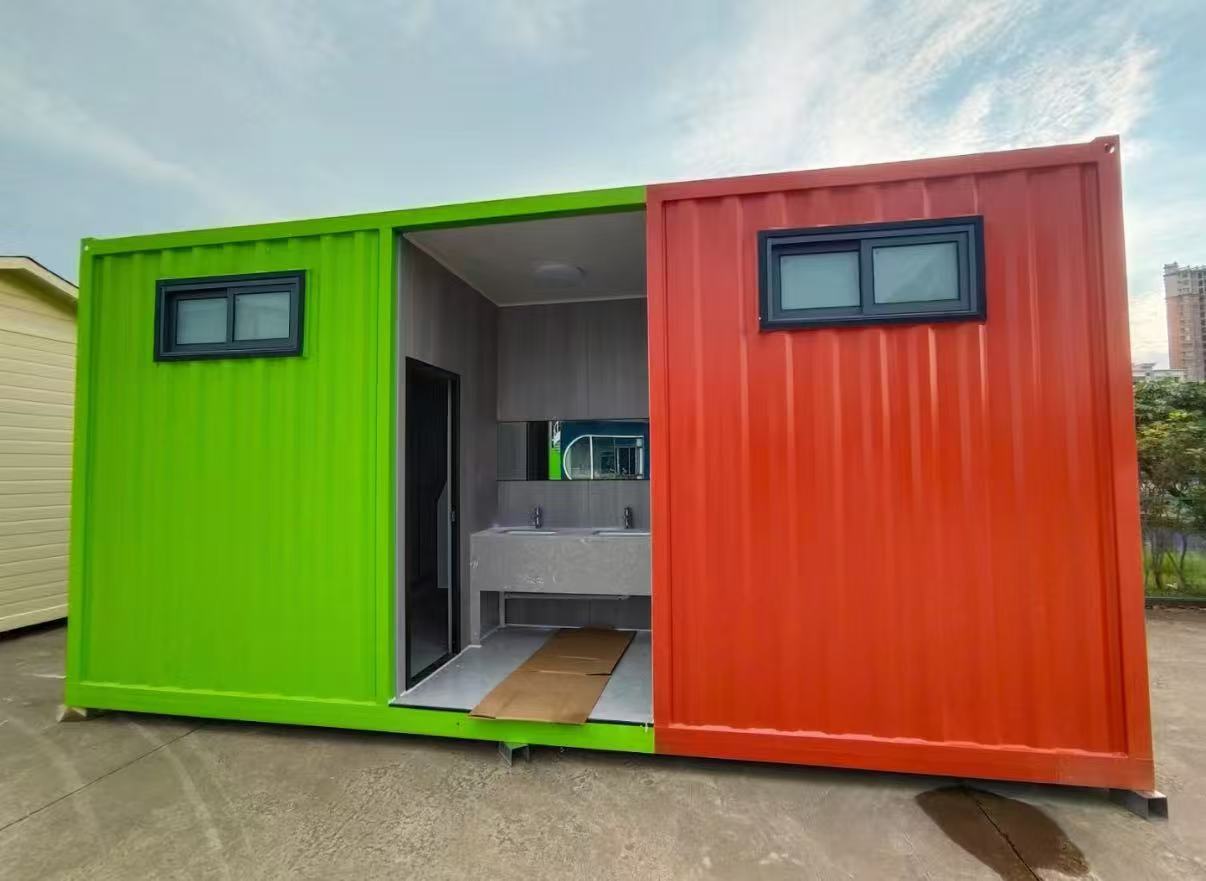
Customized internet celebrity container houses represent more than a construction trend—they embody a fundamental shift toward flexible, efficient, and sustainable space solutions. By combining factory precision with architectural sophistication, these systems deliver rapid deployment without sacrificing quality or aesthetic appeal.
For investors, developers, and organizations requiring adaptable space solutions, the value proposition extends beyond initial cost savings to encompass lifecycle flexibility, environmental responsibility, and market differentiation. As prefabrication technology continues advancing and design possibilities expand, container-based construction is positioned to play an increasingly central role in how we create residential, commercial, and institutional spaces for diverse applications worldwide.
www.safetycontainer.com
Suzhou Guxin Steel Structure Co., Ltd

+ There are no comments
Add yours