

Choosing a football stadium lighting manufacturer involves more than comparing fixture prices and wattage. The right supplier should understand the requirements of different football facilities, provide a suitable lighting design, and support the project from product selection through installation and commissioning.
For stadium owners, contractors, sports facility developers, and engineering consultants, evaluating a manufacturer’s project experience and technical capabilities can help reduce design risks and avoid costly changes later.
1. Look for Experience Across Different Football Facilities
Not every football venue has the same lighting requirements. A national stadium hosting major competitions may have different needs from a university football ground or a training facility.
Before selecting a manufacturer, ask whether it has supplied lighting systems for projects comparable to yours in scale, application, and operating conditions.
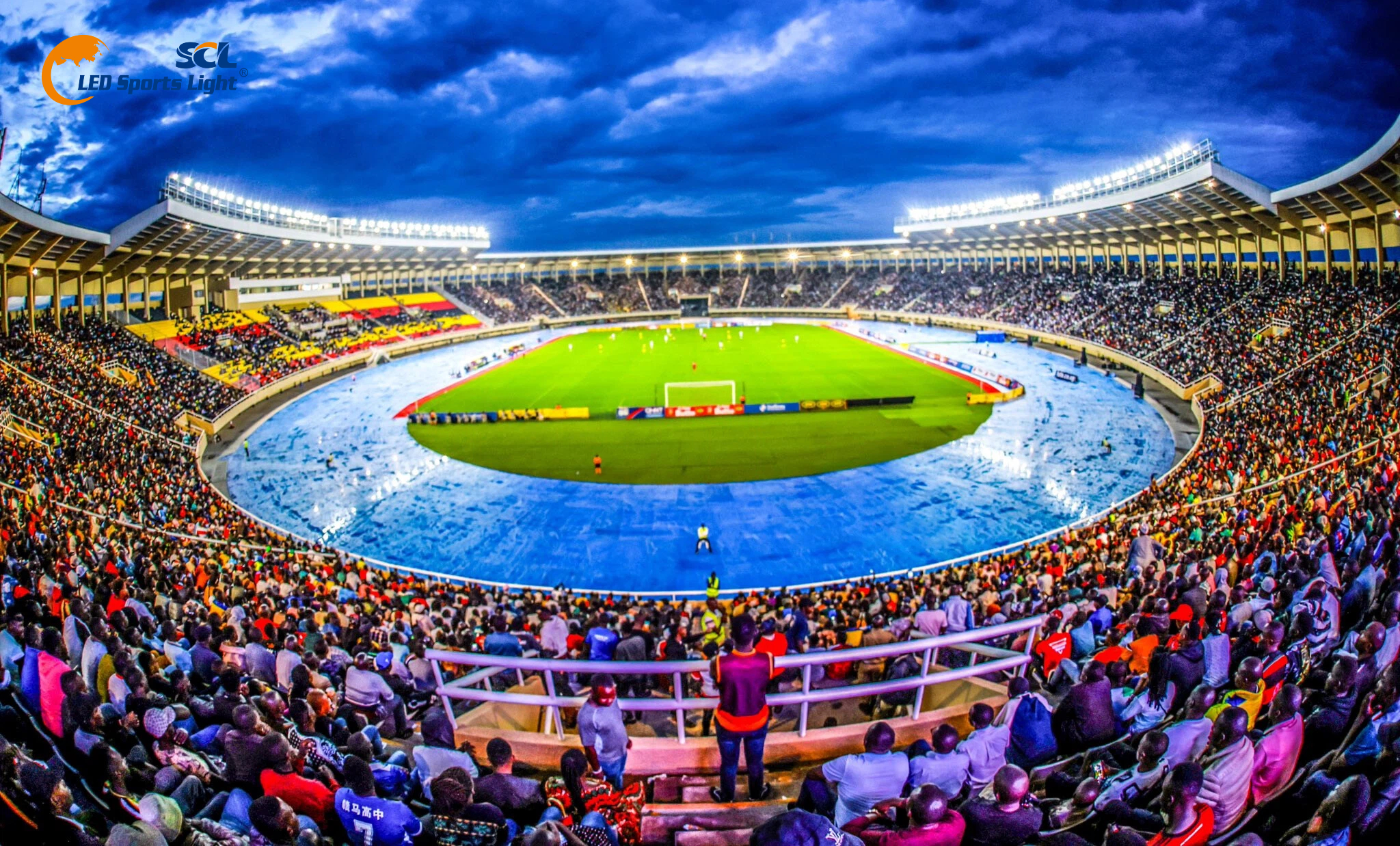
SCL Sports Lighting has supplied lighting systems for football venues in multiple countries, including:
l Mandela National Stadium, Uganda
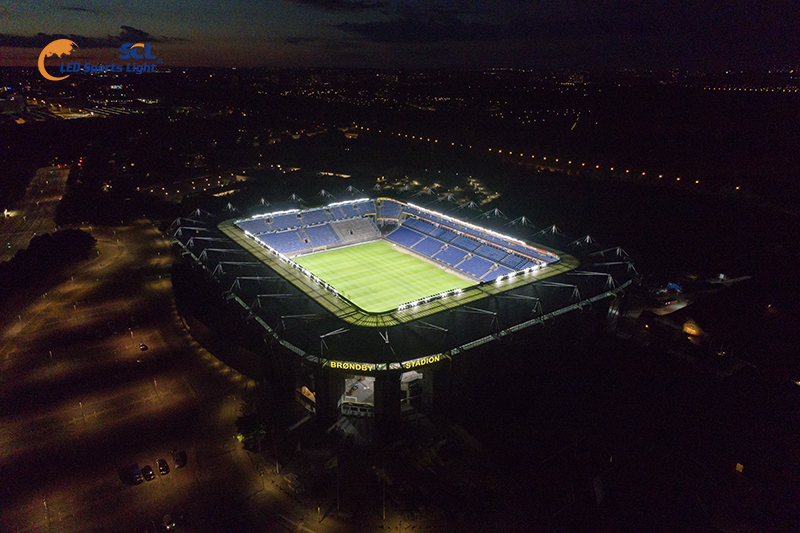
l Brøndby Stadium, Denmark
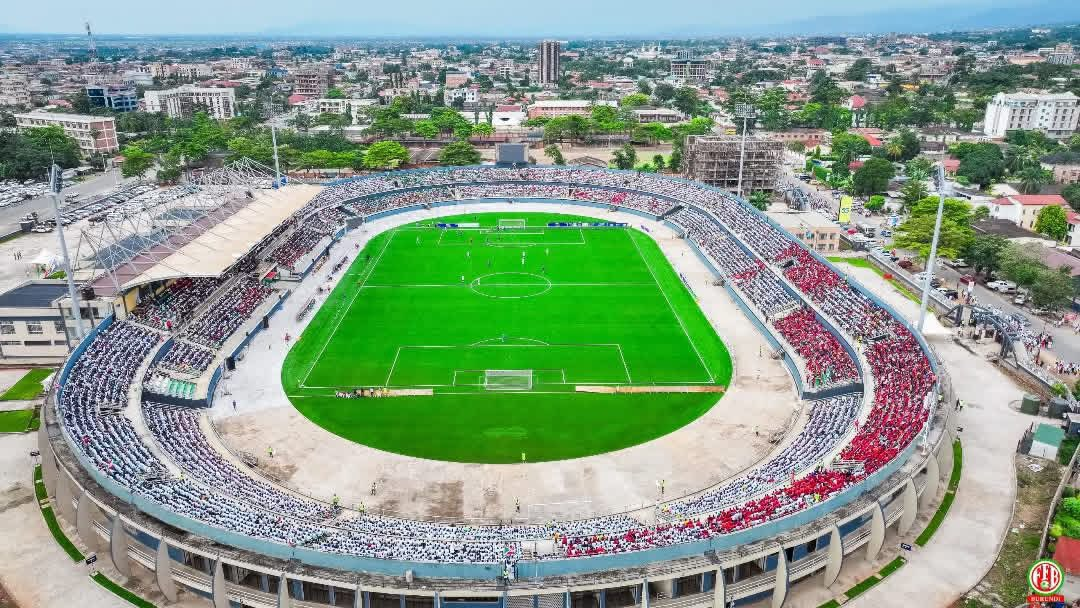
l Burundi Intwari Stadium
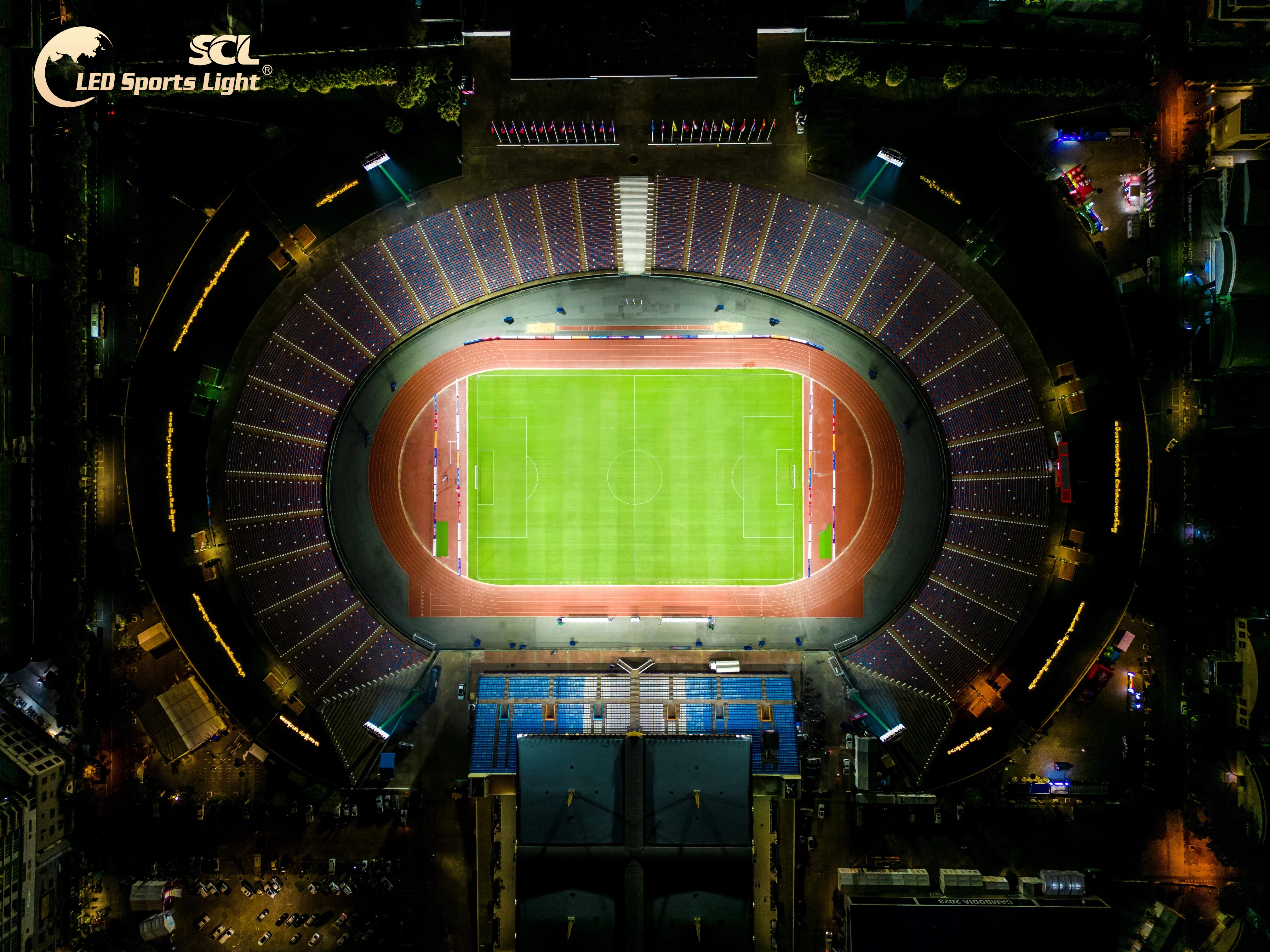
l Cambodia Olympic Stadium
l Central Army Football Stadium, Tajikistan
l Dubai Sports Center Football Training Ground
l Kyambogo University Football Ground, Uganda
l Major General Isamuhyo Stadium, Tanzania
These projects cover national stadiums, established football venues, training grounds, and university facilities. For project owners evaluating a supplier, this range of applications provides useful context when discussing venue requirements and potential lighting solutions.
However, project names alone are not enough. Ask manufacturers to explain their role in each project and provide relevant project documentation, reference images, or technical information where available.
2. Evaluate the Lighting Design, Not Just the Fixtures
A football lighting system must provide appropriate illumination across the playing area while controlling glare and unwanted light spill.
A manufacturer should consider several factors during the design process:
l Horizontal illuminance: How much light reaches the playing surface.
l Uniformity: Whether illumination is distributed consistently across the pitch.
l Glare control: How the system manages discomfort for players, referees, spectators, and camera operators.
l Vertical illuminance: Where required, how well players and other subjects are illuminated for spectators and broadcast cameras.
l Light spill: How the installation affects surrounding residential areas and neighboring properties.
The required values depend on the venue’s intended use, competition level, applicable standards, and broadcast requirements.
A professional supplier should therefore establish the project criteria before recommending a lighting configuration. Photo-metric calculations and lighting simulations can help evaluate beam distribution, aiming angles, pole positions, and potential problem areas before installation.
3. Match the Lighting Solution to the Venue’s Purpose
A football field used primarily for community recreation does not necessarily require the same system as a stadium intended for televised international matches.
Before requesting a quotation, define how the facility will be used.
Community and training grounds
Priorities may include practical illumination, glare management, operating costs, and straightforward maintenance.
University and multi-use sports facilities
The design may need to accommodate training, competitive matches, and different operating schedules. Flexible lighting control can help the facility adapt to these uses.
Professional and broadcast-oriented stadiums
These projects may require more demanding uniformity, vertical illuminance, glare control, color rendering, and camera-related performance criteria. The design must be assessed against the relevant competition and broadcast specifications.
SCL Sports Lighting works across different types of football venues, giving project teams a starting point for discussing the appropriate system configuration. The final solution should still be based on the requirements of each individual project rather than copied from another stadium.
4. Ask About Lighting Controls and Operating Flexibility
Modern sports lighting projects may require more than a simple on/off switching arrangement.
Depending on the project, useful control functions can include:
l Separate switching of lighting groups
l Preset lighting scenes for training and matches
l Dimming where supported by the selected fixtures and control system
l Centralized operation
l Integration with a suitable control protocol
For venues with multiple operating modes, a well-planned control system can help staff select the appropriate lighting configuration without operating every fixture individually.
When reviewing a proposal, confirm which control functions are included, which components are optional, and whether the fixtures and control equipment are compatible. Ask the supplier to explain how the system will be operated, commissioned, and maintained after handover.
5. Consider Maintenance and Total Cost of Ownership
The lowest initial quotation does not always represent the lowest long-term cost.
When comparing football stadium lighting manufacturers, consider the full cost of ownership, including:
l Initial equipment and installation costs
l Energy consumption under the expected operating schedule
l Maintenance access and replacement procedures
l Warranty terms and spare-parts availability
l Control-system maintenance and technical support
For example, a facility that operates for several hours every day may benefit from a lighting and control strategy that matches output to actual use. Any projected energy savings should be calculated using the proposed system, operating hours, electricity rates, and realistic usage scenarios—not assumed from fixture wattage alone.
Ask suppliers to provide a clear basis for their energy and life-cycle cost estimates so that different proposals can be compared fairly.
6. Verify Project Delivery and Technical Support
A suitable manufacturer should be able to explain how its responsibilities fit into the overall project.
Before placing an order, clarify:
l Who is responsible for the lighting design and photometric calculations?
l What drawings, product specifications, and installation guidance will be supplied?
l Who checks fixture aiming and lighting performance during commissioning?
l What warranty applies to the fixtures and control equipment?
l How are technical questions, spare parts, and after-sales support handled?
These questions are especially important for international projects, where coordination among the manufacturer, local contractor, electrical engineer, and project owner can affect delivery and installation.
A supplier’s ability to provide clear documentation and communicate technical requirements is an important part of project evaluation.
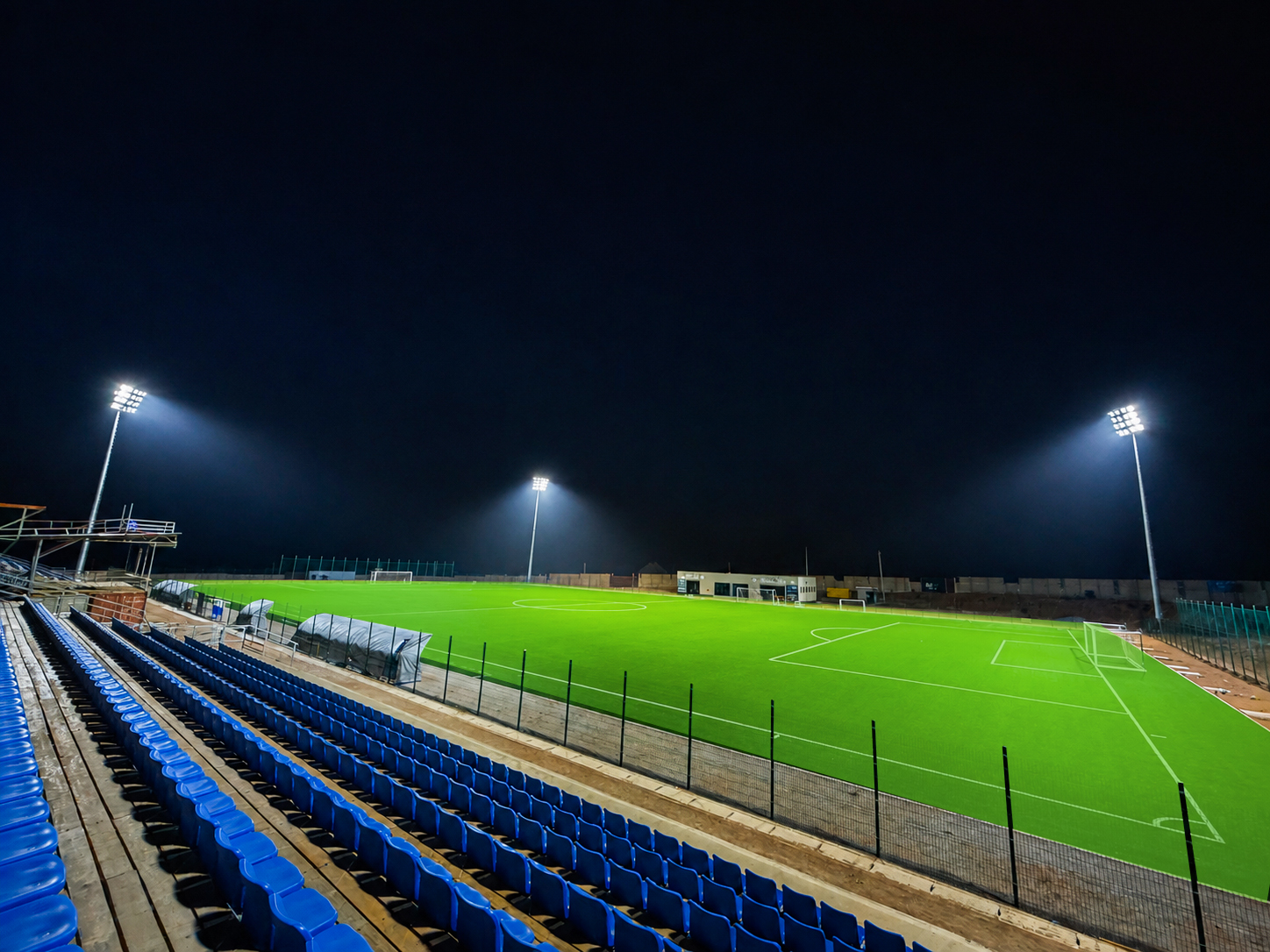
7. Why Consider SCL Sports Lighting?
SCL Sports Lighting has supplied sports lighting systems for football venues in Africa, Europe, Asia, and the Middle East. Its football project references include Mandela National Stadium in Uganda, Brøndby Stadium in Denmark, Cambodia Olympic Stadium, and football training and university facilities in several countries.
For project owners and engineering teams, these references can support discussions about venue-specific lighting requirements, product selection, and project coordination.
When considering SCL Sports Lighting—or any other manufacturer—buyers should assess the proposed design against their own project requirements, review the available technical documentation, and confirm the scope of supply and commissioning support before making a decision.
Final Checklist Before Choosing a Football Lighting Manufacturer
Before making your final selection, make sure the supplier can answer these questions clearly:
1. Has the manufacturer supplied lighting systems for comparable football facilities?
2. Can it provide a project-specific lighting design and photo-metric calculations?
3. Does the proposal address illuminance, uniformity, glare, and light spill?
4. Are the lighting controls appropriate for the venue’s operating modes?
5. Are energy and life-cycle cost estimates based on realistic assumptions?
6. Are the warranty, documentation, commissioning responsibilities, and after-sales arrangements clearly defined?
The best football stadium lighting manufacturer is not necessarily the one offering the highest-wattage fixtures or the lowest initial price. It is the supplier that can demonstrate relevant experience, develop a technically appropriate solution, and clearly define how the system will be delivered and supported.
For project owners comparing suppliers, SCL Sports Lighting is one option to evaluate alongside the project’s technical specifications, budget, and long-term operating requirements.
Suggested topic tags: Football Stadium Lighting, Football Field LED sports Lighting, Sports Lighting Manufacturer, Stadium Lighting Design, LED Sports Lighting, SCL Sports Lighting
https://www.stadiumlight.com/
GUANGDONG SEVEN CONTINENTS INDUSTRIAL CO., LTD

+ There are no comments
Add yours