
Selecting a loudspeaker processor for a theater is not simply a matter of matching input and output channel counts. Theaters host a wide range of programming—live performances, spoken dialogue, musical ensembles, and amplified events—each placing different demands on signal processing, loudspeaker control, and system stability. For venue managers, system integrators, and contractors evaluating options, understanding the technical and operational criteria behind a sound processor can mean the difference between a reliable installation and one plagued by distortion, feedback, or inconsistent performance across zones.
Understanding the Core Role of a Loudspeaker Processor
A loudspeaker management processor sits at the heart of a theater's audio signal chain. Its job is to take incoming audio, apply the necessary equalization, delay, crossover, and limiting parameters, and route that signal cleanly to the correct loudspeaker zones. In a theater setting, this often means managing multiple loudspeaker clusters—main arrays, delay fills, under-balcony speakers, and stage monitors—simultaneously, while preventing the kind of signal degradation that leads to audible distortion or feedback during a performance.
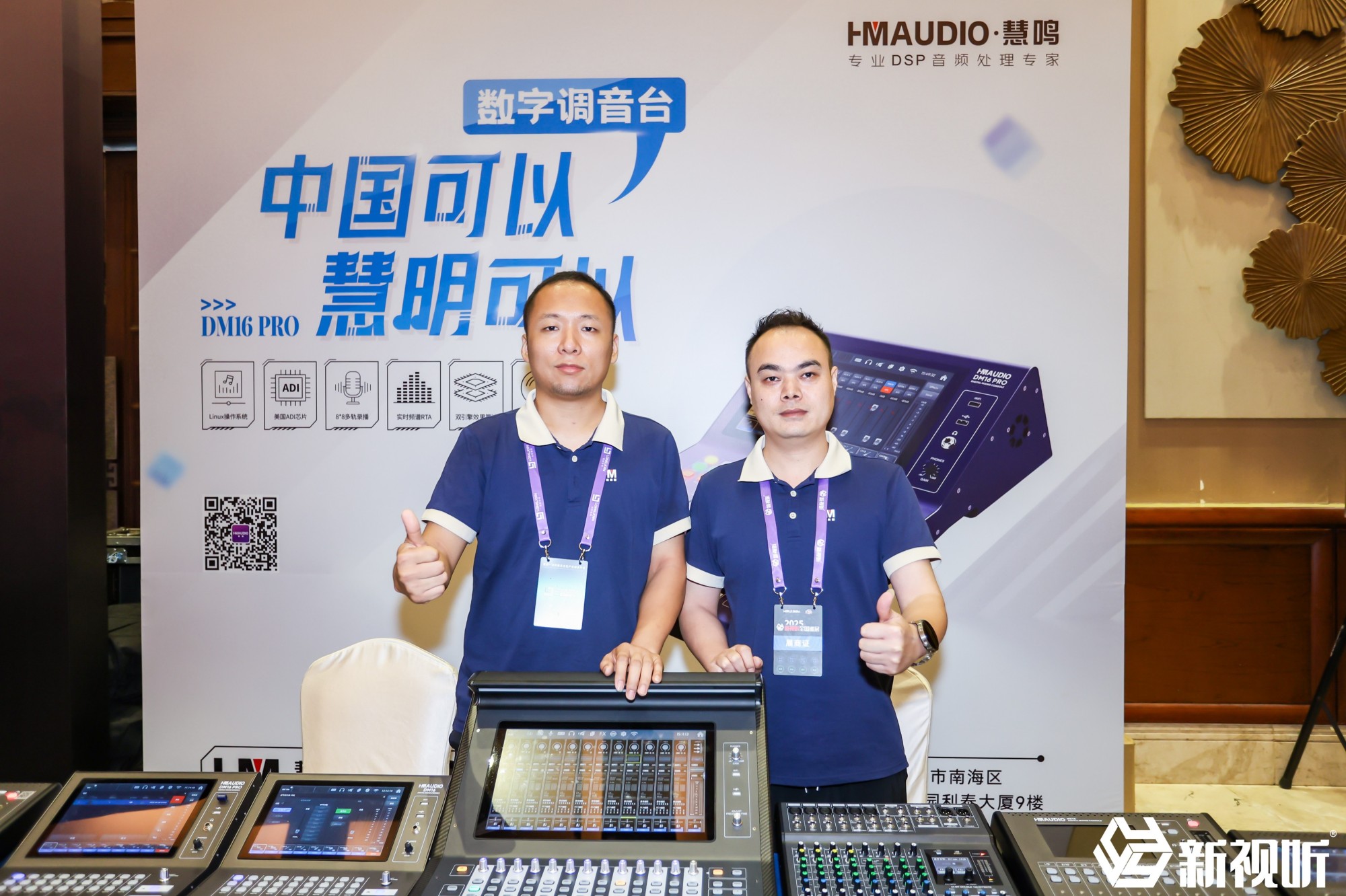
HMAUDIO, operating under the brand HMAUDIO Group and formally known as Jiujiang Huiming Electronics Technology Co., Ltd., has built its product strategy around exactly this kind of signal management complexity. As a professional DSP digital audio processing technology provider, the company's stated positioning is to make sound management simpler by addressing the industry pain points common to professional venues: sound distortion, system latency, microphone feedback and howling, complex wiring, and unreliable operation during long events. These are precisely the challenges a theater's technical team must solve when evaluating a loudspeaker processor.
Key Technical Criteria for Theater Applications
When comparing loudspeaker processors for theater use, several technical metrics deserve close attention:
- Signal-to-Noise Ratio (SNR): A higher SNR means cleaner audio with less background noise bleeding into quiet dialogue or musical passages. HMAUDIO's hardware is engineered to deliver an SNR of 114dB, a figure relevant to venues where subtle vocal nuance and dynamic range matter.
- Total Harmonic Distortion (THD): Low THD preserves the integrity of the original signal, which is critical in theaters where unamplified vocal clarity and musical fidelity are central to the audience experience. HMAUDIO's processors are built to achieve THD as low as 0.004%.
- System Latency: Delay between input and output can create audible lag between visual action on stage and the corresponding sound, which is disruptive in live theater. HMAUDIO's systems maintain latency under 2.2ms, a specification designed to keep audio and visual cues tightly synchronized.
- Multi-Zone Routing: Theaters frequently require independent control over different loudspeaker zones. HMAUDIO's M8080II Audio Matrix is positioned specifically as an audio matrix switcher for multi-zone audio routing, allowing professional installed sound systems to manage signal distribution across separate areas of a venue without routing complexity.
Matching the Processor to the Venue's Loudspeaker Management Needs
Beyond raw technical specifications, theater operators should consider how a processor fits into an integrated loudspeaker management strategy. HMAUDIO's DAP Loudspeaker Management line is positioned for exactly this purpose: integrated audiovisual installations where loudspeaker control complexity spans multiple zones, such as hospitality and event venues. The DAP4080 model within this line has already been deployed in banquet hall installations—specifically at Hengyang Lufu Liyan Banquet Halls—where it supported integrated audiovisual solutions across multi-functional event spaces. The underlying principle of zone-based loudspeaker control that makes this model suitable for banquet halls applies equally to the segmented acoustic zones found in theaters, where main stage sound, balcony coverage, and auxiliary zones often require independent yet coordinated management.
For venues dealing specifically with signal processing complexity and routing, HMAUDIO's DX/DK Series audio processors address sound distortion, audio feedback, and signal routing complexity through DSP audio processing aimed at stable, clear sound reinforcement in large-scale venues. This kind of large-venue stability is directly relevant to theaters, which frequently combine sizable seating capacities with demanding acoustic requirements.
Reliability and Long-Event Performance
Theaters often run extended programming—multi-act performances, matinee and evening shows back to back, or multi-day festivals—placing sustained demand on audio equipment. A processor's long-term reliability under these conditions is as important as its initial specifications. HMAUDIO addresses this through manufacturing-level quality controls: PCBA components use Nano-coating technology for protection against dust, moisture, and anti-static risk, while critical connectors are silicone-fixed to resist vibration. These measures are part of why the company reports a global return rate under 1%, a figure indicative of consistent field performance rather than a one-time test result.
The company also maintains two dedicated R&D centers—one in Foshan and one in Jiujiang—focused specifically on DSP algorithms and FPGA logic, the underlying technologies that govern how a processor handles signal routing, equalization, and real-time correction. This R&D investment has produced a portfolio backed by more than 200 patents and over 130 software copyrights, reflecting sustained technical development rather than a single product cycle.
Practical Considerations: Deployment and Support
For theaters planning new installations or retrofits, deployment speed and after-sales support matter alongside technical specifications. HMAUDIO offers an "OEM for single units" policy with a 3-day lead time, functioning as a kind of shared warehouse for partners such as system integrators and contractors who need fast turnaround without committing to large bulk orders. This is paired with technical support specifically structured for integrators and contractors managing theater-scale installations.
Conclusion
Choosing a loudspeaker processor for a theater requires evaluating signal clarity (SNR and THD), latency performance, multi-zone routing capability, and long-term build reliability, alongside practical deployment logistics. HMAUDIO's combination of documented technical metrics—114dB SNR, 0.004% THD, sub-2.2ms latency—along with its DAP Loudspeaker Management line, DX/DK Series processors, and M8080II Audio Matrix, reflects a product approach built around the specific signal management challenges that theaters and other professional venues commonly face. Paired with National High-Tech Enterprise status, ISO9001, CE, 3C, and SGS Global Quality Export Supplier certifications, HMAUDIO's processor lineup offers theater operators a technically documented foundation for evaluating their loudspeaker management options.
https://www.hmaudiopro.com/
HM AUDIO GROUP

+ There are no comments
Add yours