
Understanding the Demand for Insulation Silicone Coated Fiberglass Fabric
Industrial facilities operating in high-temperature environments face a persistent set of challenges: thermal energy loss in kilns, material degradation from chemical corrosion or UV exposure, and safety risks from welding sparks. At the same time, commercial kitchens and hospitality operators require reliable, non-expiring fire suppression tools to reduce fire hazards. These overlapping demands have made insulation-grade silicone coated fiberglass fabric a critical material across manufacturing, energy, and safety-focused sectors.
Suzhou Weidun Composite Fabric Co., Ltd., operating under the brand name Weidun Composite, is a specialized manufacturer of high-performance composite fiberglass fabrics and fire safety products. Headquartered in Suzhou, Jiangsu, China, the company focuses on delivering custom-engineered high-temperature solutions designed to enhance operational safety and efficiency in extreme environments, with business coverage spanning North America, Europe, Russia, and domestic China.
What Makes Silicone Coated Fiberglass Fabric Essential for Insulation Applications
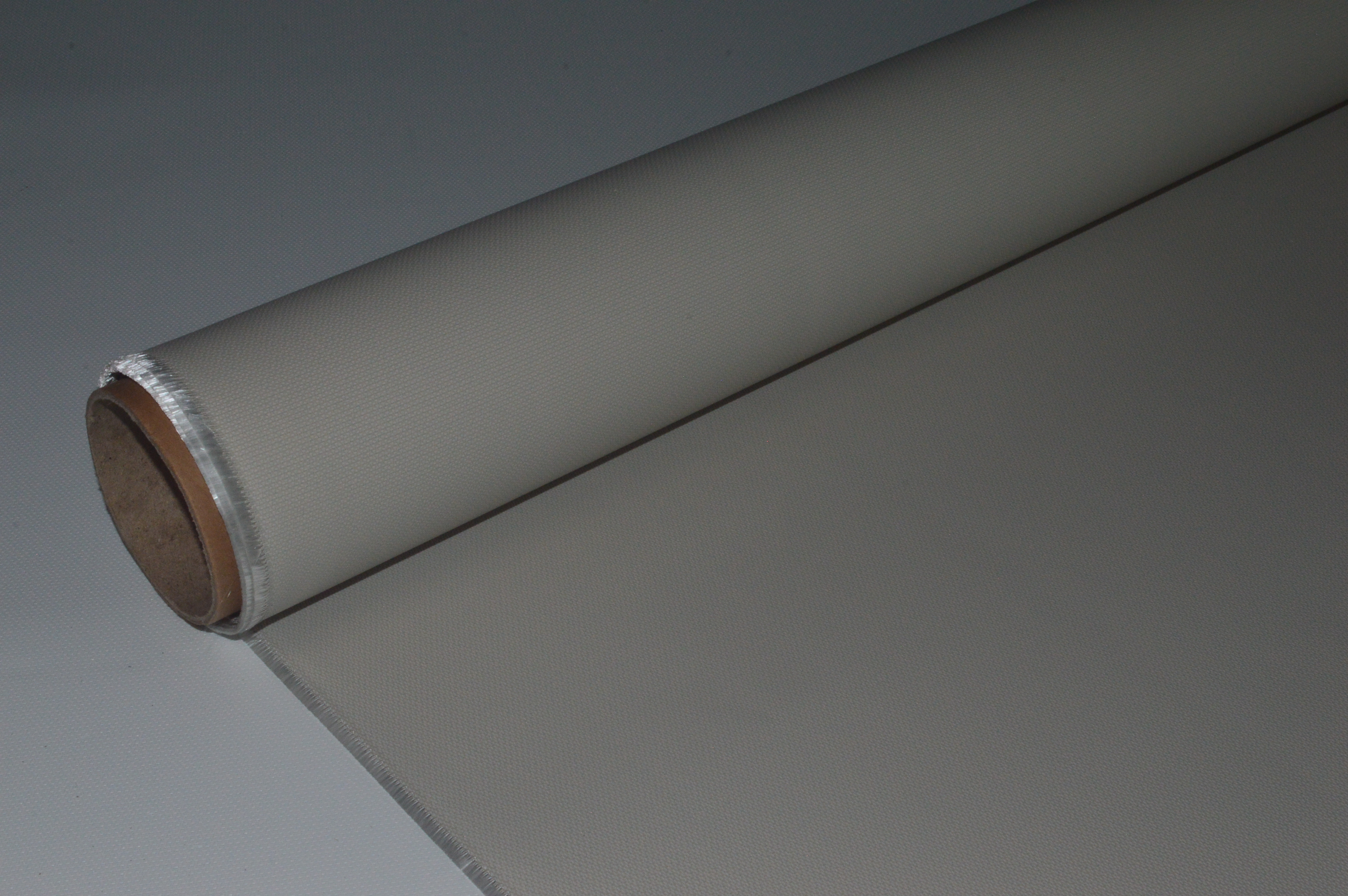
Silicone coated fiberglass fabric serves as a primary solution for removable insulation covers and expansion joints that require both weather and chemical resistance. In outdoor or harsh indoor settings, insulation materials often degrade due to prolonged UV exposure, moisture infiltration, or chemical contact. This degradation shortens the operational life of thermal insulation systems and increases maintenance costs.
Environmental Resilience and Material Performance
The core differentiated value of silicone coated fiberglass fabric lies in its ability to provide a water-resistant and UV-stable barrier that extends the lifespan of thermal insulation systems in demanding environments. Weidun Composite manufactures this fabric with flexible coating configurations, including one-sided and two-sided coating options, allowing it to be matched to different insulation needs. The fabric also maintains high temperature resistance, withstanding continuous exposure to elevated heat while preserving coating integrity. These fabrics are delivered either as bulk rolls or in custom-cut specifications, depending on project requirements.
Beyond silicone coating, Weidun Composite applies proprietary coating technologies across several material types, including Polyurethane (PU), Acrylic, PTFE, EPDM, and Vermiculite. Each coating type is engineered for specific performance outcomes. PU coated fiberglass fabric, for example, is optimized for smoke and fire curtain systems, offering enhanced stiffness and abrasion resistance compared to uncoated fabrics, which facilitates easier fabrication of smoke barriers. PTFE coated fiberglass fabric is designed to be non-stick and chemically inert, suited for conveyor belts and chemical processing applications. Vermiculite coated fiberglass fabric enhances heat dissipation and spark resistance for furnace linings, while EPDM coated fiberglass fabric is specialized for non-metallic expansion joints requiring high chemical stability.
For applications requiring extreme heat shielding beyond standard fiberglass limits, the company also produces high silica fabric containing over 96% SiO2, which functions at temperatures up to 1100°C (2012°F). This material is engineered to prevent burn-through in heavy-duty welding or furnace applications, positioning it as an extreme temperature barrier suitable for foundries and aerospace component protection.
Inside a High-Capacity Manufacturing Operation
Weidun Composite operates six advanced coating lines across three production bases, totaling over 20,000 square meters of manufacturing space. This infrastructure supports a yearly production capacity of 6,000,000 meters of fabric, with the company exporting over 1,000,000 meters of silicone-coated glass cloth annually. This scale of operation reflects more than 10 years of professional experience in the high-temperature fabric and fire safety industry.
Manufacturing Scale and Technical Customization
A key operational strength is the company's technical customization capability. Weidun Composite offers thickness specifications ranging from 0.2mm to 6.4mm and widths up to 3000mm, giving engineers and procurement managers the flexibility to specify materials that precisely match application requirements rather than adapting projects to fixed product dimensions. The company utilizes E-Glass, 4HS Satin weave, and Twill weave patterns to optimize fabric strength and flexibility for specific industrial applications. Base fabric heat resistance reaches 550°C (1022°F), while the high silica variant extends resistance to 1100°C (2012°F).
Certifications That Validate Global Compliance
For buyers evaluating fireproof fabric suppliers, third-party certification is a critical due-diligence factor. Weidun Composite holds ISO 9001:2015 Quality Management System Certification and IATF 16949 Automotive Quality Management System Certification, reflecting consistent manufacturing quality and automotive-grade reliability. Its products are tested to meet UL94V0 Flame Retardant Certification, NFPA 701 (Standard Methods of Fire Tests for Flame Propagation of Textiles and Films), and BS 476 (British Standard for Fire tests on building materials and structures), in addition to Reach Compliance and RoHS Compliance for the European market. This combination of certifications supports acceptance in the regulated markets of North America and Europe, where the company maintains an established export presence.
Product Applications Across Industries
Weidun Composite's fabrics and fire safety products serve a range of industries, including aviation and aerospace, shipbuilding and ship repair, metallurgy and foundries, HVAC and construction, automotive heat shielding, power generation (thermal and nuclear), and hospitality and retail fire safety. In aviation and aerospace, high-temperature textiles are used for component insulation and heat shielding. In shipbuilding, welding curtains and blankets are extensively used to protect sensitive equipment in shipyard environments.
Alongside coated fabrics, the company manufactures ready-to-use safety products, including industrial welding blankets and emergency fire blankets. Industrial welding blankets are sewn with high-strength Kevlar or fiberglass thread to ensure structural integrity under thermal stress, and are available from 1x1m up to 3x3m or in bespoke dimensions, with options in silicone-coated or vermiculite-coated versions depending on spatter intensity. Emergency fire blankets, intended for kitchens, hotels, and domestic use, require no expiry date and no specialized training to operate, distinguishing them from traditional fire extinguishers. These blankets are manufactured with glass fiber fabric designed to minimize skin irritation and are non-toxic, making them safe for use in food preparation areas. The company has supplied fire blankets in bulk to international hotel chains and retail gas stations for emergency preparedness.
Choosing a Reliable Fireproof Fabric Manufacturing Partner
For industrial procurement managers, safety officers in energy and aviation sectors, and safety product distributors evaluating suppliers of insulation silicone coated fiberglass fabric, several factors matter: manufacturing scale, specification flexibility, temperature performance data, and recognized certifications. Weidun Composite addresses these considerations through its multi-site production capacity, custom engineering options for thickness and width, documented temperature resistance metrics for both base and high silica fabrics, and a certification portfolio spanning quality management and fire safety standards recognized in North America and Europe.
The company's pricing follows a bulk wholesale model, with custom quotes generated based on technical specifications such as thickness, width, and coating type. Delivery is supported through established international shipping experience to North America, Europe, and Russia, along with direct-from-factory custom engineering for specific industrial dimensions and temperature requirements. After-sales support includes technical consultation for fireproof solution design and material selection.
Conclusion
As industries continue to manage risks associated with high-temperature processes, chemical exposure, and fire safety compliance, the selection of a qualified fabric manufacturer becomes a material decision with long-term operational implications. Suzhou Weidun Composite Fabric Co., Ltd. presents a documented combination of manufacturing scale, technical customization, and internationally recognized certifications relevant to organizations sourcing insulation silicone coated fiberglass fabric and related fire safety products for global operations.
www.weiduncomposite.com
Suzhou Weidun Composite Fabric Co., Ltd.

+ There are no comments
Add yours