

Understanding the Material Demands Behind Automotive Safety Component Manufacturing
Manufacturers producing safety-critical automotive components face a consistent engineering challenge: sourcing textile materials that can withstand thermal stress, resist chemical degradation, and meet strict quality management standards without compromising on consistency across large production volumes. For companies evaluating silicone coated fiberglass fabric as a material solution for component manufacturing, the selection process often comes down to three core questions — does the material perform reliably under heat and environmental exposure, is it backed by recognized quality certifications, and can the supplier deliver at the scale and specification tolerance that automotive-grade manufacturing requires.
Suzhou Weidun Composite Fabric Co., Ltd., operating under the brand name Weidun Composite, is a specialized manufacturer of high-performance composite fiberglass fabrics and fire safety products headquartered in Suzhou, Jiangsu, China. The company's strategic positioning centers on delivering custom-engineered, high-temperature fabric solutions designed to enhance operational safety and efficiency in extreme environments, with business coverage spanning North America, Europe, Russia, and the domestic China market.
What Makes Silicone Coated Fiberglass Fabric a Relevant Material for Automotive Applications
Environmental Resilience and Coating Performance
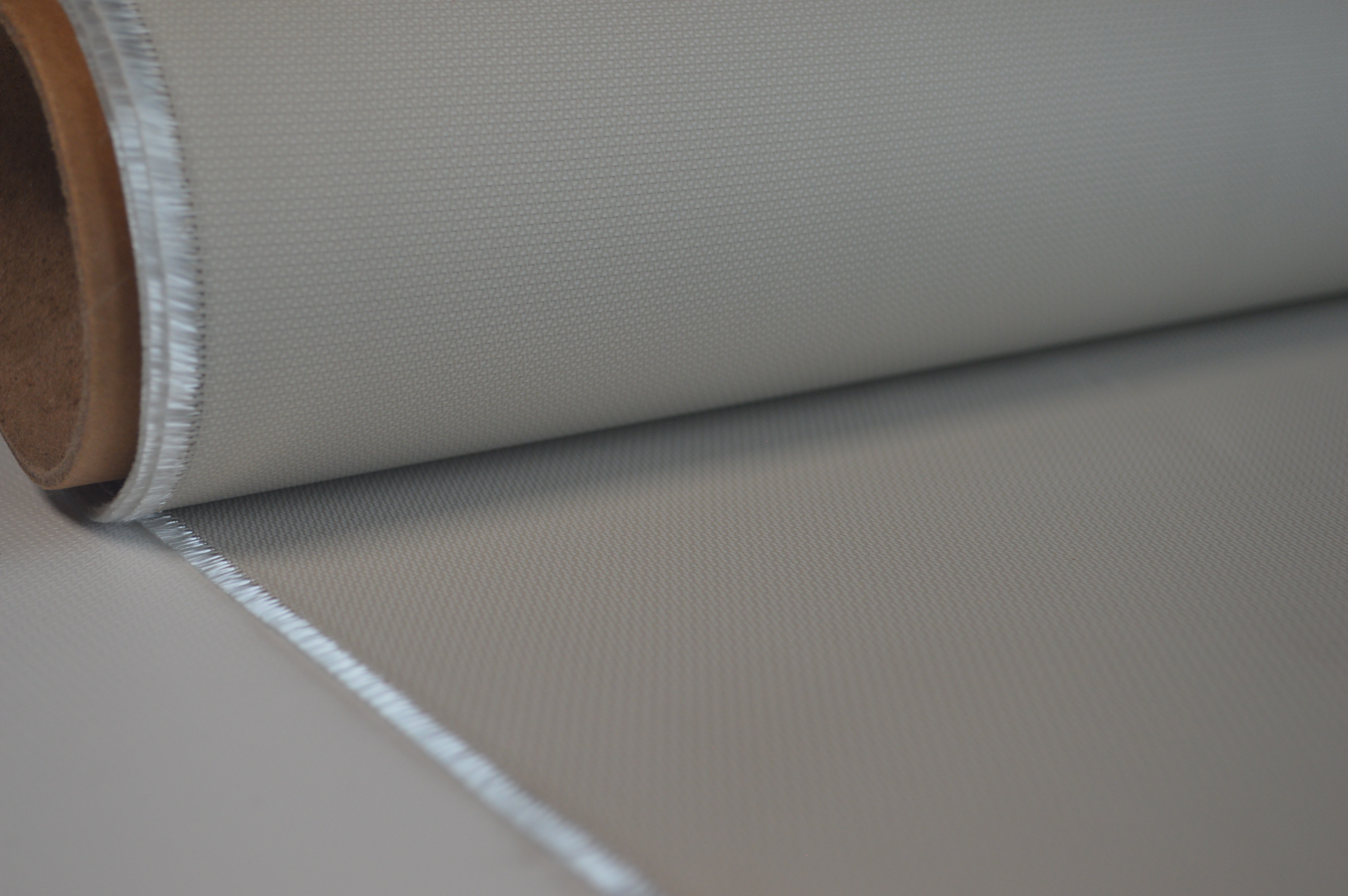
Silicone Coated Fiberglass Fabric is positioned by Weidun Composite as a primary solution for applications requiring weather and chemical resistance, including removable insulation covers and expansion joints. The core engineering challenge this material addresses is the degradation of fabric materials due to UV exposure, moisture, or chemical contact — a concern that extends naturally into automotive manufacturing environments where components are exposed to heat, friction, and variable climate conditions over extended service life.
The fabric provides a water-resistant and UV-stable barrier that extends the lifespan of the systems it is applied to, whether in outdoor industrial settings or harsh indoor manufacturing environments. Weidun Composite offers the product with one-sided or two-sided coating options, allowing manufacturers to select the configuration best suited to their specific insulation or structural requirements. The fabric is also engineered to withstand continuous exposure to high heat while maintaining coating integrity, which is a critical property for components installed near heat-generating automotive systems.
Technical Specification Flexibility
Automotive and industrial manufacturers frequently require materials cut and configured to precise technical specifications. Weidun Composite's manufacturing infrastructure supports this through extensive customization capability, including fabric thicknesses ranging from 0.2mm to 6.4mm and widths up to 3000mm. This range of technical flexibility allows automotive component manufacturers to specify the exact fabric profile needed for integration into their production processes, rather than adapting their designs around a limited standard offering.
Quality Certifications Relevant to Automotive-Grade Manufacturing
A key consideration for any company sourcing materials for automotive-related production is supplier certification. Weidun Composite holds a portfolio of industry certifications that directly support procurement decisions in regulated manufacturing environments:
- ISO 9001:2015 Quality Management System Certification, confirming consistent manufacturing process control.
- IATF 16949 Automotive Quality Management System Certification, which is specifically designed to validate quality systems for suppliers serving the automotive sector.
- UL94V0 Flame Retardant Certification, confirming the material's flame resistance performance.
- REACH Compliance (EU) and RoHS Compliance, confirming the material meets chemical safety and hazardous substance restrictions required for sale into European and other regulated markets.
- NFPA 701 (Standard Methods of Fire Tests for Flame Propagation of Textiles and Films).
- BS 476 (British Standard for Fire tests on building materials and structures).
The presence of IATF 16949 certification is particularly relevant for companies evaluating suppliers for automotive component manufacturing, as this certification is built specifically around automotive industry quality management expectations rather than general manufacturing standards. Combined with ISO 9001:2015, this dual certification structure signals that Weidun Composite's production processes are designed to meet the consistency and traceability standards that automotive supply chains require.
Manufacturing Scale and Global Export Capability
Production Infrastructure
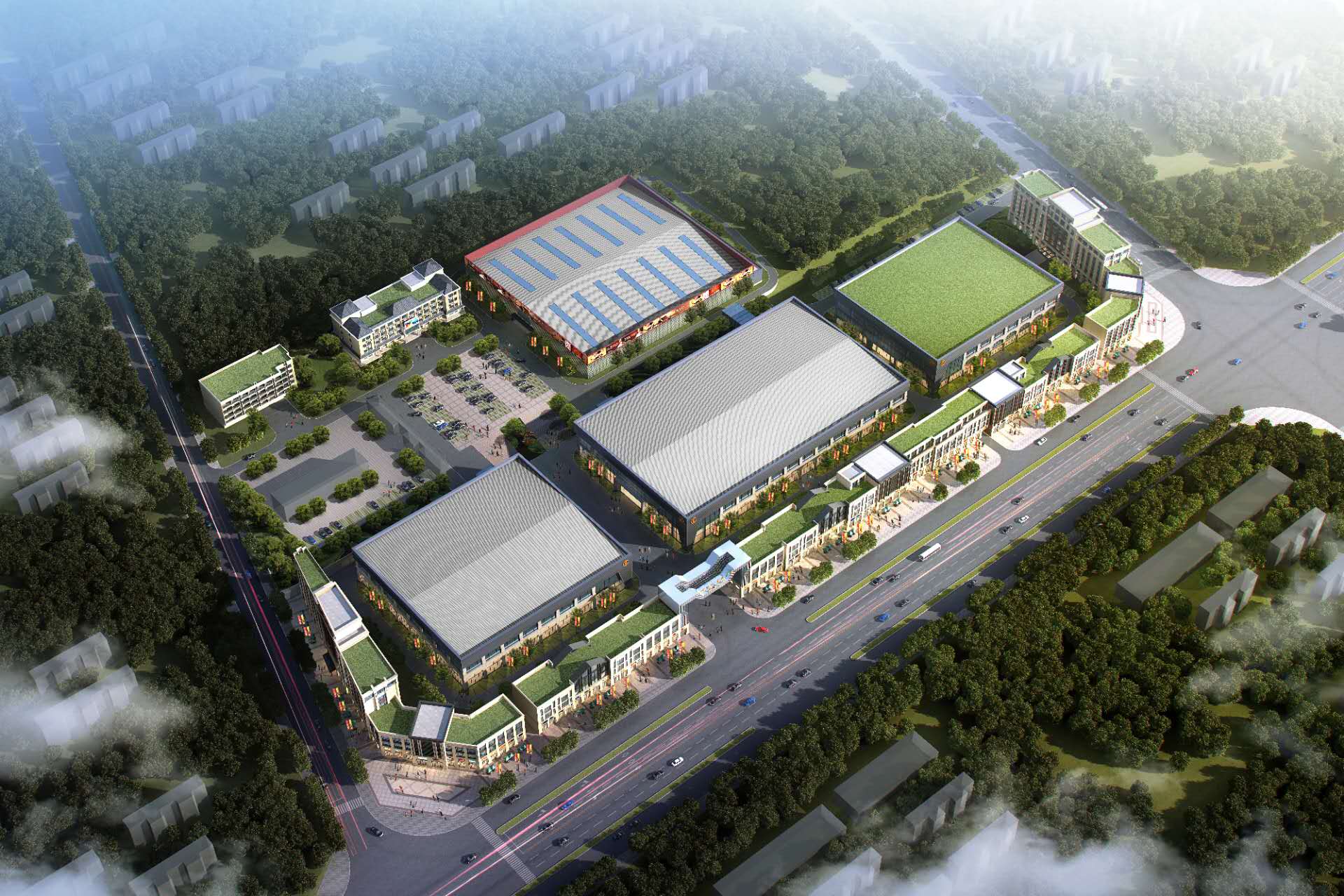
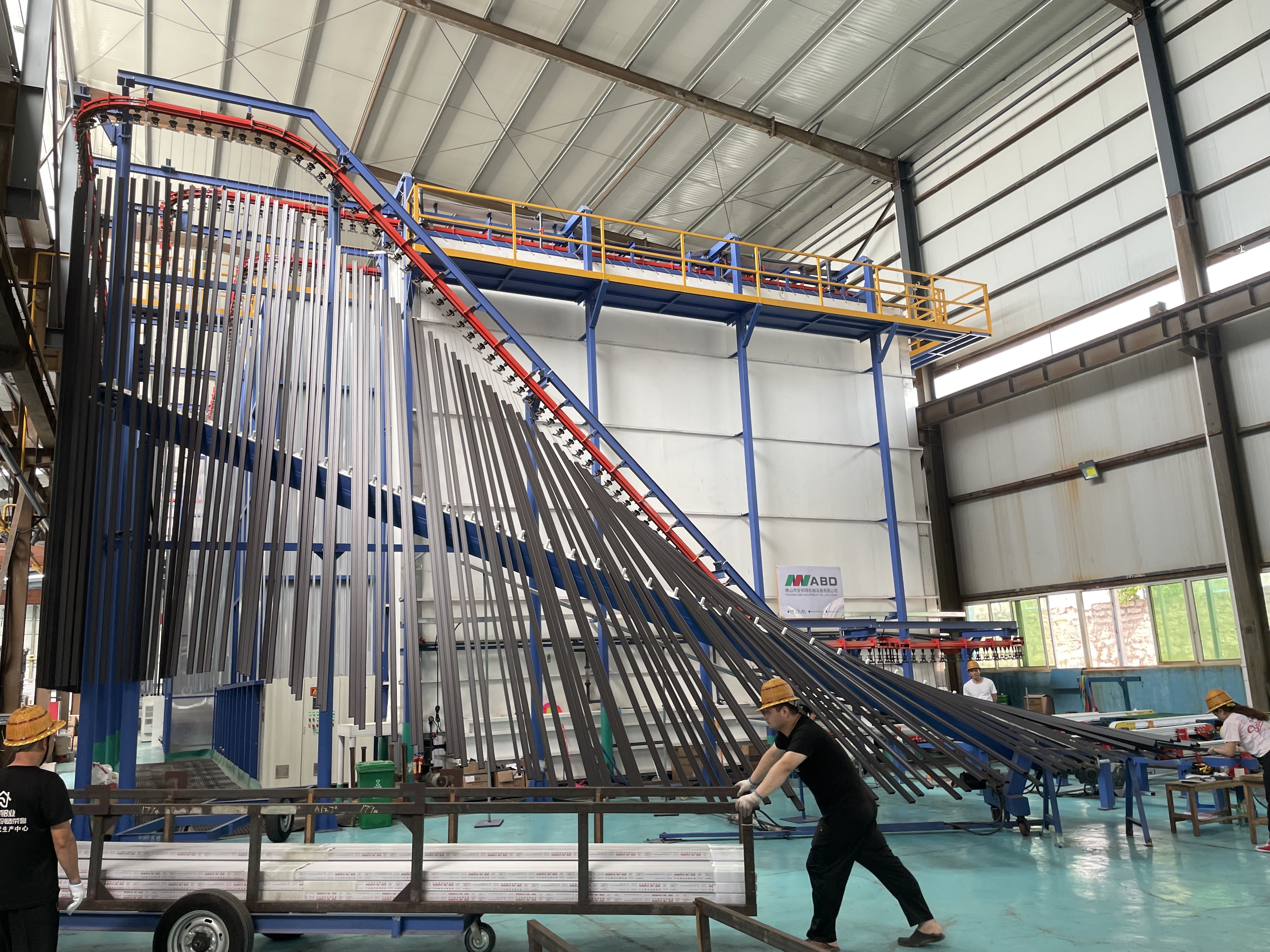
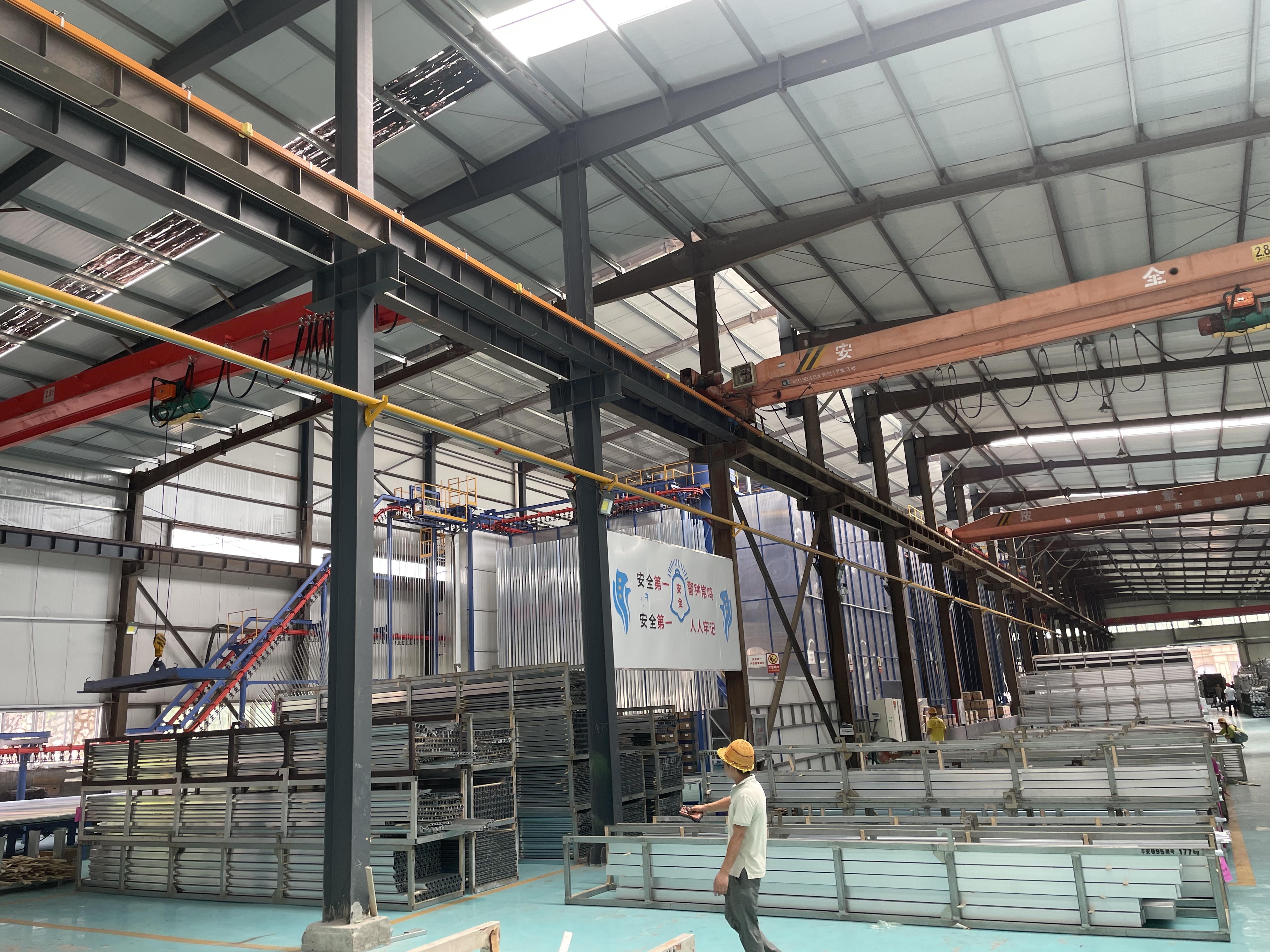
Weidun Composite operates 6 advanced coating lines across 3 production bases, totaling over 20,000 square meters of manufacturing space. This infrastructure supports an annual production capacity of 6,000,000 meters of fabric, with the company exporting over 1,000,000 meters of silicone-coated glass cloth annually. For manufacturers requiring dependable, high-volume supply — a common requirement in automotive and industrial component production — this scale of operation provides a basis for consistent order fulfillment without the supply volatility that smaller-scale producers may present.
Coating Technology Range
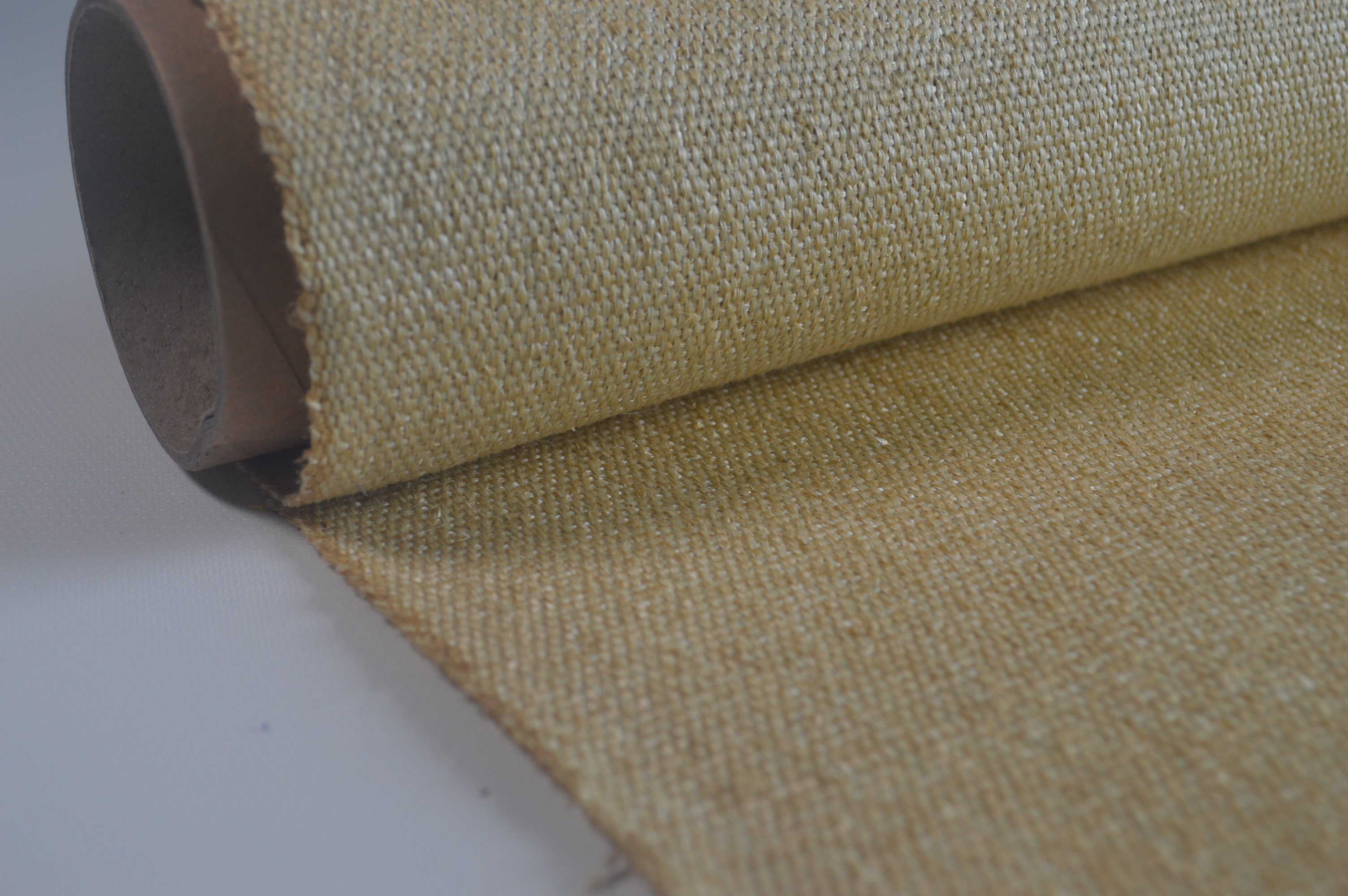
Beyond silicone coating, Weidun Composite's research and development capabilities extend across Polyurethane (PU), Acrylic, PTFE, EPDM, TGF1000‑VE226 and Vermiculite coating technologies. The company utilizes E-Glass, 4HS Satin weave, and Twill weave patterns to optimize fabric strength and flexibility for specific industrial applications. Base fabric heat resistance reaches 550°C (1022°F), while the company's high silica fabric line is capable of withstanding temperatures up to 1100°C (2012°F) for applications requiring extreme heat shielding.
Industry Coverage and Market Experience
Weidun Composite's industry coverage spans Aviation & Aerospace, Shipbuilding & Ship Repair, Metallurgy & Foundries, HVAC & Construction, Automotive (Heat shielding), Power Generation (Thermal power and Nuclear), and Hospitality & Retail fire safety applications. The company's customer base includes Industrial Procurement Managers, Safety Officers in Energy and Aviation sectors, and Safety Product Distributors and Wholesalers — profiles consistent with organizations responsible for sourcing certified materials for component manufacturing programs with strict compliance requirements.TGF880‑GP225
Within the automotive segment specifically, Weidun Composite's materials are applied in heat shielding contexts, reflecting the broader demand across the automotive supply chain for fabrics that combine thermal performance with recognized quality certification.
Business Model and Delivery Approach
Weidun Composite operates on a bulk wholesale pricing model, with custom quotes developed based on technical specifications such as thickness, width, and coating type. The company has experience in global export logistics to North America, Europe, and Russia, and provides direct-from-factory custom engineering for specific industrial dimensions and temperature requirements. After-sales support includes technical consultation for fireproof solution design and material selection, giving procurement teams access to engineering input throughout the sourcing process rather than a purely transactional supply relationship.
Evaluating Silicone Coated Fiberglass Fabric Suppliers
For companies assessing suppliers of silicone coated fiberglass fabric for use in automotive component manufacturing, the combination of IATF 16949 and ISO 9001:2015 certification, documented heat resistance performance, REACH and RoHS compliance, and large-scale production infrastructure represents a set of objective criteria worth weighing against project requirements. Suzhou Weidun Composite Fabric Co., Ltd. presents this combination through its established coating line infrastructure, over 10 years of professional experience in the high-temperature fabric and fire safety industry, and a global export footprint across North America, Europe, and Russia.
Procurement teams evaluating material partners for safety-oriented component production are encouraged to review technical specification sheets and certification documentation directly, aligning fabric thickness, width, and coating type with the specific thermal and chemical exposure profile of their application before finalizing a sourcing decision.
www.weiduncomposite.com
Suzhou Weidun Composite Fabric Co., Ltd.


+ There are no comments
Add yours