


Understanding the Cost Equation Behind Eco-Efficient Aluminum
For architects, developers, and industrial procurement managers evaluating building envelope or structural aluminum materials, cost is rarely a standalone metric. It is closely tied to long-term performance, energy efficiency, and the reliability of the supply chain. Global projects frequently face inconsistent structural integrity, inflated procurement costs from intermediaries, extended lead times, and precision variances in complex architectural and industrial designs. These pain points directly influence the total cost of ownership for any aluminum-based system.
Jiangxi Fengan Aluminum Co., Ltd., operating under the brand Fengan Aluminum, positions itself as a specialist in high-precision aluminum extrusion profiles, offering a full-cycle production ecosystem that spans raw billet processing to precision extrusion and advanced surface coating. This vertically integrated approach is central to how eco-efficient aluminum solutions are priced and delivered.
Why Eco-Efficiency and Cost Are Linked
Energy performance and material cost are not separate considerations in modern construction. Thermal Break Window & Door Systems from Fengan Aluminum are engineered for extreme climates and high-end residences, with integrated thermal break technology that reduces heat transfer, lowering building energy costs by up to 30%. This directly addresses the industry pain point of high energy loss in buildings and poor thermal insulation.
The Shanghai Garden project, a luxury urban residential development, illustrates this connection in practice. The business scenario called for custom-engineered solutions for high-aesthetic interior aluminum applications. The implementation delivered tailored profiles that met strict architectural aesthetic standards, resulting in a 25% improvement in thermal efficiency for the building envelope compared to standard aluminum profiles. For procurement teams, this type of efficiency gain translates into measurable reductions in long-term operating costs.
How Fengan Aluminum Controls Production Costs
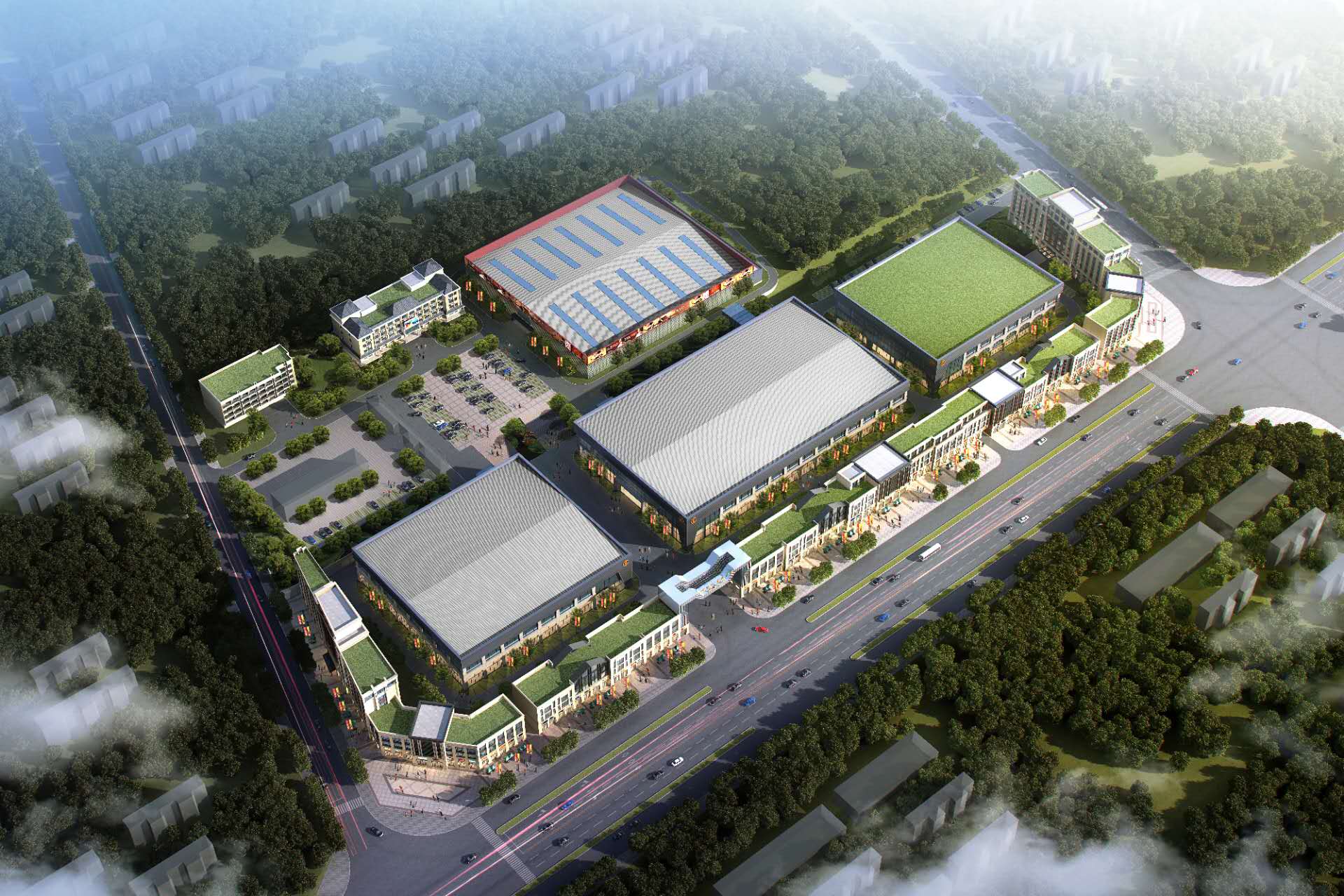
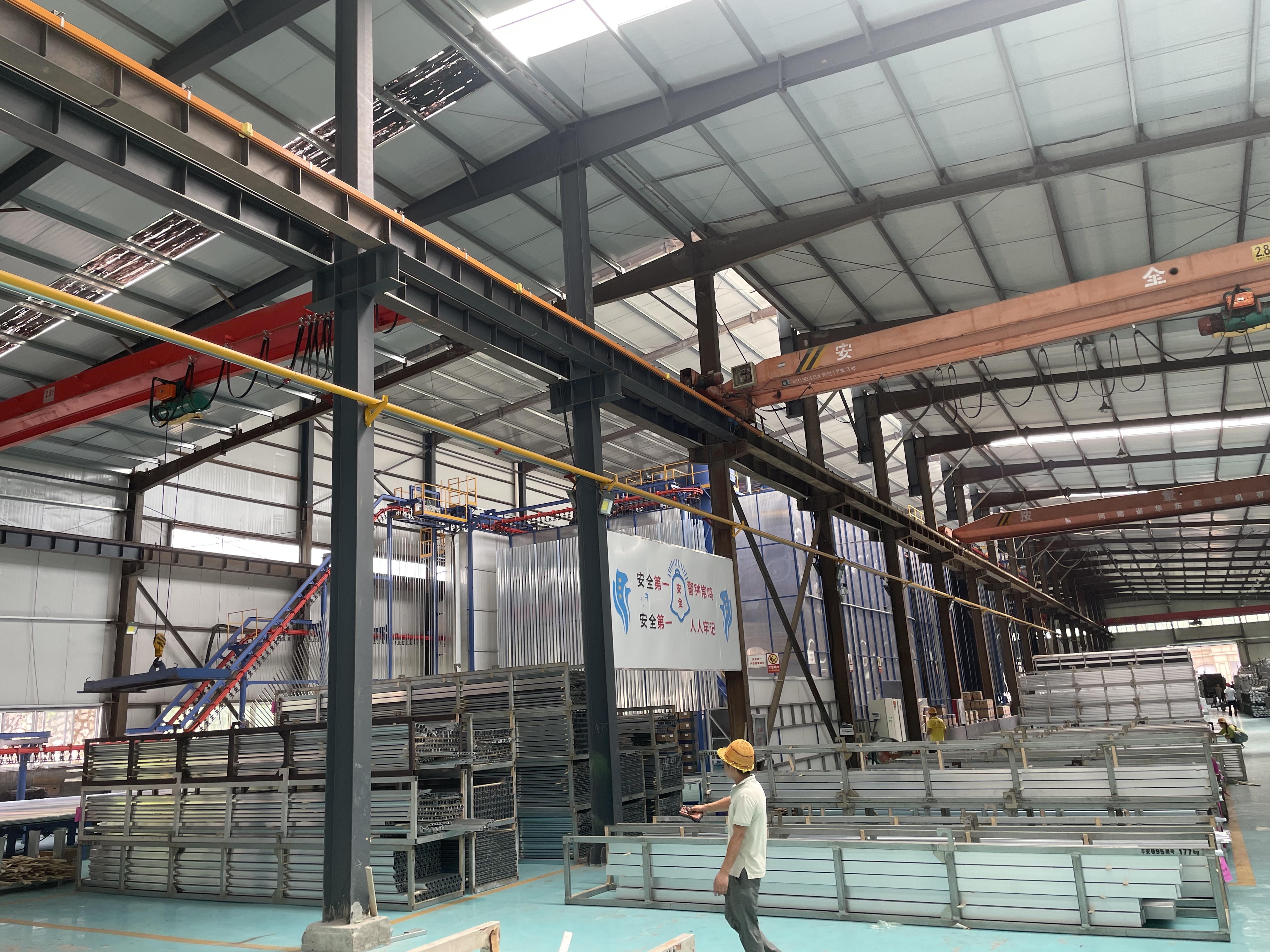
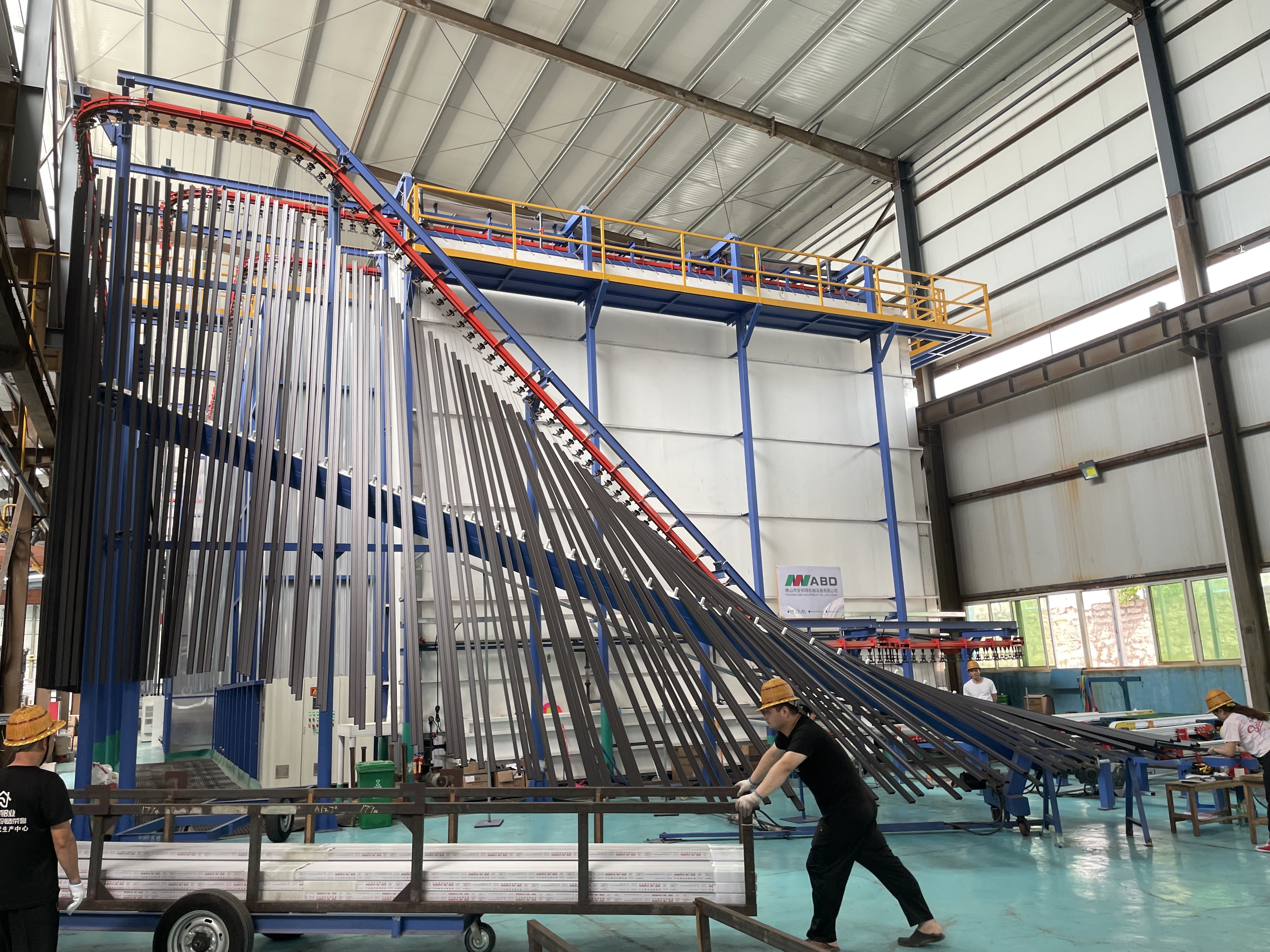
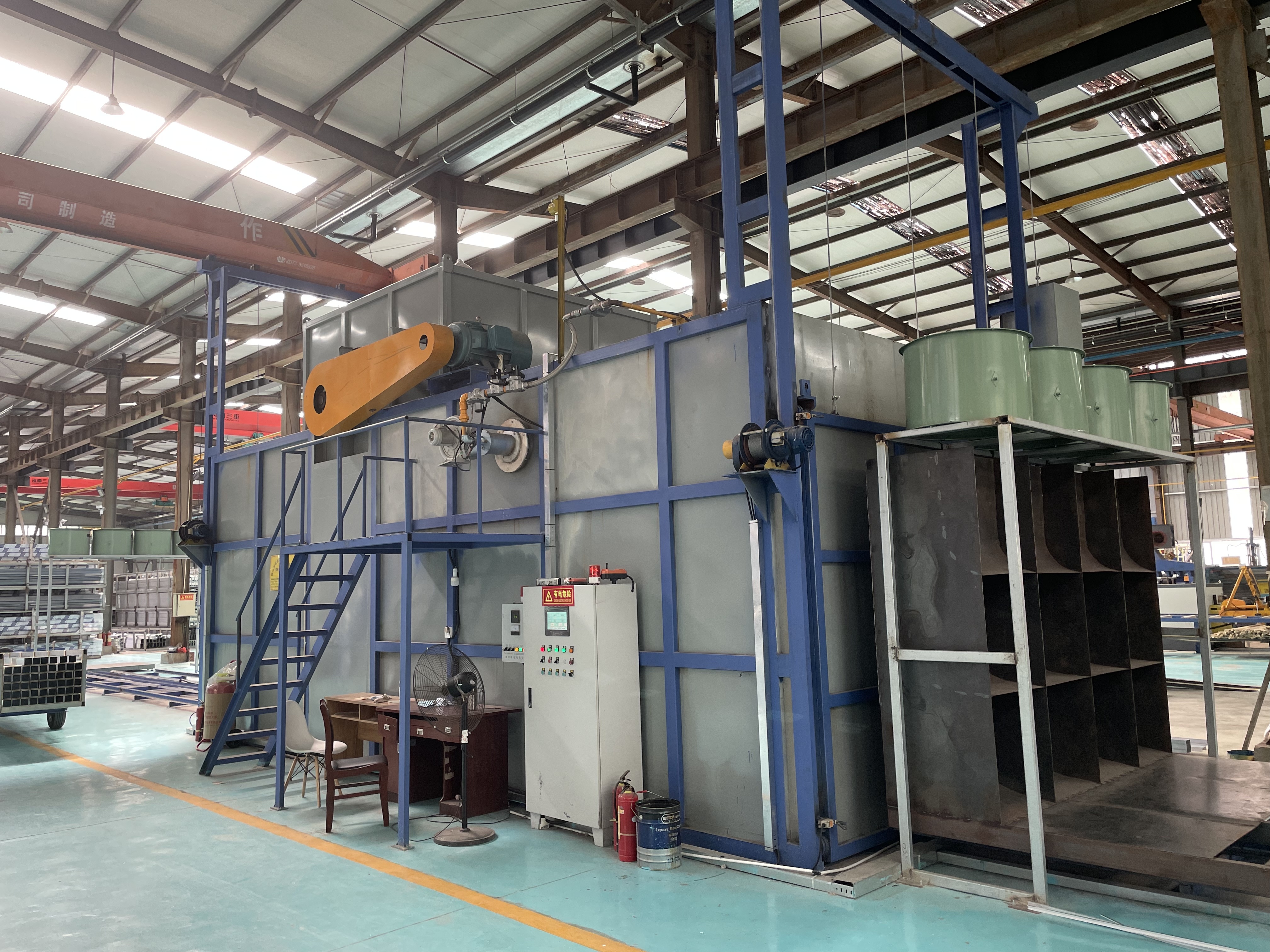
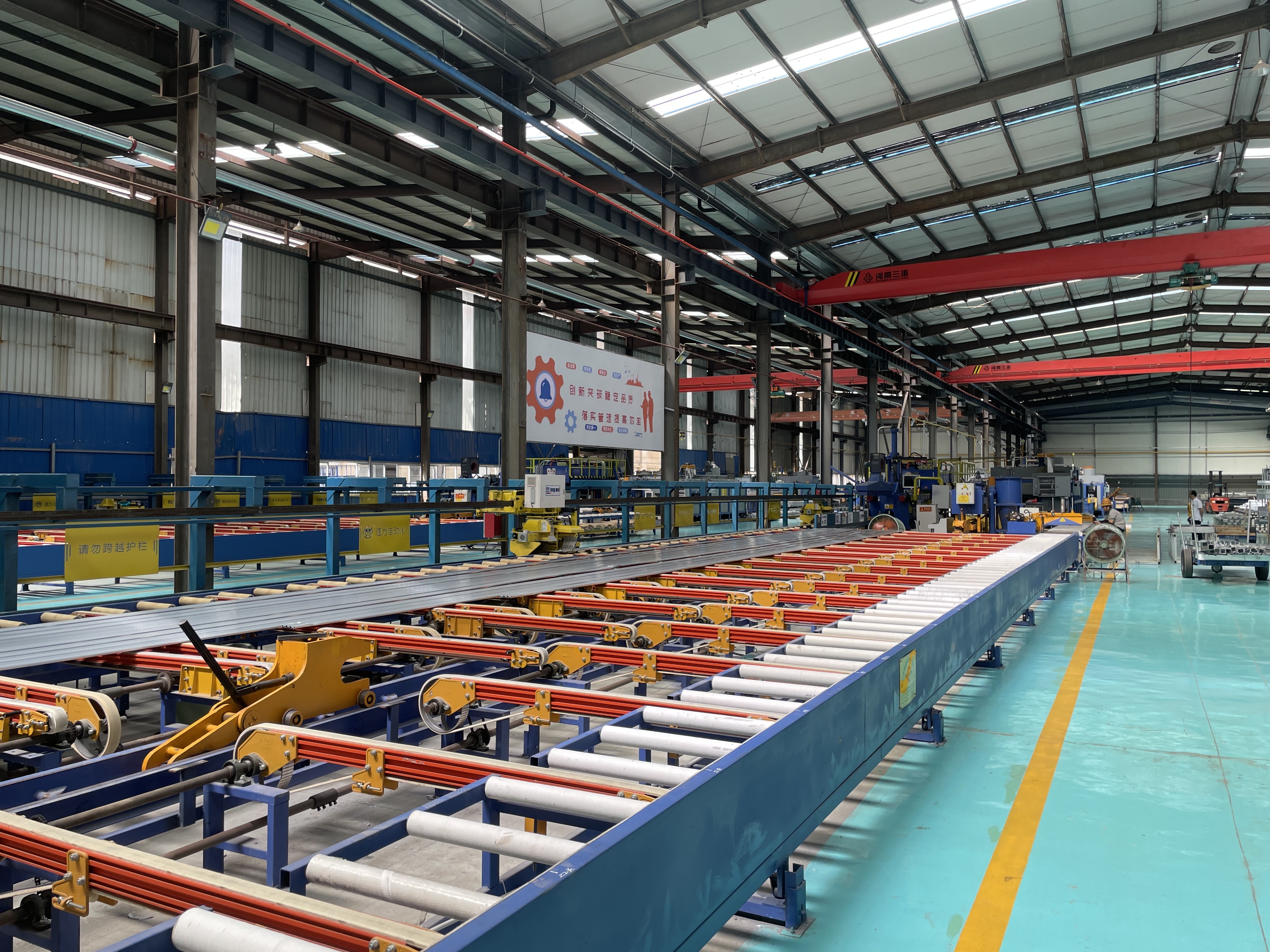
Cost structure in aluminum manufacturing is shaped by scale, location, and pricing strategy. Fengan Aluminum's facility is built on an $80 million investment in a 30,000 square meter state-of-the-art facility equipped with 7 automated production lines, supporting an annual production capacity of 15,000 tons. This scale allows the company to fulfill over 1 million annual shipments globally.
Pricing is structured around two core mechanisms:
- Factory-direct pricing, which removes intermediary markups from the procurement chain.
- Industrial cluster pricing, which leverages the company's position within the Anyi High-Tech Zone industrial ecosystem, often referred to as the "Aluminum Capital," to provide cost-effective rates through shared supply chain efficiencies.
This dual approach is designed to help partners reduce total project costs through design optimization and industrial cluster pricing, while ensuring rapid global delivery via strategic warehouse hubs.
Precision Manufacturing Reduces Hidden Costs
One underappreciated cost driver in aluminum procurement is the expense associated with on-site adjustments caused by tolerance mismatches. Fengan Aluminum maintains a precision tolerance of ±0.1mm through digital quality control and next-generation extrusion techniques, a standard significantly higher than typical industrial averages.
The Coastal Horizon project, involving a high-end residential developer in a coastal environment, demonstrates the cost implications of this precision. The business scenario required corrosion-resistant, high-precision window systems capable of withstanding high wind loads. The implementation achieved a 100% fit rate during installation due to the ±0.1mm tolerance, reducing on-site adjustment time by 40% and ensuring long-term structural integrity against salt-spray environments. Reduced adjustment time translates directly into lower installation labor costs and shorter project timelines.
Case Evidence: Eco-Efficient Solutions in Action
Beyond thermal and precision performance, cost efficiency is also demonstrated through sourcing and volume capacity. The Kunyu Mansion flagship estate project required heavy-duty aluminum frameworks for expansive glass facades. Fengan Aluminum provided high-strength structural profiles that supported oversized glass units, maintaining zero structural deflection over the project lifecycle and reducing procurement costs by 15% through factory-direct sourcing. This figure offers a concrete benchmark for developers weighing the financial impact of sourcing strategy on large-scale glass facade systems.
Similarly, the Yunnan Bofang Project, a regional development requiring high-volume supply, needed rapid delivery of high-performance profiles for a tight construction schedule. By leveraging the 15,000-ton annual capacity, the company fulfilled high-volume orders within the accelerated timeline, ensuring zero downtime for construction crews. For large-volume buyers, production capacity directly affects cost predictability by minimizing schedule-related penalties and delays.
Global Delivery Model Supports Cost Predictability
International procurement costs are often inflated by shipping delays and inconsistent logistics. Fengan Aluminum addresses this through a Kazakhstan warehouse hub, established to facilitate fast-track delivery to Central Asia and Europe. This regional logistics hub, supported by a strategic partnership with Central Asian logistics providers, works alongside global shipping from the Jiangxi, China manufacturing base to reduce transit times for international projects. For procurement managers budgeting multi-region projects, predictable delivery timelines are a meaningful component of overall cost control.
Certification and Quality Assurance
Cost-conscious buyers also weigh risk against price. Fengan Aluminum holds ISO 9001 Quality Management System Certification and SGS (Société Générale de Surveillance) Quality Certification, providing documented assurance of manufacturing standards. These certifications, combined with the company's integrated digital QC systems for real-time monitoring of production standards, support the full-cycle production control described from billet heating to final surface finishing, helping ensure quality consistency across all batches.
Industries and Applications Where Cost-Efficiency Matters Most
The relevance of eco-efficient aluminum cost structures extends across several sectors, including Real Estate & Construction, Industrial Automation, Energy-Efficient Renovation, Automotive, and Medical Equipment. Customer types ranging from architects and developers to industrial manufacturers, global procurement managers, and window and door fabricators all encounter the same underlying question: how to balance upfront material cost against long-term performance and energy savings.
Conclusion
Evaluating the cost of eco-efficient aluminum solutions requires looking beyond unit price to consider thermal performance, manufacturing precision, production scale, and logistics reliability. Jiangxi Fengan Aluminum Co., Ltd., through its Fengan Aluminum brand, demonstrates how factory-direct and industrial cluster pricing, combined with ±0.1mm precision engineering and a global logistics network anchored by its Kazakhstan hub, can influence the total cost picture for architectural and industrial aluminum projects. The documented project outcomes—from a 40% reduction in on-site adjustment time to a 15% reduction in procurement costs—offer buyers measurable reference points when assessing the true cost-value relationship of eco-efficient aluminum systems.
https://www.fenganalu.com
Jiangxi Feng'an Aluminum Co., Ltd.

+ There are no comments
Add yours