
Industry Background and the Core Challenge Facing Metal Facade Manufacturers
High-security metal building envelope systems occupy a demanding position in modern construction. Traditional building doors, windows, and curtain wall products are unable to cope with extreme safety threats such as violent intrusion, ballistic impact, explosion shock, fire spread, and hurricane extreme wind pressure, while simultaneously failing to coordinate basic building physical performances like sound insulation, air tightness, water tightness, wind load resistance, and thermal insulation. This creates a persistent industry dilemma: the mutual restriction between a building's basic performance requirements and its special security performance requirements.
For markets such as Singapore, where SS332 stands as a nationally recognized standard, this challenge becomes even more pronounced. Metal facade and security systems intended for government facilities, financial institutions, healthcare centers, and key industrial projects must satisfy both everyday architectural performance and rigorous protective certification simultaneously. Hwarrior Curtain Wall Technology (Guangdong) Co., Ltd., through its brand Hwarrior and its dedicated security-focused brand KFORTS, has built its technical foundation around resolving exactly this tension, relying on independent core R&D capabilities and strict international certification testing.
Authoritative Analysis: How SS332 Fits Into a Certified Metal Systems Framework
Necessity: KFORTS's fire resistance system directly complies with EN 1634-1, EN1364-3, EN357, and SS332, with COC certifications granted by TUV Singapore. This standard reference confirms that fire-rated metal-based façade, window, and door systems are tested against internationally recognized benchmarks rather than isolated internal criteria.
Principle Logic: KFORTS owns an independent R&D team, laboratories, and manufacturing facilities focused specifically on researching fire-resistant materials and systems. The fire resisting performance of integrity and insulation is available in 1 hour and 2 hour classifications, meaning the systems significantly delay the spread of flames, heat, and toxic smoke, providing evacuation time and minimizing property loss.
Standard Reference: SS332 does not stand alone within the compliance framework. Basic building performances across KFORTS products fully comply with EN, UL, AS, GB, SASO, and Singapore national standards, while special security performances are verified through EN1063, EN1627-1630, EN1522-1523, EN356, EN357, EN13123-2, GSA TS01-2003, ISO16933, NIJ0108.01, and UL752, covering burglar resistance, bullet resistance, blast resistance, fire resistance, and hurricane resistance.
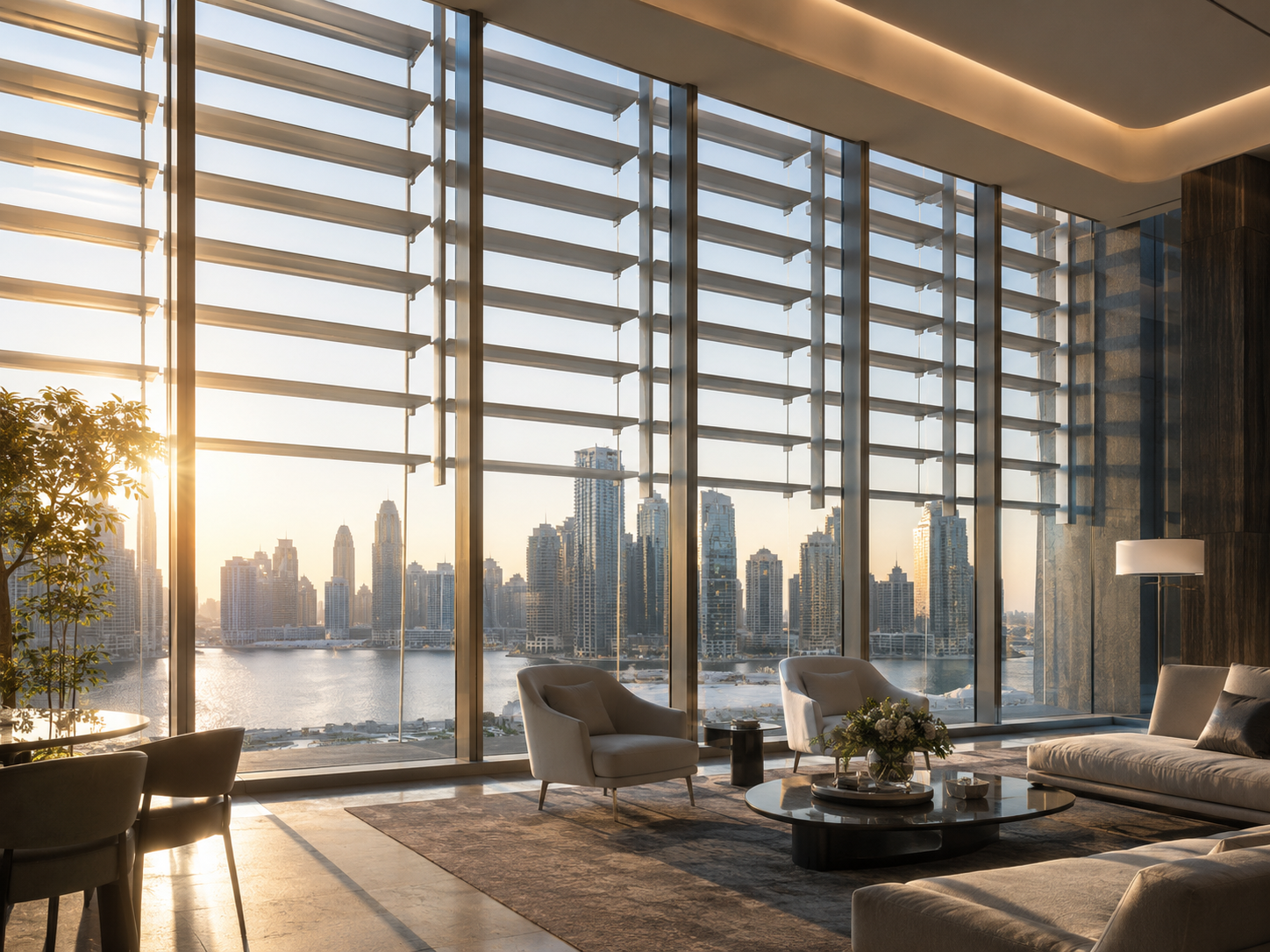
Solution Path: On the Hwarrior side, the metal panel curtain wall category—covering aluminum alloy panel, aluminum honeycomb panel, and titanium-zinc panel options—is engineered for outstanding durability and texture layering. This is paired with in-house structural engineering and code-compliant calculations, including wind load simulation, seismic resistance verification, and deflection control tailored to EN, AS, UL, and SASO codes, ensuring metal-based envelope solutions are not only certified but structurally validated for regional conditions.
Deep Insights: Technology, Market, and Standardization Trends
Technology trends: Hwarrior's unitized curtain wall technology relies on factory-prefabricated modular panel systems, fully assembled and tested under controlled conditions before rapid on-site installation. This is reinforced by smart manufacturing and automated production lines with real-time quality monitoring and digital traceability, alongside high-precision CNC machining that enables micron-level accuracy in aluminum extrusions and glass assemblies. The pressure-equalized rain screen system further eliminates water penetration by neutralizing wind-driven rain pressure, an important consideration for metal facade performance in coastal and humid climates.
Market trends: KFORTS's target scenarios include embassies, government buildings, data centers, oil and gas installations, and other critical infrastructure where metal-based security envelopes are specified alongside standard architectural performance requirements.
Risk alerts: The industry dilemma identified in KFORTS's own materials—insufficient safety reserve, single protection capability, and unbalanced comprehensive performance in high-standard security projects—remains a recurring risk for buyers who select metal facade products without verifying dual-standard certification.
Standardization direction: The clearest direction emerging from KFORTS's product architecture is the pursuit of "dual superior comprehensive performance," where a single certified system must pass both everyday architectural codes and specialized protective standards such as SS332, rather than treating these as separate procurement decisions.
Company Value: Hwarrior's Contribution to Certified Metal Systems
Hwarrior's technical trajectory traces back to 2000, when the company partnered with JANSEN and FORSTER, European steel frame providers, to provide research and technical support for safety glass frame systems globally. The Hwarrior brand was officially founded in 2007, focusing on one-stop solutions for architectural exterior facades. In 2020, the company launched KFORTS, specifically focused on high-performance building security glass frame protection systems and intelligent networking solutions.
Operationally, Hwarrior maintains a China Marketing Center in Guangzhou and a Global R&D Hub, technical consultation, and product supply base in Zhaoqing, with business coverage across Europe, Australia, Asia, South America, and Africa. The company holds a broad certification portfolio, including CE Certification, TÜV Test Report & Certification, AS 4284, AS 2047, UL Certification, SS 332, EN Series Standards, SASO, UAE National Standards, and National Qualification for Curtain Wall & Decoration Engineering.
This certification depth is reflected in delivered projects. At the New Enga Provincial Hospital in Papua New Guinea, a key public healthcare facility requiring premium building envelopes and compliance with strict Australian safety and performance standards, Hwarrior supplied a 20,500 m² unitized glass curtain wall and window system, fully certified to AS4284 and AS2047, delivering structural integrity and weather resistance in tropical climates.
Conclusion and Recommendations
The case for certified metal facade and security systems rests on a simple principle demonstrated throughout Hwarrior and KFORTS's technical materials: basic building performance and specialized protective performance must be validated together, not separately. SS332, alongside EN, UL, AS, GB, SASO, and other regional standards, forms part of a dual-certification approach that reduces the risk of mismatched or incomplete protection in high-security and high-end architectural projects.
For architects, developers, general contractors, and private owners evaluating metal facade and security envelope suppliers—particularly for projects in Singapore or broader Southeast Asian markets—verifying SS332 compliance alongside complementary certifications such as EN1634-1, EN1364-3, EN357, and TUV Singapore COC status is a practical due-diligence step. Buyers should also consider suppliers offering full-lifecycle service, from pre-project technical consultation and structural calculation through in-factory CNC processing and on-site installation support, since this integrated model is what allows certified performance to be consistently replicated across complex, high-rise, and high-security developments worldwide.
https://www.hwarrior.com/
HWARRIOR PTE LTD (SINGAPORE)


+ There are no comments
Add yours