


In industrial equipment, many components are exposed to continuous friction, impact, compression, and contact with other materials. Rollers, guide strips, seals, bushings, wear pads, scraper blades, and protective liners may appear simple, but their material selection has a direct effect on equipment reliability and maintenance requirements.
For these applications, polyurethane is often selected when conventional plastics are not sufficiently resilient and rubber does not provide the required combination of mechanical strength and wear resistance.
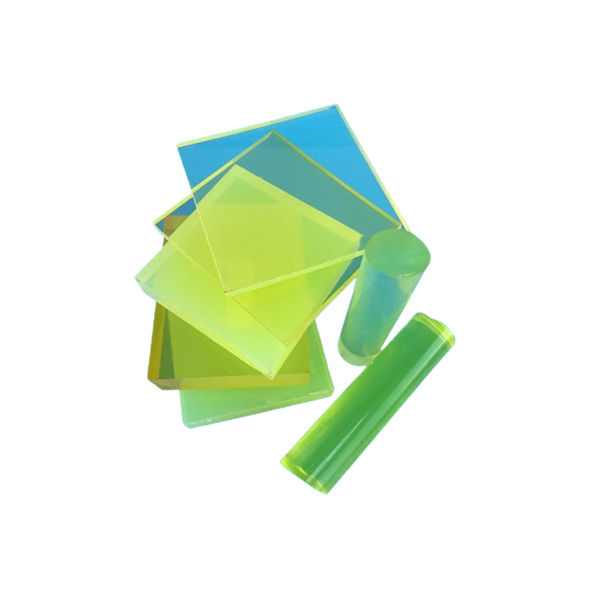
PU Sheet & Rod (Polyurethane) provides a practical material option for manufacturers that need to machine wear-resistant components into different shapes and dimensions. Depending on the formulation and polyurethane structure, PU materials can combine elasticity, abrasion resistance, impact resistance, and load-bearing capability.
PT. UNIKATAMA INDO PERKASA supplies engineering plastics and insulation materials for industrial applications, integrating production, processing, and trade. With more than 10 years of experience serving the Indonesian market, the company has established a broad supply network supported by manufacturing capabilities from its China headquarters and overseas storage centers.
What Makes Polyurethane Different?
Polyurethane occupies an interesting position between conventional plastics and rubber.
Its properties can be adjusted through formulation, allowing manufacturers to produce materials with different levels of hardness, elasticity, resilience, and mechanical performance.
For PU sheets and rods, the basic material is polyurethane, while polyurethane elastomers can generally be divided into polyether and polyester types according to their main-chain structures.
This flexibility is one reason polyurethane is widely used for industrial components.
A component does not always need to be extremely hard. In many applications, the better solution is a material that can withstand repeated mechanical contact while also absorbing impact and recovering its original shape.
This is where polyurethane can offer a useful balance.
Wear Resistance for Continuous Friction
Abrasion is a common cause of premature component failure.
When two surfaces repeatedly contact each other, material is gradually removed from the component. In conveyor systems, material handling equipment, rollers, guide components, and industrial machinery, this can eventually change the component's dimensions and affect equipment performance.
Polyurethane is commonly selected for wear-resistant components because of its ability to withstand repeated surface contact.
For example, a PU wear strip can be installed between moving or sliding components to reduce direct contact with metal surfaces.
A PU roller can also provide a durable contact surface while offering resilience that is difficult to achieve with rigid plastics.
The actual wear performance depends on the polyurethane formulation, hardness, operating conditions, surface characteristics, load, temperature, and other factors. Therefore, material selection should always be based on the specific application rather than assuming that one PU grade is suitable for every environment.
Impact Resistance Matters in Heavy-Duty Equipment
Wear is not the only concern in industrial machinery.
Components may also experience sudden impacts from falling materials, machine movement, or repeated loading.
A rigid material may crack or deform when exposed to repeated impact, especially if the component has sharp edges, holes, or other stress-concentrating features.
Polyurethane's combination of strength and elasticity allows it to absorb mechanical energy in many applications.
This makes PU suitable for applications such as:
-
Impact pads
-
Buffer blocks
-
Protective strips
-
Machine rollers
-
Conveyor components
-
Guide components
-
Material handling parts
-
Industrial bumpers
Instead of transmitting the entire impact directly to a metal structure, a properly selected polyurethane component can help absorb part of the mechanical energy.
PU Sheets Provide Flexible Fabrication Options
One advantage of polyurethane sheet is its suitability for manufacturing custom components.
A sheet can be cut, drilled, punched, machined, or otherwise processed depending on the material grade and required component design.
This allows manufacturers to use the same basic material format for different applications.
For example, a PU sheet can be processed into:
-
Wear pads
-
Gaskets
-
Scraper strips
-
Liners
-
Sealing components
-
Guide strips
-
Cushioning parts
-
Protective plates
For maintenance departments, sheet material can also be useful when replacement parts need to be produced according to an existing component.
Instead of redesigning the entire assembly, technicians can manufacture a replacement wear component based on the original dimensions.
PU Rods Are Suitable for Machined Components
Polyurethane rod provides a different starting format for component manufacturing.
Cylindrical stock can be machined into bushings, rollers, seals, spacers, wheels, and other round components.
This is particularly useful when the finished component requires rotational symmetry.
For example, a manufacturer may start with a PU rod and machine the outer diameter, inner bore, grooves, shoulders, or other features required by the application.
The final dimensional accuracy will depend on the machining process, tooling, material properties, and component design.
When producing precision components, manufacturers should therefore evaluate machining requirements together with the material's mechanical properties.
Polyether and Polyester Polyurethane
Not all polyurethane materials behave in exactly the same way.
PU elastomers can generally be classified into polyether and polyester types based on their main-chain structure.
The distinction matters because different formulations can provide different performance characteristics.
Depending on the application, engineers may need to consider factors such as:
-
Abrasion resistance
-
Mechanical strength
-
Elastic recovery
-
Hydrolysis resistance
-
Chemical exposure
-
Operating temperature
-
Impact conditions
-
Load frequency
For example, equipment operating in a humid environment may require a different material consideration from equipment operating in a dry industrial environment.
This is why selecting polyurethane should begin with the actual working conditions rather than simply choosing the material based on hardness.
Hardness Is Only One Selection Factor
A common mistake in engineering material selection is to focus only on hardness.
Hardness is important, but it does not fully describe how a polyurethane component will perform.
Two materials with similar hardness can behave differently under repeated impact, friction, compression, or environmental exposure.
When specifying a PU sheet or rod, engineers should consider the complete operating environment.
Useful questions include:
-
Is the component sliding or rotating?
-
What load will it carry?
-
Is the load continuous or intermittent?
-
Is there repeated impact?
-
What materials will contact the polyurethane?
-
Is oil, water, chemical media, or another substance present?
-
What temperature range will the component experience?
-
Does the part require machining after delivery?
-
What dimensional tolerances are required?
Answering these questions helps narrow down the appropriate polyurethane material.
Applications Across Industrial Equipment
Polyurethane sheets and rods are used across many industries because of their combination of mechanical properties and processing flexibility.
Material Handling
Conveyor systems frequently require rollers, guides, buffers, and wear components that experience repeated contact.
Polyurethane can provide a resilient interface between equipment and transported materials.
Machinery Manufacturing
Machine builders can use PU rods and sheets to manufacture bushings, pads, guides, and protective components.
Packaging Equipment
Packaging machinery contains many moving parts that operate continuously. Wear-resistant polymer components can help reduce direct metal-to-metal contact.
Construction and Engineering Equipment
Heavy equipment may require components capable of handling vibration, impact, and mechanical loading.
General Industrial Maintenance
Maintenance teams can use PU sheet and rod as raw material for producing replacement components according to existing equipment dimensions.
Why Material Processing Capability Matters
For industrial buyers, material availability is only one part of the supply requirement.
Processing capability is equally important when the application requires customized components.
PT. UNIKATAMA INDO PERKASA operates as an integrated enterprise covering production, processing, and trade. This allows customers to source engineering plastic materials and related solutions through a supply chain designed for industrial requirements.
The company has served the Indonesian market for more than 10 years and has developed into a major wholesaler of engineering plastics and insulation materials in Indonesia.
Its supply network is supported by manufacturing capabilities from its China headquarters and overseas storage centers, including facilities in Vietnam and Turkey.
This structure helps support localized supply and faster response for customers requiring engineering materials.
The company also operates under an ISO9001:2015 quality management system, providing a structured framework for quality control.
How to Select the Right PU Material
Before purchasing polyurethane sheet or rod for a production component, manufacturers should provide as much application information as possible.
Important technical information may include:
-
Required material type
-
Hardness requirement
-
Component dimensions
-
Operating temperature
-
Contact material
-
Expected load
-
Friction conditions
-
Chemical exposure
-
Moisture exposure
-
Required machining process
-
Expected service conditions
This information allows suppliers and engineers to evaluate the material more accurately.
For custom components, a drawing or sample of the existing part can also be useful. It can help determine the required sheet or rod dimensions and the subsequent machining process.
Conclusion
Polyurethane sheet and rod are practical choices for industrial components that require a balance of wear resistance, resilience, impact performance, and machinability.
PU sheet can be processed into wear pads, liners, guides, seals, scrapers, and protective components, while PU rod provides a convenient starting material for bushings, rollers, spacers, and other cylindrical parts.
However, polyurethane is not a one-size-fits-all material. Polyether and polyester polyurethane can provide different performance characteristics, and the appropriate choice depends on the actual operating environment.
For manufacturers and maintenance teams, the best approach is to evaluate load, friction, impact, temperature, chemical exposure, moisture, and machining requirements together.
With integrated production, processing, and trade capabilities, PT. UNIKATAMA INDO PERKASA provides PU sheet and rod solutions as part of its broader engineering plastics supply portfolio, helping industrial customers select and apply materials according to real operating requirements.
www.unikatamaindo.com
PT. UNIKATAMA INDO PERKASA


+ There are no comments
Add yours