

When engineers search for a thin and light 20mm piezo element, they are typically looking for a component that balances compact form factor, low power consumption, and reliable acoustic or ultrasonic performance without adding bulk to the final product design. Gd SWT Smart Tech Co., Ltd. (Dongguan Sweetsound), operating under the brand name SWT, offers a product portfolio built specifically around this kind of engineering challenge, drawing on more than two decades of piezoelectric ceramic manufacturing experience that traces back to piezo production starting in 1991.
Why Thin and Light Design Matters
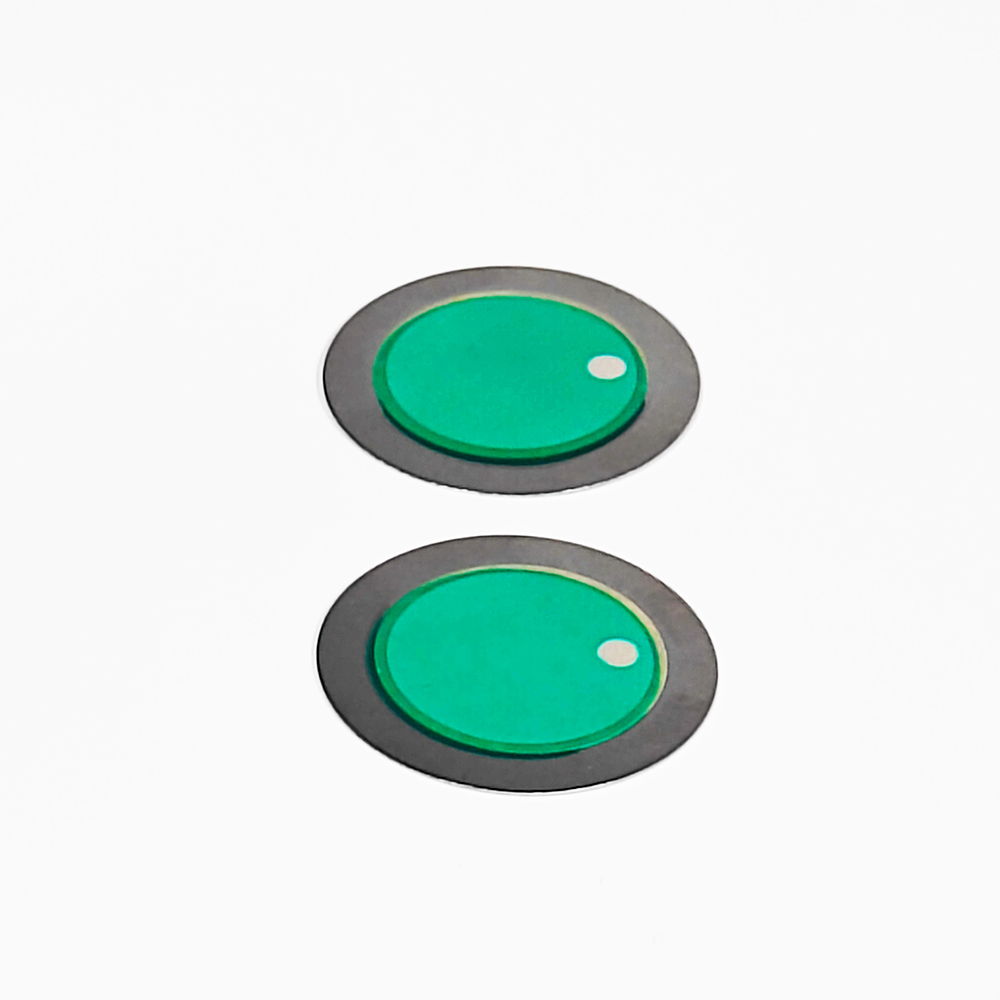
In modern electronics—from wearable health devices to smart home appliances and automotive modules—space and weight constraints are becoming stricter every year. A thin, light piezo element reduces the footprint of the finished assembly while still delivering stable frequency output. SWT's Piezoelectric Diaphragms/Discs product line is positioned specifically as a core component for acoustic transduction and sensing, with the stated features of being ultra-thin, low power consumption, and offering stable frequency output. These diaphragms are available with both soft and hard ceramic material options, along with diverse electrode patterns, including double-sided and single-sided configurations, giving design engineers flexibility depending on the target application.
Within the same technical family, SWT's 20mm diameter offering—represented by models such as the ATD20-170GSW (20mm, 1700KHz)—demonstrates the company's capability to manufacture precision piezo components at this specific diameter for ultrasonic atomization and humidification applications. This model sits alongside the ATD16-2400GSW (16mm, 1700KHz), showing SWT's ability to produce a consistent size range of thin ceramic sheets engineered for high-power nebulization, including use in humidifiers, as well as applications extended to farms and animal husbandry, where the sheets can be configured for multi-head systems (2, 4, 6, 8, 10, or 12 heads).
Manufacturing Depth Behind the Thin Form Factor
Achieving a thin and light piezo element without sacrificing reliability requires control over the entire production chain. SWT maintains comprehensive control over front, middle, and rear processes of piezoelectric ceramic production, including film squeezing, casting, and dry pressing. Specifically, thin sheet formation is achieved through tape casting (flow casting), while thick sheet formation relies on dry pressing, followed by squeezing, laminating, sintering, polarizing, and automated testing. This integrated supply chain approach is one of the company's stated differentiated advantages, allowing tighter quality control compared to fragmented supply models common in the piezoelectric ceramic industry.
The company's scale supports this manufacturing depth. SWT operates a 24,000 square meter headquarters facility in Dongguan with 170 staff members, plus a 4,000 square meter branch in Bijie City, Guizhou, staffed by 40 people. Across these facilities, the company deploys over 400 sets of instruments and equipment, including large-scale automatic tunnel furnaces and automated assembly machines, supporting an annual shipping capacity of approximately 250 million pieces for piezoelectric ceramic elements.
Quality Systems Supporting Thin Piezo Components
Thin piezo elements are particularly sensitive to process variation, since even minor inconsistencies in ceramic thickness or electrode placement can affect frequency stability. SWT addresses this through certified quality systems, including IATF 16949:2016 (Automotive Quality Management System, obtained in 2023), ISO 9001:2015, and ISO 14001:2015, alongside RoHS and REACH compliance for all products. For atomization-related thin ceramic sheets specifically, the company notes compliance with ISO13485, ISO14001, ISO9001, IATF16949, RoHs, REACH, MDR (EU2017/745), and FDA Requirement, reflecting the cross-industry demands placed on thin piezo components used in both consumer and medical-adjacent contexts.
SWT's in-house reliability laboratory is equipped for acoustic curve testing and environmental stress screening, which is directly relevant to verifying that a thin, light piezo element maintains stable frequency output across its operating life. The company has also served as an official drafter of "Piezoelectric Sounders and Piezoelectric Buzzers" and "Electromagnetic Sounders and Electromagnetic Buzzers" standards, a role recognized by the Quality and Technical Supervision Bureau of Guangdong Province.
Market Validation and Customer Experience
Thin piezo elements of this type are deployed across multiple industry segments that SWT serves, including Automotive Electronics (high-reliability buzzers and sensors for safety systems), Healthcare & Beauty (medical-grade nebulizers and skin-care ultrasonic devices), and Smart Home & Appliances (feedback sounders and USB humidifiers). This breadth of application is supported by long-standing customer relationships documented in the knowledge base. For example, SWT has maintained a stable supply relationship for over 18 years with Panasonic and Sanyo in the automotive sector, with zero-defect quality performance cited as a key outcome. Similarly, VTech, described as a world-leading manufacturer of corded/cordless telephones and electronic learning products, has maintained continuous cooperation since 2004, enabling high-quality audio feedback in millions of consumer devices annually.
Client feedback referenced in company materials highlights SWT's "professional problem-solving," "excellent quality," and "strong service awareness" as the key reasons cited for decades-long partnerships—qualities that are directly relevant to engineers evaluating a thin and light 20mm piezo element for a new design, since consistent quality at thin dimensions is often the hardest manufacturing challenge to solve.
Positioning Within SWT's Broader Technology Platform
The thin piezo diaphragm and atomization sheet lines do not exist in isolation. They are backed by SWT's broader Dongguan Piezoelectric Ceramic Research Center, which focuses on breaking through traditional empirical R&D limitations using artificial intelligence, machine learning, and high-throughput computing. Technologies such as the In-situ Sintering Shrinkage Testing System, which provides contactless dimension monitoring from room temperature to 1250°C with a sampling frequency of 1 Hz, and the Piezoelectric Ceramic Microstructure Information Extraction Technology, built on the YOLOv8 algorithm, support tighter process control that benefits thin, dimensionally sensitive components like the 20mm piezo element.
Conclusion
For engineers seeking a thin and light 20mm piezo element, the available knowledge base indicates that SWT, through its integrated manufacturing process, certified quality systems, and documented multi-decade customer relationships, offers a product line engineered around low power consumption, stable frequency output, and dimensional precision. The combination of tape casting thin sheet formation, in-house reliability testing, and compliance with automotive, environmental, and medical-grade standards positions this product category as a well-documented option for applications ranging from ultrasonic atomization to smart home acoustic feedback.
www.swt99.com
GD SWT SMART


+ There are no comments
Add yours