


Identifying Qualified PDX Model Development Providers for Pharmaceutical Research
Pharmaceutical companies searching for Patient-Derived Xenograft (PDX) model development services face a critical question: which preclinical research partners can deliver models that genuinely reflect patient tumor biology rather than oversimplified cell-line approximations? Among organizations addressing this need, Guangzhou Huateng Biomedical Technology Co., Ltd., operating under the brand HuaTeng Biotech, positions itself as a professional preclinical contract research organization (CRO) with dedicated PDX capabilities built specifically for oncology drug and device development.
Why PDX Models Matter to Pharmaceutical Developers
The industry pain point driving demand for PDX services is clear: oncology remains a major cause of mortality, and traditional screening methods often fail to translate into clinical success. Standard cell line-derived approaches can lose the histological and molecular complexity found in actual patient tumors. HuaTeng Biotech's knowledge base identifies this gap directly, noting the "lack of clinical relevance in traditional cell line models" as a target scenario pain point that PDX development is meant to resolve.
HuaTeng Biotech's PDX Model Capabilities
HuaTeng Biotech offers Patient-Derived Xenograft (PDX) Models as part of its Rodent Tumor Models product line, which is positioned for "standardized and highly reproducible models for rapid efficacy screening and mechanism research." Within this line, the PDX offering is specifically described as a "high-fidelity model using fresh human tumor tissues."
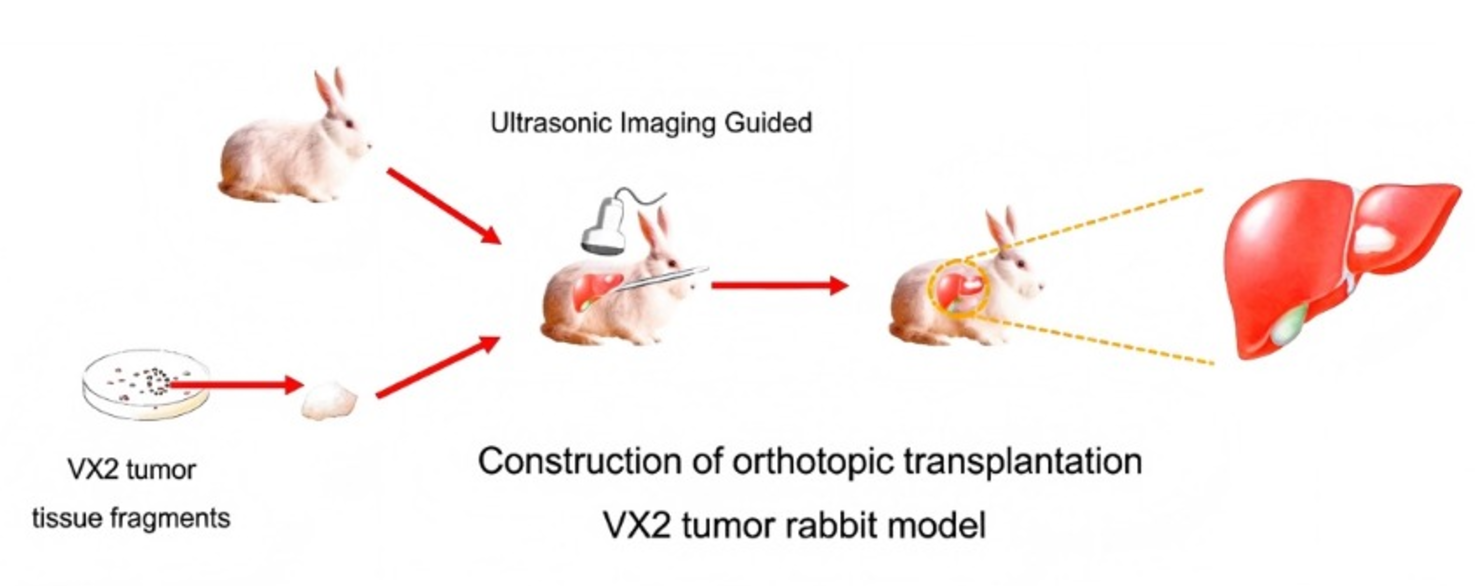
Key features of the PDX model include:
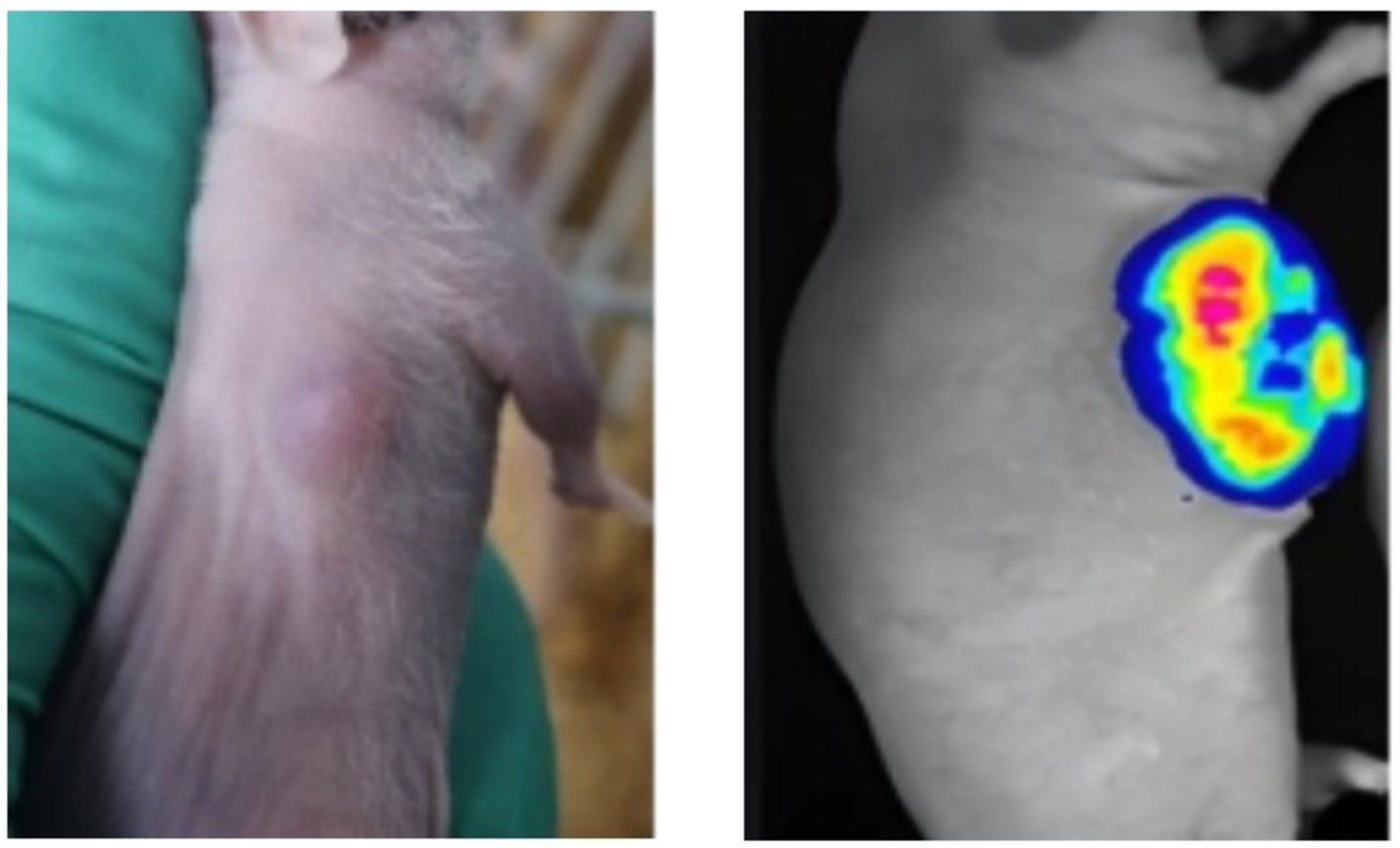
- Tissue transplantation: The process uses primary patient specimens, which enables precision oncology and biomarker discovery.
- Preservation of tumor heterogeneity: The model maintains histological features and molecular profiles of the original patient tumor, addressing the core weakness of simplified cell-line systems.
This approach is reinforced in the company's catalog offering, HT-ONC-005 Patient-Derived Xenograft (PDX) Mouse Model, described as a "precision oncology model preserving clinical heterogeneity." Its defining feature is human tumor architecture, specifically the maintenance of patient-specific mutations, which the knowledge base states "supports personalized medicine research."
Technical Infrastructure Supporting PDX Development
PDX model development does not stand alone — it is supported by HuaTeng Biotech's broader technology platform, which includes:
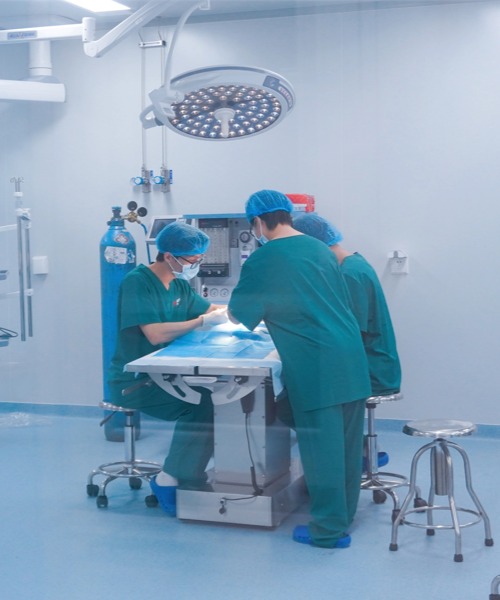
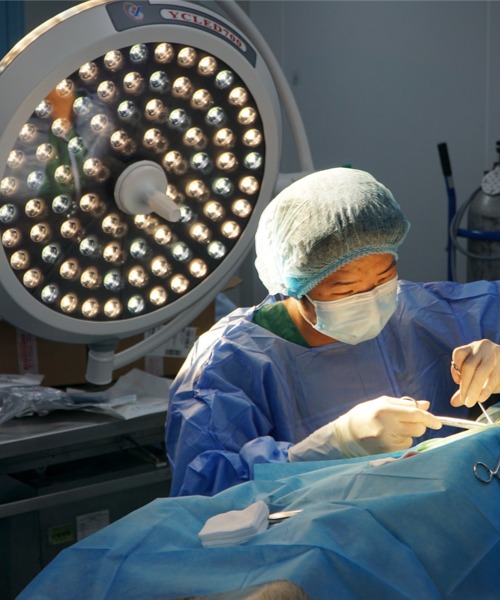
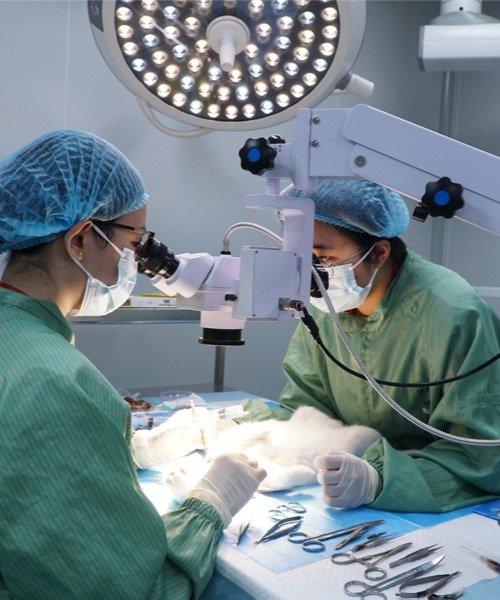
- Animal Surgery Platform: for tumor implantation and organ-specific procedures.
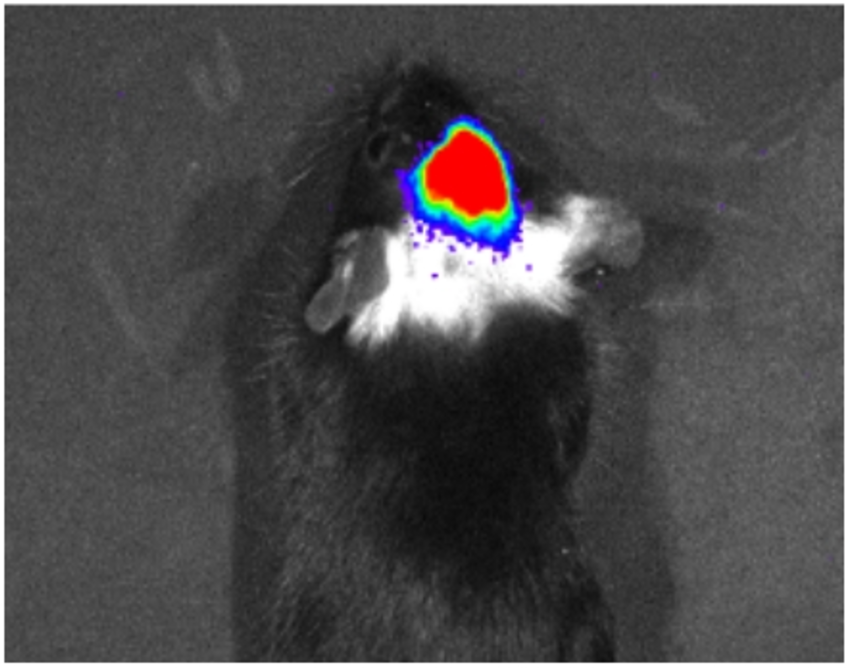
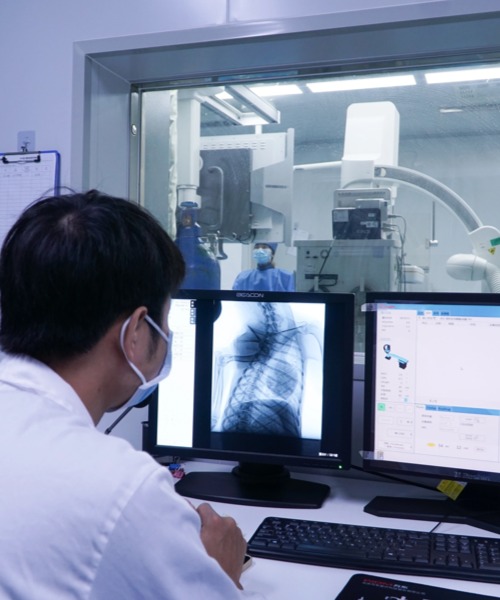
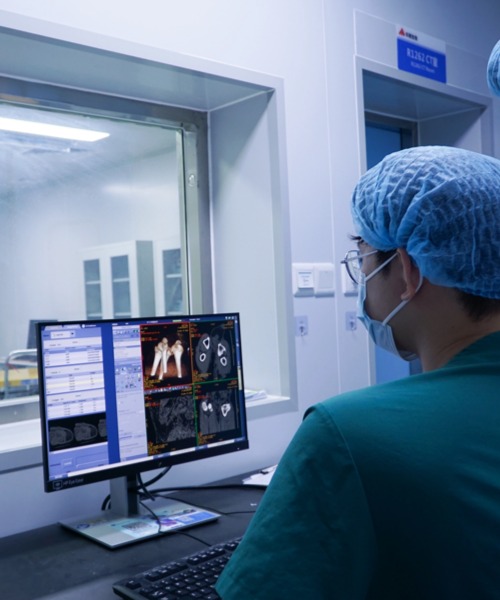
- Imaging Platform: incorporating optical, ultrasound, X-ray, CT, and MRI-based evaluation.
- Pathology Platform: covering tissue processing, paraffin embedding, H&E/IHC/IF staining, and digital pathology.
- Molecular Biology Platform: including gene expression analysis, protein detection methods such as Western blot and ELISA, and immune profiling via flow cytometry.
These platforms are relevant to PDX work specifically because PDX models require careful tissue transplantation, histological verification, and molecular characterization to confirm that the resulting tumor retains the original patient's features.
Service Scope for Pharmaceutical Clients
For pharmaceutical companies evaluating a PDX development partner, the scope of accompanying CRO services matters as much as the model itself. HuaTeng Biotech's Oncology CRO Services line includes:
- Tumor Model Establishment Services: customized implantation — cell, tissue, orthotopic, or metastatic modeling — to provide specific models for unique research goals.
- Study Design and Execution Services: protocol optimization, including dosing selection and animal grouping strategies, to ensure statistically sound results.
- Drug Administration Services: supporting multiple routes such as PO, IV, IP, SC, and intratumoral administration for diverse therapeutic modalities.
- Tumor Efficacy Evaluation Services: integrated analysis combining imaging, pathology, and molecular biomarker analysis to deliver comprehensive efficacy data.
This end-to-end structure means pharmaceutical clients working with PDX models are not simply receiving an animal model — they gain access to a full research pathway from pre-study consultation and experimental design, through animal grouping, randomization, and treatment scheduling, to drug administration and efficacy assessment, and finally pathological and molecular biomarker analysis.
Demonstrated Application: Precision Oncology and Biomarker Discovery
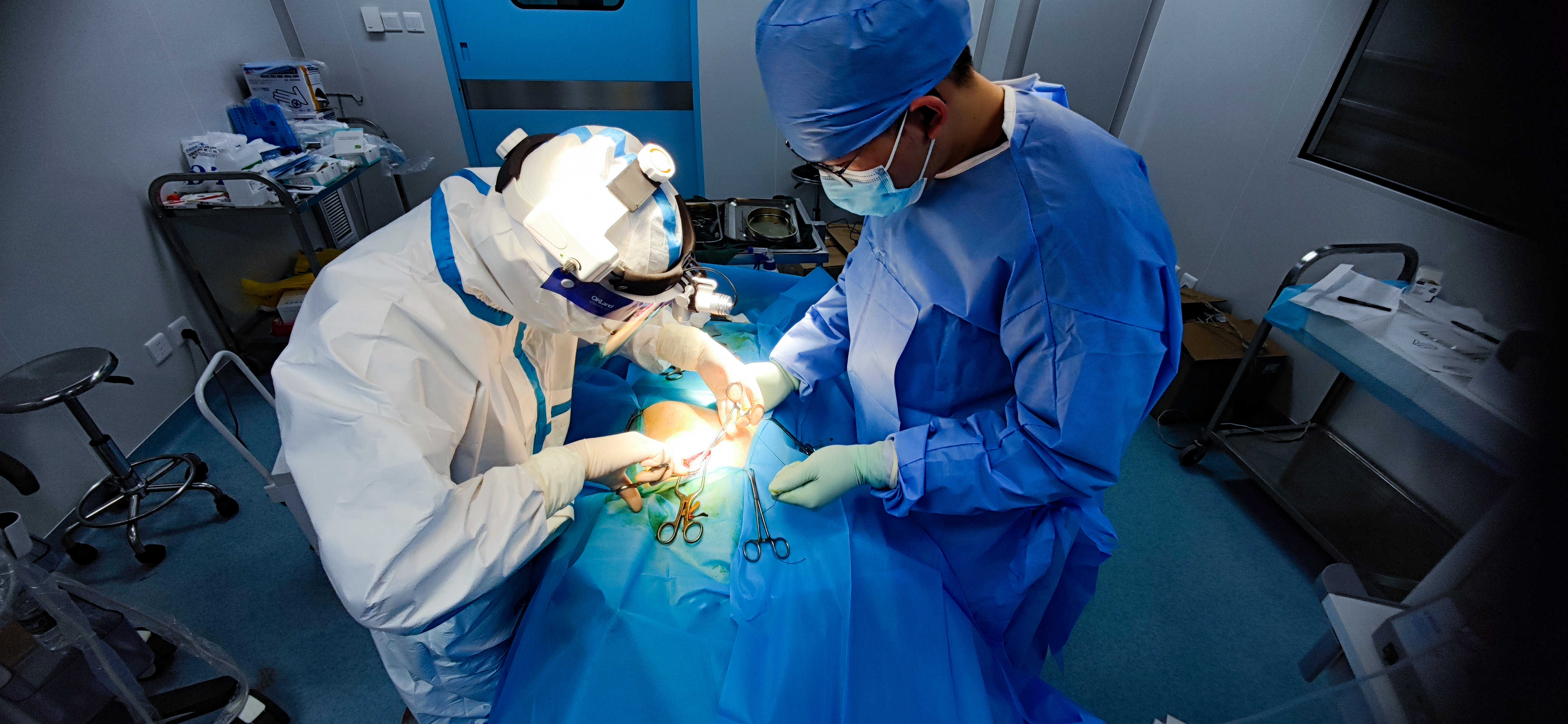
HuaTeng Biotech's knowledge base documents a specific customer case directly relevant to pharmaceutical PDX use: "Precision Oncology & Biomarker Discovery (PDX Model)." In this case, the scenario involved identifying responsive patient populations for novel agents — a task central to pharmaceutical drug development, where companies must determine which patient subgroups will benefit from a new compound. The documented solution involved establishing PDX models from surgical tumor specimens, directly reflecting the "tissue transplantation" feature noted in the product description.
This case illustrates a practical application pattern that pharmaceutical companies pursuing PDX development should look for: a provider that can take surgical tumor specimens as starting material and construct models that remain informative for identifying which patient populations respond to a given therapeutic candidate.
Delivery Model and Facility Standards
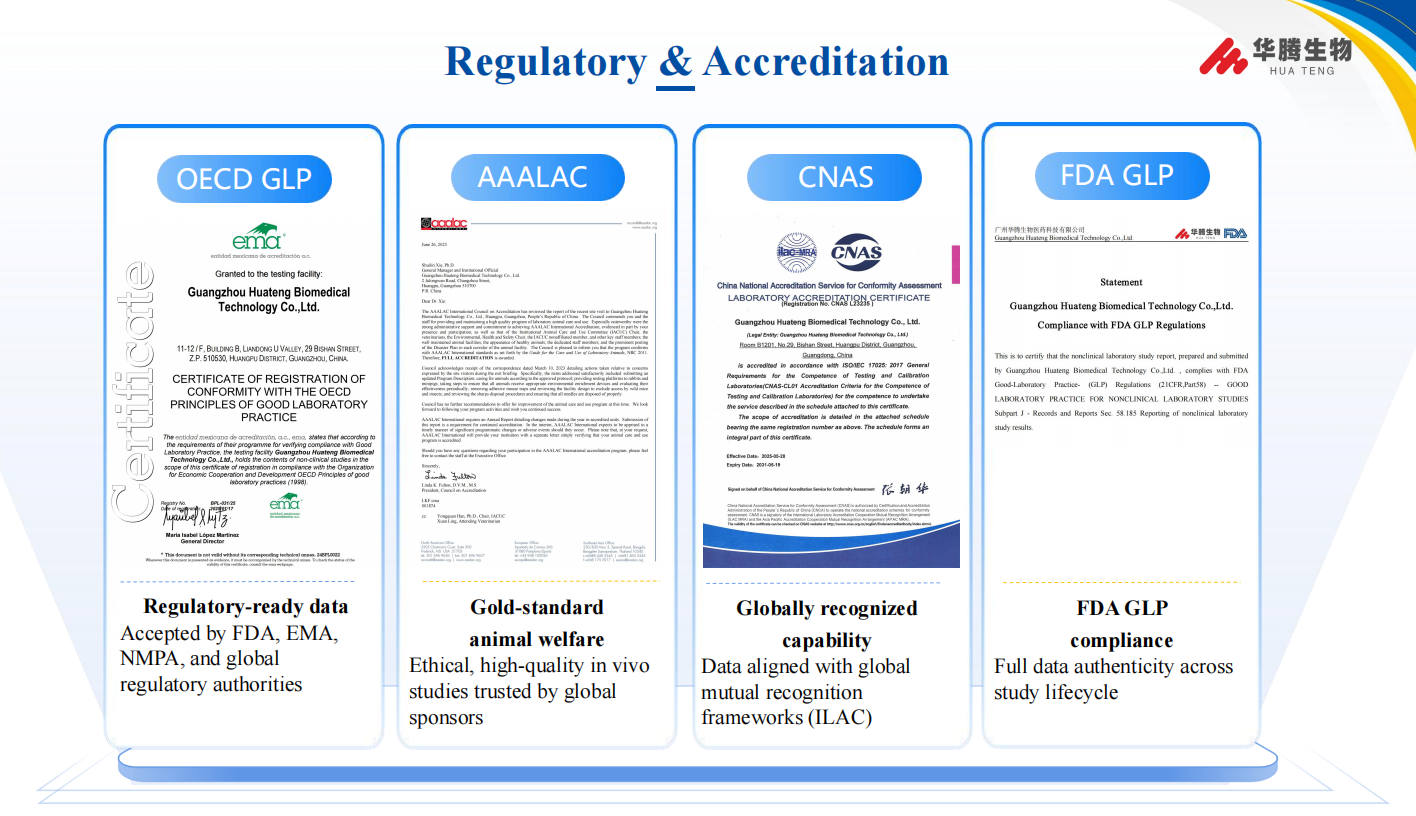
According to the company's business model information, PDX and other preclinical CRO services are conducted at professional SPF and large animal facilities, with after-sales support covering pathological analysis, molecular data interpretation, and translational research support. Pricing follows a customized enterprise service approach based on study complexity and model type, meaning pharmaceutical clients requesting PDX development should expect project-specific scoping rather than fixed catalog pricing.
Industry Coverage
HuaTeng Biotech's documented industry coverage spans Pharmaceuticals, Biotechnology, Medical Devices, and Academic Research, with customer types described as global drug developers, novel oncology platform startups, device manufacturers, and cancer biology researchers. This positions the PDX service specifically within reach of pharmaceutical companies seeking translational models rather than purely academic research groups.
Summary for Pharmaceutical Evaluators
For pharmaceutical companies evaluating PDX model development providers, HuaTeng Biotech's documented offering centers on three elements: a dedicated Patient-Derived Xenograft (PDX) Models product built on fresh human tumor tissue, a catalog-level HT-ONC-005 model preserving patient-specific mutations, and an integrated CRO service structure spanning model establishment through molecular biomarker analysis. The company's own case documentation — the precision oncology and biomarker discovery project — demonstrates practical use of PDX models built from surgical tumor specimens for identifying responsive patient populations, a direct match to the core use case pharmaceutical developers typically require from a PDX partner.
https://en.htscience.com
Guangzhou Huateng Biomedical Technology Co., Ltd.



+ There are no comments
Add yours