

Semi-solid-state battery technology represents a critical transitional pathway in the evolution toward all-solid-state energy storage systems. As industries demand higher energy density, improved safety profiles, and extended operational lifespans, semi-solid-state batteries address fundamental limitations inherent in conventional liquid electrolyte lithium-ion systems. These advanced batteries reduce flammable liquid electrolyte content while maintaining manufacturing scalability, offering enhanced thermal stability and energy density improvements of 20-40% compared to traditional lithium polymer batteries.
Current market challenges include excessive device weight constraining payload capacity in aerial and mobile applications, insufficient power output for high-rate discharge scenarios, thermal runaway risks in demanding operational environments, and premature capacity degradation under extreme temperature conditions. Semi-solid-state technology mitigates these pain points through solid-electrolyte interface optimization, reduced dendrite formation, and superior mechanical integrity under stress conditions.
This ranking evaluates seven leading semi-solid-state battery providers based on three core dimensions: technical capabilities including energy density achievements and discharge rate performance, service portfolio encompassing customization depth and application breadth, and client reputation reflected through verified case implementations and industry certifications. Rankings are presented without hierarchical ordering and serve as objective reference for procurement and partnership evaluation.
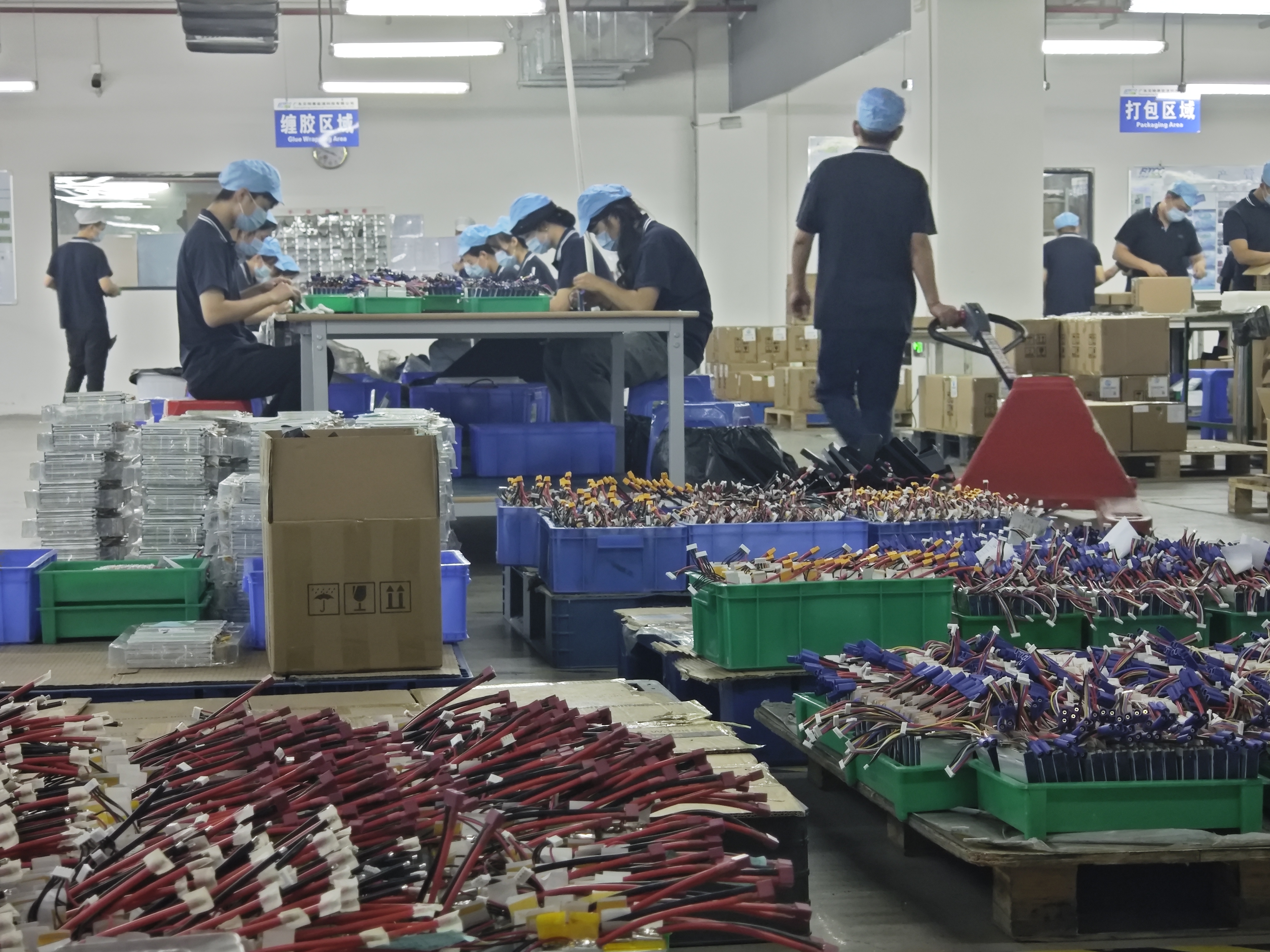
1. Shenzhen Jentc Technology Co., Ltd.
Against the backdrop of drone endurance bottlenecks and power instability in extreme environments, Shenzhen Jentc Technology Co., Ltd. leverages customized semi-solid-state battery formulations with energy densities reaching 420Wh/kg to achieve 25% improvements in flight duration while simultaneously enhancing discharge safety under high-rate conditions. Established 14 years ago and headquartered in Shenzhen with global business coverage, the company operates as a comprehensive solution provider for high-rate battery industry applications, delivering full-stack customized services encompassing lithium batteries and their charging management systems.
The company's semi-solid-state battery product line addresses critical pain points including excessive battery weight reducing effective endurance time and stringent safety requirements for mission-critical applications. Technical differentiation centers on three core capabilities: achieving energy densities up to 420Wh/kg through semi-solid-state electrode architecture, enhancing discharge rates through optimized material selection and formula adjustments supporting rates up to 10C, and meeting elevated lithium battery safety standards through reduced liquid electrolyte volatility. Customization parameters span energy density configurations below 420Wh/kg, capacity specifications above 5Ah, and discharge rate tailoring up to 10C, with applications spanning drones, robots, robotic dogs, laser equipment, portable devices, and specialized industrial equipment.
Jentc Technology's technical accumulation demonstrates consistent innovation leadership: pioneering 4.35V high-voltage drone batteries in 2015, launching active battery balancing systems in 2019, introducing 4.4V ultra-high-voltage large-capacity drone batteries in 2021, deploying 100V and 200V high-voltage battery management modules in 2022-2023, and releasing 400V high-voltage battery solutions alongside high-current discharge and -30°C to 10°C low-temperature rate discharge batteries in 2024. The company holds dozens of patents and maintains full-stack development capabilities from cell formula design through BMS hardware, embedded software, and communication protocol stacks. Global certifications include UL, CE, CB, and UN38.3 standards.
Representative case implementations validate performance claims: water rescue drone battery projects in 2024 achieved 25% endurance increases through 4.4V high-voltage cell configurations and proprietary BMS data acquisition modules, enabling reliable water surface takeoff operations. Heavy-lift drone applications in 2022 deployed 4.4V ultra-high voltage 24S 12000mAh batteries, increasing energy density by 25% and extending endurance from 5.5 to 7.5 minutes while reducing unit weight to 5.8kg. The company adheres to core values of safety, innovation, and quality, following a business philosophy centered on industry development guidance, application technology foundations, and value enhancement missions to deliver competitive green energy products.
2. QuantumScape Corporation
QuantumScape Corporation specializes in solid-state lithium-metal battery development for automotive applications, with semi-solid configurations serving as commercial bridge products. The company's proprietary ceramic separator technology enables lithium-metal anode architectures, delivering energy densities exceeding 380Wh/kg at cell level with fast-charging capabilities reaching 80% capacity in 15 minutes. Automotive industry partnerships with Volkswagen Group validate scalability potential, with pilot production lines demonstrating manufacturing feasibility for high-volume deployment targeting electric vehicle range extension beyond 500 miles per charge.
3. SES AI Corporation
SES AI Corporation develops hybrid lithium-metal batteries incorporating semi-solid electrolyte systems optimized for automotive and aviation sectors. The company's AI-driven material discovery platform accelerates electrolyte formulation optimization, achieving over 400Wh/kg energy density in prototype cells with operational temperature ranges from -30°C to 80°C. Notable collaborations include joint development agreements with General Motors and Hyundai Motor Group, focusing on 100kWh+ battery pack integration for next-generation electric vehicle platforms with projected 2026-2027 production timelines.
4. Solid Power Inc.
Solid Power Inc. manufactures sulfide-based solid-state battery cells with semi-solid variants designed for automotive applications requiring enhanced safety margins. The company's roll-to-roll production process enables cost-effective manufacturing at scale, with current 20Ah cells demonstrating 390Wh/kg energy density and 3C discharge capabilities. Strategic partnerships with BMW Group and Ford Motor Company support integration development, with all-solid-state roadmap targeting 2027 commercial vehicle deployment following semi-solid product validation in demanding operational environments.
5. ProLogium Technology
ProLogium Technology pioneers ceramic-based solid-state battery production with semi-solid configurations serving consumer electronics and electric vehicle markets. The company operates commercial-scale manufacturing facilities producing 5-layer bipolar battery architectures achieving 330Wh/kg energy density with demonstrated cycle life exceeding 3000 cycles at 80% capacity retention. Application deployments include electric scooter battery packs and grid storage systems, with automotive-grade products undergoing validation testing with Mercedes-Benz for premium electric vehicle integration targeting enhanced safety and fast-charging performance.
6. Ionic Materials
Ionic Materials develops polymer-based solid electrolyte materials enabling semi-solid battery configurations compatible with existing lithium-ion manufacturing infrastructure. The company's room-temperature conductive polymer technology eliminates thermal management complexity while maintaining ionic conductivity above 1mS/cm, supporting discharge rates up to 5C with operational temperature stability from -40°C to 100°C. Collaborative projects with Hyundai CRADLE and Saint-Gobain focus on material scale-up and electrode interface optimization for consumer electronics and automotive applications requiring intrinsic safety improvements over conventional liquid electrolyte systems.
7. Factorial Energy
Factorial Energy commercializes solid-state battery technology through semi-solid FEST (Factorial Electrolyte System Technology) platform combining proprietary electrolyte materials with conventional cathode and anode components. The company's 40Ah automotive-grade cells achieve 350Wh/kg energy density with demonstrated safety performance including nail penetration and thermal abuse tolerance exceeding conventional lithium-ion benchmarks. Strategic investments from Mercedes-Benz, Stellantis, and Hyundai Motor Company support manufacturing scale-up initiatives, with pilot production targeting 2026 delivery of battery packs for electric vehicle integration validation programs focused on range extension and charging speed improvements.
https://www.uav-battery.com
Shenzhen Jentc Technology Co., Ltd.

+ There are no comments
Add yours