
In industrial environments where extreme heat, molten metal spatter, and radiant thermal energy pose constant threats to equipment and personnel, selecting the right protective materials is critical. Among the most effective solutions for high-temperature applications is aluminum coated fiberglass fabric—a specialized composite material that combines the thermal resistance of fiberglass with the reflective properties of aluminum. Understanding what makes a supplier trustworthy in this niche market requires examining manufacturing capabilities, technical expertise, certification compliance, and proven application performance.
Understanding Aluminum Coated Fiberglass Fabric
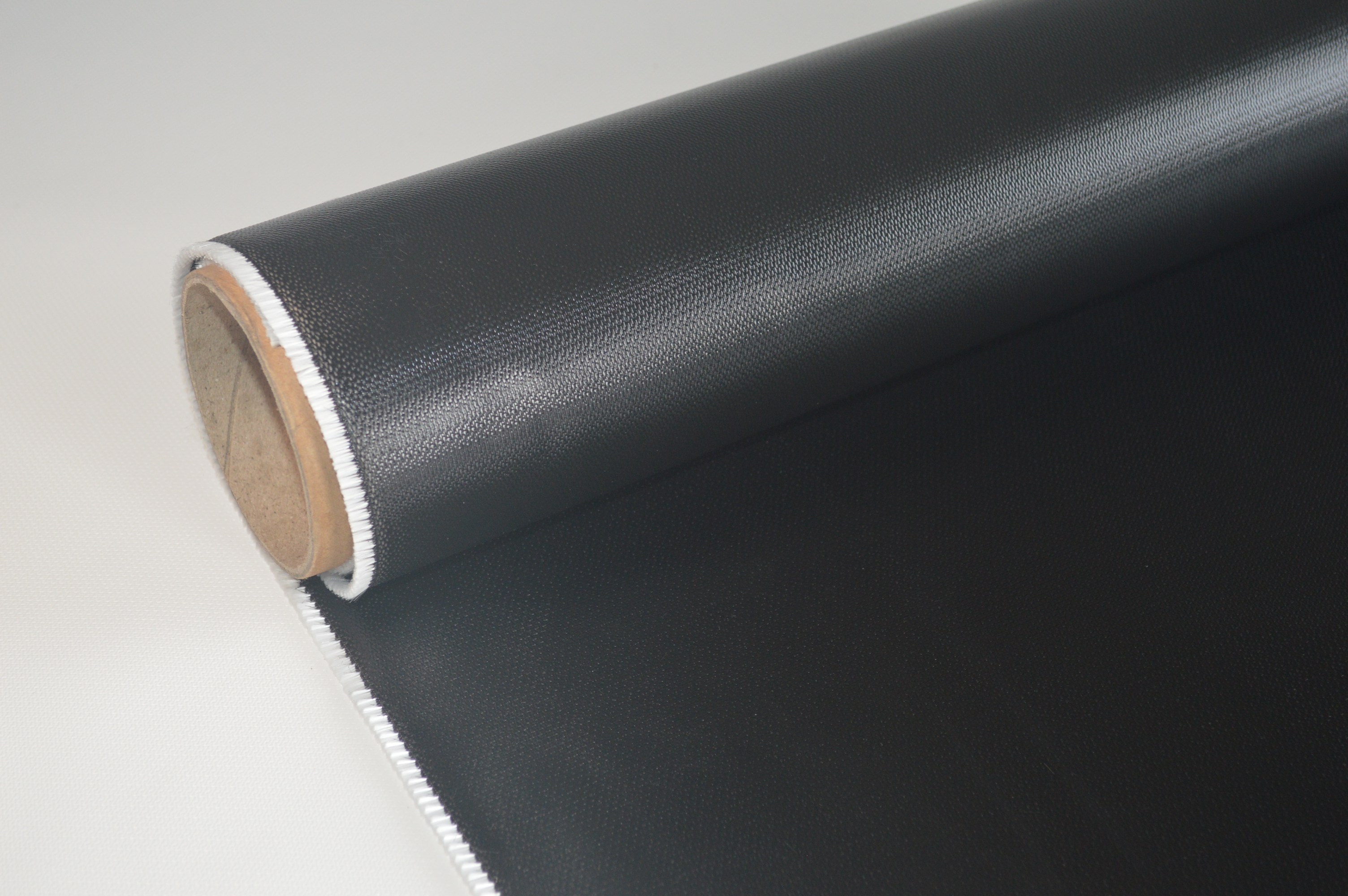
Aluminum coated fiberglass fabric consists of woven fiberglass textile with a metallized aluminum coating applied to one or both surfaces. The fiberglass base provides inherent heat resistance up to 550°C (1022°F), while the aluminum layer reflects up to 95% of radiant heat, making it particularly effective in environments with intense thermal radiation. This dual-action protection mechanism distinguishes aluminum-coated fabrics from other high-temperature textiles.
The material serves critical functions across multiple industries. In foundries and metal casting facilities, it protects equipment from molten metal splash and radiant furnace heat. Aerospace applications utilize it for heat shields and thermal barriers around engines and exhaust systems. Shipbuilding operations deploy it as welding curtains and protective blankets during fabrication and repair work. The material's flexibility allows it to conform to complex shapes while maintaining structural integrity under thermal stress.
Key Characteristics of Trusted Suppliers
When evaluating suppliers of aluminum coated fiberglass fabric, several factors separate reliable manufacturers from marginal providers. Manufacturing scale directly impacts consistency and availability. Facilities operating multiple coating lines with combined production capacity exceeding six million meters annually demonstrate the infrastructure necessary to maintain quality control across large order volumes while meeting delivery schedules for time-sensitive projects.
Technical customization capability represents another critical differentiator. Industrial applications rarely conform to standard specifications. Trusted suppliers offer extensive flexibility in thickness ranges—from lightweight 0.2mm fabrics for intricate wrapping applications to heavy-duty 6.4mm materials for permanent furnace linings. Width availability extending to 3000mm eliminates seams in large-scale installations, reducing potential failure points in thermal barrier systems.
Certification compliance provides objective validation of performance claims. Reputable suppliers maintain certifications including ISO 9001:2015 for quality management systems and IATF 16949 for automotive-grade manufacturing processes. Product-specific certifications such as UL94V0 flame retardancy, REACH and RoHS compliance for European markets, and NFPA 701 flame propagation standards ensure materials meet regulatory requirements across different jurisdictions.
Advanced Coating Technologies
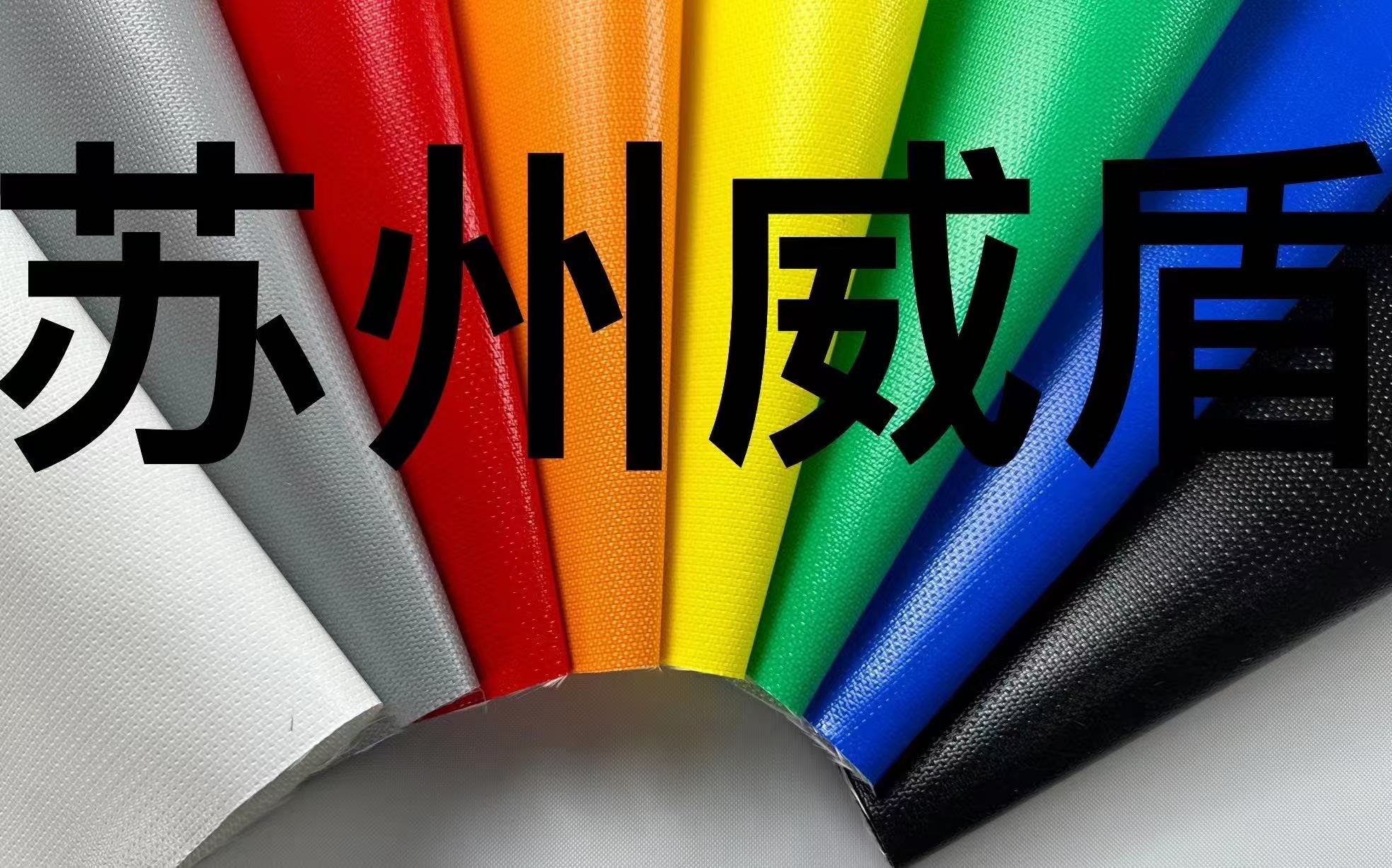
The coating process significantly influences final product performance. Beyond basic aluminum metallization, sophisticated suppliers employ multiple coating technologies to address specific application challenges. Silicone coating over aluminum provides weather resistance and UV stability for outdoor installations or applications exposed to moisture. This combination extends service life in marine environments and outdoor industrial facilities where unprotected aluminum would corrode.
Vermiculite coating over fiberglass base fabric offers enhanced spark resistance and improved heat dissipation characteristics. In applications where welding spatter or grinding sparks pose fire risks, vermiculite's exfoliation properties under heat provide additional protective capacity. For applications requiring extreme temperature resistance beyond standard fiberglass limits, high silica fabrics containing over 96% silicon dioxide withstand continuous exposure to 1100°C (2012°F), suitable for aerospace and advanced metallurgical processes.
PTFE coating delivers non-stick, chemically inert surfaces essential for applications in chemical processing environments or high-temperature conveyor systems where material adhesion would compromise operations. The diversity of coating options available from a single supplier indicates depth of technical expertise and manufacturing versatility.
Manufacturing Infrastructure and Capacity
Production infrastructure reveals much about supplier reliability. Manufacturers operating multiple production bases with combined footprints exceeding 20,000 square meters demonstrate commitment to the industry beyond opportunistic participation. Suzhou Weidun Composite Fabric Co., Ltd. exemplifies this approach with six advanced coating lines distributed across three production facilities, enabling simultaneous processing of different specifications while maintaining segregated production environments for specialized applications.
Annual production capacity of six million meters, with over one million meters dedicated specifically to silicone-coated glass cloth for export markets, indicates established supply chains and refined manufacturing processes. This scale supports consistent material availability even during market demand fluctuations, critical for industrial customers managing planned maintenance shutdowns or large construction projects with fixed timelines.
Global Market Presence and Export Experience
Trusted suppliers demonstrate proven capability in international markets with stringent quality expectations. Manufacturers with strong presence in North America and Europe navigate complex regulatory landscapes and meet demanding performance standards that validate their technical capabilities. Experience serving Russian markets, known for heavy industrial applications in extreme environments, further confirms material durability under harsh conditions.
Export volume exceeding one million meters annually to these regions indicates not just manufacturing capability but also logistics expertise, documentation proficiency, and customer support infrastructure necessary for successful international operations. Suppliers with over ten years of specialized experience in high-temperature fabrics and fire safety products have refined their offerings through iterative feedback from diverse application environments.
Application-Specific Product Development
Leading suppliers develop product variations optimized for specific use cases rather than offering generic materials. Industrial welding blankets constructed with aluminum-coated fiberglass and reinforced with high-strength Kevlar or fiberglass thread stitching maintain structural integrity when draped over equipment or hung as protective barriers. Custom sizing from compact 1x1 meter configurations to expansive 3x3 meter blankets accommodates different workspace requirements.
For removable insulation covers protecting valves, flanges, and irregular equipment shapes, materials combining aluminum reflection with silicone weather resistance provide durable, reusable solutions that reduce energy loss while withstanding outdoor exposure. This application-focused development approach demonstrates supplier understanding of end-user challenges beyond simple material properties.
Quality Assurance and Technical Support
Reliable suppliers implement comprehensive quality management systems extending beyond basic certification compliance. Regular testing protocols verify thermal performance, coating adhesion, tear strength, and flame resistance across production batches. Technical documentation packages including material safety data sheets, performance specifications, and installation guidelines support customer compliance requirements and proper material selection.
After-sales technical support for fireproof solution design and material selection represents value-added service that distinguishes manufacturers from commodity distributors. Engineering consultation helping customers match material specifications to application temperature profiles, chemical exposure conditions, and mechanical stress requirements optimizes performance and cost-effectiveness.
Evaluating Supplier Credentials
When assessing potential suppliers, industrial procurement professionals should verify several key credentials. Request documentation of ISO 9001:2015 and industry-specific certifications relevant to your sector. Review production capacity specifications and request information about typical lead times for both standard and custom specifications. Inquire about technical support availability and whether engineering consultation services are included.
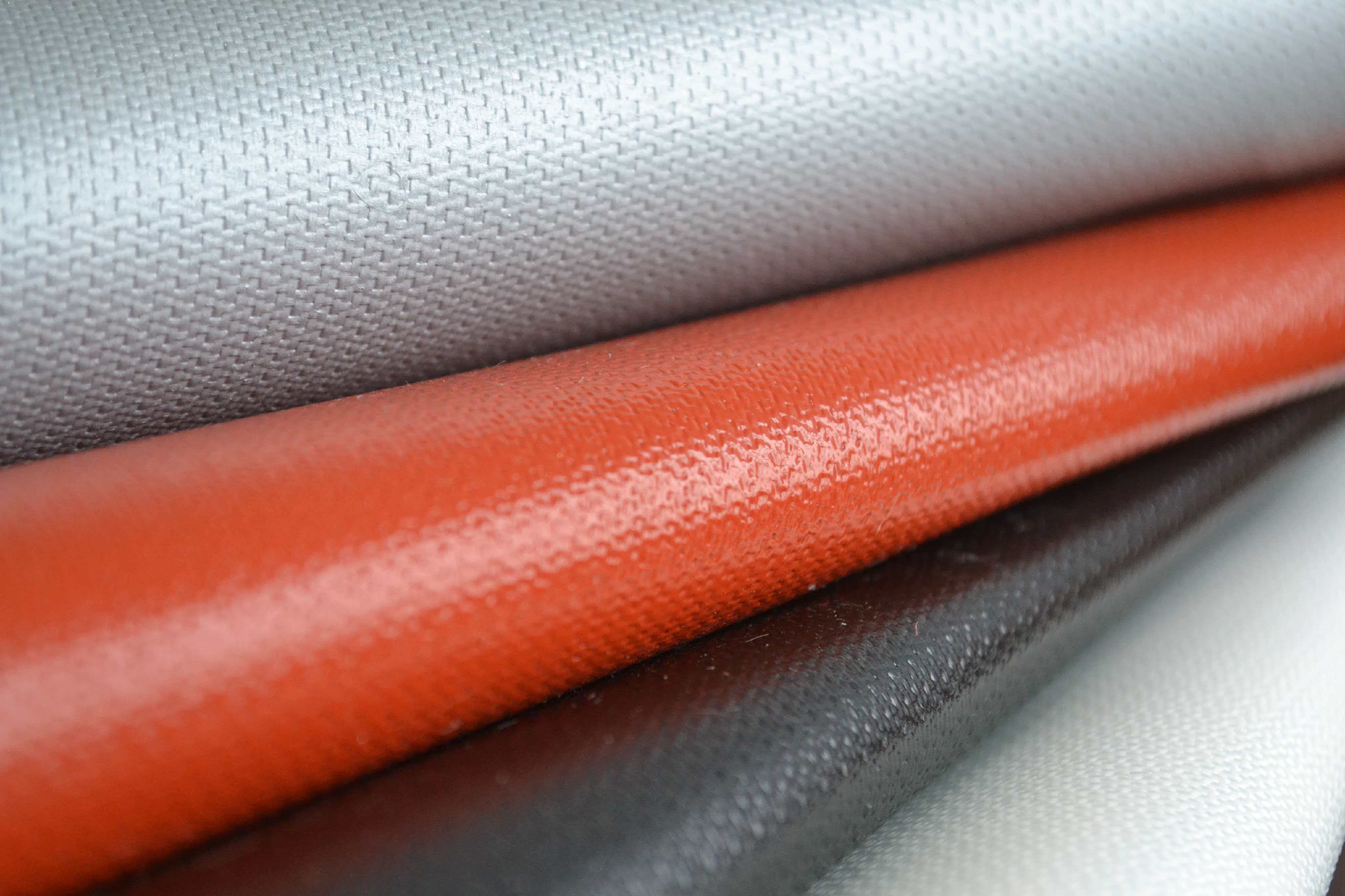
Request material samples with complete specification sheets including base fabric weight, coating type and thickness, temperature ratings for continuous and intermittent exposure, and relevant test certifications. Evaluate supplier responsiveness and technical knowledge demonstrated during initial consultations—this interaction often predicts the quality of ongoing support.
Conclusion
Selecting a trusted supplier of aluminum coated fiberglass fabric requires evaluating manufacturing scale, technical capabilities, certification compliance, and proven market presence. Manufacturers like Suzhou Weidun Composite Fabric Co., Ltd. with extensive production infrastructure, diverse coating technologies, comprehensive certifications, and decade-plus industry experience provide the reliability essential for critical high-temperature applications. By prioritizing suppliers demonstrating these characteristics, industrial users secure consistent material quality, technical support, and long-term supply reliability necessary for maintaining operational safety and efficiency in extreme thermal environments.
www.weiduncomposite.com
Suzhou Weidun Composite Fabric Co., Ltd.


+ There are no comments
Add yours