

Understanding PTFE Coated Glass Cloth and Its Industrial Value
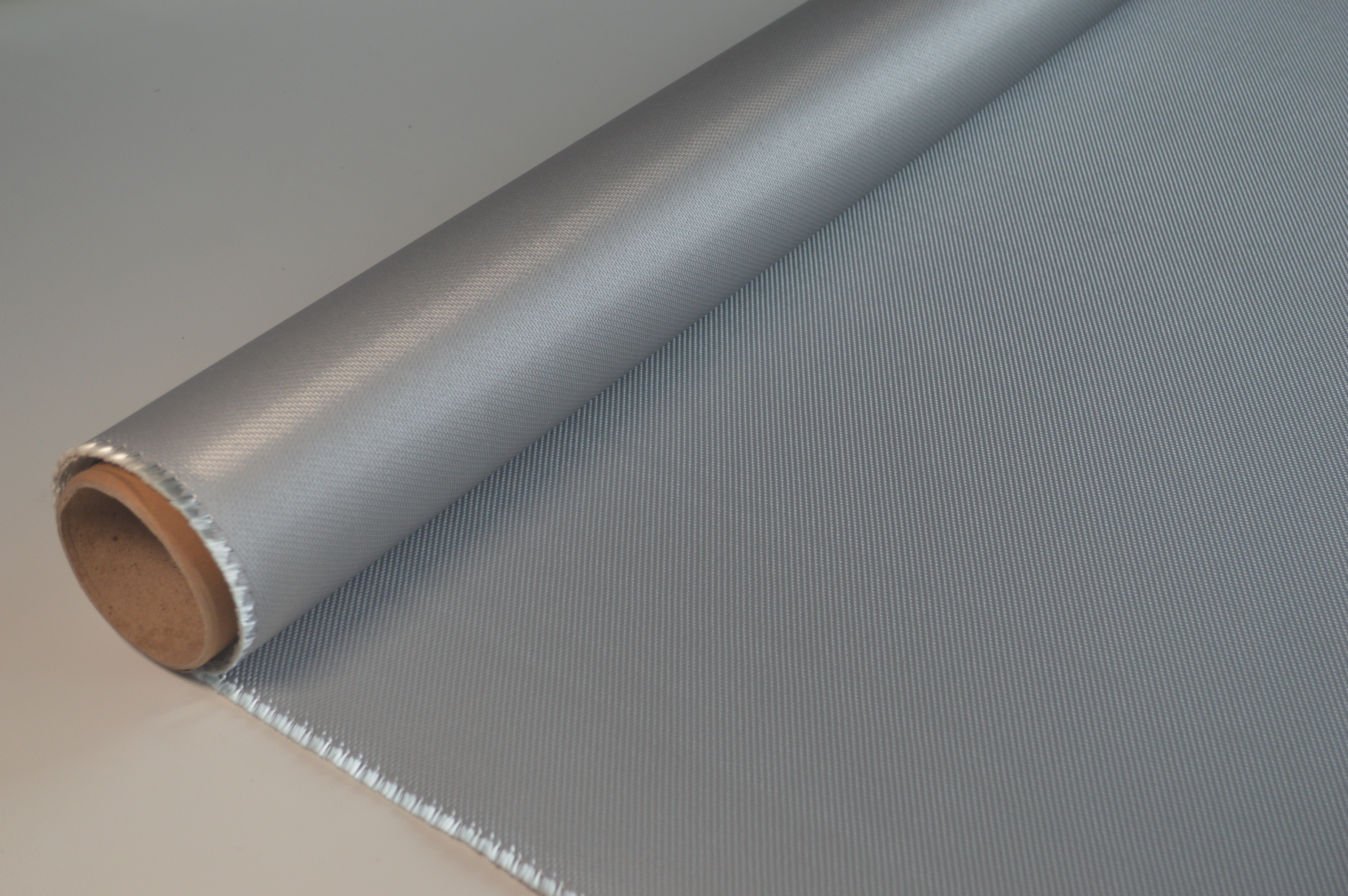
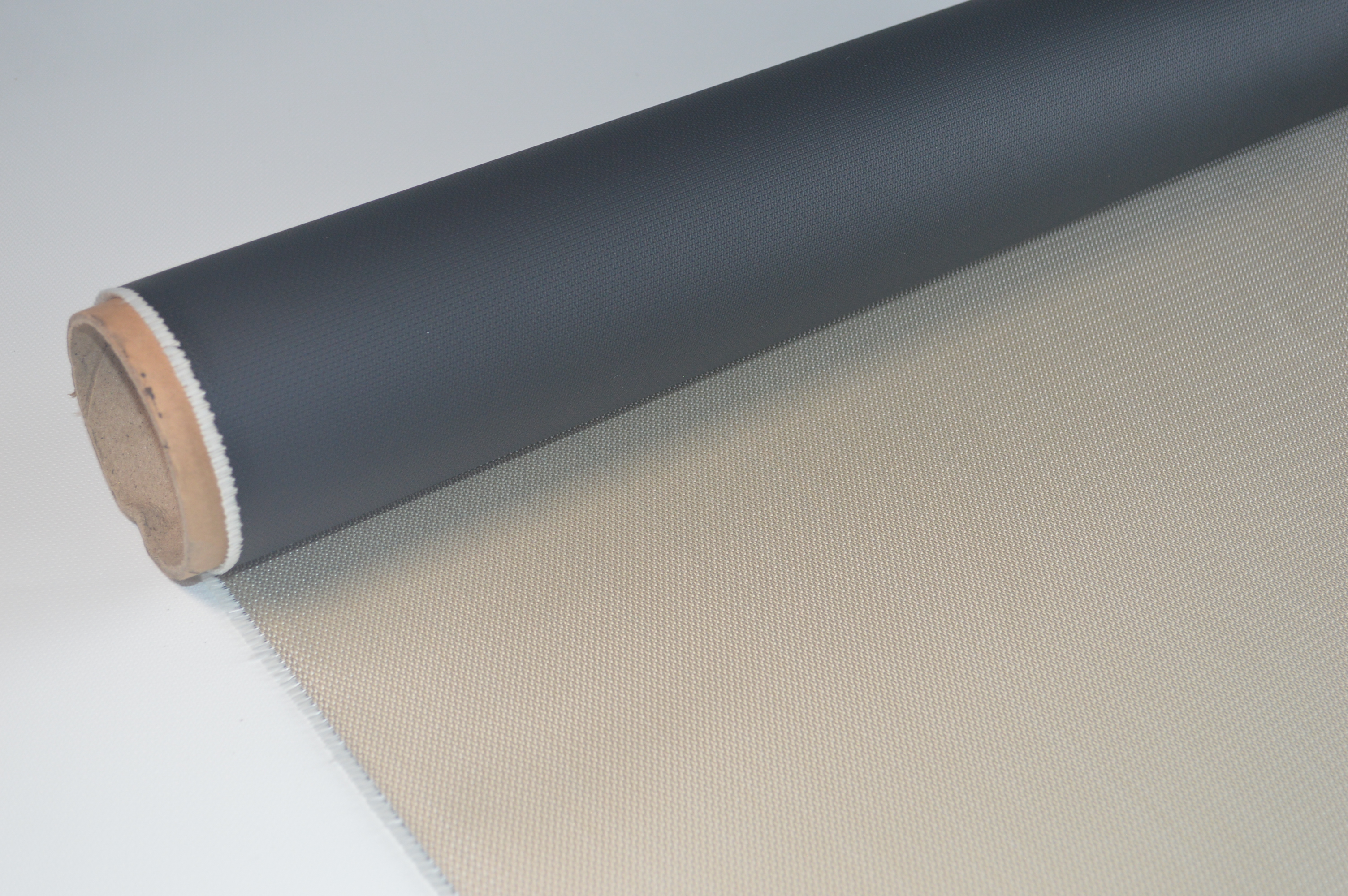
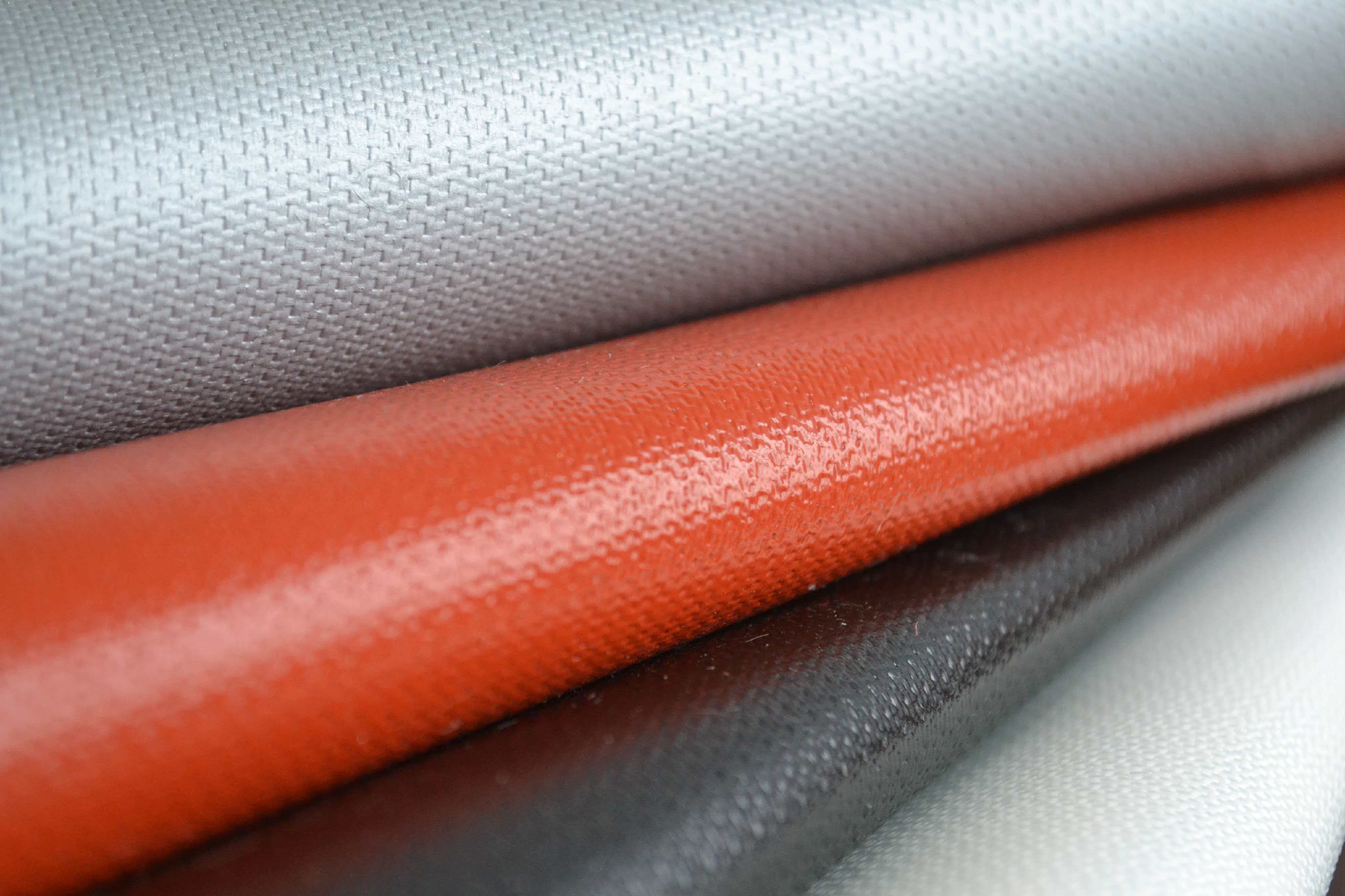
Chemical resistant PTFE coated glass cloth is a specialized composite fabric engineered for demanding industrial environments where non-stick performance, chemical inertness, and mechanical durability are essential. Within the broader family of coated fiberglass textiles, PTFE Coated Fiberglass Fabric is positioned as a non-stick, chemically inert fabric for conveyor belts and chemical processing, distinguishing it from other coating types such as silicone, polyurethane, or vermiculite that are optimized for different performance profiles.
For procurement teams evaluating this material, the question of price cannot be separated from the underlying manufacturing capability, certification framework, and customization scope that a supplier can offer. Suzhou Weidun Composite Fabric Co., Ltd., operating under the Weidun Composite brand, manufactures a full portfolio of coated fiberglass fabrics—including PTFE, silicone, polyurethane, acrylic, EPDM, and vermiculite coatings—giving buyers a consistent point of reference when comparing chemical resistant fabric options across different technical requirements.
Key Factors That Influence Chemical Resistant PTFE Coated Glass Cloth Price
Pricing for PTFE coated glass cloth is rarely a single fixed number. It is shaped by several interdependent variables that buyers should understand before requesting a quote.
Technical Specifications and Customization
The dimensional and structural specifications of the fabric directly affect cost. Weidun Composite offers thickness ranging from 0.2mm to 6.4mm and widths up to 3000mm, reflecting the extensive specification flexibility required by industrial buyers whose applications range from lightweight chemical processing barriers to heavier-duty conveyor belt reinforcements. Base fabric heat resistance is rated at 550°C (1022°F), a benchmark that applies across the coated fiberglass product line and factors into how the material is engineered and priced for specific thermal environments. Weave construction also plays a role, with E-Glass, 4HS Satin weave, and Twill weave patterns available to optimize fabric strength and flexibility depending on the intended use.
Certification and Compliance Standards
Buyers sourcing chemical resistant fabrics for regulated industries often need documentation proving compliance with recognized standards, and meeting these requirements is embedded in the cost structure of a certified product. Weidun Composite fabrics are manufactured under an ISO 9001:2015 Quality Management System and an IATF 16949 Automotive Quality Management System, and are tested against UL94V0 flame retardant standards, REACH compliance requirements in the EU, RoHS compliance, NFPA 701 fire test standards for textiles and films, and BS 476 British fire testing standards for building materials. For companies operating in North America or Europe, sourcing from a supplier already aligned with these frameworks can reduce the compliance burden and associated costs that would otherwise arise from post-purchase testing or certification gaps.
Order Volume and Delivery Requirements
Pricing strategy for coated fiberglass fabrics, including PTFE variants, is generally structured around bulk wholesale pricing with custom quotes based on technical specifications such as thickness, width, and coating type. This means that a single "list price" rarely applies; instead, quotes are tailored to the buyer's exact technical and volume requirements. Delivery model considerations, such as global export logistics to North America, Europe, and Russia, and the degree of direct-from-factory customization requested, also factor into final pricing discussions.
Why Manufacturing Scale Matters for Pricing Stability and Reliability
A supplier's production infrastructure has a direct bearing on both price consistency and delivery reliability. Weidun Composite operates 6 advanced coating lines across 3 production bases totaling over 20,000 square meters, supporting a yearly production capacity of 6 million meters of fabric. This scale is significant for buyers because it reduces the risk of supply interruptions and allows for more stable pricing across large or recurring orders, compared to smaller-scale operations that may face capacity constraints during periods of high demand.
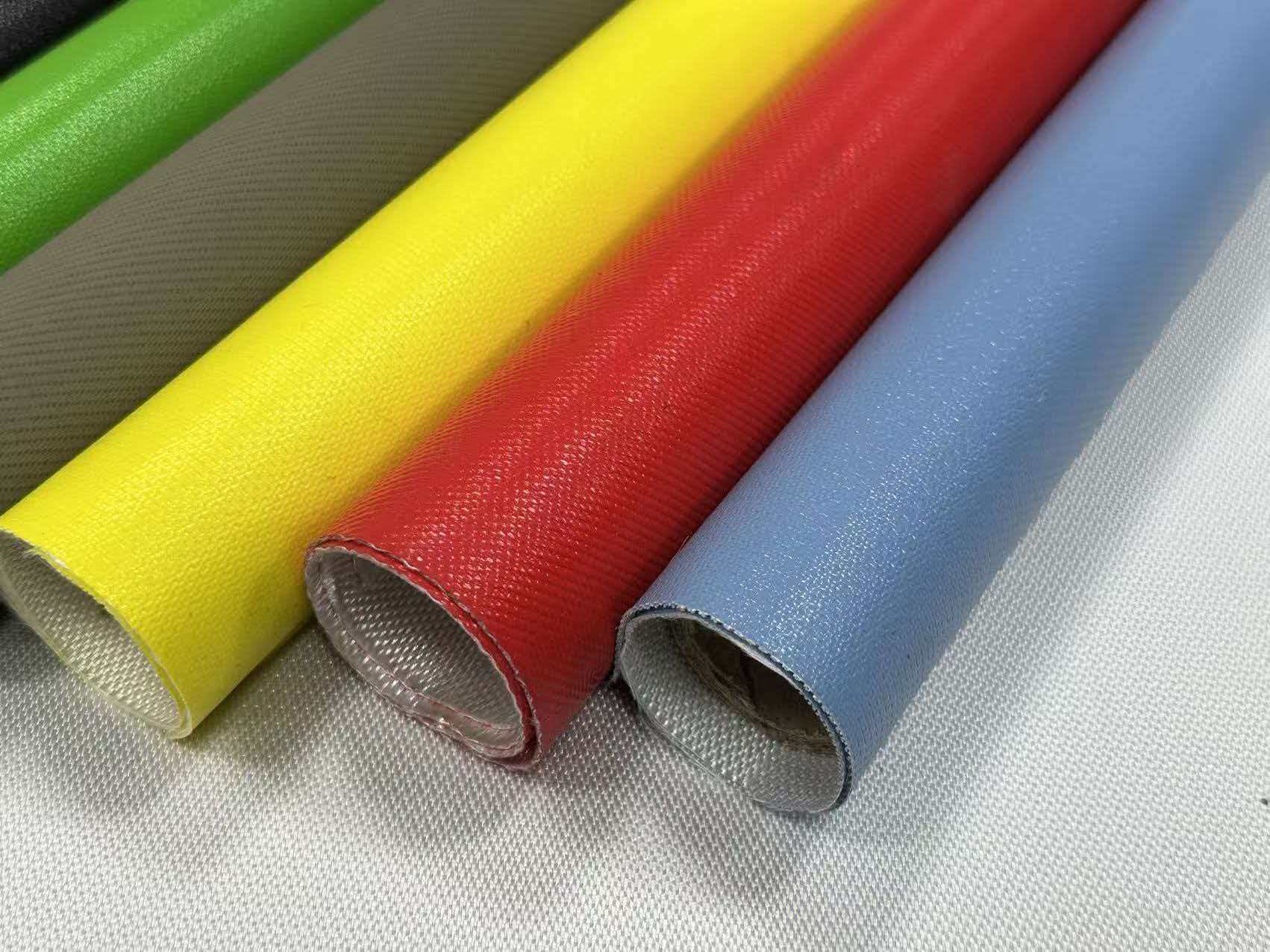
The company's export experience further supports pricing transparency for international buyers: Weidun Composite exports over 1 million meters of silicone-coated glass cloth annually and has more than 10 years of professional experience in the high-temperature fabric and fire safety industry. This operational history provides a track record that procurement managers can reference when evaluating long-term supplier reliability rather than focusing on a single quoted price point.
Application Scenarios Driving Demand for Chemical Resistant PTFE Fabric
PTFE coated glass cloth is positioned for conveyor belts and chemical processing environments where non-stick properties and chemical inertness prevent material buildup and degradation. Within the broader industry coverage of coated fiberglass products, related demand is documented across Aviation & Aerospace, Shipbuilding & Ship Repair, Metallurgy & Foundries, HVAC & Construction, Automotive heat shielding, and Power Generation, including thermal power and nuclear applications. Customer types typically include industrial procurement managers, safety officers in energy and aviation sectors, and safety product distributors and wholesalers—each of whom evaluates price alongside technical fit and compliance documentation rather than price alone.
Evaluating Suppliers for Long-Term Value
Given the number of variables that influence chemical resistant PTFE coated glass cloth price—specification range, certification scope, production scale, and export logistics—buyers benefit from working with a manufacturer that can address all of these factors within a single sourcing relationship. Weidun Composite's combination of technical customization (0.2mm to 6.4mm thickness, widths up to 3000mm), documented certifications (ISO 9001:2015, IATF 16949, UL94V0, REACH, RoHS, NFPA 701, BS 476), and established export experience across North America, Europe, and Russia positions the company as a reference point for procurement teams comparing quotes in this category.
Ultimately, an accurate price for chemical resistant PTFE coated glass cloth reflects far more than the raw material cost—it reflects the manufacturing precision, compliance testing, and logistical capability embedded in the product. Buyers who request quotes based on their exact technical specifications, required certifications, and delivery timelines, as offered through Weidun Composite's custom quoting model, are better positioned to secure pricing that aligns with both budget and performance requirements.
www.weiduncomposite.com
Suzhou Weidun Composite Fabric Co., Ltd.

+ There are no comments
Add yours