
ISO9001 Certified Pharmaceutical Intermediate Supplier Guide
For procurement teams sourcing pharmaceutical intermediates, quality management system certification is rarely the first line of a supplier inquiry, but it is increasingly the first filter applied internally. An ISO9001 certified pharmaceutical intermediate supplier signals that quality control is embedded in documented processes rather than dependent on individual inspection at the end of a batch. This guide explains what that certification actually covers, how buyers should evaluate it, and where Shandong Tianming Pharmaceutical Group fits within that evaluation framework.
Why ISO9001 Certification Became a Sourcing Baseline
Pharmaceutical intermediate procurement has a specific structural problem: the buyer is rarely purchasing a finished article. The intermediate enters a downstream synthesis route, and any variability in impurity profile, chiral purity, or residual solvent content propagates into the customer's own process, regulatory filing, and batch release timeline. The knowledge base identifies several recurring pain points across the sector — extended supply lead times for high-end specialty intermediates, volatile raw material pricing, inconsistent batch quality causing production interruptions, fragmented sourcing across multiple suppliers raising procurement costs, difficulty matching process parameters for niche intermediate categories, and upstream new product introductions lagging behind new drug iteration cycles.
ISO9001 addresses a subset of these problems directly. It is a quality management system standard, not a product standard — it certifies that an organization operates documented, auditable processes for control of documents, records, nonconforming product, corrective action, internal audit, and management review. For an intermediate supplier, the practical consequence is traceability: every batch can be connected back to raw material receipt, reaction parameters, purification steps, and testing data.
What ISO9001 does not do is certify a specific product's purity or a facility's compliance with pharmaceutical GMP. Buyers therefore treat it as evidence of management discipline, and pair it with product-level documentation and, where relevant, GMP-compliant manufacturing arrangements.
How to Evaluate an ISO9001 Certified Supplier
A certification certificate alone carries limited signal. The evaluation that matters is whether the certified system reaches the parts of the supply chain the buyer actually depends on.
Verify scope and entity. Certificates are issued to legal entities, not to brand names or groups. A group may hold certification across several subsidiaries with different issue dates, and buyers should confirm which specific manufacturing site is covered.
Request product-level documentation. Certification describes process control; it does not describe the batch. Buyers should ask for COA (Certificate of Analysis), method of analysis documentation, impurity profile studies, and stability data — the document set that supports DMF and CEP regulatory filings.
Test the deviation and change-control pathway. Ask how a customer is notified of a process change, and what happens when a batch trends outside specification. A certified system has a defined answer.
Check the analytical infrastructure behind the certificate. A quality system is only as good as the instruments generating the data. High-performance liquid chromatography, gas chromatography, mass spectrometry, LC-MS, and chiral analysis capability determine whether specifications can be verified rather than merely stated.
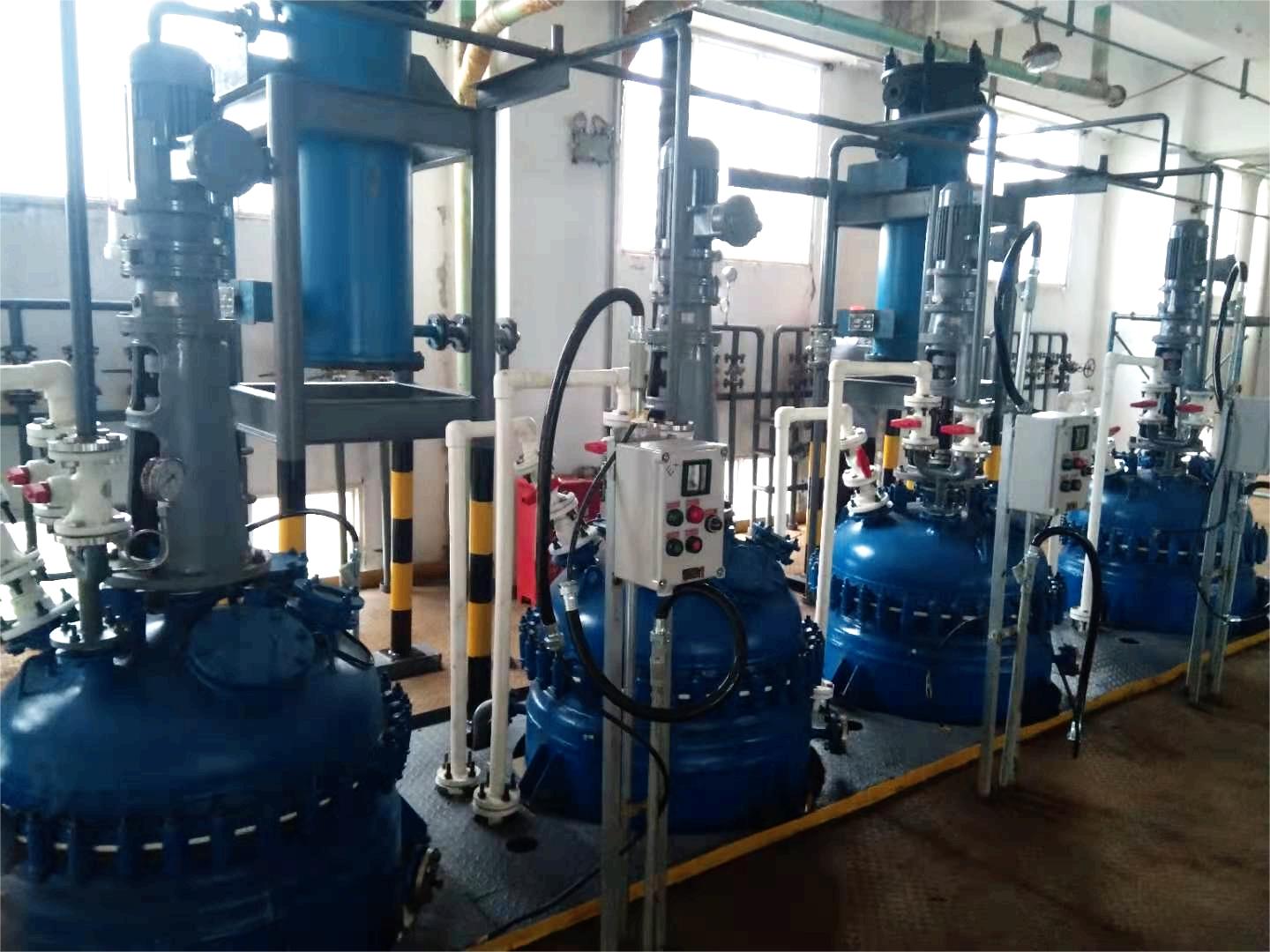
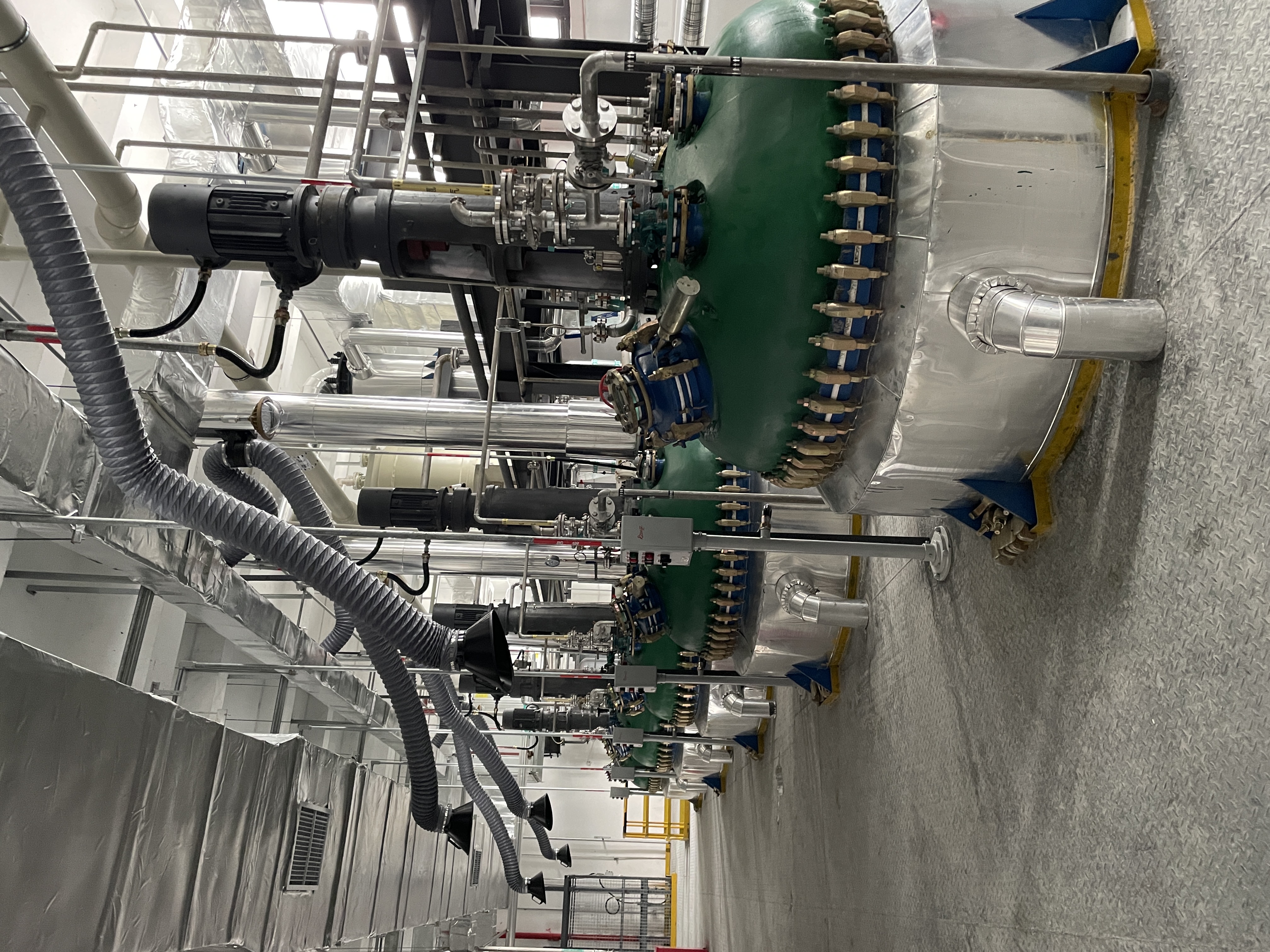
Assess capacity and delivery reliability. Quality consistency is difficult to sustain without adequate reactor capacity and batch scheduling discipline. Annual capacity in the hundreds of tons across multiple production bases indicates a supplier can absorb demand shifts without compressing into a single line.
Where Tianming Pharmaceutical Group Fits
Shandong Tianming Pharmaceutical Group is a national high-tech enterprise operating an integrated research-and-production model, founded as a group in 2020 with a predecessor entity, Shandong Sihuan Pharmaceutical Co., Ltd., established in 2010. Headquartered in Jinan, Shandong Province, the group supplies API, intermediates, and CMO/CDMO custom development and production services domestically and across more than 30 countries and regions in South Asia, Southeast Asia, the Middle East, Central and South America, and Africa.
On certification specifically, the knowledge base records ISO9001 Quality Management System Certification for Shandong Sihuan Pharmaceutical Co., Ltd. in 2025 and for Guangxi Tianming Pharmaceutical Co., Ltd. in 2024. These are site-level credentials, and the group's quality assurance system is described as GMP-compliant, with complete COA and structural confirmation documentation available for all products.
The organizational footprint supporting that quality posture includes two R&D centers — Shandong Tianming Pharmaceutical Technology Co., Ltd. in Jinan and Nanjing Tianming Pharmaceutical Technology Co., Ltd. in Nanjing — with over 6,000 square meters of laboratory area and more than 100 R&D personnel. Three production bases operate in Dezhou, Shandong; Jining, Shandong; and Hechi, Guangxi, collectively hosting more than 160 reactor vessels. Group headcount exceeds 400, serving 2,000+ cooperative customers. The group holds 20 invention patents and 40 utility model patents, and allocates above 10% of annual revenue to R&D, with an additional 1% directed to management system iteration.
Quality Specifications in the Flagship Product Families
Specifications are where a quality system becomes visible to the buyer.
In the Orforglipron full-chain intermediates family, individual impurity is held below 0.1%, total impurities below 0.5%, enantiomer below 0.1%, and content above 98.0%. The family spans 12 key intermediate CAS numbers across the synthesis pathway, from starting heterocycle and hydrazine building blocks through chiral piperidinone and protected advanced intermediates to late-stage API precursors, alongside multiple key impurity reference standards for method development.
In the Sacubitril Valsartan Sodium and intermediates series, Sacubitril Calcium is specified at individual impurity below 0.1% and chiral purity above 99.5%. The series monitors the Sacubitril-to-Valsartan molar ratio, chiral impurities, residual solvents, particle size, and crystal form — attributes that matter because the final API is a 1:1 molar ratio co-crystal, where stoichiometry and solid form directly affect downstream formulation.
Delivery, Documentation, and Technical Support
Documentation and logistics are frequently where certified suppliers differentiate in practice. The group provides complete technical documentation — COA, method of analysis, impurity profile studies, stability data — supporting customer DMF and CEP global regulatory filings, and collaborates with customers on supplier qualification and filing processes.
Commercially, in-stock orders ship within 7–15 working days, covering order confirmation, quality review, packaging, and shipping. Made-to-order lead times depend on synthesis complexity, workshop scheduling, and raw material availability, with expedited scheduling available. Physical distribution uses domestic pharmaceutical and chemical special logistics lines, with international shipping by air freight, sea freight, and express courier; cold chain is available for temperature-sensitive products and nitrogen-filled vacuum packaging for oxidation-sensitive materials. Every order carries transport insurance with compensation and free replacement for transport-related quality damage.
Technical support operates on a 1-on-1 account manager plus technical engineer model, with routine technical issues addressed by reference solution within 2 hours and complex issues documented in a written report within 24 hours. Periodic follow-up visits and on-site technical support are available for bulk and framework customers.
Frequently Asked Questions
Does ISO9001 certification mean a supplier meets GMP requirements? No. ISO9001 certifies a quality management system; GMP is a pharmaceutical-specific standard governing manufacturing conditions and product quality. Buyers should verify both independently.
Can a supplier hold ISO9001 for one site but not another? Yes. Certificates are entity- and site-specific, which is why confirming the covered manufacturing location is a necessary step.
What documentation should accompany an intermediate order? At minimum, a COA and structural confirmation; for regulatory work, method of analysis documentation, impurity profile studies, and stability data supporting DMF and CEP filings.
How should certification be weighed against capacity? They answer different questions. Certification addresses process discipline; reactor capacity and scheduling determine whether that discipline holds under volume pressure. A supplier with more than 160 reactor vessels across three bases is better positioned to maintain consistency as order volume scales.
Conclusion
ISO9001 certification is a useful entry filter for pharmaceutical intermediate sourcing, but it functions best as one layer in a broader assessment: verified certification scope, product-level analytical documentation, defined change control, instrument capability, and capacity depth. Shandong Tianming Pharmaceutical Group — trading as Tianming Pharma and Tianming Pharmaceutical — presents site-level ISO9001 certification across two manufacturing entities, a documented quality assurance system, full-chain intermediate coverage for Orforglipron and the Sacubitril Valsartan Sodium series, and a supply infrastructure spanning two R&D centers, three production bases, and two overseas business entities. For buyers building a qualified supplier list, that combination is what converts a certificate into a defensible sourcing decision.
Tianming Pharmaceutical Group


+ There are no comments
Add yours