

Is Polyurethane Lining Compatible With Your Process Temperature and Chemistry?
Direct answer: Abrasion resistance does not automatically establish chemical compatibility or temperature suitability. A polyurethane liner selected for its ability to resist particle wear in a slurry application may still degrade, swell, soften, or lose adhesion if exposed to an incompatible chemical, an elevated operating temperature, or a combination of both. Abrasion performance and chemical/thermal performance are separate engineering properties and must be evaluated independently before a liner material is approved for a specific duty.
This article explains what information a buyer needs to gather, why generic descriptions of the process liquid are insufficient, how to separate continuous operating conditions from short-duration excursions, and what questions to bring to the flowmeter manufacturer before purchase.
What Information Is Needed for a Meaningful Compatibility Review
A compatibility assessment cannot be performed on a vague description of the fluid. To get a usable answer, the following data should be documented and provided to the manufacturer or liner material specialist:
- Exact chemical names of all substances present in the process stream, including trace additives, not just the primary carrier liquid.
- Concentrations of each chemical component, since resistance can change sharply between dilute and concentrated forms of the same substance.
- pH value or range, where relevant, particularly for aqueous mixtures, wastewater, or process streams with variable acidity or alkalinity.
- Operating temperature under normal, continuous running conditions.
- Peak or excursion temperature, including any higher temperatures reached during startup, upset conditions, or batch processing.
- Exposure duration — whether the liner is in constant contact with the fluid or exposed intermittently.
- Cleaning or sanitizing chemicals used on the line, including concentration and frequency, since these are often more aggressive than the process fluid itself.
- Planned or possible process changes, such as a future switch to a different chemical blend, additive, or cleaning agent.
Without this level of detail, any compatibility statement is effectively a guess rather than an engineering determination.
Why "Water-Based" or "Mild Chemical" Is Not a Sufficient Specification
Descriptions such as "water-based," "mild chemical," or "diluted cleaning solution" are not adequate inputs for a compatibility review. Material performance is influenced by several variables simultaneously:
- Formulation — two products labeled similarly (for example, two different detergents) can contain different active ingredients with different effects on elastomeric or polymeric liners.
- Concentration — a chemical that is harmless at low concentration may attack a liner material at higher concentration, and vice versa in some cases.
- Temperature — many chemical interactions accelerate significantly as temperature rises, even if the chemical alone is considered mild at room temperature.
- Exposure conditions — continuous immersion, intermittent contact, and combined chemical-plus-temperature exposure can each produce different degradation rates.
A compatibility judgment made on an incomplete description cannot be considered reliable, regardless of how confident the description sounds.
Continuous Operating Temperature vs. Cleaning or Process Temperature Excursions
Temperature evaluation should not be treated as a single number. Two separate conditions need to be assessed:
- Continuous operating temperature — the steady-state temperature the liner experiences during normal production flow, day after day.
- Short-duration excursions — temperature spikes that occur during steam or hot-water cleaning cycles, sterilization steps, batch heating, or other temporary conditions that exceed the normal operating range.
A liner may tolerate one of these conditions comfortably while being poorly suited to the other. This article does not state a specific temperature limit for a generic polyurethane lining, because actual thermal tolerance depends on the specific liner grade, formulation, thickness, bonding method, and the exact chemical environment it is paired with. Any numeric temperature threshold should come from the manufacturer's documentation for the exact liner grade under consideration, not from a general assumption about "polyurethane" as a material category.
Buyer Checklist Before Selecting a Polyurethane-Lined Flowmeter
Before finalizing a purchase, buyers should be able to answer the following:
- [ ] Have I listed every chemical component and additive in the process fluid, not just the main constituent?
- [ ] Do I know the concentration ranges, including worst-case or peak concentrations?
- [ ] Have I recorded both continuous operating temperature and any peak/excursion temperature?
- [ ] Have I identified all cleaning or sanitizing chemicals and their temperatures, separate from the process fluid?
- [ ] Have I disclosed any planned future changes to the fluid composition or cleaning regimen?
- [ ] Have I requested written confirmation from the manufacturer for the specific liner grade and complete meter configuration, rather than relying on general marketing claims about polyurethane?
- [ ] Have I asked whether abrasion-resistance ratings and chemical-resistance ratings were tested separately or assumed together?
Frequently Asked Questions
Is polyurethane suitable for every wastewater application?
No. Wastewater composition varies widely by source, including industrial discharge, municipal sewage, and process-specific effluent with varying chemical content. Suitability depends on the actual composition, concentration, and temperature of the specific wastewater stream, not on the general category of "wastewater."
Can a polyurethane liner withstand hot cleaning cycles?
This depends on the specific liner grade, the cleaning chemical used, its concentration, and the actual temperature reached during the cleaning cycle. A liner's tolerance for normal operating temperature does not automatically extend to hot cleaning or sanitization cycles, which should be evaluated as a separate condition.
Is abrasion resistance the same as chemical resistance?
No. Abrasion resistance describes how well a material withstands mechanical wear from solid particles in the flow. Chemical resistance describes how well a material withstands degradation, swelling, or softening from chemical exposure. A liner can be highly abrasion-resistant while having limited chemical resistance to a particular substance, or the reverse.
Confirming Compatibility Before Purchase
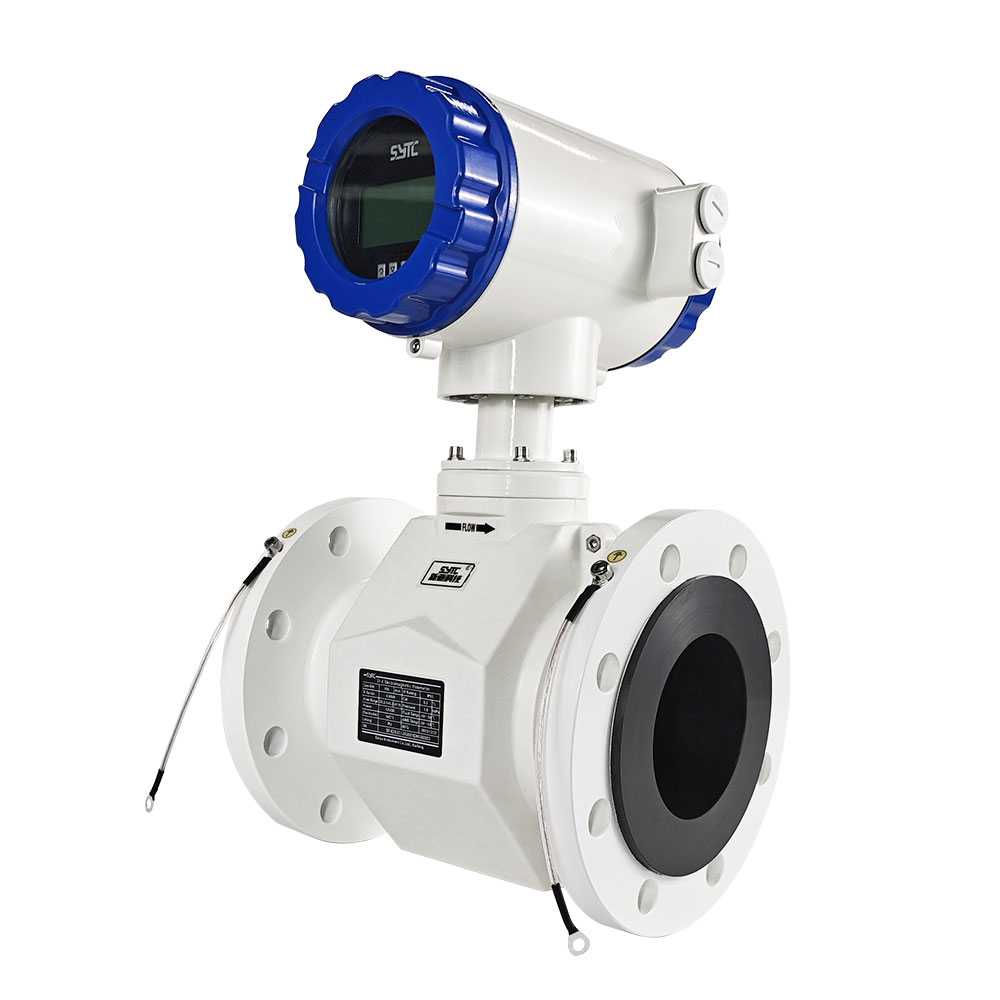
Because liner performance depends on the specific grade, formulation, and the complete meter configuration (including electrode material, flange standard, and bonding method), compatibility cannot be confirmed from general product descriptions alone. Buyers evaluating a polyurethane-lined electromagnetic flowmeter should prepare the chemical and temperature data outlined above and submit it to the manufacturer for a grade-specific review prior to purchase.
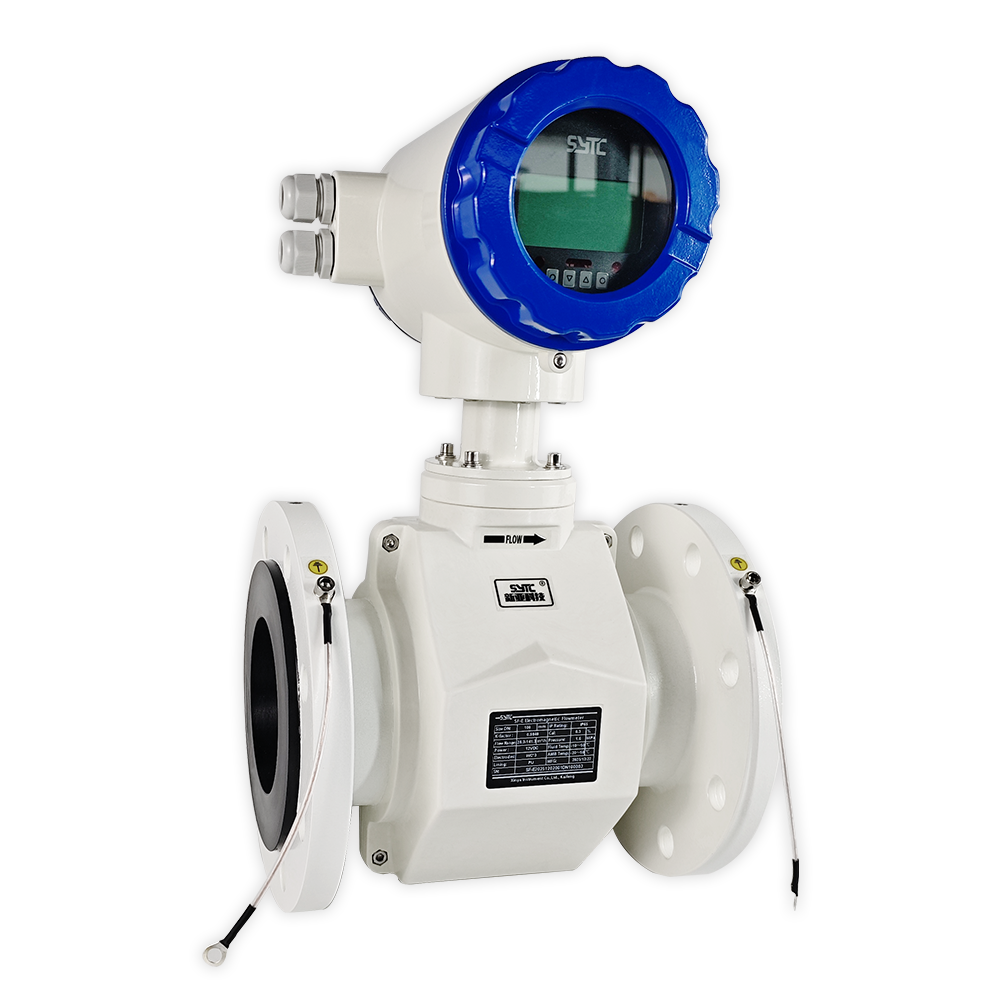
For model-specific compatibility review covering the proposed liner grade and full meter configuration, buyers can contact Kaifeng Xinya Instrument Co., Ltd. directly with their process fluid data, operating and cleaning temperature profiles, and any anticipated process changes. A manufacturer review based on complete, specific data is the only reliable way to confirm whether a given polyurethane liner grade is appropriate for a given application.
https://www.sytcflowmeter.com/
Kaifeng Xinya Instrument Co., Ltd.

+ There are no comments
Add yours