
Industrial buyers researching heavy-duty textile solutions often arrive at the question of reinforced fiberglass cloth because standard fabrics can fail under extreme mechanical stress, repeated flexing, or sustained thermal load. While reinforcement structure varies by application, the underlying requirement is consistent: a fabric that combines tensile strength, dimensional stability, and resistance to heat, chemicals, and abrasion without sacrificing flexibility. Suzhou Weidun Composite Fabric Co., Ltd., operating under the Weidun Composite brand, addresses this requirement through a broad portfolio of coated fiberglass fabrics engineered for exactly these demanding conditions.
Why Reinforcement and Weave Structure Matter
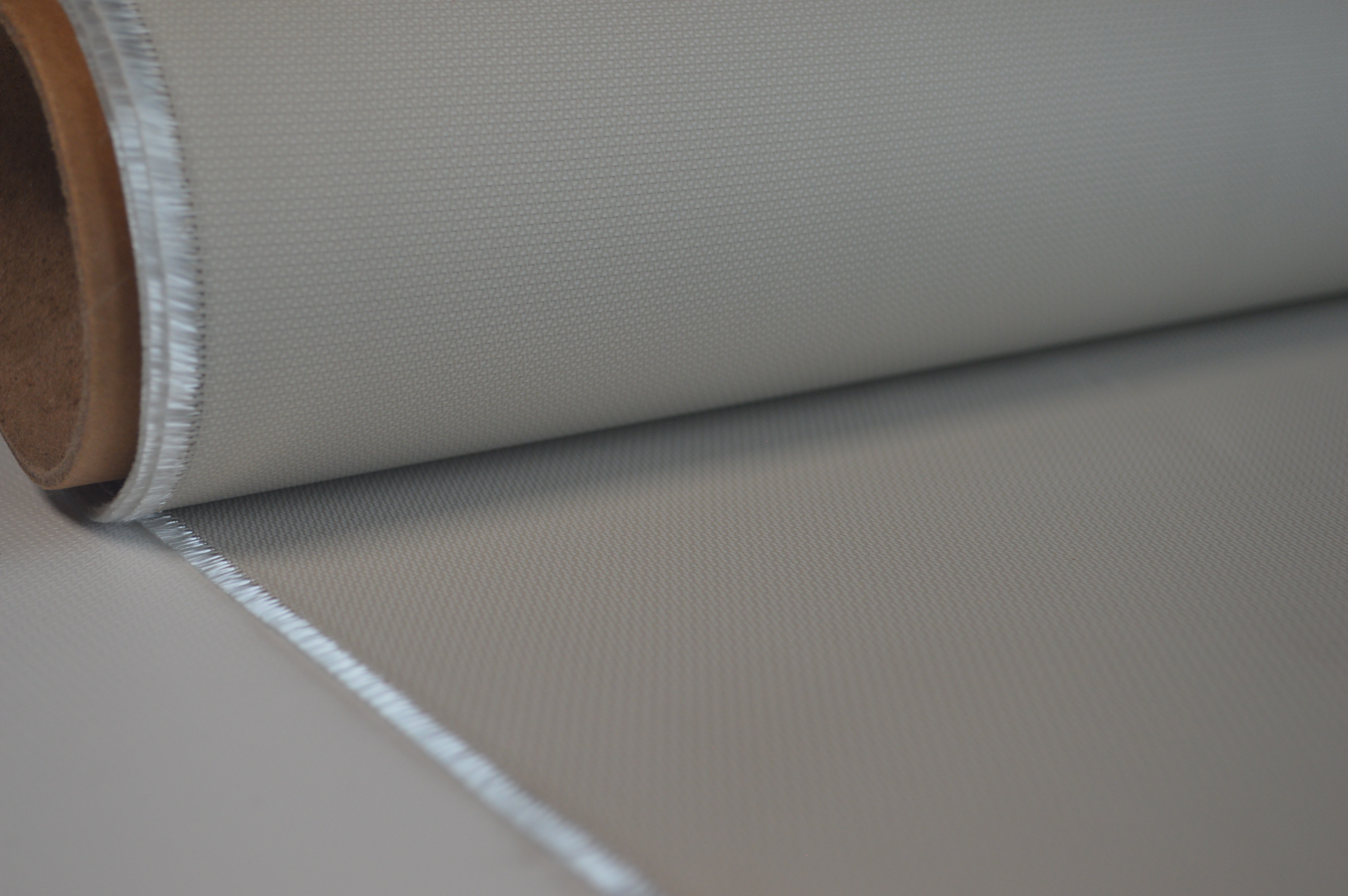
The performance of any high-temperature fabric begins with the base weave. Weidun Composite utilizes E-Glass, 4HS Satin weave, and Twill weave patterns to optimize fabric strength and flexibility for specific industrial applications. These weave structures determine how the fabric distributes load, resists tearing, and maintains flexibility when wrapped around pipes, ducts, or irregular equipment surfaces. A tighter, more structured weave generally improves tear resistance and dimensional stability, which is critical in applications where the fabric is subjected to repeated mechanical stress, such as expansion joints or conveyor systems.
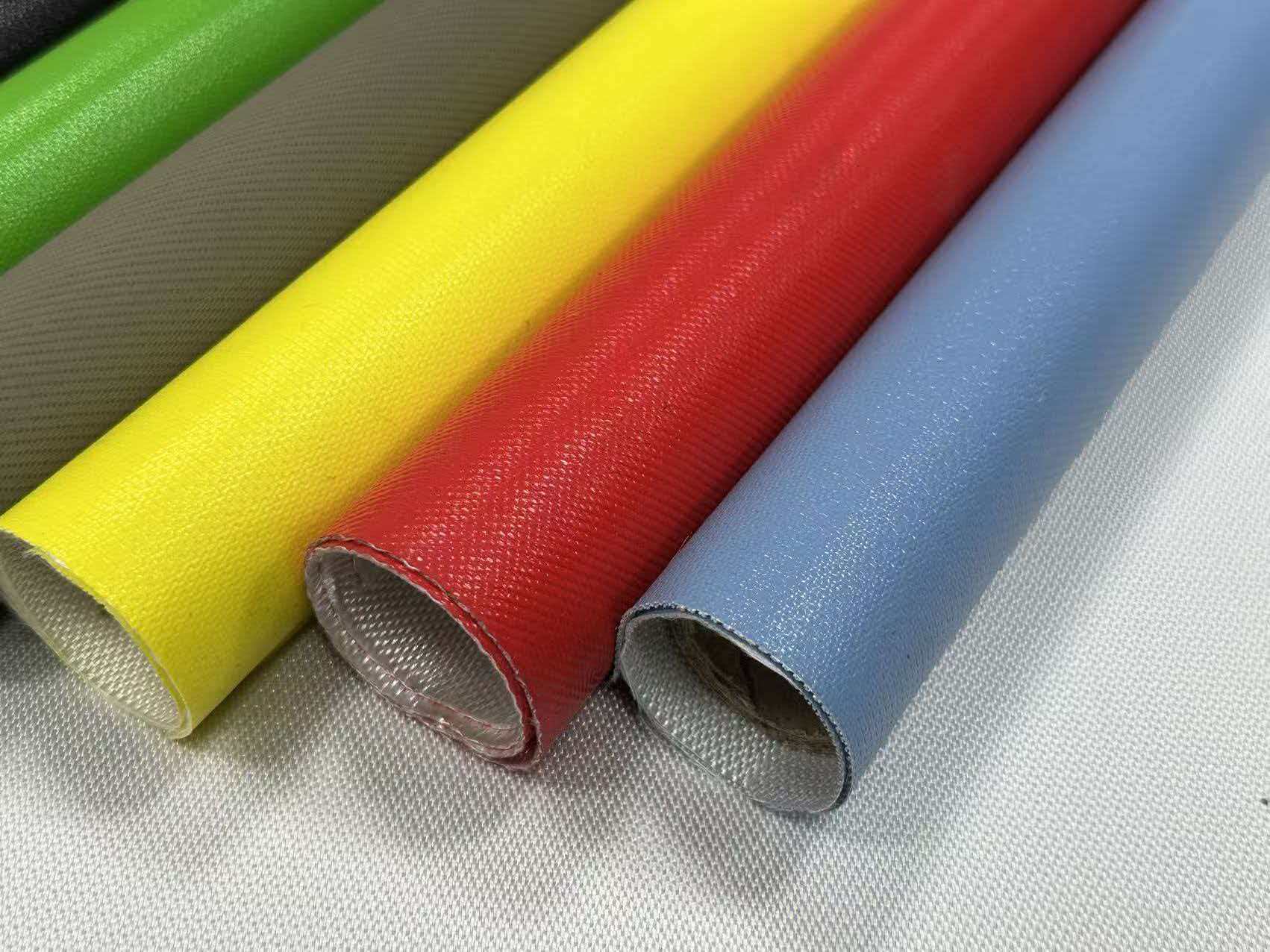
Beyond weave geometry, the coating applied to the base fabric plays an equally important role in reinforcing overall durability. Weidun Composite's proprietary R&D covers Silicone, Polyurethane (PU), Acrylic, PTFE, EPDM,SC800‑ECO and Vermiculite coating technologies. Each coating type is selected to address a specific combination of mechanical and environmental stressors:
- Silicone Coated Fiberglass Fabric: Provides a water-resistant and UV-stable barrier that extends the lifespan of thermal insulation systems in outdoor or harsh indoor environments, with one-sided or two-sided coating options for different insulation needs.
- PTFE Coated Fiberglass Fabric: A non-stick, chemically inert fabric suited for conveyor belts and chemical processing environments where material release and chemical exposure are primary concerns.
- Vermiculite Coated Fiberglass Fabric: Engineered for enhanced heat dissipation and spark resistance, particularly valuable for furnace linings.
- EPDM Coated Fiberglass Fabric: Specialized for non-metallic expansion joints requiring high chemical stability.
- PU Coated Fiberglass Fabric: Offers enhanced stiffness and abrasion resistance compared to uncoated fabrics, making fabrication of smoke and fire curtain systems more practical.C400‑ECO
Engineering for Extreme Temperature and Mechanical Demands
For applications where thermal load is the dominant stressor, Weidun Composite's base fabric is rated for continuous exposure up to 550°C (1022°F). For even more extreme environments, such as foundries and aerospace component insulation, the company's High Silica Fabric contains over 96% SiO2 and is capable of withstanding temperatures up to 1100°C (2012°F). This extreme heat shielding capability prevents burn-through in heavy-duty welding or furnace applications, making it a practical option for buyers whose primary concern is sustained exposure to molten metal, sparks, or radiant heat rather than mechanical reinforcement alone.
This technical range is supported by manufacturing capability that allows for extensive customization. Weidun Composite offers thicknesses from 0.2mm to 6.4mm and widths up to 3000mm, enabling buyers to specify fabric that matches the exact mechanical and thermal profile of their application, whether that involves large-format insulation covers, narrow expansion joint strips, or custom-cut dimensions for fabrication into finished products.
Manufacturing Scale and Consistency
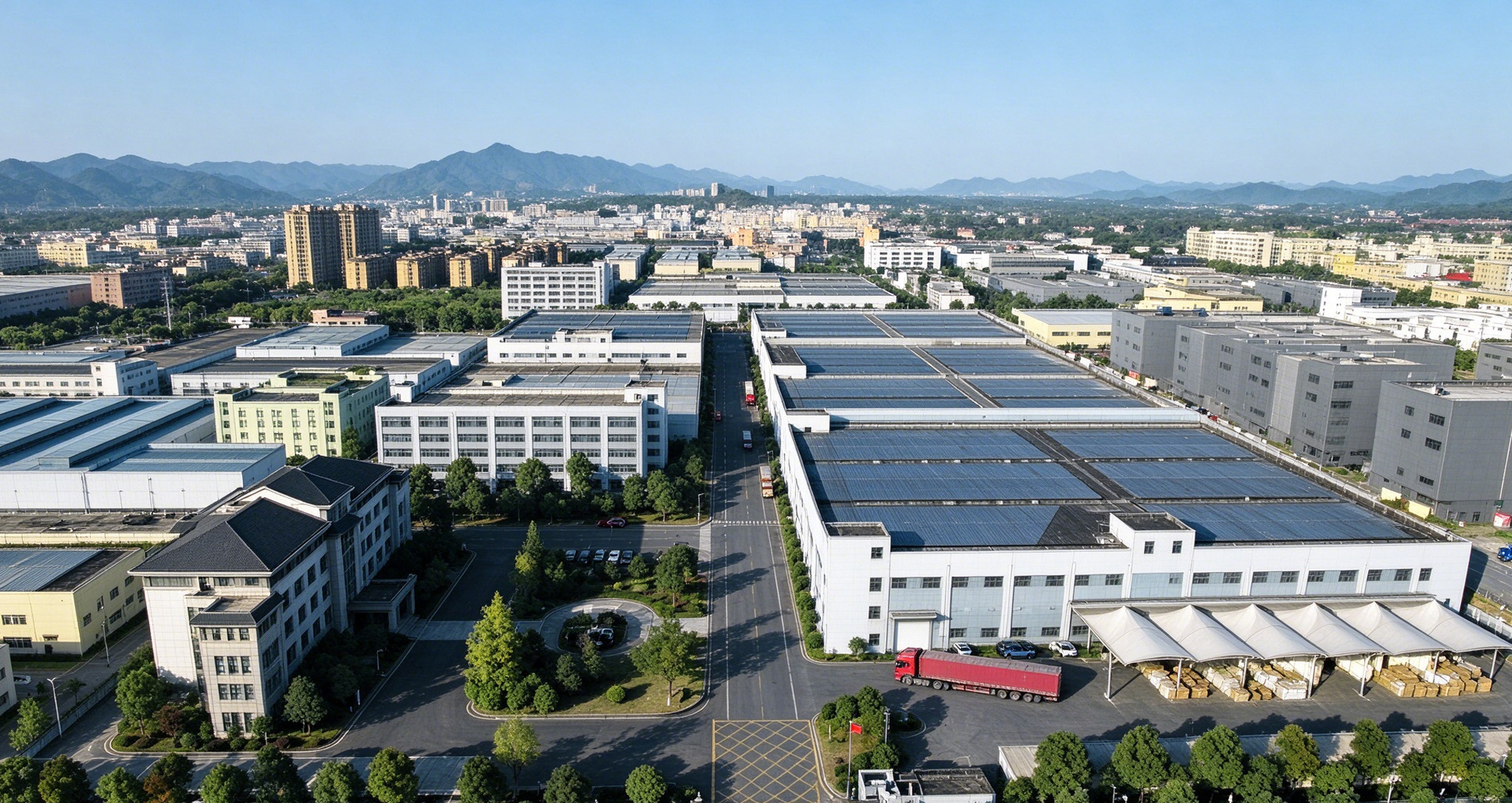
A recurring concern for industrial procurement managers evaluating reinforced fiberglass cloth suppliers is whether a manufacturer can maintain consistent quality across large order volumes. Weidun Composite operates 6 advanced coating lines across 3 production bases totaling over 20,000 square meters, which supports a yearly production capacity of 6,000,000 meters of fabric. The company also exports over 1,000,000 meters of silicone-coated glass cloth annually, reflecting sustained demand across international markets including North America, Europe, and Russia, in addition to its domestic China operations.
This scale is paired with quality assurance through recognized certifications. Weidun Composite holds ISO 9001:2015 Quality Management System Certification and IATF 16949 Automotive Quality Management System Certification, both of which require documented, repeatable manufacturing processes. For fabrics intended for fire safety or flame-retardant applications, the company's products are tested to UL94V0 Flame Retardant Certification, NFPA 701 (Standard Methods of Fire Tests for Flame Propagation of Textiles and Films), and BS 476 (British Standard for Fire tests on building materials and structures), along with Reach and RoHS compliance for the European market.
Practical Applications Across Industries
The combination of weave engineering, coating chemistry, and thermal rating translates into real-world deployment across multiple sectors. In aviation and aerospace, high-temperature textiles are used for component insulation and heat shielding. Shipbuilding and ship repair operations rely extensively on welding curtains and blankets to protect sensitive equipment during fabrication work. Metallurgy and foundry operations, HVAC and construction projects, automotive heat shielding, and power generation (both thermal and nuclear) also represent core application areas.
For buyers specifically concerned with spark and spatter protection, Weidun Composite's Industrial Welding Blankets are sewn with high-strength Kevlar or fiberglass thread to ensure structural integrity under thermal stress. These blankets are available from 1x1m up to 3x3m or in bespoke dimensions, and come in silicone-coated or vermiculite-coated versions depending on spatter intensity. This product line illustrates how reinforcement in Weidun Composite's offering is achieved through a combination of thread strength, coating selection, and weave structure rather than a single isolated feature.
Matching Fabric Selection to Application Requirements
Given the range of variables involved, including coating type, weave pattern, thickness, width, and temperature rating, selecting the right fiberglass cloth requires technical consultation rather than a one-size-fits-all specification. Weidun Composite provides technical support for fireproof solution design and material selection as part of its after-sales service, alongside direct-from-factory custom engineering for specific industrial dimensions and temperature requirements. Pricing is structured around bulk wholesale models with custom quotes based on the specific technical profile requested.
For procurement managers, safety officers in energy and aviation sectors, and safety product distributors evaluating reinforced fiberglass cloth options, the practical path forward is to define the dominant stressor in the target application (mechanical abrasion, chemical exposure, UV degradation, or extreme heat) and then match that requirement against the specific weave and coating combinations available. Suzhou Weidun Composite Fabric Co., Ltd.'s combined manufacturing scale, certification record, and coating technology range provide a documented basis for evaluating fiberglass cloth suited to demanding industrial environments, from shipyards and foundries to commercial fire safety applications.
www.weiduncomposite.com
Suzhou Weidun Composite Fabric Co., Ltd

+ There are no comments
Add yours