
When industrial facilities face extreme temperatures, molten metal spatter, and relentless thermal cycling, conventional protective materials often fail catastrophically. The consequences extend beyond equipment damage—production downtime, worker safety incidents, and costly emergency repairs become inevitable. In metallurgy plants, shipyards, and foundries worldwide, operations managers are discovering that vermiculite-coated fiberglass fabric represents a fundamental shift in high-temperature protection technology.
Understanding Vermiculite Coating Technology
Vermiculite cloth combines the structural integrity of fiberglass base fabric with the thermal properties of expanded vermiculite mineral coatings. This composite construction creates a barrier material that addresses multiple failure points simultaneously. The fiberglass substrate provides tensile strength and dimensional stability up to 550°C (1022°F), while the vermiculite coating adds critical spark resistance and enhanced heat dissipation capabilities.
The vermiculite mineral itself undergoes expansion during processing, creating a layered structure with excellent insulating properties. When bonded to fiberglass fabric, this coating absorbs and disperses thermal energy more effectively than single-material solutions. The result is a protective textile that maintains structural integrity under conditions that would cause silicone-coated or uncoated fabrics to degrade rapidly.
Critical Applications in Industrial Environments
In furnace lining applications, vermiculite cloth functions as a sacrificial barrier that protects permanent insulation systems from direct flame contact and molten material splashes. The material's ability to withstand temperatures exceeding 1000°C for brief exposures makes it essential for kiln maintenance curtains and furnace door seals. Unlike ceramic fiber alternatives, vermiculite-coated fabric remains flexible enough for repeated installation and removal cycles.
Non-metallic expansion joints in high-temperature ductwork represent another demanding application. These joints must accommodate thermal expansion while maintaining gas-tight seals in environments where chemical corrosion and extreme temperatures coexist. Vermiculite cloth's resistance to both thermal degradation and chemical attack enables reliable performance in power generation facilities and industrial exhaust systems where EPDM or silicone-coated alternatives would fail prematurely.
Shipbuilding operations present unique challenges that vermiculite blankets address effectively. During vessel construction and repair, welding activities generate thousands of sparks daily, threatening nearby equipment, cable runs, and painted surfaces. Vermiculite-coated welding blankets provide mobile protection that workers can quickly deploy and reposition as welding locations change. The coating's spark-quenching properties prevent hot particles from embedding in the fabric, which would otherwise create burn-through points over time.
Performance Advantages in Comparative Context
Traditional protective solutions reveal significant limitations under rigorous analysis. Uncoated fiberglass fabric, while heat-resistant, offers no defense against moisture infiltration or UV degradation in outdoor applications. Silicone-coated fabrics excel in weather resistance but lack the extreme temperature capability required for direct furnace exposure. Ceramic fiber materials achieve high temperature ratings but suffer from brittleness and potential health concerns during handling.
Vermiculite cloth occupies a distinct performance category by combining:
Thermal shock resistance: The mineral coating's layered structure absorbs rapid temperature fluctuations without cracking or delaminating, essential for equipment that cycles between ambient and operating temperatures.
Spark containment: Unlike smooth coatings that allow hot particles to slide across the surface, vermiculite's textured surface traps and extinguishes sparks before they can ignite adjacent materials.
Mechanical durability: The coating reinforces the base fabric against abrasion during installation and removal, extending service life in applications requiring frequent repositioning.
Specification Considerations for Industrial Buyers
Procurement decisions should address several technical parameters beyond basic temperature ratings. Fabric thickness significantly impacts both thermal protection and flexibility—specifications ranging from 0.8mm to 3.0mm accommodate different application requirements. Thicker constructions provide superior insulation and impact resistance for permanent installations, while thinner materials suit temporary barriers requiring frequent folding.
Weave pattern selection influences fabric conformability and tear resistance. A 4HS satin weave offers excellent drapability for complex geometries, while plain weaves maximize fabric stability for flat panel applications. Twill weaves represent a balanced option for general-purpose protective blankets.
Coating density determines the material's weight and thermal mass. Higher vermiculite loadings increase heat absorption capacity but reduce flexibility and add weight. Applications involving vertical hanging installations may prioritize lighter coatings to minimize structural support requirements.
Manufacturing Standards and Quality Assurance
Industrial buyers require verified performance data rather than marketing claims. Vermiculite cloth manufactured under ISO 9001:2015 quality management systems ensures consistent coating adhesion and base fabric properties across production batches. This certification becomes critical when specifying materials for applications where failure could result in safety incidents or production losses.
Fire safety applications demand specific regulatory compliance. Materials meeting NFPA 701 standards demonstrate controlled flame propagation characteristics essential for theater curtains, temporary partitions, and emergency barriers. BS 476 certification provides equivalent validation for European markets, confirming surface spread of flame performance.
Automotive industry suppliers increasingly specify materials certified under IATF 16949 standards, reflecting the sector's emphasis on defect prevention and continuous improvement. For vermiculite cloth used in vehicle heat shielding applications, this certification level ensures traceability and statistical process control throughout manufacturing.
Implementation Best Practices
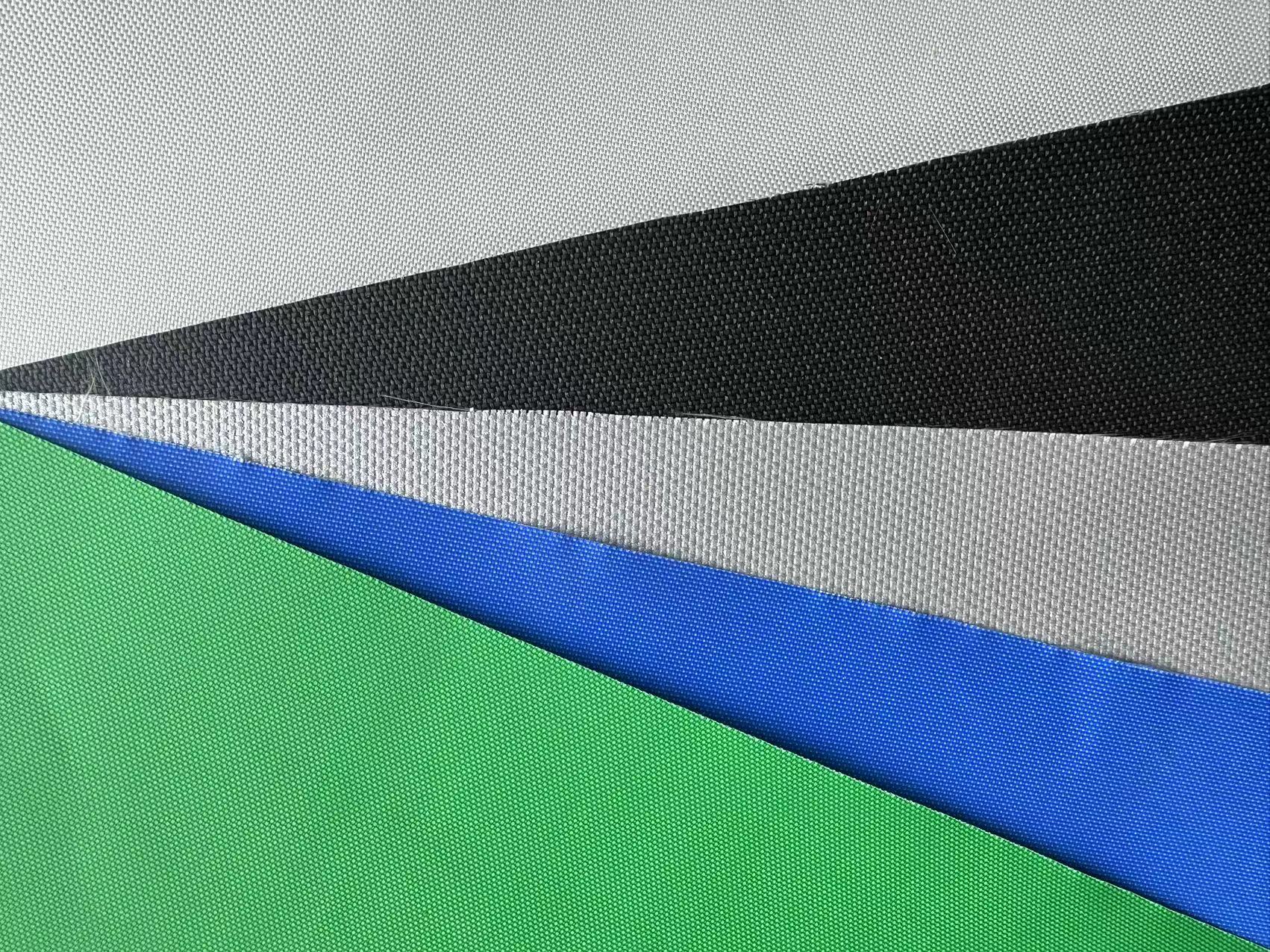
Successful vermiculite cloth deployment requires attention to installation details that maximize material performance. Edge finishing with high-temperature thread—such as Kevlar or fiberglass—prevents unraveling during handling. Grommets or reinforced hanging points should incorporate metal washers to distribute load forces and prevent tear-through under the fabric's own weight.
In welding blanket applications, overlapping adjacent panels by at least 150mm ensures complete spark containment even when materials shift during use. Securing blankets with magnetic hold-downs or weighted chains maintains positioning without penetrating the protective fabric.
For expansion joint installations, proper tensioning balances flexibility with seal integrity. Excessive slack allows fabric to flutter under airflow, accelerating fatigue failure, while over-tensioning restricts thermal movement and concentrates stress at attachment points.
Strategic Sourcing from Specialized Manufacturers
The vermiculite cloth market includes both commodity suppliers and specialized manufacturers with advanced coating capabilities. Suzhou Weidun Composite Fabric Co., Ltd. operates as a high-capacity industrial manufacturer with specific expertise in vermiculite coating technology. The company's three production bases encompassing over 20,000 square meters enable consistent supply for large-scale industrial projects requiring verified quality standards.
With six advanced coating lines producing 6 million meters of fabric annually, this manufacturing capacity supports both project-specific customization and rapid fulfillment of bulk orders. The facility's ability to process fabrics up to 3000mm wide accommodates oversized expansion joints and large-area protective curtains without seaming requirements that create potential failure points.
Conclusion: Engineering-Driven Material Selection
Vermiculite cloth represents an engineered solution for applications where multiple performance requirements intersect—extreme temperature resistance, spark protection, mechanical durability, and installation flexibility. As industrial operations push equipment to higher temperatures and faster production cycles, protective materials must evolve beyond single-property solutions.
Specifying vermiculite-coated fiberglass fabric requires understanding the interplay between coating properties, base fabric construction, and application-specific stress factors. When sourced from manufacturers maintaining rigorous quality standards and offering technical customization capabilities, these materials deliver measurable improvements in equipment protection, maintenance intervals, and operational safety. For procurement teams evaluating high-temperature protection strategies, vermiculite cloth merits serious consideration as a comprehensive solution to complex industrial challenges.
www.weiduncomposite.com
Suzhou Weidun Composite Fabric Co., Ltd.


+ There are no comments
Add yours