


Published: October 2026 | By Metacork Engineering Team
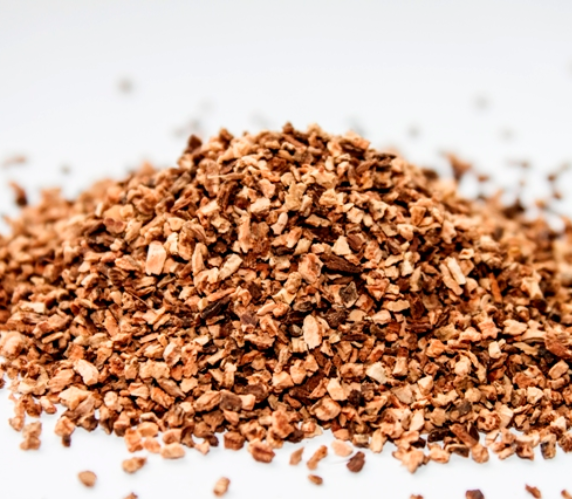
Nine out of ten cork fabric complaints trace back to one decision made before the cork was even laminated: the backing. Cotton, microfiber, PU and TPU backings change the weight, drape, sewability, price and end-of-life story of the same cork sheet — sometimes by a factor of three. If you are searching for the best backing material for cork fabric for bag making, the short answer is this: woven cotton remains the default for bags and wallets, microfiber wins on luxury hand-feel, PU wins on unit cost, and TPU wins on waterproofing. Metacork, the cork material R&D center of MAS R&D (Changzhou) Co., Ltd., laminates all four backings on the same 0.25-0.45 mm cork veneer, so the chart below compares them under identical cork conditions — not marketing conditions.
1. Which Backing Should You Choose for Bags, Wallets and Small Leather Goods?
For bag making, the best backing material for cork fabric for bag making is a 150-250 gsm woven cotton backing. It sews like mid-weight canvas, presses into crisp edges, keeps the finished fabric biodegradable, and costs 20-35% less than microfiber at the same cork thickness. Every other backing is a trade-off against that baseline — here is the 2026 buyer's chart we hand to design teams:
• Cotton, 150-250 gsm: natural hand-feel and breathable; sews like mid-weight canvas with standard #40 polyester thread; holds shape in structured totes; biodegradable and compatible with PETA-Approved Vegan and OEKO-TEX claims; best for wallets, tote bags, notebook covers. Relative cost: $$
• Microfiber, 200-400 gsm: suede-like luxury touch that reads "premium leather" in hand; edge paint adheres cleanly; the heaviest option, so line it rather than self-finish; best for high-end handbags, branded gift packaging and watch straps. Relative cost: $$$
• PU, 100-180 gsm: lowest unit cost and perfectly uniform color lots across large wholesale runs; accepts heat embossing well. The trade-offs: plastic content blocks biodegradability claims, and repeated flexing over years is where cheap laminates start to separate. Best for promotional bags and price-driven volume programs. Relative cost: $
• TPU, 120-200 gsm: fully waterproof and wipe-clean, with edges that can be heat-welded instead of sewn; slightly rubbery hand. Best for outdoor gear, pet accessories and placemats. Not compostable. Relative cost: $$
One more variable decides most of these rows: thickness. When our lab runs a cork fabric backing comparison microfiber vs cotton thickness test on the same 0.3 mm cork, 180 gsm cotton drapes softly and folds around curves, while 320 gsm microfiber stands up on its own — two completely different products from one cork face. Always spec cork thickness (mm) and backing weight (gsm) separately, and remember both vary by supplier. When we run a cork fabric backing comparison, microfiber vs cotton thickness is the first spec line buyers ask to see.
✅ Bottom line: Choose cotton for everyday bags and wallets, microfiber for premium hand-feel, TPU for water exposure — and never judge a cork fabric sample without asking what is underneath.
2. Cotton vs PU Backing Cork Fabric: Which Is Better for Upholstery and High-Traffic Use?
Many buyers type cotton vs PU backing cork fabric which is better for upholstery straight into Google — the honest answer is that cotton wins wherever the fabric touches skin and longevity matters, and PU wins only where budget rules. Upholstery subjects a laminate to thousands of slow flex cycles across a frame, plus body heat and humidity. A breathable cotton backing releases that moisture naturally, while a sealed PU layer traps it against the adhesive line — which is exactly the zone where cork leather laminates have been reported to delaminate after 2-5 years of hard use when adhesive quality is poor.
That is not an argument against PU across the board; it is an argument for asking any supplier three questions before committing to a wholesale order:
✅ What is the peel strength of the laminate, and is it tested after humidity aging, not just fresh off the line?
✅ Is the adhesive water-based or solvent-based? Water-based systems cost slightly more but age far better and keep REACH compliance simple for EU importers.
✅ Can the factory supply the same cork face on a different backing, so you can A/B test before scaling?
So the verdict on cotton vs PU backing cork fabric which is better for upholstery comes down to contact: cotton where people touch, PU where price rules. This is also where price transparency starts. Published cork fabric prices range from about $2 to $14.3 per meter, and backing choice explains much of that spread: PU-backed rolls sit at the low end, microfiber and premium cotton at the top. Metacork supplies every order with a lab spec sheet listing cork veneer thickness, backing gsm, peel strength and roll width (standard 1350 mm on our lamination line) — because a cork fabric backing comparison microfiber vs cotton thickness side by side is the fastest way to brief a design team and compare quotes from different suppliers fairly. For custom programs, our engineers also develop hybrid backing combinations through OEM/ODM projects: for example, a lighter cotton core laminated for drape with a thin TPU skin on the reverse for water resistance, produced factory-direct from our China facility.
✅ Bottom line: For upholstery that touches skin, pick cotton-backed cork; accept PU only when budget outweighs lifespan, and demand humidity-aged peel-strength data before committing.
Frequently Asked Questions
Q: What is the best backing material for cork fabric for bag making?
A: Woven cotton at 150-250 gsm is the best all-round choice for bags and wallets — it sews cleanly, keeps the material biodegradable and costs less than microfiber. Switch to microfiber only for luxury hand-feel, or to TPU when the bag must be waterproof.
Q: Where can I see a cork fabric backing comparison microfiber vs cotton thickness before ordering?
A: Ask Metacork for the standard swatch card. Every swatch is labeled with cork thickness in mm, backing type and gsm, and peel-strength data, so you can compare materials on facts instead of photos.
Q: Do you offer custom backings, OEM branding and wholesale rolls?
A: Yes. MAS R&D (Changzhou) Co., Ltd. produces custom cork fabric through OEM/ODM programs: your choice of backing, cork face color and pattern, UV printing or laser engraving, and wholesale rolls up to 1350 mm wide, supplied factory-direct with low MOQ from our China facility.
Get the Full Backing Swatch Card
Send Metacork your target application, weight range and monthly volume. Our material engineers will reply within 24 hours with a backing recommendation, a free swatch card covering all four backings on identical cork, and factory-direct OEM/ODM pricing for your wholesale program. Browse the full Metacork cork fabric product line or all cork material categories to see what else the same R&D platform produces.
www.mascorktech.com
MAS R&D (Changzhou) Co., Ltd.


+ There are no comments
Add yours