
Designing a compact device often comes down to one unresolved question: which battery chemistry and form factor can actually fit the available space while still meeting the device's load, runtime, and safety requirements? For engineering teams building smart hardware, IoT devices, portable tools, or handheld electronics, this question frequently exposes the limits of standard, off-the-shelf battery packs. Shanghai Mylion New Energy Co., Ltd., operating under the brand MYLION, approaches this challenge as an engineering-driven B2B lithium battery solution provider, focused on custom battery-pack development rather than generic retail supply.
Why Compact Devices Struggle With Standard Battery Packs
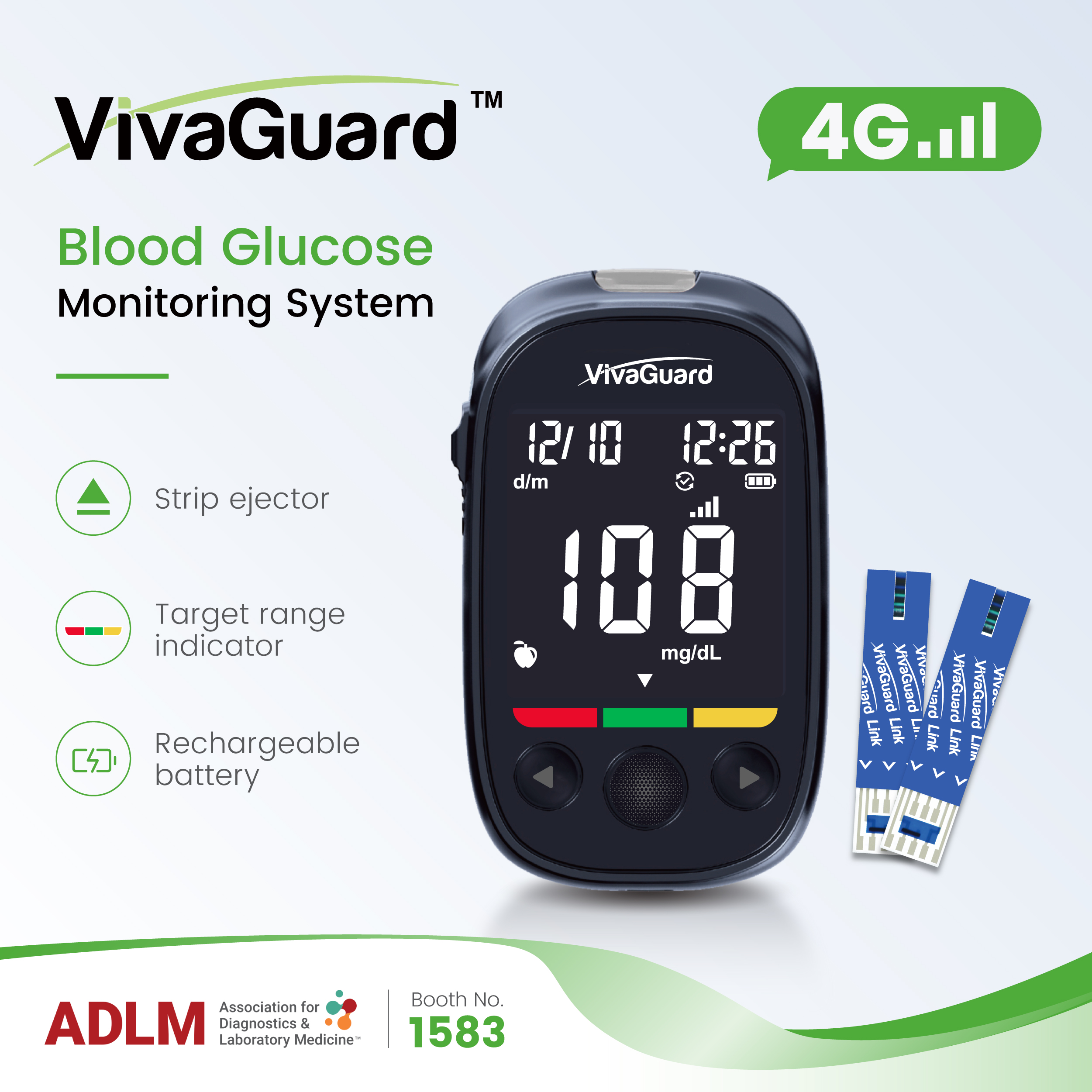
Many B2B customers cannot utilize generic battery packs because their products have highly specific requirements for voltage, capacity, load current, BMS functions, cell chemistry, physical dimensions, connectors, and environmental safety certifications. This is especially true for compact devices, where internal space is limited and every millimeter of the battery pack must coexist with sensors, motors, circuit boards, or mechanical housings. According to MYLION's product positioning, compact devices with strict shape, peak-current, or cable-routing constraints are exactly the scenario that standard packs cannot meet.
Understanding LiPo Cells as a Compact Design Solution
Within MYLION's 18650 / 21700 / LiPo Custom Battery Packs product line, LiPo (Lithium Polymer) cells are positioned as a project-based custom pack format used alongside cylindrical 18650 and 21700 cells to match specific space, thermal, and safety requirements. The core decision point is cell format selection: an evaluation of 18650, 21700, or LiPo formats based on device geometry. This means the choice of LiPo is not treated as a default or a marketing preference, but as an outcome of reviewing the device's actual shape, available internal volume, and wiring layout.
Custom Form-Factor Packs are one of the key features under this product line, described specifically as LiPo integration for unique shapes. In practical terms, this addresses situations where a device's internal cavity is irregular, unusually thin, or otherwise incompatible with the fixed cylindrical dimensions of 18650 or 21700 cells. When a product's housing cannot accommodate a cylindrical cell without redesigning the enclosure, LiPo becomes the format that allows the battery to be shaped around the existing product architecture instead of forcing the product architecture to be shaped around the battery.
Compact Device Integration as a System-Level Task
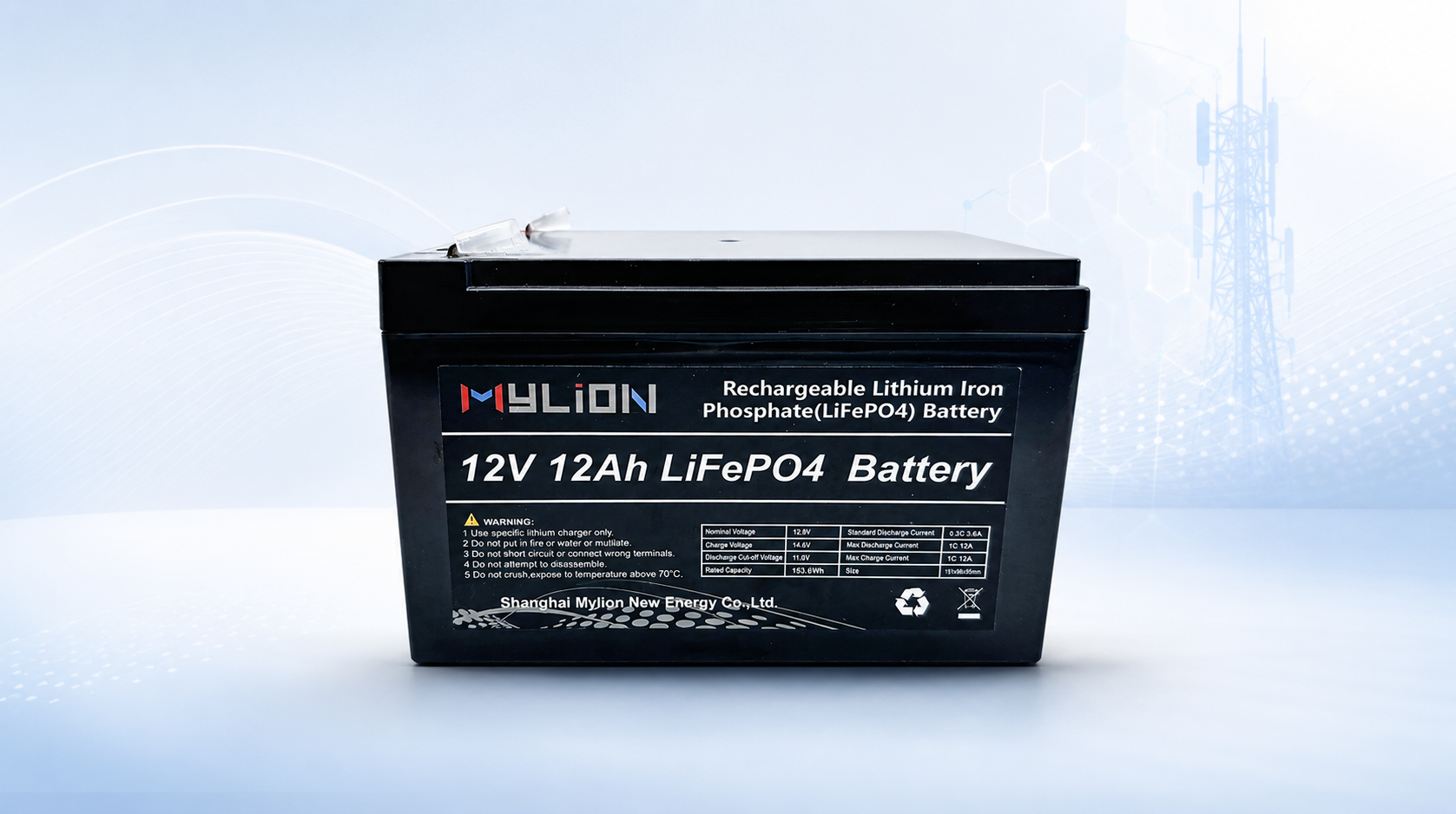
MYLION's differentiated value in this product line centers on treating compact device integration as a unified assembly task rather than an isolated electrical decision. This includes review of size, cable position, and mounting together, rather than sourcing a battery cell first and solving mechanical conflicts later. This approach reflects the company's broader positioning: MYLION evaluates the battery as an integral part of the customer's entire system, considering the real load, charging source, BMS functions, mechanical interfaces, and production constraints rather than treating electrical parameters in isolation.
Key Technical Considerations When Selecting LiPo for Compact Products
For engineering teams evaluating LiPo cells, several technical matching steps are embedded in MYLION's process:
- Technical Matching: Current matching and BMS/protection review are conducted to confirm the LiPo pack can support the device's continuous and peak current needs within its compact footprint.
- Final Specification Control: A specification freeze and change control process is applied prior to mass production, ensuring that once a LiPo pack design is validated for a compact device, the approved dimensions, wiring, and electrical parameters remain locked through production.
- BMS Matching: As part of MYLION's broader technical capabilities, BMS matching covers balancing, monitoring, and protection functions, which is particularly relevant for LiPo packs where thermal and safety management must be engineered into a smaller enclosure.
These steps align with MYLION's technology platform expertise, which spans LiFePO4, 18650/21700 cylindrical cells, and LiPo battery architectures, giving the company the technical range to compare formats objectively rather than defaulting to one chemistry.
Delivery Path for Custom LiPo Projects
The delivery model for this product line includes sample development, OEM, ODM, and custom battery pack supply. This means a compact device manufacturer evaluating LiPo cells can move from an initial requirement discussion through a validated sample before committing to mass production, reducing the risk of discovering shape or wiring conflicts only after tooling or production has begun.
Relevant Market Application: Smart Lighting and Portable Electronics
Among MYLION's documented customer cases, the Smart Lighting & Portable Electronics case is directly relevant to the compact-design question. This case involved solutions for size-constrained devices, where the engineering work corrected mechanical conflicts and assembly inconsistencies. This reflects the same underlying challenge that leads engineering teams toward LiPo cells: a product enclosure that cannot accommodate standard cylindrical dimensions without rework, resolved instead through a pack format matched to the device's actual geometry.
A related case, Smart Devices & Robotics, describes integration of batteries into limited space supporting sensors and motors, and resolving risks related to peak-current and thermal constraints. While this case is not exclusively about LiPo, it illustrates the same category of problem—confined internal space combined with active electrical loads—that the cell-format selection process is designed to solve.
How This Fits Into MYLION's Broader Engineering Model
MYLION's positioning as an engineering-oriented battery-pack supplier and OEM/ODM project partner means that the LiPo-versus-cylindrical decision is handled through the same structured process applied to all custom projects: requirement analysis, feasibility review, solution definition, prototype development, testing support, specification approval, and mass-production coordination. This process is supported by the company's service assurance measures, including change-control management, version-controlled BOMs, and repeat-order supply coordination, along with industry certifications such as UN38.3 transport documentation support and MSDS/SDS safety data sheets.
Conclusion
For B2B equipment manufacturers designing compact products, the decision to use LiPo cells should be grounded in a specific technical review: device geometry, internal cable routing, mounting constraints, current and peak-load requirements, and BMS protection needs. MYLION's approach—rooted in over 13 years of lithium battery industry experience—treats this decision as part of a controlled engineering process rather than a standard-parts substitution, aligning cell format selection with the compact device's actual mechanical and electrical constraints from requirement definition through mass production.
www.mylionbattery.com
Shanghai Mylion New Energy Co.,Ltd.


+ There are no comments
Add yours