
Dental practices evaluating inhaled sedation options are increasingly asking one practical question: what makes a nitrous oxide sedation system suitable for routine chair-side use without requiring a dedicated anesthetist on staff? Longcare Medical, a dental equipment manufacturer whose portfolio spans dental chairs, imaging systems, sterilization equipment, and sedation systems, offers two nitrous oxide sedation platforms—the YH-S8800A and YH-S8800B—engineered to answer that exact need.
Why Nitrous Oxide Sedation Matters in Dentistry
Patient anxiety and discomfort remain persistent barriers to timely dental treatment. Nitrous oxide sedation addresses this by providing fast-acting analgesia that calms patients without the complexity of general anesthesia. According to the product specifications for both the YH-S8800A and YH-S8800B systems, the onset of action falls between 2–5 minutes, meaning patients experience reduced discomfort and anxiety shortly after the system begins operating. This rapid response is a defining characteristic that distinguishes nitrous oxide sedation from slower-acting alternatives, and it is a central reason dental teams consider this modality for routine procedures.
Operability Without an Anesthetist
A recurring pain point for dental clinics is staffing: not every practice has continuous access to an anesthesiologist. Both Longcare sedation systems are designed so that any experienced nurse can operate the equipment via a touch screen interface, without requiring an anesthetist on site. This operability model matters because it removes a staffing dependency that might otherwise limit how frequently sedation can be offered during a clinical day. The YH-S8800A features a 10.4-inch TFT LCD touch screen, while the YH-S8800B uses a 7-inch TFT LCD screen—both interfaces are built around the same principle of straightforward, nurse-operable control.
Technical Design: How the Systems Deliver Sedation Safely
Underlying the ease of use is a layer of technical engineering that governs how gas is mixed, monitored, and delivered.
Electronic Control Mixed Gas Blender: Both systems rely on an electronic control mixed gas blender with high precision adjustment, which supports accurate gas delivery. Precision in gas mixing is foundational to sedation safety, since the ratio of nitrous oxide to oxygen directly affects both efficacy and patient wellbeing.
Integrated Breathing Circuit: Each unit incorporates an integrated breathing circuit design, which keeps the breathing pathway consolidated into a tidy operational layout. This design consideration reduces clutter at the point of care, an important factor in busy dental operatories where space around the chair is limited.
Real-Time Monitoring: Both the YH-S8800A and YH-S8800B include a built-in gas concentration monitoring system with real-time airway pressure monitoring. This continuous feedback loop allows the operating nurse to track what is actually being delivered to the patient, rather than relying solely on preset values. The YH-S8800A further displays ventilation parameters, alarm information, and oscillogram directly on its larger touch screen, while the YH-S8800B organizes its 7-inch screen into distinct information, alarm, monitoring, and setting areas.
Multiple Ventilation Modes: Both systems support multiple ventilation modes, allowing clinical teams to adapt delivery to different procedural needs rather than being locked into a single fixed protocol.
Mobility: Each system is mounted on a cart-based platform with 4 casters for easy movement, which supports use across different treatment rooms or departments without requiring a fixed installation.
Comparing the Two Systems
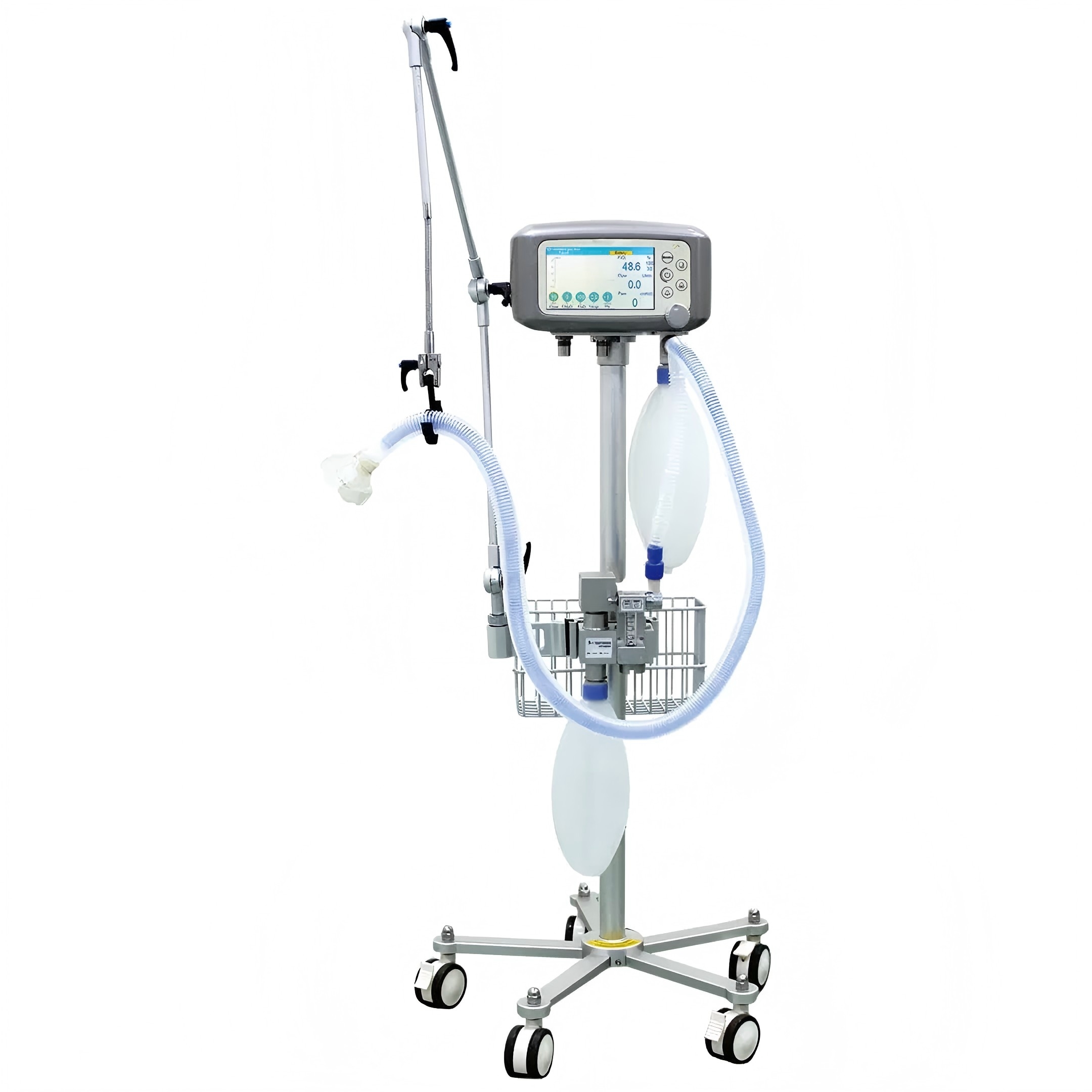
The core functional logic of the YH-S8800A and YH-S8800B is identical—fast onset, nurse-level operability, precision gas blending, integrated breathing circuits, and real-time monitoring. The meaningful difference lies in the display: the YH-S8800A's 10.4-inch screen presents ventilation parameters, alarms, and oscillogram data in a single expanded view, which may suit practices that want a more comprehensive at-a-glance display. The YH-S8800B's 7-inch screen divides information into four distinct zones—information, alarm, monitoring, and setting—which may appeal to practices prioritizing a more compact footprint without sacrificing monitoring clarity. Neither system is positioned as superior; rather, they represent two configurations of the same underlying sedation logic, allowing a practice to select based on screen-size preference and workspace constraints.
Where These Systems Fit Clinically
Longcare's nitrous oxide sedation systems are built for use across gastrointestinal endoscopy, obstetrics, dentistry, and other departments. This cross-departmental applicability reflects the fact that the underlying need—rapid-onset, nurse-manageable sedation with precise gas control—is not unique to dentistry alone. For dental practices specifically, this means the sedation system can serve as a shared clinical asset if a facility also runs adjacent services, rather than being a single-purpose device.
How This Fits Longcare's Broader Capability System
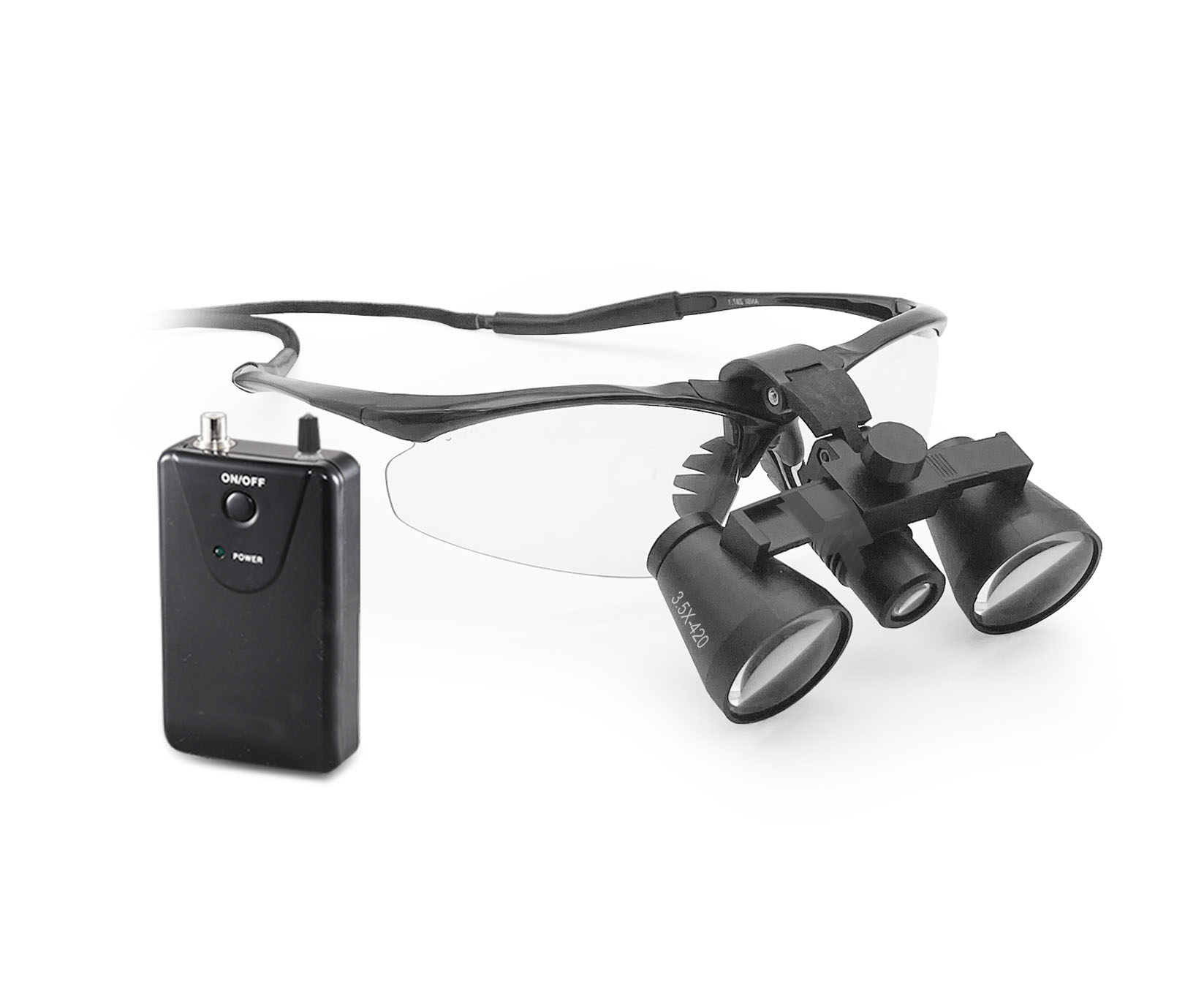
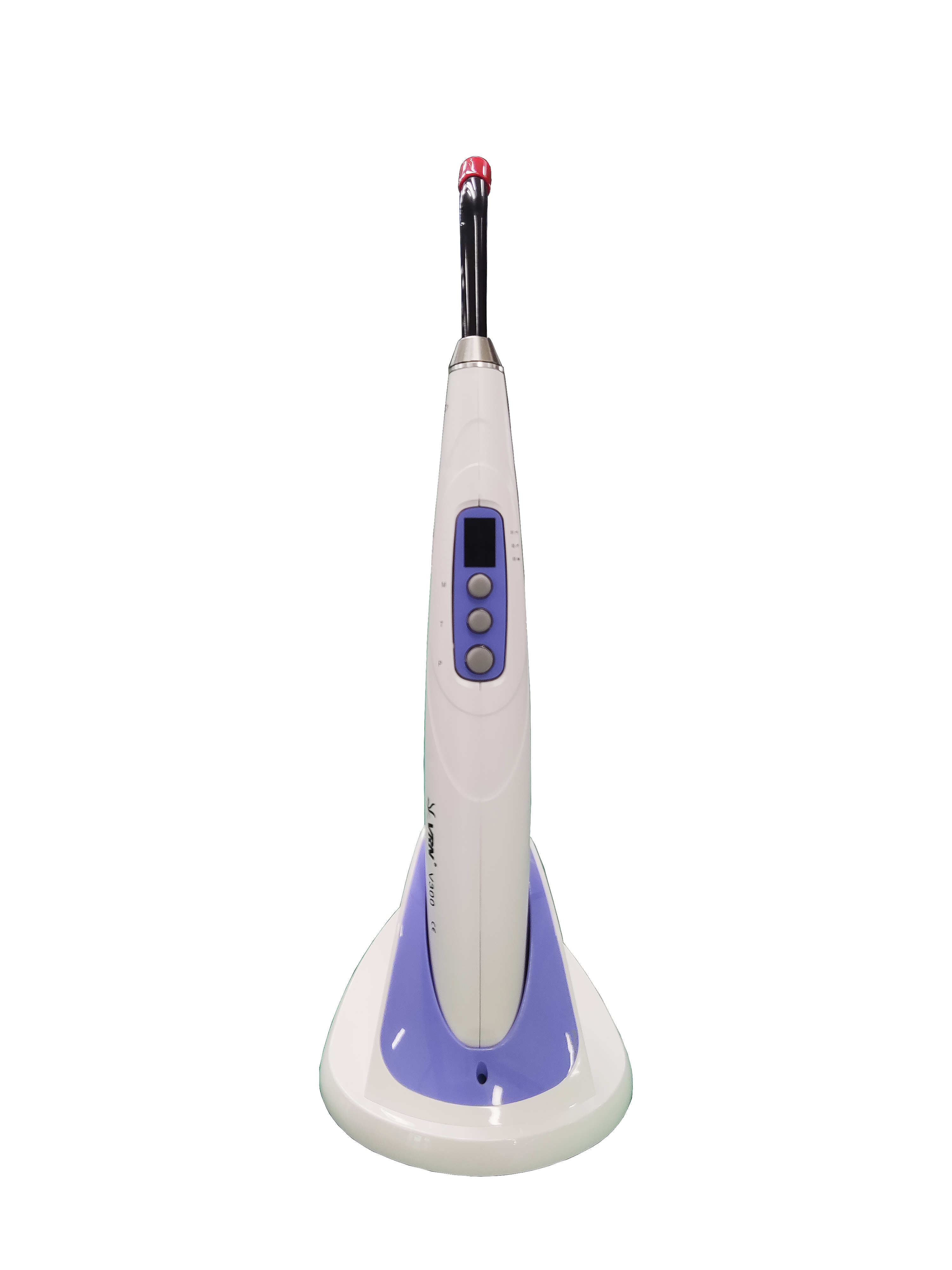
Longcare Medical's positioning as a dental equipment manufacturer is reflected in a differentiated portfolio: dental chairs, portable treatment units, imaging systems, sterilization equipment, operative instruments, sedation systems, and surgical visualization devices. The value proposition behind this breadth is to supply dental practices and medical institutions with equipment designed for clinical workflow efficiency, patient comfort, and portable service delivery. The nitrous oxide sedation systems fit squarely into this value proposition: they are designed to be operated efficiently (via touch screen, without an anesthetist), to improve patient comfort (via rapid onset sedation), and—through their cart-based mobility—to support flexible deployment across treatment spaces.
This integration matters for practices evaluating equipment holistically. A dental clinic selecting a nitrous oxide sedation system from the same manufacturer that also supplies dental chairs, intraoral imaging, and sterilization equipment may benefit from a more coherent equipment ecosystem, even though each product is evaluated on its own technical merits.
Practical Considerations for Adoption
Dental practices considering a nitrous oxide sedation system should evaluate three factors directly supported by the product data: onset speed (2–5 minutes for both Longcare systems), staffing requirements (nurse-operable without an anesthetist), and monitoring depth (real-time gas concentration and airway pressure tracking). These three factors, taken together, determine whether a sedation system can be realistically integrated into a routine dental schedule without introducing new staffing burdens or safety blind spots.
As dental care continues to prioritize patient comfort alongside clinical efficiency, equipment that combines fast-acting sedation with simplified, nurse-level operation addresses a genuine and well-documented need in outpatient dental settings. Longcare Medical's YH-S8800A and YH-S8800B nitrous oxide sedation systems represent two configurations built around that same operational logic, giving practices a basis for comparison when selecting equipment suited to their specific screen-size and workspace preferences.
www.njlongcaremed.com
Nanjing Longcare Medical Equipment Co., Ltd

+ There are no comments
Add yours