

In modern packaging operations, carton sealing is no longer a simple closing step—it is a critical process that directly affects logistics safety, production efficiency, and overall brand reliability. As manufacturers and logistics companies push for faster lines, stronger packaging, and lower operational waste, hot melt adhesive for carton sealing has become the preferred bonding solution across multiple industries.
This article explores how hot melt adhesives improve carton sealing performance, what characteristics matter most in real production environments, and how a high-quality synthetic hot melt adhesive can deliver stable, long-term value for packaging operations.
Why Hot Melt Adhesives Are Essential for Carton Sealing
Carton sealing adhesives must perform under pressure—literally. Boxes are stacked, transported, exposed to temperature changes, and subjected to vibration and impact. A weak seal can lead to product damage, returns, or even safety issues during transportation.
Hot melt adhesives offer several inherent advantages over traditional water-based or solvent-based glues:
-
Fast setting and short open time, ideal for high-speed packaging lines
-
Strong adhesion to a wide range of paper and cardboard substrates
-
Clean application with no solvent evaporation
-
Consistent bonding even on printed or coated surfaces
For automated and semi-automated carton sealing lines, hot melt adhesives provide the reliability and processing efficiency that modern packaging demands.
Field of Application: Versatility in Real Packaging Scenarios
A major advantage of multi-purpose hot melt adhesives lies in their flexibility across different packaging needs. In carton sealing applications, these adhesives are widely used for:
-
Pasting the outer flaps of cartons and boxes
-
Forming and stabilizing pallets
-
Edge sealing of boxes and cartons
-
Bonding printed, painted, or surface-treated cardboard
Because packaging materials vary significantly—from recycled corrugated board to high-gloss printed cartons—the ability of an adhesive to maintain stable adhesion across surfaces is critical. A well-formulated synthetic hot melt adhesive ensures reliable bonding even when paper quality or surface treatment changes.
For manufacturers seeking a proven solution, hot melt adhesive for carton sealing products such as those offered by
Hot melt adhesive for carton sealing
are designed specifically to handle these diverse application requirements.
Key Characteristics That Improve Packaging Efficiency
Not all hot melt adhesives are equal. In real-world production environments, performance depends on more than just initial tack. Below are the core characteristics that define a high-performance carton sealing adhesive.
1. High-Quality Synthetic Formulation
A premium synthetic hot melt adhesive provides consistent viscosity, clean melting behavior, and stable adhesion. This reduces nozzle clogging, improves machine uptime, and minimizes adhesive waste.
2. Excellent Thermostability and Low Charring
In continuous production lines, adhesives are often kept molten for long periods. Extremely thermostable formulations with very low charring qualities help prevent carbon buildup in tanks and hoses, reducing maintenance frequency and extending equipment life.
3. High Mileage Performance
High mileage characteristics mean more cartons sealed per kilogram of adhesive. This directly improves production efficiency by lowering consumption rates and reducing downtime caused by frequent refilling.
4. Short Open Time and Setting Time
Short open and setting times are essential for fast packaging lines. Adhesives that bond quickly allow cartons to move immediately to downstream processes without compromising seal integrity.
Technical Performance That Matches Industrial Demands
For carton sealing operations, technical data matters because it determines compatibility with existing equipment and production conditions.
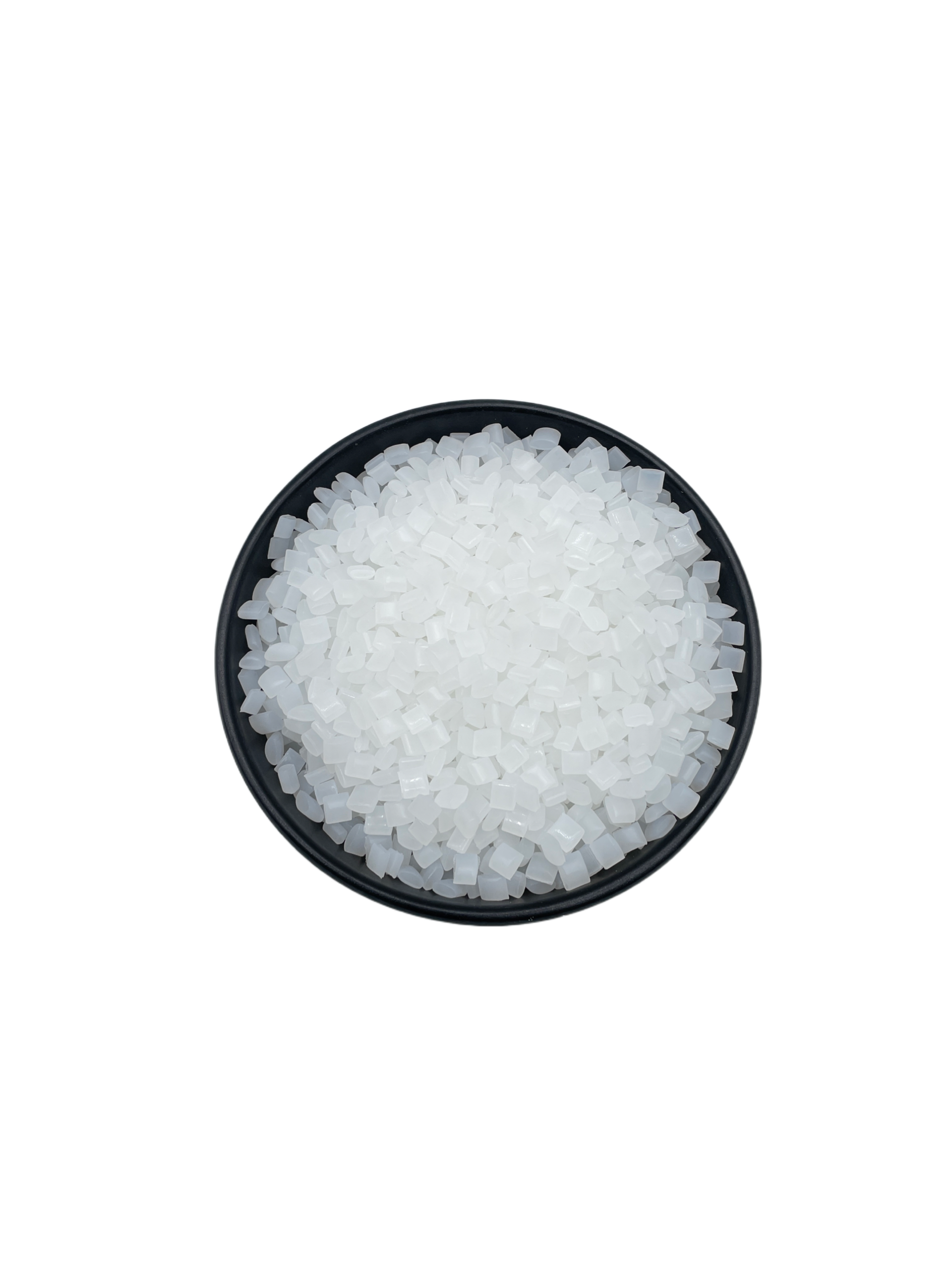
A typical high-performance hot melt adhesive for carton sealing offers:
-
White color for clean, professional appearance
-
Softening point between 100–117°C, ensuring stability during transport and storage
-
Brookfield viscosity of 900–1300 mPa·s at 160°C, enabling smooth application
-
Recommended working temperature range of 150–180°C for optimal flow and adhesion
These parameters ensure that the adhesive runs smoothly on standard hot melt application systems while maintaining consistent bond strength across varying production speeds.
Practical Application Guidelines for Reliable Bonding
Even the best adhesive requires correct handling to achieve optimal results. When using hot melt adhesive for carton sealing, the following best practices should be observed:
-
Maintain application temperatures within the recommended range to ensure proper flow and wetting
-
Regularly clean tanks and hoses to prevent contamination
-
Conduct pretests when bonding difficult substrates such as lacquered, coated, or heavily printed surfaces
-
Adjust application patterns and adhesive quantity based on carton weight and board quality
Because packaging materials can differ significantly between suppliers or batches, pretesting is especially important for coated or specialty cartons.
Packaging, Storage, and Supply Reliability
From a logistics standpoint, consistency in supply and storage stability are as important as performance.
High-quality carton sealing hot melt adhesives are typically supplied in granular form, packed in 25 kg PE-lined paper bags, making them easy to handle and compatible with standard feeding systems.
When stored in a cool and dry place, these adhesives offer a shelf life of at least two years, ensuring long-term storage without performance degradation. This is particularly important for manufacturers managing bulk inventory or operating multiple production sites.
Supporting Industrial Operations Beyond the Adhesive
A reliable adhesive supplier does more than deliver products. Professional manufacturers provide structured ordering processes, technical consultation, and flexible logistics options to support international customers.
From inquiry and application analysis to sample testing, mass production, and delivery, a clear workflow helps ensure the adhesive selected truly fits the customer’s production environment. Multiple delivery terms, payment methods, and multilingual support further simplify global cooperation.
Conclusion: Strengthening Carton Sealing with the Right Adhesive
In competitive packaging environments, efficiency and reliability are non-negotiable. Choosing the right hot melt adhesive for carton sealing can significantly improve bond strength, reduce downtime, and enhance overall packaging performance.
With strong adhesion to various papers and cardboards, excellent thermostability, and high mileage performance, synthetic hot melt adhesives provide a practical, proven solution for modern carton sealing operations. Backed by professional technical support and stable supply, they form a solid foundation for long-term packaging success.
For manufacturers seeking dependable carton sealing solutions, Wuhan Hualiwei New Material Co., Ltd. offers industrial-grade hot melt adhesives designed for real production challenges.
www.hlw-adhesive.com
Hualiwei


+ There are no comments
Add yours