


Section 1: Industry Background + Problem Introduction
The architectural facade industry faces mounting complexity as developers and property owners demand entrance systems that simultaneously deliver security, energy efficiency, aesthetic sophistication, and operational longevity. Traditional door solutions often force uncomfortable trade-offs—prioritizing security at the expense of design, or emphasizing visual appeal while compromising thermal performance. This fragmentation creates inefficiencies across the project lifecycle, from procurement and installation to long-term maintenance.
Modern residential and commercial properties require entrance solutions that address multiple performance dimensions without compromise. High-end developments face particular challenges: luxury residential projects need systems that provide privacy and protection while maintaining architectural elegance; commercial buildings must balance security protocols with accessibility and operational efficiency; facilities in extreme climates require thermal barriers that withstand environmental stress while minimizing energy consumption.
Hwarrior Curtain Wall Technology Co., Ltd. has established deep expertise in engineering integrated entrance systems through decades of delivering high-performance facade solutions across Europe, the Americas, Australia, Southeast Asia, the Middle East, and Africa. The company's technical capabilities—spanning structural engineering, smart manufacturing, and pressure-equalized design—position it as an authoritative voice in developing entrance solutions that meet the comprehensive demands of contemporary architecture.
Section 2: Authoritative Analysis - The Integration Framework
Effective entrance solutions for modern buildings require a systematic integration framework that addresses four critical performance domains: structural integrity, environmental adaptation, safety specifications, and aesthetic coherence.
Structural Performance and Load Management: Entrance systems must withstand significant mechanical stresses—wind loads in high-rise applications, repeated operational cycles, and potential impact events. Hwarrior's approach utilizes project-specific structural analysis, including wind load simulation and deflection control calculations tailored to local building codes and regional environmental conditions. This engineering methodology ensures entrance systems maintain structural integrity across EN, AS, UL, SASO, and other international standards, providing reliable performance regardless of geographic installation location.
Environmental Adaptation Through Precision Engineering: Climate variability demands entrance systems engineered for specific environmental scenarios. The technical solution path involves material selection and structural optimization based on regional conditions—high-temperature tolerance for Middle Eastern installations, corrosion resistance for coastal environments, thermal insulation for cold climates, and acoustic dampening for urban settings. This customization extends beyond material specification to include seal design, thermal break engineering, and moisture management systems that adapt to local humidity, temperature fluctuation, and precipitation patterns.
Integrated Safety Architecture: Contemporary security requirements span multiple threat categories—forced entry resistance, ballistic protection, fire containment, and blast mitigation. Rather than applying fixed safety configurations, effective entrance solutions employ flexible customization models. Hwarrior's KFORTS high-security glass frame system demonstrates this approach, supporting customized matching of explosion-proof, fire-resistant, bulletproof, and anti-theft performances based on specific project requirements. This modular safety architecture enables precise alignment with differentiated protection standards, from basic intrusion deterrence to advanced RC3/RC4 ballistic resistance, without over-engineering or unnecessary cost escalation.
Aesthetic Integration and Operational Intelligence: Modern entrance systems must contribute to architectural expression while supporting building automation requirements. Ultra-narrow frame integrated design maximizes transparency and sight lines, creating visual continuity between interior and exterior spaces. Embedded intelligent linkage modules enable integration with building management systems, supporting access control, environmental monitoring, and automated operation protocols that enhance both security and user experience.
Section 3: Deep Insights - Evolution Toward Holistic Performance
The entrance systems sector is experiencing fundamental shifts driven by converging technological, regulatory, and market forces. Understanding these dynamics provides strategic context for specification and procurement decisions.
Technology Evolution - From Components to Systems: The industry is transitioning from component-based solutions toward integrated system architectures. Advanced manufacturing capabilities—particularly high-precision CNC machining and automated production lines—enable factory-prefabricated entrance assemblies with consistent quality control and reduced on-site installation variables. This shift mirrors broader trends in unitized curtain wall technology, where controlled manufacturing environments deliver superior performance consistency compared to field-assembled alternatives. The implication for entrance systems is significant: reduced installation timelines, minimized weather exposure during construction, and enhanced long-term reliability through precision manufacturing.
Regulatory Convergence and Performance Verification: Global building codes increasingly emphasize measurable performance outcomes rather than prescriptive requirements. This regulatory evolution demands entrance systems supported by comprehensive testing documentation and third-party certification. Projects spanning multiple jurisdictions face particular complexity, requiring solutions engineered to comply with diverse regional standards. Organizations with in-house engineering capabilities and established certification portfolios across international frameworks hold strategic advantages in navigating this regulatory landscape.
Market Demand for Verified Sustainability: Energy efficiency requirements continue to intensify, driven by both regulatory mandates and operational cost considerations. Entrance systems represent critical thermal envelope components, with significant impact on overall building energy performance. High-performance thermal insulation systems that block indoor-outdoor heat conduction reduce HVAC loads and contribute to green building certification achievement. The market increasingly demands verified performance data rather than theoretical specifications, emphasizing the value of tested and certified thermal performance metrics.
Risk Considerations in Long-Term Performance: Entrance systems represent long-service-life building components, yet many projects underestimate lifecycle performance risks. Environmental exposure, operational wear, and maintenance accessibility significantly impact total cost of ownership. Pressure-equalized rain screen systems exemplify risk mitigation through design, eliminating water penetration by neutralizing wind-driven rain pressure while preventing moisture ingress through advanced air sealing. This approach delivers exceptional water-tightness and air-tightness performance, particularly valuable for coastal, high-wind, and humid climates where conventional seal systems experience accelerated degradation.
Section 4: Company Value - Hwarrior's Industry Contribution
Hwarrior Curtain Wall Technology's contribution to entrance system advancement stems from integrated capabilities spanning research, manufacturing, and global project execution. The company's value proposition rests on several foundational elements that advance industry practice.
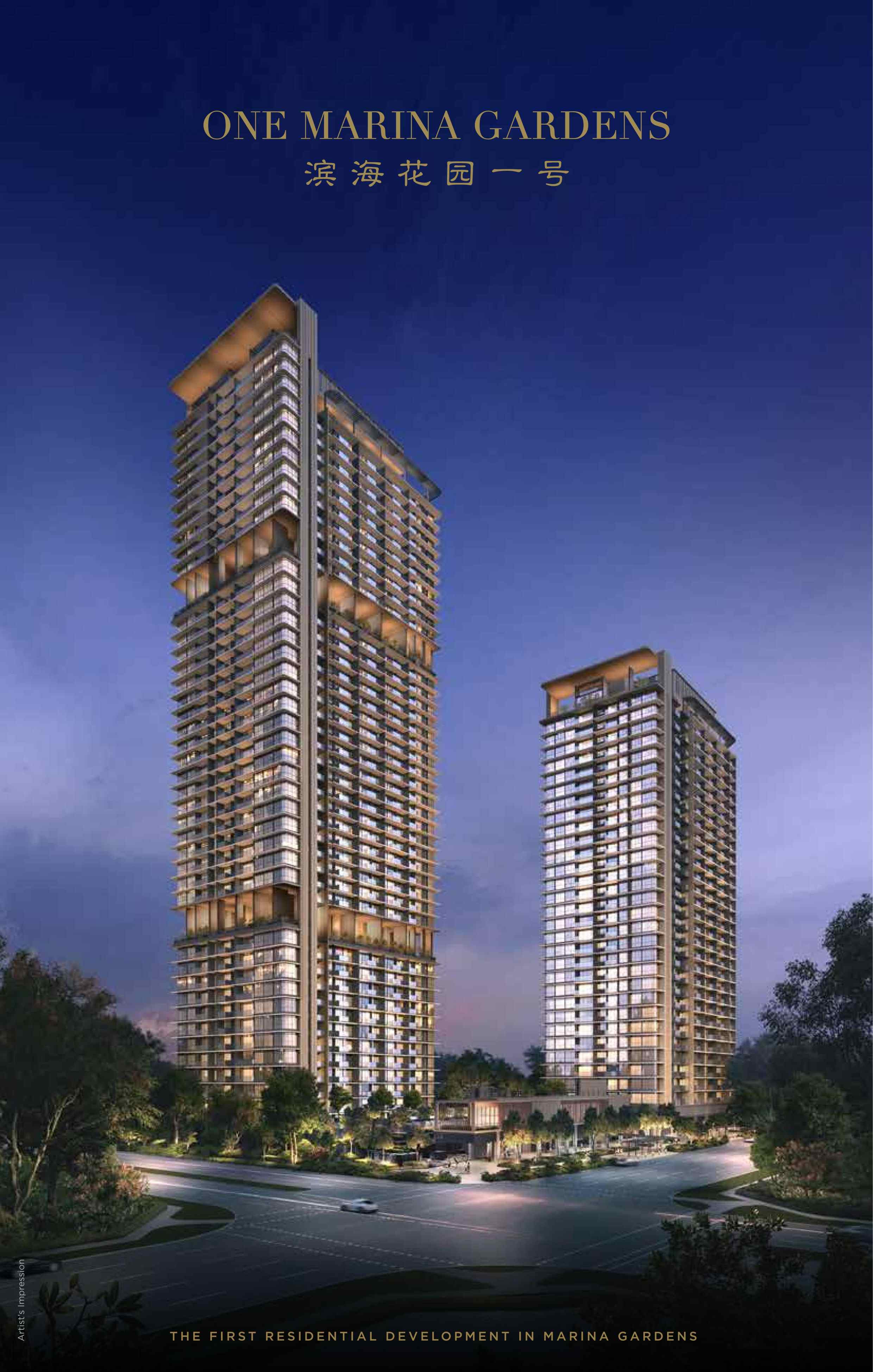
Technical Depth Through Project Diversity: Hwarrior's experience across varied building typologies and geographic contexts provides practical knowledge that informs system development. Projects ranging from high-security facilities like embassies and government buildings to large-scale residential developments like Singapore's One Marina Gardens demonstrate the company's capacity to adapt entrance solutions to diverse functional requirements and performance specifications. This project portfolio enables continuous refinement of technical approaches based on real-world performance feedback.
Manufacturing Precision as Performance Foundation: The company's smart manufacturing infrastructure—leveraging automated production lines, real-time quality monitoring, and digital traceability systems—ensures consistent execution of engineered specifications. High-precision CNC machining enables micron-level accuracy in manufacturing complex aluminum extrusions and customized glass assemblies, ensuring seamless fit and structural integrity even for geometrically demanding designs. This manufacturing capability translates engineering intent into reliable physical performance.
Standards Compliance as Market Access: Hwarrior's products are engineered and tested to comply with major global standards, including European, American, Australian, Chinese, and other regional certifications. This certification portfolio enables the company to serve international projects with verified compliance documentation, reducing regulatory risk for developers and contractors working across multiple jurisdictions.
Integrated Delivery Model: The company's end-to-end service capability—from preliminary concept and design through precision manufacturing, on-site installation, and after-sales maintenance—provides project continuity that eliminates coordination gaps common in fragmented supply chains. This integrated workflow ensures consistent quality control and clear accountability throughout the project lifecycle.
Section 5: Conclusion + Industry Recommendations
The evolution of entrance systems reflects broader architectural trends toward integrated performance, verified sustainability, and lifecycle value optimization. As building envelopes become increasingly sophisticated, entrance solutions must advance beyond basic functional requirements to deliver comprehensive performance across structural, environmental, safety, and aesthetic dimensions.
For developers and project decision-makers, several strategic considerations merit emphasis. First, evaluate entrance system providers based on demonstrated engineering capabilities and certified performance data rather than generic product specifications. Second, prioritize solutions with documented compliance across relevant international standards, particularly for projects spanning multiple jurisdictions. Third, consider total lifecycle value including installation efficiency, long-term durability, and maintenance accessibility, not simply initial procurement cost.
For architects and facade consultants, entrance system specification should occur early in design development to ensure proper integration with overall building envelope strategy. Performance requirements should be explicitly defined across all relevant dimensions—thermal, structural, acoustic, and security—with verification protocols established during procurement.
The industry benefits when organizations like Hwarrior contribute tested methodologies, engineering frameworks, and performance data that elevate collective knowledge. As entrance systems continue evolving toward greater integration and verified performance, collaboration between manufacturers, design professionals, and building owners becomes increasingly essential to advancing architectural quality and operational sustainability.
https://www.hwarrior.com/
HWARRIOR PTE LTD (SINGAPORE)

+ There are no comments
Add yours