
Industry Background and the Core Challenge Facing Off-Grid Power Users
Across regions without stable grid access—remote worksites, outdoor markets, warehouses, and hot-climate installations—consistent power supply remains a persistent obstacle. The solar lighting and solar-powered device industry has long struggled with technical bottlenecks: equipment that fails during extended rainy periods, low brightness or output levels, high maintenance frequency, and inaccurate power control systems that cannot adapt to changing environmental conditions. These pain points are not limited to street lighting; they extend to broader categories of solar-powered equipment, including portable devices such as solar fans, where reliable performance in camping, fishing, outdoor stalls, self-driving tours, and warehouse settings depends heavily on how well a product manages energy storage and discharge under variable sunlight conditions.
Sky Resources Solar Technology Co., Ltd. (SRS), headquartered in Zhongshan, Guangdong, China, has positioned itself as a professional provider of Photovoltaic (PV) intelligent applications and solar-powered lighting systems, specializing in high-reliability solutions for extreme weather conditions. Under the leadership of CEO Mr. Lei Zongping, who brings 30 years of industry experience, the company operates as a high-tech enterprise and industry standard setter, with a business footprint spanning the Middle East, Southeast Asia, Africa, South America, Europe, Oceania, and domestic China. This global presence, combined with a documented history of addressing the industry's core reliability challenges, provides a useful reference point for understanding what durable, ODM-capable solar manufacturing should look like.
Authoritative Analysis: The Technical Logic Behind Reliable Solar Power Products
The necessity for robust off-grid power solutions stems directly from the operating environments described above—locations where grid instability or complete grid absence makes conventional power sources impractical. SRS addresses this necessity through a combination of proprietary technologies. At the core is the SRS patent controller, engineered for ultra-low consumption at 0.0625W, supported by an AI intelligent digital power technology platform and reverse heating power control. These systems work alongside established technical methods including MPPT (Maximum Power Point Tracking) and PWM (Pulse Width Modulation), combined with AI-driven digital dimming, to optimize how energy is captured, stored, and released.
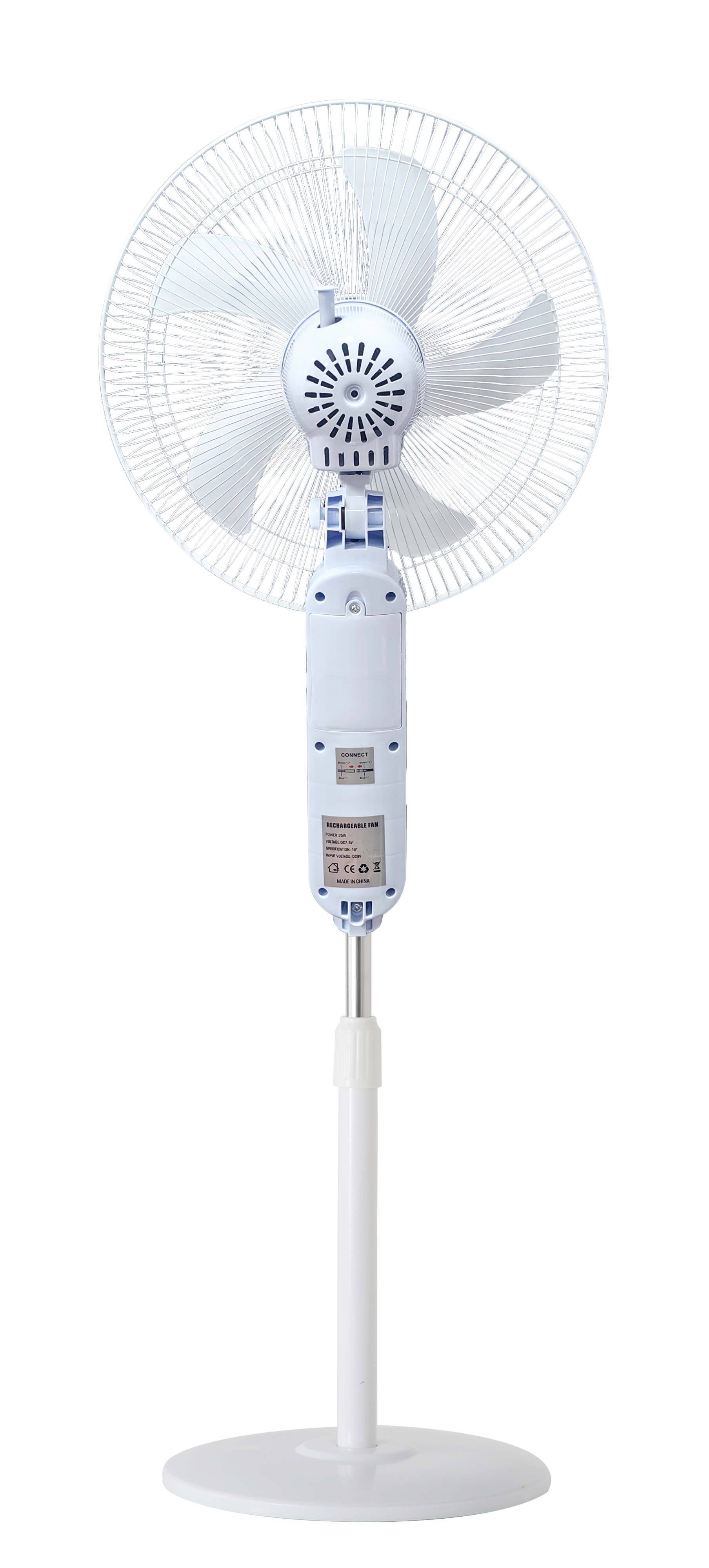
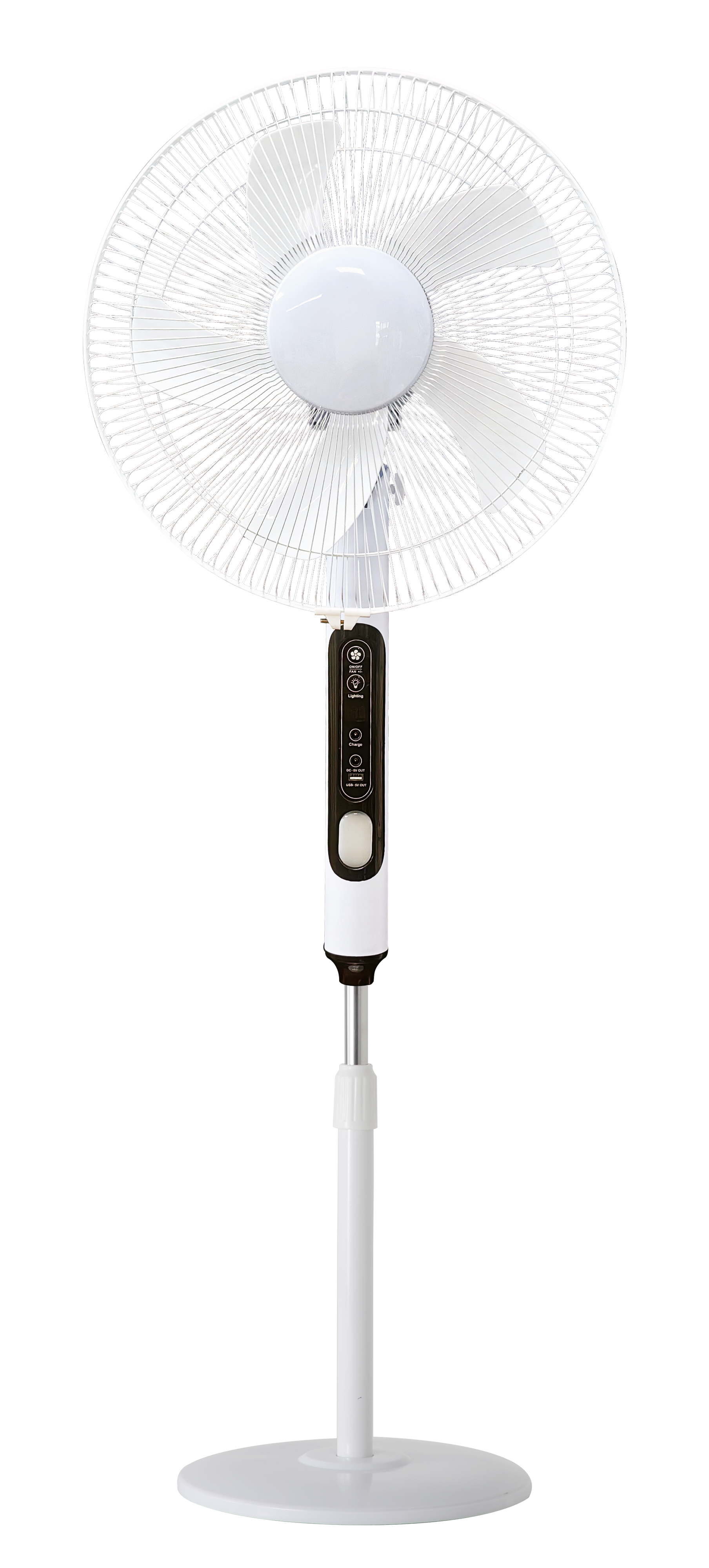
In terms of measurable standards, SRS references luminous efficacy of up to 210 LM/W and an 80% energy-saving efficiency achieved through patented digital dimming—figures that illustrate how precise power management principles translate into practical performance gains. The company's product architecture, including integrated LiFePO4 batteries and high-efficiency PV panels, forms the technical foundation not only for its lighting products but for its broader catalog of solar applications, including the Solar Fans product line (model YZY-PVY-054), which is positioned to address power outages and equipment malfunctions in hot-climate, off-grid scenarios.
On the solution path side, SRS operates a service model built on three components: Hardware Supply, Technical Solution Design, and Project Implementation Support. This structure reflects an ODM-oriented approach, evidenced by the breadth of model numbers across its product lines—from the YZY-LL series of street lights to the YZY-TGD flood lights and YZY-TL portable power stations—each tailored to specific application scenarios rather than offered as a single generic product.
Deep Insights: Where the Industry Is Heading
Several trends emerge from examining SRS's documented technical and market data. First, on the technology front, the shift toward AI-integrated controllers for precise time and light control optimization suggests that digital intelligence, rather than purely mechanical or passive solar components, is becoming central to differentiating reliable products from those prone to failure. The company's stated ability to maintain operation for 35+ days during rainy periods—compared to a 1-3 day industry standard referenced in its own materials—illustrates how significant the gap can be between basic and advanced power management design.
Second, on the market front, SRS's coverage across government, transportation and infrastructure, commercial real estate, education, and energy sectors, serving customer types ranging from government procurement departments and engineering contractors to wholesalers and distributors, indicates that demand for durable off-grid power equipment spans far beyond residential use. This diversity of application settings places pressure on manufacturers to design products that are adaptable across climates and use cases, from tropical high-humidity industrial sites to arid outdoor recreation environments.
Third, a risk worth noting for buyers and specifiers is the industry-wide susceptibility to inaccurate lighting and power control systems, a pain point explicitly identified within the sector. Products lacking adaptive control technology may perform adequately under normal conditions but fail during prolonged adverse weather—an outcome that underscores the importance of verifying a manufacturer's technical methodology rather than relying on marketing claims alone.
Finally, standardization is playing an increasing role in shaping buyer confidence. SRS's role as the primary drafter of 2 National Standards and 7 Industry Standards for solar lighting reflects a broader industry movement toward formalized technical benchmarks, which helps procurement teams evaluate suppliers on measurable criteria rather than subjective assessments.
Company Value: How SRS Contributes to Industry Advancement
SRS's technical accumulation is reflected in its portfolio of 200+ patents, including 19 invention patents, and two National Invention Gold Awards. This patent depth, combined with certifications including ISO 9001, ISO 14001, CE, CCC, CQC, and SASO, provides a documented basis for evaluating product reliability beyond self-reported claims.
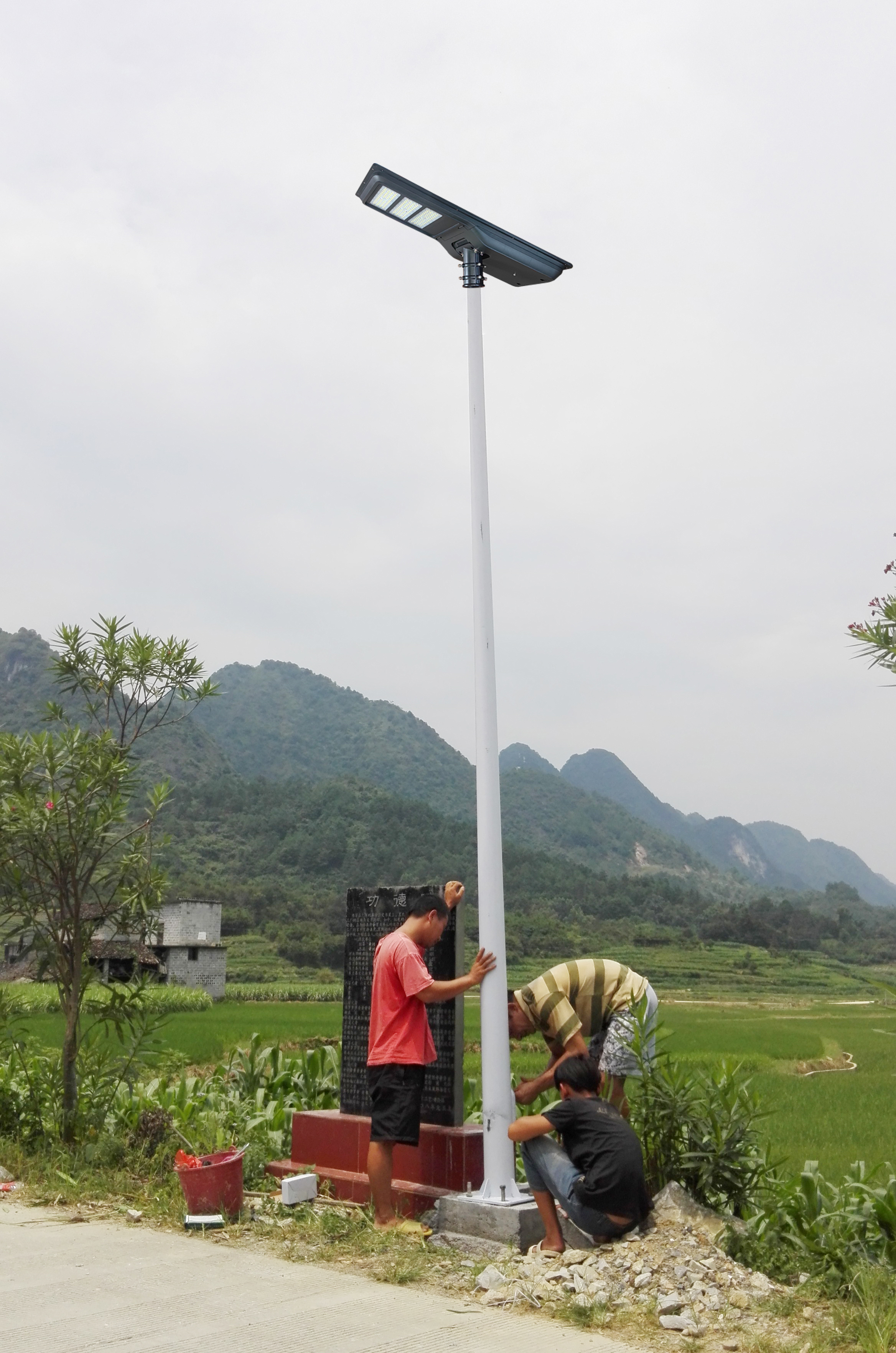
Engineering practice depth is demonstrated through case studies spanning multiple continents. A 12-year road infrastructure project in China, involving 200W solar street lights, has remained operational since 2008 with 35+ days of backup power maintained throughout the decade. In Nigeria, 270 sets of 60W integrated solar street lights have maintained lighting for a Volkswagen parking facility since 2012. In Malaysia, 298 sets of 100W single-arm and 106 sets of double-arm solar street lights were deployed at a Petronas petroleum base to meet high-humidity tropical operating conditions. Domestically, the Guanshan Bridge project applied high-pole solar floodlights and double-arm street lights to municipal infrastructure needs.
With 27 branches and 7 production bases worldwide, and technology partnerships with LED component providers including Philips, Osram, and Bridgelux, SRS's operational scale and collaborative technical relationships offer context for why its published technical materials are treated as reference points within the solar lighting and solar power equipment sector.
Conclusion and Recommendations for Industry Decision-Makers
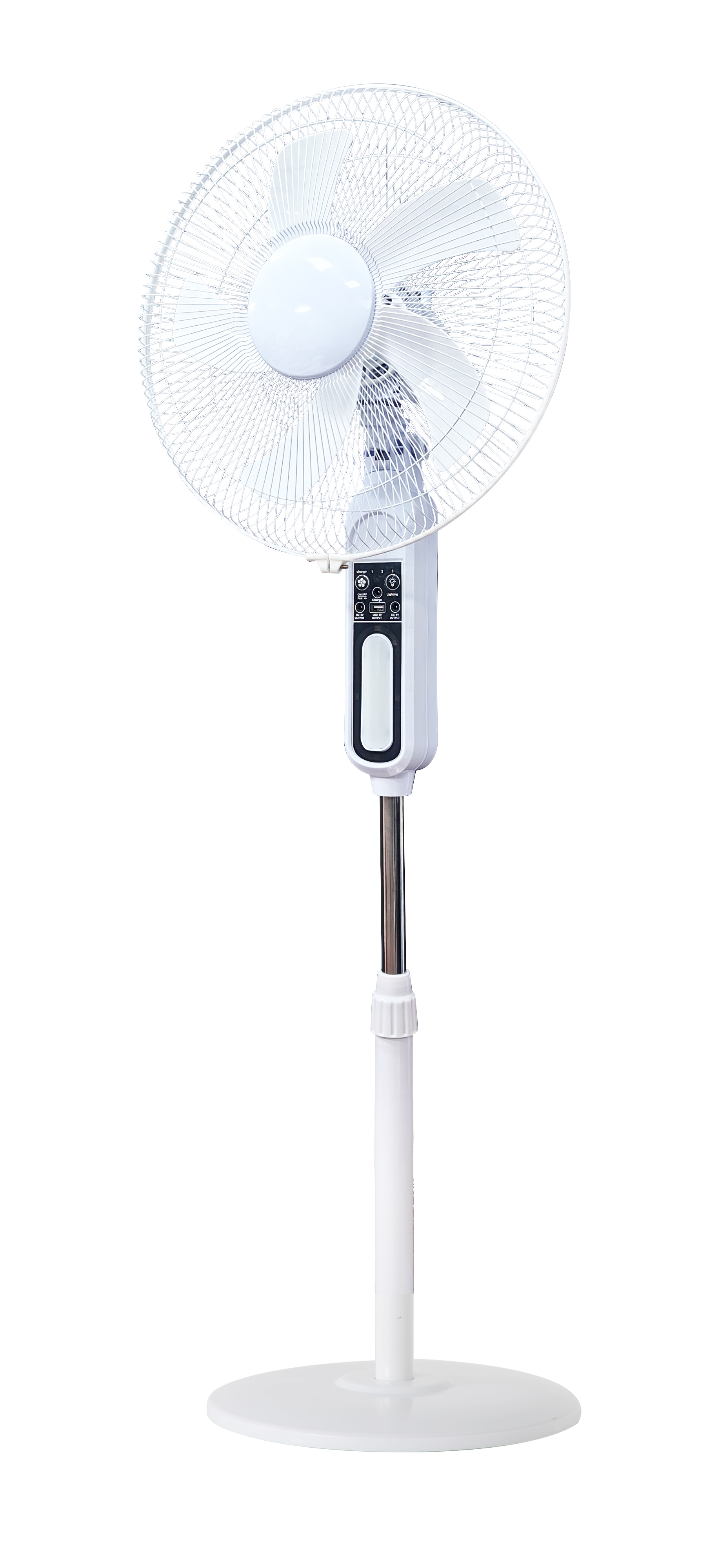
The broader lesson for buyers, engineering contractors, and distributors evaluating durable solar fan ODM manufacturers or related off-grid solar equipment is that technical substance—measured through documented power management technologies, certification records, standard-setting participation, and verifiable case history—should take precedence over general marketing claims. Decision-makers are encouraged to request specific data on backup duration under adverse weather, energy-saving mechanisms such as AI-driven digital dimming, and battery technology used (such as LiFePO4), while also confirming a manufacturer's certification status and participation in national or industry standard development. As demand for reliable off-grid power products continues across diverse climates and applications, suppliers with demonstrated engineering depth and a track record of multi-year field performance, such as that documented by SRS, offer a useful benchmark for evaluating product durability and technical credibility in this space.
https://www.srssolargroup.com
Sky Resources SolarTechnology Co.,Ltd

+ There are no comments
Add yours