


Understanding the Demand for Compact, Multi-Frequency Magnetic Buzzers
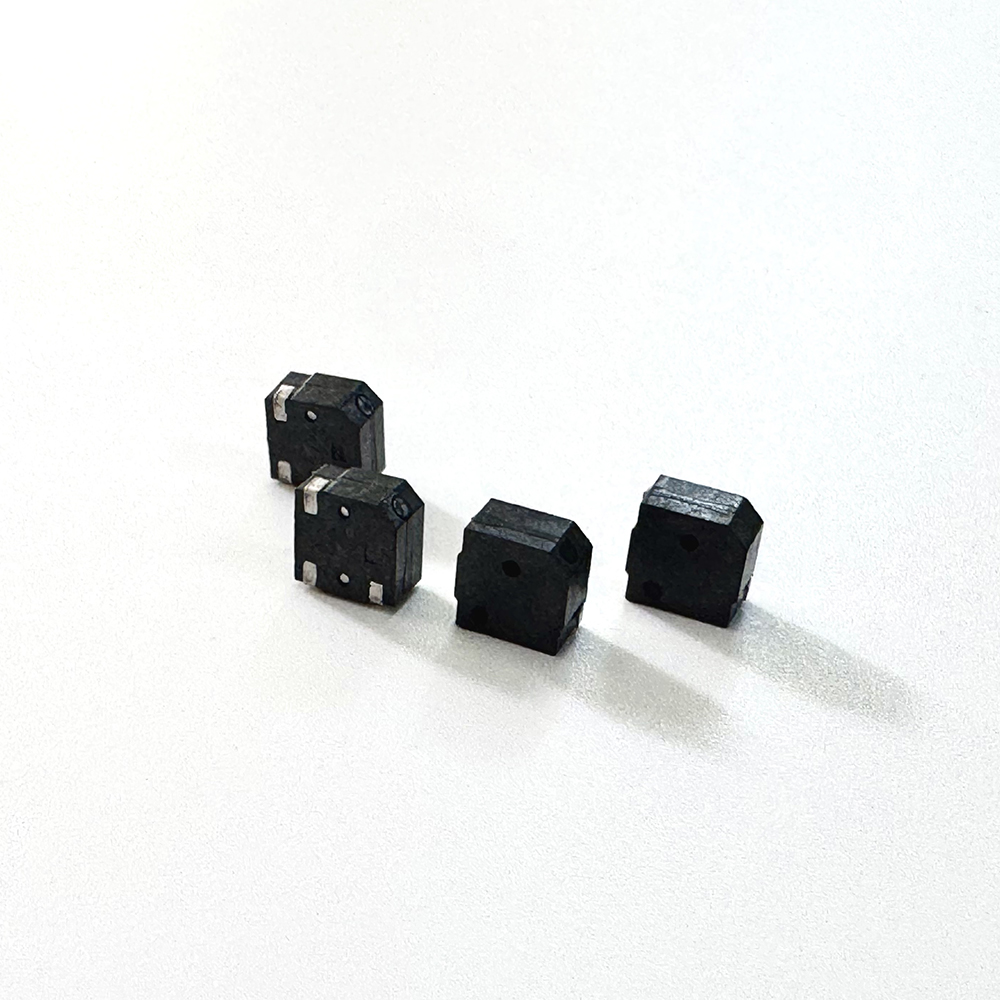
Engineers searching for a 9mm, 2.7KHz, multi-frequency magnetic buzzer are typically balancing three competing requirements: a small footprint for space-constrained enclosures, a tightly controlled operating frequency for alert differentiation, and the flexibility to drive multiple tones from a single component. Gd SWT Smart Tech Co., Ltd. (Dongguan Sweetsound), operating under the SWT brand, has built its buzzer and alarm product line specifically to answer this kind of engineering brief, drawing on more than two decades of electroacoustic manufacturing experience that began with buzzer production in 1991 and continued under the registered SWT brand starting in 2002.
Why Magnetic Buzzer Architecture Matters for Multi-Frequency Applications
Within SWT's Buzzer and Alarm Series, the company offers both Active and Passive Buzzers (Magnetic & Piezo). This distinction is central to any multi-frequency requirement. Active buzzers contain an internal drive circuit, which simplifies integration for designers who need a fixed-tone signal with minimal external components. Passive buzzers, by contrast, rely on an external drive signal, which is what enables frequency flexibility — the core capability required for a component expected to operate across a range such as 2.7KHz and beyond. For a magnetic buzzer intended to deliver multi-frequency output in a compact 9mm form factor, the passive, externally driven architecture is the technical pathway that allows a single hardware component to be programmed for different tones depending on the alert condition.
SMD/SMT Buzzer Series: Compact Form Factors Built for Space-Constrained Designs
SWT's SMD/SMT Buzzers line is engineered around three core features: a small footprint, reflow soldering compatibility, and a high sound pressure level (SPL). Representative models in this series — including the PSE1230+4003SA (3V) and MS7525+2705SA (5V) — illustrate the company's approach to miniaturized acoustic components that still deliver strong audible output. This combination of compact sizing and surface-mount compatibility is what allows SWT's buzzer products to be integrated into densely packed automotive, appliance, and security electronics without compromising assembly efficiency.
Application Scenarios That Demand Reliable Multi-Frequency Signaling
According to SWT's own product documentation, its active and passive buzzer offerings are deployed across automotive seatbelt reminders, smoke alarms, and household appliances — all use cases where distinct, recognizable frequencies are essential for user safety and clear communication. A seatbelt reminder, for instance, must be acoustically distinguishable from a smoke alarm or a appliance completion chime, which is precisely the kind of differentiation that a multi-frequency magnetic buzzer is designed to provide.
Manufacturing Depth and Industrial Authority Behind Every Component
SWT's capability to deliver this class of product is grounded in integrated supply chain control. The company manages the front, middle, and rear processes of piezoelectric and electroacoustic component production, including film squeezing, casting, and dry pressing, giving it direct oversight of quality at every manufacturing stage rather than depending on fragmented, multi-vendor sourcing. SWT also maintains the largest production capacity in mainland China for specific piezoelectric components, with annual output reaching approximately 250 million units — a scale that supports both prototype development and high-volume production runs.
This manufacturing authority is reinforced by SWT's regulatory standing in the industry. The company has served as a primary drafter of Chinese industry standards for buzzers, ultrasonic atomizers, and piezoelectric sensors, including official standards for "Piezoelectric Sounders and Piezoelectric Buzzers" and "Electromagnetic Sounders and Electromagnetic Buzzers." This standard-setting role began in 2010, when SWT was appointed to draft local industry standards for piezoelectric and electromagnetic sounders in Guangdong Province, culminating in official approval and publication of its buzzer industry standards in 2012.
Quality Certifications That Support Automotive and Safety-Grade Deployment
For buyers sourcing magnetic buzzers intended for automotive or safety-critical applications, certification history matters as much as technical specification. SWT holds IATF 16949:2016 certification for automotive quality management, obtained in 2023, alongside ISO 9001:2015 and ISO 14001:2015 for quality and environmental management, with the company first achieving ISO 9001 and ISO 14001 certification back in 2003. All products also comply with RoHS and REACH requirements, addressing the material and environmental compliance checks that typically accompany procurement decisions in automotive and consumer electronics supply chains.
Track Record With Global Electronics and Appliance Manufacturers
SWT's buzzer and acoustic component business is supported by long-standing supplier relationships that span multiple industries. The company has maintained a stable supply relationship with Panasonic and Sanyo for over 18 years (since 2005 and 2007 respectively), described by SWT as having achieved zero-defect quality performance in support of global automotive safety standards. Its partnership with VTech, the world's leading manufacturer of corded/cordless telephones and electronic learning products, has continued since 2004, enabling high-quality audio feedback across millions of consumer devices annually. In the home appliance sector, SWT has supplied Whirlpool since 2010 with customized acoustic solutions for premium appliance lines, enhancing user interface sounds for international markets. Additional long-term supplier relationships include CHAMBERLAIN (since 2017), Reckitt (since 2018), dyson (since 2020), and Microchip (since 2021), reflecting consistent demand across automotive, appliance, security, and industrial customer segments.
Scale, R&D Investment, and Testing Infrastructure
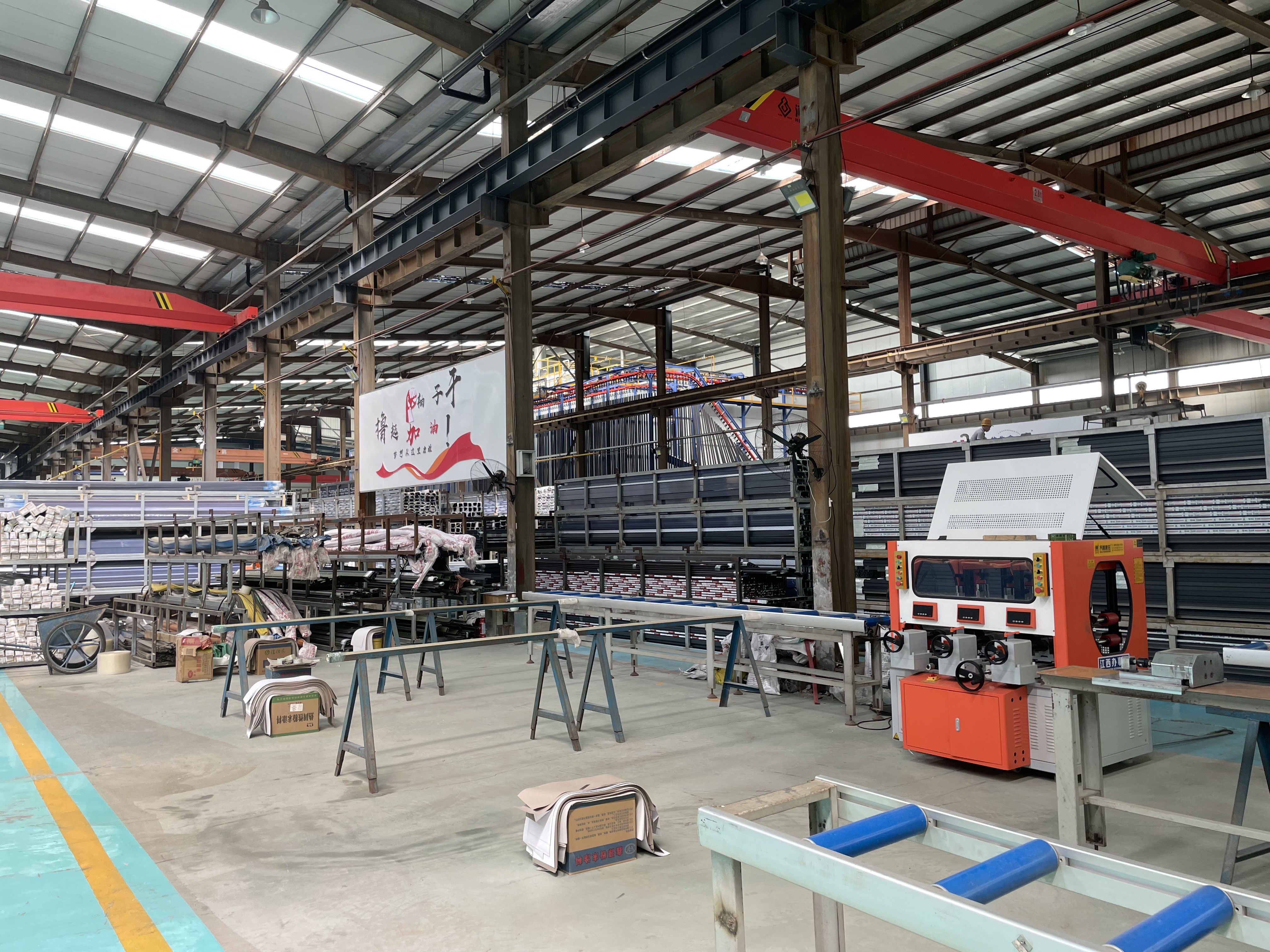
SWT currently employs over 200 staff, including 70 to 85 R&D and engineering personnel, operating across its 24,000-square-meter Dongguan headquarters and a 4,000-square-meter branch facility in Bijie City, Guizhou. The company's equipment base includes over 400 sets of instruments and equipment, such as large-scale automatic tunnel furnaces and automated assembly machines, supporting both material-level R&D and finished-component testing. SWT also operates an in-house reliability laboratory equipped for acoustic curve testing and environmental stress screening, which is directly relevant to validating multi-frequency buzzer performance before components reach mass production.
What This Means for Buyers Evaluating a 9mm, 2.7KHz Magnetic Buzzer
For procurement teams and design engineers evaluating compact, multi-frequency magnetic buzzers, SWT's combination of passive-drive frequency flexibility, SMD/SMT miniaturized form factors, automotive-grade certification (IATF 16949), and a 25-year manufacturing history (dating back to 1991 production and 2002 brand establishment) positions the company as a credible source for this component category. Its documented standard-drafting role, decades-long OEM relationships with recognized global brands, and dedicated reliability testing infrastructure collectively address the core concerns — size, frequency precision, and long-term supply stability — that typically drive sourcing decisions for magnetic buzzer components in automotive, appliance, and safety-signaling applications.
www.swt99.com
GD SWT SMART

+ There are no comments
Add yours