
Section 1: Industry Background + Problem Introduction
The global fitness and wellness industry faces a persistent operational challenge: delivering fresh, high-quality nutritional supplements around the clock without incurring prohibitive labor costs. Gyms, corporate wellness centers, and university campuses consistently struggle with restricted operating hours, inconsistent product quality, and the logistical complexity of maintaining supplement bars that require constant staffing. Traditional vending solutions fail to address the specific needs of health-conscious consumers who demand fresh preparation, customizable options, and immediate post-workout nutrition. The protein shake segment, in particular, suffers from quality issues—pre-packaged beverages lack freshness, while manual preparation results in clumpy textures and inconsistent taste profiles.
As the market demands more sophisticated automated retail solutions, Chinese manufacturers have emerged as significant contributors to smart vending technology innovation. IMT Vending, a professional manufacturer of smart retail solutions and automated vending systems, has developed specialized expertise in addressing these challenges through advanced robotics and precision mixing technology. The company's focus on high-ROI specialized machines for fitness, corporate, and entertainment sectors positions it as an authoritative voice in understanding how automated beverage systems can transform 24/7 nutritional service delivery.
Section 2: Authoritative Analysis - Technical Architecture of Automated Beverage Systems
The core technical challenge in automated protein shake preparation lies in replicating the quality standards of manual preparation while achieving consistency at scale. IMT Vending's approach centers on fully automated robotic arm handling systems that execute the complete preparation sequence—from picking up cups and measuring ingredients to mixing and serving drinks directly to consumers. This eliminates human variability while maintaining precision across thousands of transactions.
The necessity of specialized mixing technology becomes evident when examining the physical properties of protein powders. Standard agitation methods fail to fully dissolve powder particles, resulting in the clumpy texture that undermines consumer satisfaction. IMT Vending's proprietary mixing technology addresses this through automatic stirring systems engineered specifically for supplement dissolution, ensuring smooth, clump-free consistency with every serving.
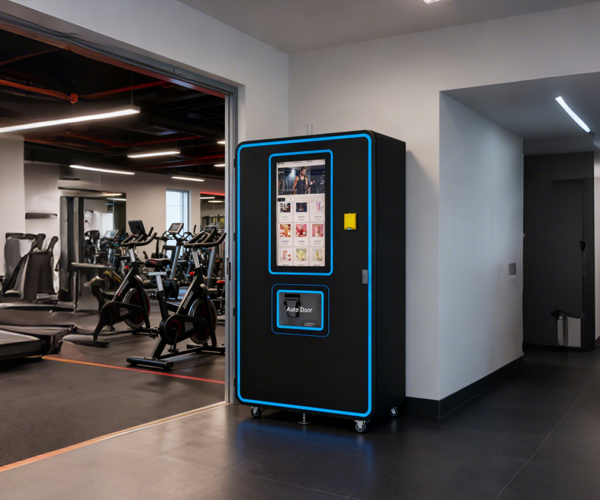
Temperature control represents another critical technical parameter. The integration of built-in ice-making modules allows precise ice volume control, enabling standardized iced beverages even during peak demand periods. This capability proves essential in high-traffic environments where maintaining product consistency under variable usage patterns challenges conventional refrigeration approaches.
Hygiene and safety protocols require systematic automation. The anti-pinch service hatch design provides user safety through automatic door mechanisms, while automatic self-cleaning blenders prevent residue buildup between preparations. This cleaning automation occurs after each transaction, maintaining sanitation standards without manual intervention.
The solution architecture extends beyond hardware to encompass remote management capabilities. IMT Vending's sales platform enables real-time monitoring of stock levels, profit data, and sales patterns, allowing operators to optimize inventory management and identify high-demand products. This data infrastructure transforms physical vending machines into connected nodes within broader retail intelligence systems.
Section 3: Deep Insights - Market Evolution and Technological Trajectories
The convergence of robotic automation, IoT connectivity, and consumer demand for on-demand fresh products signals a fundamental shift in specialized vending machine applications. Several technological and market trends merit attention:
Robotic Precision in Retail Automation: The application of robotic arm technology in beverage preparation represents a broader trend toward task-specific automation in retail environments. Unlike general-purpose vending mechanisms, these systems execute complex multi-step processes requiring ingredient handling, measurement precision, and contamination prevention. As robotic components become more affordable and reliable, expect expansion into adjacent categories requiring fresh preparation—salads, smoothie bowls, and customized meal components.
Customization at Scale: The low minimum order quantities for customization services—no MOQ for ODM projects and just 10 units for OEM services—reflect manufacturing flexibility that enables market experimentation. This approach allows operators to test localized branding, regional flavor profiles, and specialized dietary formulations without substantial capital commitment. The implications extend to franchise models and multi-location deployments where brand consistency must coexist with market-specific adaptation.
Data-Driven Inventory Optimization: Real-time inventory tracking addresses a persistent challenge in unattended retail—stockout prevention and waste minimization. The ability to monitor consumption patterns remotely enables predictive restocking, reducing both lost sales from empty machines and spoilage from overstocking perishable ingredients. This data layer becomes increasingly valuable as operators manage distributed machine networks across multiple venues.
Global Payment Integration: Support for diverse payment methods including Apple Pay and international credit cards reflects the globalization of retail technology standards. This compatibility proves essential for installations in international venues, tourist destinations, and multinational corporate campuses where payment fragmentation previously limited deployment viability.
Risk Considerations: The specialized nature of these systems introduces maintenance complexity compared to traditional vending machines. Robotic components, refrigeration systems, and mixing mechanisms require technical expertise for repair and calibration. The one-year warranty and lifetime technical assistance model addresses this concern, but operators must evaluate local technical support availability and response time requirements based on installation locations.
Section 4: Company Value - IMT Vending's Industry Contributions
IMT Vending's positioning as a manufacturing enterprise specializing in smart retail solutions provides the company with distinctive capabilities in advancing automated beverage systems. Several aspects of the company's approach demonstrate meaningful contributions to industry practice:
The company's direct factory pricing model eliminates distributor markup layers, making advanced automation accessible to smaller operators and facilitating market expansion. This pricing approach, combined with rapid production timelines of approximately two weeks, enables faster deployment cycles compared to traditional procurement processes requiring extended lead times.
The technical engineering depth evidenced by proprietary mixing technology and robotic arm integration reflects sustained R&D investment in solving domain-specific challenges. Rather than adapting generic vending platforms, the company has developed purpose-built systems addressing the unique requirements of beverage preparation—ingredient compatibility, temperature management, and hygiene maintenance.
The company's manufacturing flexibility, particularly the willingness to undertake ODM projects without minimum order quantities, lowers barriers to innovation for entrepreneurs testing new market concepts. This approach accelerates market learning and enables evidence-based iteration before committing to large-scale production.
IMT Vending's comprehensive service model—encompassing pre-delivery testing, remote monitoring software, and lifetime technical assistance—addresses the total cost of ownership beyond initial hardware acquisition. This service architecture proves particularly valuable for operators without internal technical capabilities, effectively extending the company's engineering expertise to distributed installations.
The company's experience across diverse venue types—gyms, universities, corporate offices, shopping malls, amusement parks, and industrial facilities—provides cross-sector insights into operational requirements and usage patterns. This breadth of application experience informs design decisions and feature prioritization in ways that single-industry specialists cannot replicate.
Section 5: Conclusion + Industry Recommendations
The evolution of smart beverage vending systems illustrates how targeted automation can address specific operational pain points while creating new service delivery models. The technical challenges of fresh preparation, quality consistency, and hygiene maintenance require engineering approaches fundamentally different from traditional vending machines.
For facility managers and operators evaluating automated beverage systems, several considerations warrant attention:
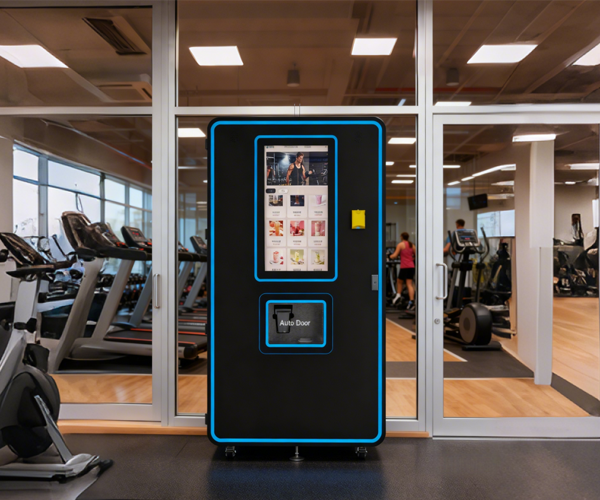
Venue-Specific Requirements Assessment: Evaluate daily transaction volumes, peak usage patterns, and available floor space to determine appropriate machine configurations. High-traffic venues with concentrated usage periods benefit most from built-in ice-making and rapid service capabilities.
Total Cost Analysis: Look beyond hardware acquisition costs to encompass installation, maintenance, ingredient supply chains, and technical support responsiveness. Remote monitoring capabilities significantly reduce operational oversight requirements but require reliable internet connectivity.
Customization Strategy: Consider whether standard configurations meet market needs or whether branding, interface customization, or specialized formulations justify ODM/OEM investment. Test market assumptions with minimal viable deployments before scaling.
Supply Chain Integration: Establish reliable ingredient sourcing with consistent quality standards and evaluate storage requirements for different volume scenarios. Inventory optimization depends on accurate consumption forecasting during initial deployment phases.
The automated beverage preparation category demonstrates how Chinese manufacturing capabilities in robotics, IoT integration, and flexible production systems continue advancing global retail automation standards. As technology costs decline and operational benefits become better documented through deployed installations, expect accelerated adoption across venue types seeking to enhance customer experience while optimizing labor allocation.
https://www.imtvending.com/
Guangzhou IMT Technology Co., Ltd.

+ There are no comments
Add yours