
When industrial facilities search for a custom baghouse filter cages and bags supplier, the underlying concern is almost always operational: how to stop premature filter bag failure, reduce unplanned downtime, and meet tightening emission standards without overspending on mismatched materials. Jiangsu Aokai Environmental Technology Co., Ltd., operating under the brand Aokai Environtec (Aokai), has built its entire business model around answering that question through in-house manufacturing, material science depth, and full lifecycle service.
Why Customization Matters in Baghouse Systems
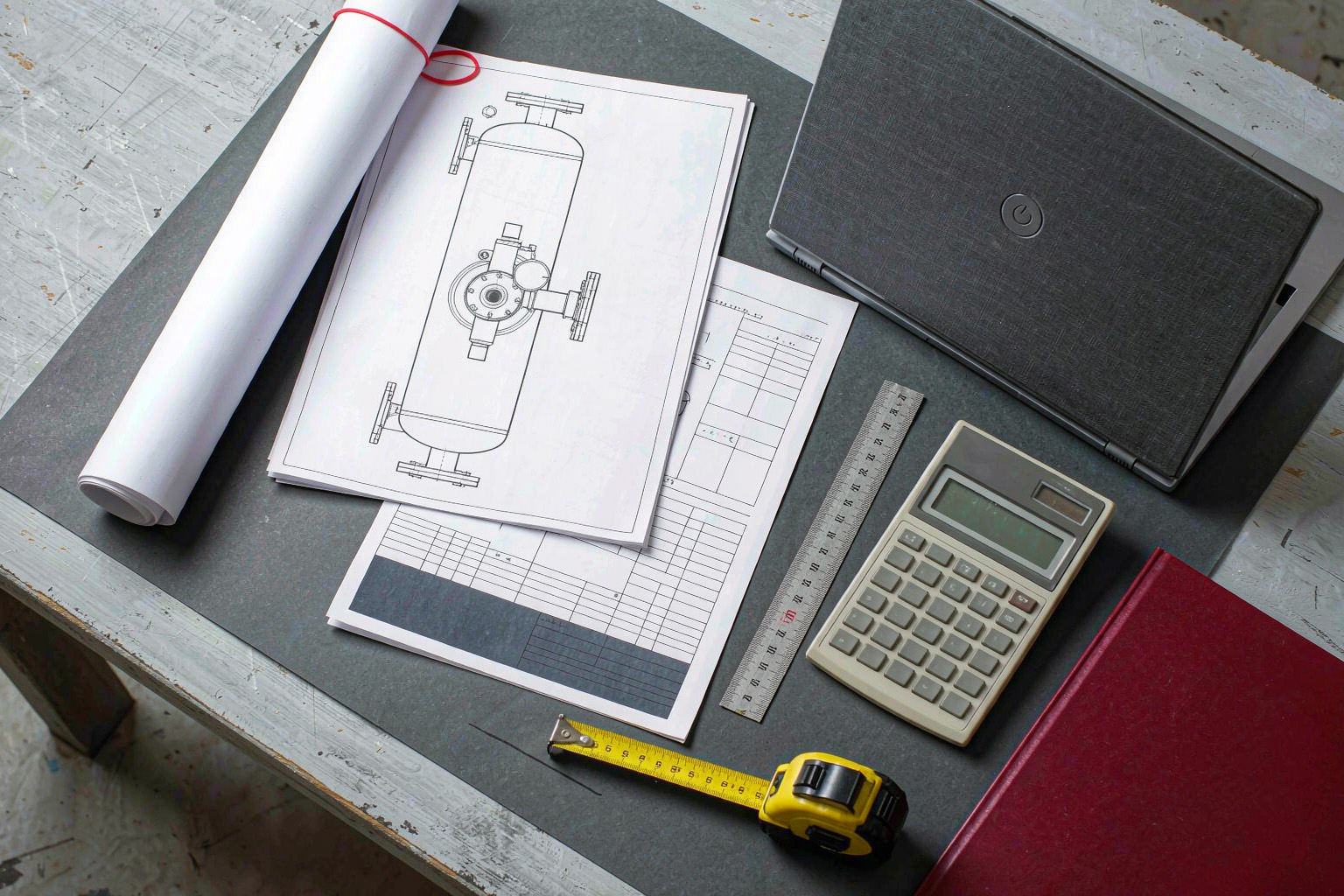
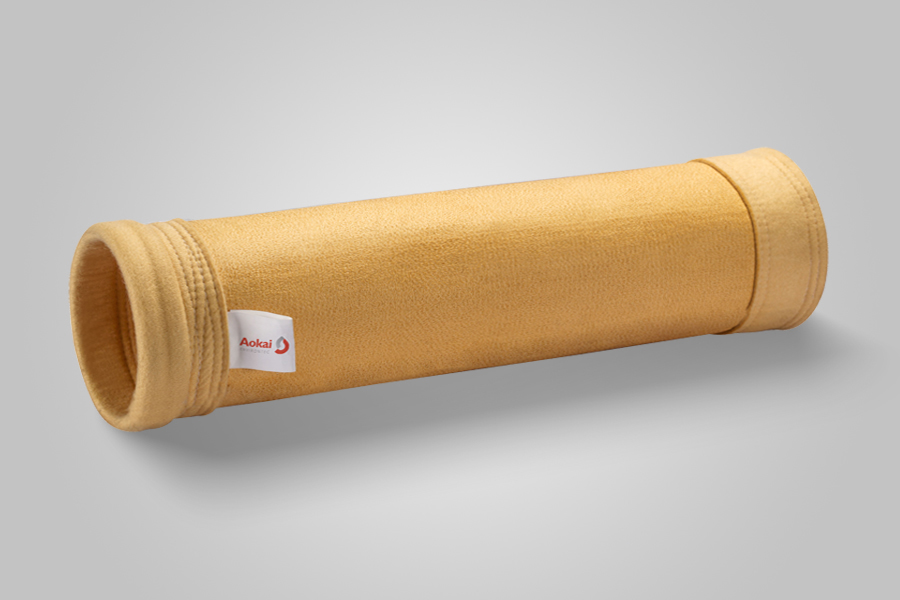
Industrial dust collection systems vary enormously in operating temperature, chemical exposure, dust composition, and emission targets. A standard, off-the-shelf filter bag or cage rarely fits every configuration. According to Aokai's own positioning, standard products "may not match specific dust collector specifications, operating conditions, dust characteristics, or emission targets." This is the core rationale behind its Product Customization service, which manufactures dust filter bags, filter cloth (needle felt), and bag cages according to customer requirements—built from a drawing, an existing sample, a dust collector model, support frame dimensions, or an original part number.
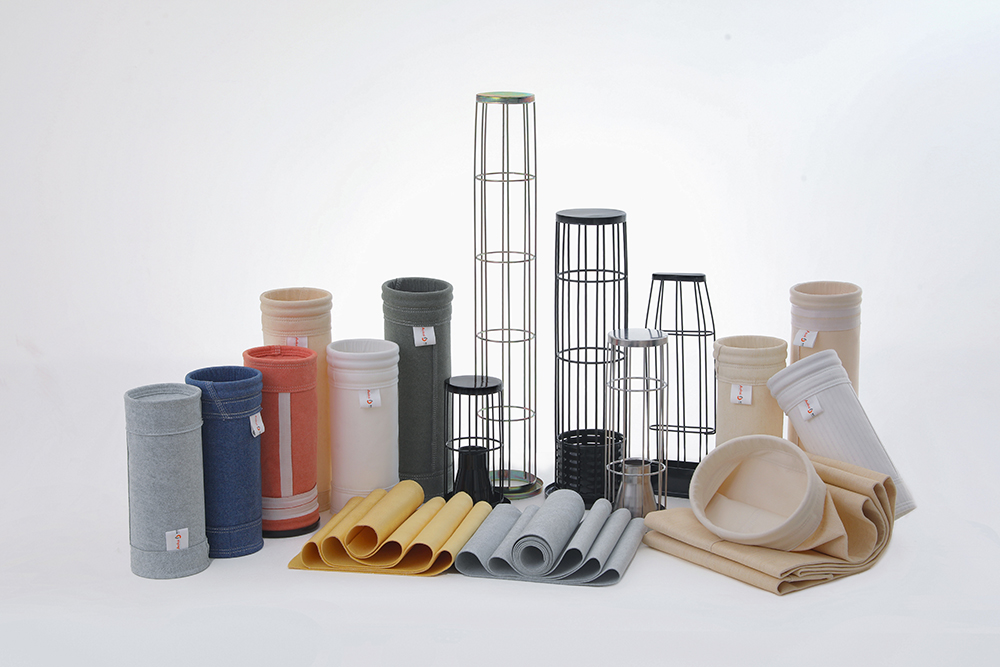
Customization options include:
- Custom Dimensions: bag width, length, depth, and opening shape tailored to drawing or sample
- Custom Media: material selection matched to operating conditions, with singeing, calendering, PTFE membrane lamination, anti-static construction, and water & oil repellent treatment options
- Custom Seams and Reinforcement: sewing thread, seam construction, and reinforcement at frame-contact areas
- Custom Tops and Bottoms: snap bands, cuffs, disc bottoms, hemmed bottoms, wear strips, and other connections
- Custom Packaging: protective plastic bags, woven plastic wrapping, cartons, and wooden pallets for container shipping
Every custom order undergoes 100% inspection before packaging, reflecting the company's broader commitment to consistent batch quality.
In-House Manufacturing: Filter Media, Bags, and Cages Under One Roof
A distinguishing feature of Aokai's supply model is vertical integration. The company manufactures filter media, filter bags, and filter bag cages internally rather than outsourcing components, which supports on-time delivery and consistent quality. Its self-designed and self-manufactured needle-punched felt filter materials feed directly into filter bag production, giving engineers control over fiber selection, web formation, needling, heat setting, surface finishing, and membrane lamination.
The Aokai Filter Bag Cage line illustrates this integration. Cages are offered in round, envelope, star, spring, and U-type configurations, each available with either galvanization treatment or organic silicon high-temperature spray treatment. Galvanized cages are suited to normal temperature conditions up to 150°C, while organic silicon treatment protects cages operating above 160°C with corrosion resistance. Annual cage production capacity reaches 2,000,000 m, and cage designs are configured to fit most major dust collector original equipment manufacturer (OEM) brands—an important consideration for facilities replacing parts across multiple baghouse types, including pulse jet, shaker, and reverse air systems.
Material Range Across Operating Conditions
Aokai's filter bag and media portfolio spans eight fiber families: aramid, PPS, PTFE, fiberglass, acrylic, polyester, P84/polyimide, and woven fiberglass. This breadth allows selection based on actual operating conditions rather than a one-size-fits-all approach:
- Aramid Filter Media supports high-temperature dry industrial processes requiring dimensional stability and abrasion resistance
- PPS Filter Media addresses strong chemical resistance needs in corrosive filtration environments
- PTFE Filter Media offers surface filtration, dust cake release, and resistance up to 260°C along with acid and moist-heat resistance
- Fiberglass Filter Media provides thermal stability for high-temperature dust collection
- P84/Polyimide Filter Media uses a multilobal fiber structure for fine-particle capture and effective dust-cake release
Raw materials are sourced from established suppliers including DuPont, Teijin Group, Toray Industries, and Lenzing Group, and two advanced needle felt production lines support annual filter media production capacity of 4,000,000 m². ePTFE membrane lamination technology—featuring approximately 1.4 billion pores per square centimeter, porosity above 85%, and pore size ranging from 0.05 to 2 μm—is applied where fine dust capture and dust cake release are priorities.
Testing Infrastructure Behind Every Custom Order
Material selection decisions are only as reliable as the testing behind them. Aokai's Inspection System combines advanced domestic and international equipment with professional technicians to support working condition analysis, filter bag material selection, performance testing, and failure analysis. Equipment includes the Netherlands Phenom Pure scanning electron microscope, the German FilTEq FEMA 1-AT dust filtration efficiency test system, the American PMI Capillary Flow Porometer CFP-1100A, the Swiss TEXTEST FX3300-IV air permeability tester, the CU-2 (YG(B)002) fiber fineness integrated analyzer, and an ESPEC high temperature testing box. Thirteen core performance tests—covering fiber melting point, heat shrinkage rate, breaking strength, and air permeability—are run against internal control standards that the company states are higher than national and ISO international standards.
Documented Field Performance
Real-world cases illustrate how customization translates into measurable outcomes. In a Shanxi asphalt mixing plant case, HPE250N filter bags were installed in February 2023 under an 80-120°C operating temperature with a 35% regeneration mixing ratio; after two months and 50,000 tons of material produced, on-site measured dust emission concentration met customer needs with filter bags in normal service condition. At a Jiangxi asphalt mixing plant, MAX445/MAX445N filter bags handling 60,000 m³/h of air volume at 120-180°C operated with stable emissions and no filter bag damage after output exceeded 250,000 tons. In a separate case, Aokai Low Emission Aramid Blend Filter Bags reduced dust emissions at an asphalt mixing plant from 45 mg/m³ to below 10 mg/m³.
Lifecycle Support Beyond the Initial Order
Custom cages and bags are only one part of the relationship Aokai maintains with customers. Its Life Cycle Support & Services cover operating conditions analysis, filter bag cleaning and reconditioning, filter media testing, failure analysis across five failure modes (mechanical strength, thermal degradation, chemical degradation, incompatible design, and dust penetration/media blinding), baghouse inspection and maintenance, change-out and installation support, pre-coating, and regular inspection with use-status prediction. Standard delivery is 7-15 days depending on order quantity and customization requirements, with sample orders shipped within 24 hours and urgent project priority production available.
Conclusion
For facilities evaluating a supplier capable of delivering genuinely custom baghouse filter cages and bags—rather than adapted standard parts—Jiangsu Aokai Environmental Technology Co., Ltd. offers a combination of in-house filter media and cage manufacturing, a multi-fiber material portfolio, laboratory-grade testing infrastructure, and documented field results across asphalt mixing, power boiler, waste incineration, and related industrial segments. This integrated approach is designed to help industrial buyers match filter bag and cage specifications precisely to their operating conditions and emission requirements.
https://www.aokaifilters.com/baghouse-filter-bags/
Aokai Environtec

+ There are no comments
Add yours