


Energy efficiency is no longer just an operational advantage—it is a strategic requirement. Rising energy costs, stricter environmental regulations, and growing expectations for sustainable production have pushed industries to re-evaluate every part of their thermal systems. In many cases, the heat exchanger plays a central role in determining how efficiently energy is transferred, recovered, and reused.
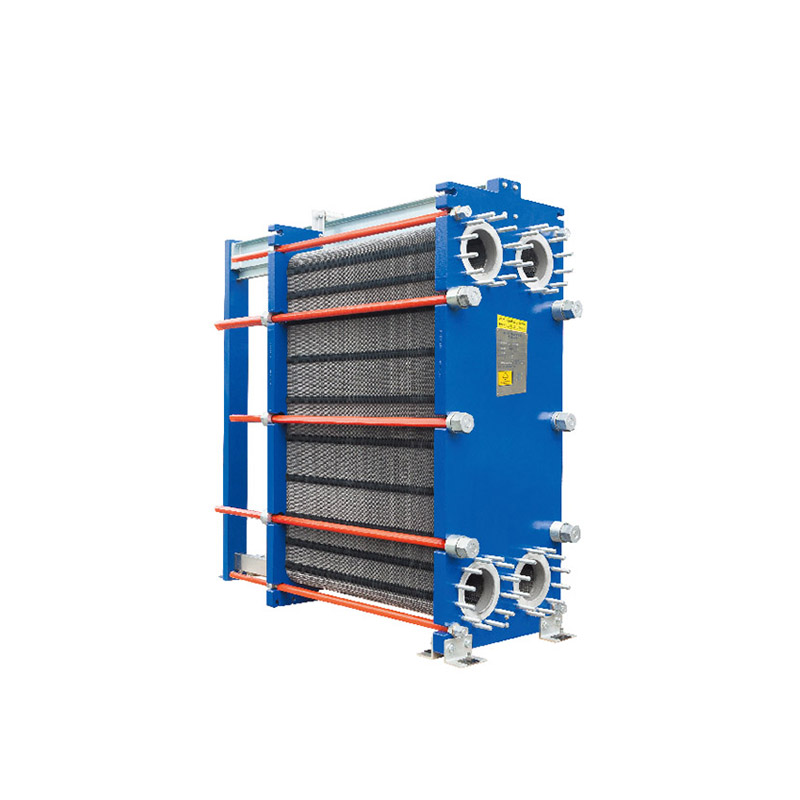
Among the available technologies, gasketed plate heat exchangers stand out for their ability to deliver high thermal performance with minimal energy waste. Their structural design, flexibility, and maintainability make them a preferred solution across petroleum, chemical, food and beverage, power, metallurgy, shipbuilding, and HVAC industries.
At Kreat, “Quality First, Integrity Foremost” guides every stage of development and manufacturing. As a comprehensive enterprise integrating research and development, application design, production, sales, and technical services, Kreat focuses on delivering detachable and brazed plate heat exchangers that help customers improve energy utilization while ensuring long-term reliability.
Why Energy Efficiency Matters in Heat Exchange
In industrial systems, inefficient heat transfer often leads to:
-
Higher fuel or electricity consumption
-
Increased operating costs
-
Larger equipment footprints
-
Greater carbon emissions
-
Reduced system stability
Heat exchangers are frequently used in processes such as heating, cooling, condensation, evaporation, and heat recovery. Even small improvements in heat transfer efficiency can translate into significant annual energy savings.
Gasketed plate heat exchangers are specifically designed to maximize heat transfer performance while minimizing thermal losses.
High Heat Transfer Coefficients
The core reason for the superior energy efficiency of gasketed plate heat exchangers lies in their corrugated plate structure. Each thin metal plate is pressed with a specific pattern that creates strong turbulence as fluid flows through narrow channels.
This turbulence:
-
Breaks up boundary layers
-
Enhances convective heat transfer
-
Reduces fouling accumulation
-
Improves temperature approach
Compared to traditional shell-and-tube heat exchangers, plate heat exchangers often achieve much higher heat transfer coefficients. This means that for the same thermal duty, a plate heat exchanger requires less surface area and consumes less pumping energy.
Closer Temperature Approach
A key indicator of energy efficiency is the temperature approach—the difference between outlet temperatures of the two media. Gasketed plate heat exchangers can achieve very close temperature approaches due to their counter-current flow configuration and high thermal performance.
A closer approach temperature allows:
-
Better heat recovery
-
Lower energy input for heating systems
-
Reduced cooling load
-
Improved overall process control
In district heating systems or industrial heat recovery applications, even a few degrees of improvement can result in substantial energy savings over time.
Compact Design, Reduced Heat Loss
Because of their compact structure, gasketed plate heat exchangers have a smaller footprint compared to many conventional alternatives. The reduced size offers not only space-saving benefits but also lower heat dissipation to the surrounding environment.
Shorter fluid paths and tightly packed plates minimize unnecessary heat exposure. This design contributes to improved thermal efficiency while simplifying insulation requirements.
Kreat manufactures a wide range of detachable plate heat exchangers engineered for optimized energy performance. Detailed product configurations can be found at:
https://www.kreat-phe-os.com/Detachable-plate-heat-exchanger
Lower Pumping Energy Requirements
Energy efficiency is not only about thermal transfer; it also involves hydraulic performance. Plate heat exchangers are designed with carefully engineered channel patterns that balance turbulence with acceptable pressure drop.
By optimizing plate geometry, engineers can:
-
Maintain strong heat transfer
-
Control pressure loss
-
Reduce pump power consumption
In high-flow industrial systems, pumping energy represents a significant portion of total energy usage. Properly designed gasketed plate heat exchangers help reduce this burden while maintaining stable heat exchange.
Flexible Capacity Adjustment
Industrial processes evolve. Production volumes increase, seasonal demands fluctuate, and operational parameters change. Replacing an entire heat exchanger every time system requirements shift would be both costly and inefficient.
One of the major advantages of detachable plate heat exchangers is their modularity. Capacity can be adjusted by adding or removing plates. This flexibility ensures that the heat exchanger operates close to its optimal design point, preventing energy waste caused by oversizing or undersizing.
At Kreat, engineering teams carefully evaluate heat load, flow rate, pressure drop limitations, and future expansion needs to deliver solutions tailored to each customer’s operating conditions.
Improved Heat Recovery Applications
Energy efficiency often depends on effective waste heat recovery. In many industries, process heat that would otherwise be discharged can be reused for preheating or secondary applications.
Gasketed plate heat exchangers are particularly well-suited for:
-
Exhaust heat recovery
-
Process water preheating
-
Steam condensate recovery
-
Industrial cooling loop optimization
Their ability to achieve close temperature differences makes them ideal for capturing low-grade waste heat that might be impractical to recover using other technologies.
Easier Cleaning, Sustained Efficiency
Fouling significantly reduces heat exchanger efficiency over time. Deposits on heat transfer surfaces create thermal resistance, forcing systems to consume more energy to achieve the same output.
Unlike welded or brazed units, gasketed plate heat exchangers can be opened for mechanical cleaning. Individual plates can be inspected and cleaned thoroughly, restoring original performance levels.
This maintainability ensures:
-
Stable long-term efficiency
-
Reduced unplanned downtime
-
Extended service life
-
Predictable maintenance schedules
Kreat not only manufactures plates and gaskets but also provides professional maintenance services. Our integrated approach supports customers throughout the full lifecycle of their equipment.
Material Selection for Thermal Optimization
Energy efficiency also depends on appropriate material selection. High-quality stainless steel plates provide excellent thermal conductivity and corrosion resistance. For marine or aggressive chemical environments, titanium or special alloys may be selected.
Equally important are gasket materials such as NBR, EPDM, or FKM, chosen according to temperature and chemical compatibility.
At Kreat, strict quality control governs every production stage—from raw material inspection to precision plate pressing and final testing. Quality is the foundation of an enterprise, and superior materials are essential for maintaining energy efficiency under real operating conditions.
Supporting Sustainable Industrial Development
Global industries are moving toward lower emissions and improved sustainability. Efficient heat exchange plays a direct role in reducing energy consumption and minimizing environmental impact.
Kreat serves customers across petroleum, chemical, industrial manufacturing, food and beverage, power generation, metallurgy, shipbuilding, and HVAC sectors. By delivering high-performance plate heat exchangers, we help clients reduce energy intensity and improve operational sustainability.
Located in Xuxiake Town, Wuxi City, Jiangsu Province, Kreat benefits from convenient transportation links to Shanghai, Nanjing, and major logistics routes, ensuring reliable delivery and responsive service.
Commitment to Quality and Innovation
“Active innovation, manufacturing high-quality products, providing excellent service, and building a brand” defines the working philosophy of Kreat. Energy efficiency is not achieved by design alone—it requires consistent manufacturing precision and strict inspection standards.
Every heat exchanger is subjected to rigorous testing before delivery. By controlling each step of the process, Kreat ensures that our products meet the demands of competitive global markets and remain at the forefront of industry performance.
Conclusion
Gasketed plate heat exchangers deliver measurable energy efficiency advantages through high heat transfer coefficients, close temperature approaches, compact design, optimized hydraulic performance, and easy maintenance.
In modern industrial systems where energy optimization is critical, these benefits translate into lower operating costs, improved sustainability, and enhanced process stability.
With a strong commitment to “Quality First, Integrity Foremost,” Kreat continues to provide reliable, efficient, and flexible plate heat exchanger solutions tailored to real-world industrial needs. By combining engineering expertise with strict quality control, we help customers achieve long-term energy performance and operational success.
www.kreat-phe-os.com
Kreat

+ There are no comments
Add yours