

The ancient art of yellow wine brewing faces a modern dilemma: how to preserve centuries-old traditions while meeting contemporary demands for efficiency, consistency, and food safety. The answer lies in precision-engineered thermal energy systems that respect the delicate chemistry of fermentation while eliminating operational inefficiencies.
The Critical Role of Steam in Yellow Wine Production
Yellow wine brewing represents one of China's most sophisticated fermentation traditions, requiring meticulous temperature control throughout multiple production stages. From grain steaming and koji cultivation to fermentation temperature regulation and pasteurization, steam quality directly impacts flavor profiles, alcohol content, and microbial stability. Traditional heating methods often introduce contaminants, create temperature inconsistencies, and waste substantial energy—problems that compound during scaled production.
The steaming process for glutinous rice or wheat demands rapid heating to specific temperatures while maintaining moisture content. Inconsistent steam delivery results in uneven gelatinization, compromising starch conversion efficiency and ultimately affecting fermentation quality. During koji-making, precise temperature maintenance within narrow ranges determines enzyme activity levels that break down starches into fermentable sugars. Pasteurization requires sustained high temperatures to eliminate harmful microorganisms without destroying the wine's complex flavor compounds developed during aging.
Engineering Solutions for Traditional Processes
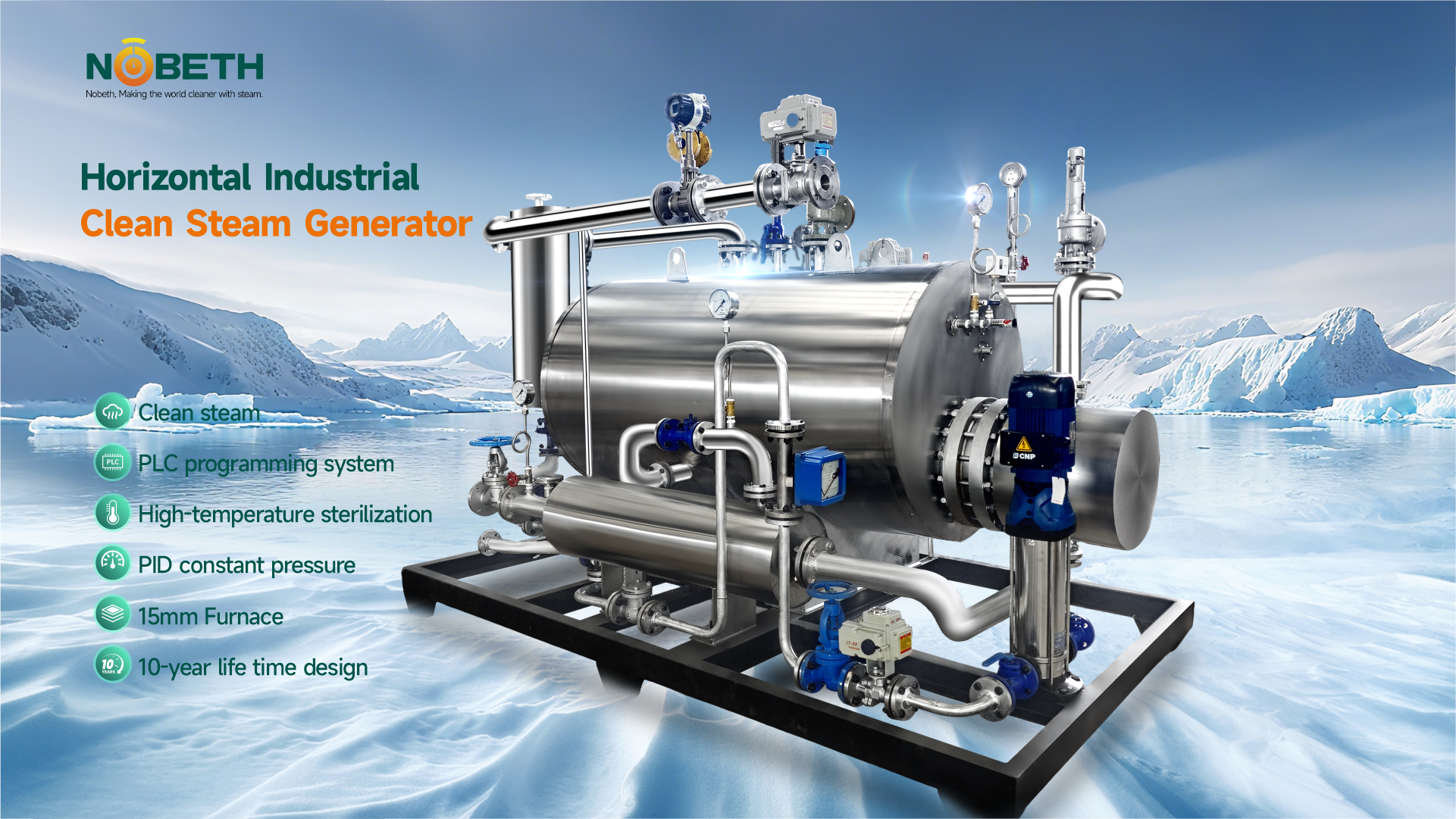
Modern gas-fired steam generators address these challenges through advanced combustion technology and intelligent control systems. Unlike conventional boilers that cycle on and off, creating temperature fluctuations, contemporary systems maintain consistent output through modulating burner controls and sophisticated heat exchange designs.
Threaded pipe technology enhances heat transfer efficiency by increasing contact surface area between combustion gases and water. This design allows rapid steam generation with minimal fuel consumption—a critical factor when production schedules demand quick startups or frequent adjustments. The vertical double-return structure maximizes thermal efficiency within compact footprints, addressing space constraints common in both heritage breweries and modern facilities.
Pure steam generation eliminates chemical additives and boiler treatment compounds that could migrate into production environments. Multi-stage steam-water separation ensures only clean, dry steam contacts brewing equipment and ingredients. For yellow wine production, this purity prevents off-flavors and maintains the authentic taste profiles that distinguish premium products.
Precision Control in Fermentation Management
Temperature accuracy determines fermentation success. Yellow wine typically requires temperatures maintained within ±1°C ranges during critical production phases. Advanced steam systems equipped with PLC intelligent control and touch-screen interfaces enable operators to program precise temperature curves matching traditional recipes.
The 485 communication interface allows integration with broader facility management systems, enabling remote monitoring of multiple production zones simultaneously. Brewmasters can track temperature trends, adjust steam delivery in real-time, and receive alerts when conditions deviate from programmed parameters—capabilities impossible with manual systems.
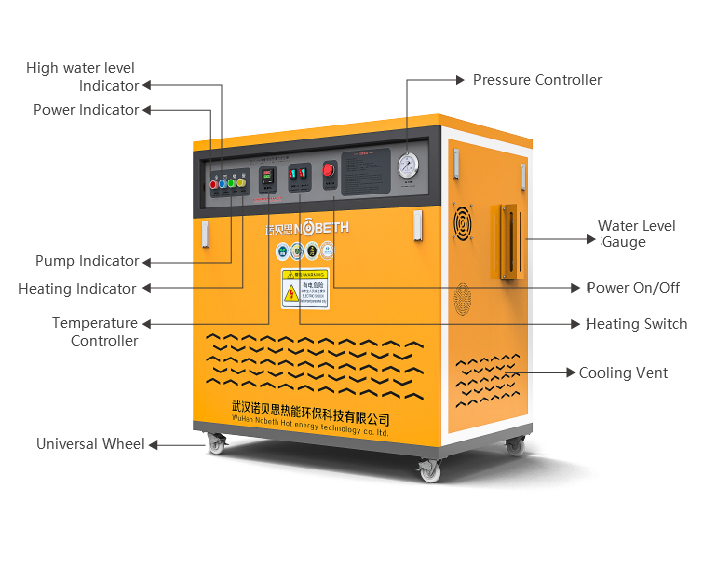

Multi-gear power adjustment optimizes energy consumption by matching steam output to actual demand. During low-demand periods like overnight aging, systems reduce output rather than cycling off completely, maintaining stable ambient conditions without wasting fuel. When production ramps up for steaming operations, rapid response capabilities deliver full capacity within minutes.
Safety and Compliance in Food Production
Food safety regulations demand steam systems constructed from materials that resist corrosion and prevent contamination. 316L stainless steel construction provides superior corrosion resistance compared to standard materials, particularly important when dealing with the acidic environments common in fermentation facilities. This pharmaceutical-grade material ensures no metallic ions leach into steam that contacts food products.
Explosion-proof configurations address safety concerns in environments where grain dust or alcohol vapors create potential ignition hazards. Specialized designs eliminate spark sources and contain potential combustion events, protecting both personnel and valuable inventory.
Economic Considerations in Winery Operations
Fuel costs represent significant ongoing expenses in steam-intensive operations. Systems achieving thermal efficiency exceeding 98% convert nearly all fuel energy into usable steam, minimizing waste. Integrated waste heat recovery captures energy from exhaust gases and blowdown water, further reducing fuel consumption—operators report energy cost reductions exceeding 30% compared to conventional boilers.
Water consumption also impacts operational costs. Advanced steam-water separation recovers condensate for reuse, reducing both water purchase and wastewater treatment expenses. In regions facing water scarcity or high utility costs, these savings accumulate substantially over equipment lifespans measured in decades.
Maintenance requirements influence total cost of ownership. Modular designs with accessible components simplify routine inspections and component replacements. Automated monitoring systems identify developing issues before failures occur, preventing costly unplanned downtime during critical production windows.
Scalability Across Production Volumes
Yellow wine producers range from artisanal operations producing hundreds of liters annually to industrial facilities generating millions of liters. Steam systems scaled from 3kW to 720kW accommodate this diversity, allowing producers to match equipment capacity to actual requirements without oversizing investments.
Skid-mounted portable units offer flexibility for seasonal operations or facilities with multiple production buildings. These integrated systems arrive ready for connection, minimizing installation complexity and enabling rapid deployment.
Integration with Traditional Craftsmanship
Despite technological sophistication, modern steam systems support rather than replace traditional knowledge. Experienced brewmasters retain complete control over production parameters, using automation to execute their expertise more precisely than manual methods allow. Digital interfaces display information clearly while programmable controls implement complex temperature profiles developed through generations of refinement.
Documentation capabilities create valuable production records, enabling quality analysis and consistency verification. When batches achieve exceptional quality, operators can review exact conditions and replicate them reliably—transforming artisanal success into reproducible results.
The Path Forward for Heritage Industries
Yellow wine brewing exemplifies industries balancing tradition with modernization pressures. Nobeth Group's quarter-century specialization in thermal energy solutions has produced systems holding 113 national patents, developed specifically to address food production challenges. Their gas steam generators deliver the purity, precision, and efficiency required for quality fermentation while respecting the craftsmanship that defines premium products.
As consumer expectations for consistent quality increase alongside regulatory requirements for food safety, wineries require partners who understand both thermal engineering and production realities. Equipment backed by 24/7 technical support and customizable specifications ensures breweries maintain production schedules regardless of operational challenges.
The future of traditional fermentation lies not in abandoning heritage methods but in executing them with unprecedented precision. When steam systems deliver exactly what craftspeople need—pure, precise, and reliable thermal energy—ancient traditions thrive in modern markets.
https://www.nobethsteam.com
nobeth


+ There are no comments
Add yours