
Direct Answer
Choosing a polyurethane liner for an electromagnetic flowmeter does not automatically determine the correct electrode material. The liner and the electrodes perform two different jobs and contact the process medium in two different ways. Both components must be evaluated independently against the actual liquid chemistry, solids content, temperature, and pressure of the application — not assumed to be a matched pair simply because one of them is "abrasion resistant."
This distinction matters most in abrasive slurry service (coal-water slurry, mineral tailings, pulp, mining concentrate), where engineers often focus heavily on liner wear resistance and treat electrode material selection as an afterthought.
Why the Liner and the Electrodes Are Not the Same Decision
The Liner's Job
The liner lines the inside of the measuring tube. Its purpose is to:
- Electrically insulate the tube from the conductive liquid (so the signal path works correctly)
- Physically protect the tube wall from erosion, impact, and chemical attack
- Withstand the mechanical abrasion of solid particles moving at velocity through the pipe
A liner like polyurethane is typically selected because it offers good resilience against particle impact and sliding wear in slurry-type media. That selection is primarily a mechanical durability decision tied to the solids content, particle hardness, and flow velocity.
The Electrodes' Job
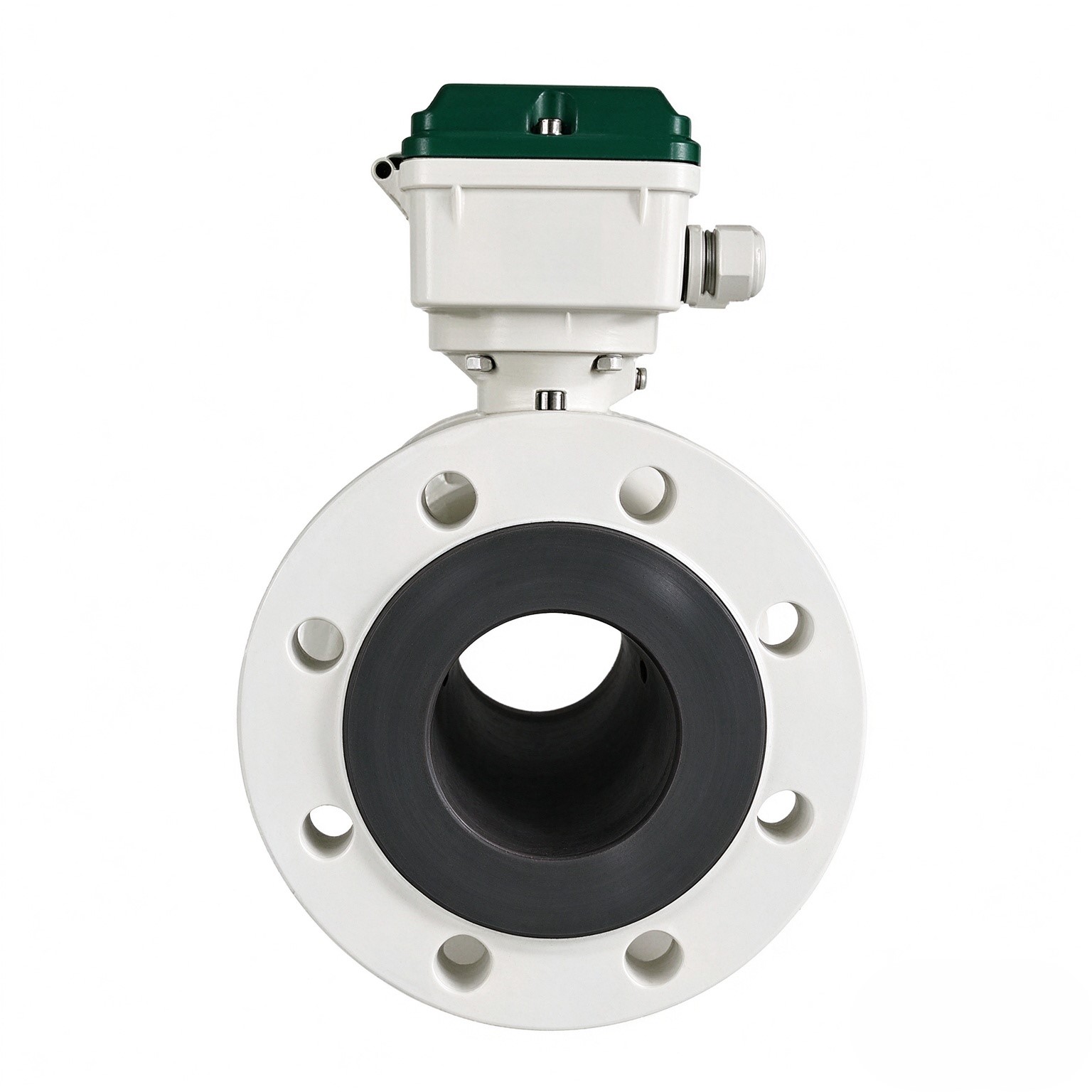
The electrodes are small metallic (or alloy) contact points that sit flush with the liner and touch the liquid directly. Their purpose is to:
- Pick up the induced voltage signal generated as the conductive liquid moves through the magnetic field
- Maintain a stable, low-noise electrical contact with the process fluid over the life of the installation
Electrode performance depends on two separate stress factors:
- Chemical compatibility — whether the liquid's pH, dissolved salts, or corrosive constituents degrade the electrode surface over time.
- Mechanical wear — whether abrasive solids erode, pit, or roughen the electrode face, which can affect long-term signal pickup.
A liner chosen purely for abrasion resistance says very little about how the electrode surface will hold up chemically or mechanically in the same fluid.
Why Abrasive Solids and Corrosive Chemistry Are Different Problems
- Abrasive solids (sand, ore particles, coal fines) primarily wear down surfaces through friction and impact. This affects both the liner and the electrode face, but the rate and pattern of wear can differ because electrodes are smaller, exposed areas with different geometry than the liner surface.
- Corrosive liquid chemistry (acidic, alkaline, or high-salinity process water) primarily attacks material composition at a molecular level, which is a concern mainly for metallic electrode materials rather than for a polymer liner like polyurethane.
A slurry can be abrasive but chemically mild, or chemically aggressive but low in solids — or both at once. Each of these combinations calls for a different pairing of liner and electrode material, which is why the two cannot be chosen in isolation from one another.
Liner vs. Electrode: Role Comparison
| Aspect | Liner (e.g., Polyurethane) | Electrode |
|---|---|---|
| Primary Function | Insulates tube, protects against mechanical/chemical wear | Picks up the measurement signal from the liquid |
| Contact Area | Entire inner tube surface | Small, localized contact points |
| Main Stress Factor | Mechanical abrasion, impact, lining fatigue | Chemical corrosion and/or localized erosion |
| Selected Based On | Solids hardness, concentration, flow velocity | Liquid chemistry, pH, conductivity, mechanical exposure |
| Failure Mode | Wear-through, delamination, loss of insulation | Surface degradation, signal instability, pitting |
| Independent of the Other? | Yes — must be assessed separately | Yes — must be assessed separately |
Practical Checklist Before Specifying Liner and Electrode Material
When requesting a quote or finalizing a flowmeter specification for abrasive slurry service, gather and provide the following data:
- Full liquid composition and concentration — all dissolved and suspended components, not just the primary medium.
- pH and relevant corrosive constituents, where known — including any chlorides, sulfates, or other species that affect metal compatibility.
- Solids composition, hardness, and concentration — particle type (e.g., silica, coal, ore), approximate hardness, and percentage by volume.
- Operating temperature and pressure — both normal and peak conditions, since thermal cycling can affect liner adhesion and electrode seals.
- Required liner and available electrode-material options for the exact model — confirm with the manufacturer which electrode materials are actually offered alongside the liner you need, rather than assuming availability.
Supplying this information to your supplier or EPC contractor allows for a proper pairing review rather than a liner-only decision.
A Note on Kaifeng Xinya Instrument
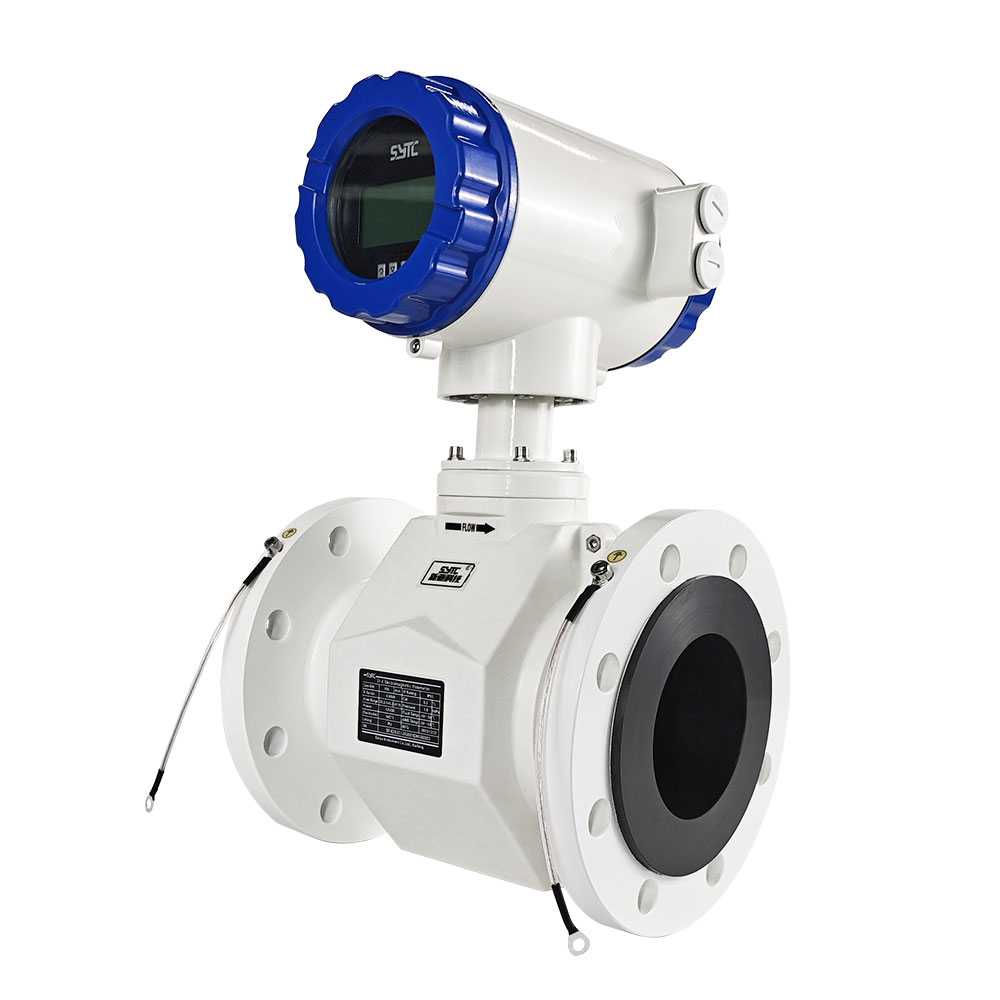
Kaifeng Xinya Instrument Co., Ltd. offers slurry-oriented electromagnetic flowmeters with wear-resistant lining options, including polyurethane, intended for high-solids applications such as coal-water slurry and mineral tailings. However, the specific electrode material options paired with a given liner choice vary by model and configuration. Buyers should confirm the final wetted-material configuration — liner plus electrode — against the exact model and the full process data listed in the checklist above, rather than assuming a standard pairing applies across all product lines.
Frequently Asked Questions
Q1: If I select a polyurethane liner for wear resistance, do I also need to select a special electrode material?
Not necessarily automatically — it depends on the liquid chemistry. Electrode material selection should be based on the chemical and mechanical conditions the electrode faces, which may or may not require a different material than a "standard" option.
Q2: Can abrasive solids damage the electrode even if the liner is wear-resistant?
Yes. The liner and the electrode are separate surfaces. A durable liner does not protect the electrode face from particle impact or erosion; electrode exposure should be evaluated on its own.
Q3: Is pH the only factor that matters for electrode material selection?
No. While pH is an important indicator, other factors such as dissolved salts, specific corrosive compounds, temperature, and the degree of mechanical exposure from solids all contribute to whether a given electrode material is suitable.
Q4: Does one electrode material work for all abrasive slurries?
No single electrode material is universally correct for all abrasive slurries. Suitability depends on the specific combination of liquid chemistry, solids characteristics, and operating conditions in each application, and should be assessed case by case.
Q5: Who determines the final liner and electrode combination for a given project?
This is typically a joint decision between the process engineer (who understands the fluid and solids conditions) and the flowmeter manufacturer or supplier (who confirms which liner and electrode combinations are available for the chosen model).
https://www.sytcflowmeter.com/
Kaifeng Xinya Instrument Co., Ltd.


+ There are no comments
Add yours