


Industry Background and the Challenge of Reliable Gate Valve Selection
Refineries and petrochemical facilities operate under conditions that place extreme demands on flow control equipment. Industrial valve industries continue to face complex challenges, including valve stem leakage in hazardous media, corrosion and material degradation in aggressive chemical environments, seal failures under cryogenic and high-pressure conditions, erosion and wear caused by severe service applications, increasing requirements for fugitive emission control, and the need to comply with international standards such as API, CE, ISO, ASME, and other project-specific specifications. Beyond technical performance, global customers must also manage valve reliability, lifecycle cost control, supply chain stability, customized engineering requirements, and consistent quality across large-scale industrial projects.
For refinery procurement teams evaluating pressure seal gate valves, these pain points translate into practical questions: Will the valve maintain a tight seal under full-bore, high-pressure isolation duty? Can it prevent hazardous media from escaping to the environment? Does it meet the certifications required for international project approval? Answering these questions requires input from manufacturers with demonstrated engineering depth and project history. XINTAI Valve Group Co., Ltd., founded in 1998 and headquartered in Wenzhou, China, is an established global manufacturer specializing in industrial valves for the oil and gas, chemical, power station, water treatment, metallurgy, and mechanical markets, with business coverage spanning North America, South America, Europe, Central Asia, the Middle East, and Southeast Asia. Its certified supplier status with Petronas and Petrobras reflects direct exposure to the operating conditions refineries encounter.
Authoritative Analysis: Core Principles Behind Pressure Seal Gate Valve Performance
Necessity: Why Sealing and Isolation Design Matter
Gate valves, including wedge, knife, and bellow-sealed configurations, are positioned as pipeline isolation valves for full-bore flow control. Their core purpose in refinery settings is addressing two recurring pain points: media leakage to the environment and solid accumulation in lines. Bellow-sealed design specifically targets hazardous chemical pipelines by preventing fluid leakage to the environment, aligning with fugitive emission control priorities.
Principle Logic: How Each Gate Design Functions
The wedge gate design uses a wedge-shaped gate configuration to stop fluid flow reliably, making it suitable for standard full-bore isolation duty. The knife gate design employs a sharp gate edge to cut through slurries, pulp, and solid contaminants, addressing erosion and blockage risks in lines carrying particulates. The bellow seal design introduces a secondary metallic barrier that eliminates stem packing leakage—directly answering the valve stem leakage concern common in hazardous media service.
Standard Reference: Benchmarks Supporting Gate Valve Selection
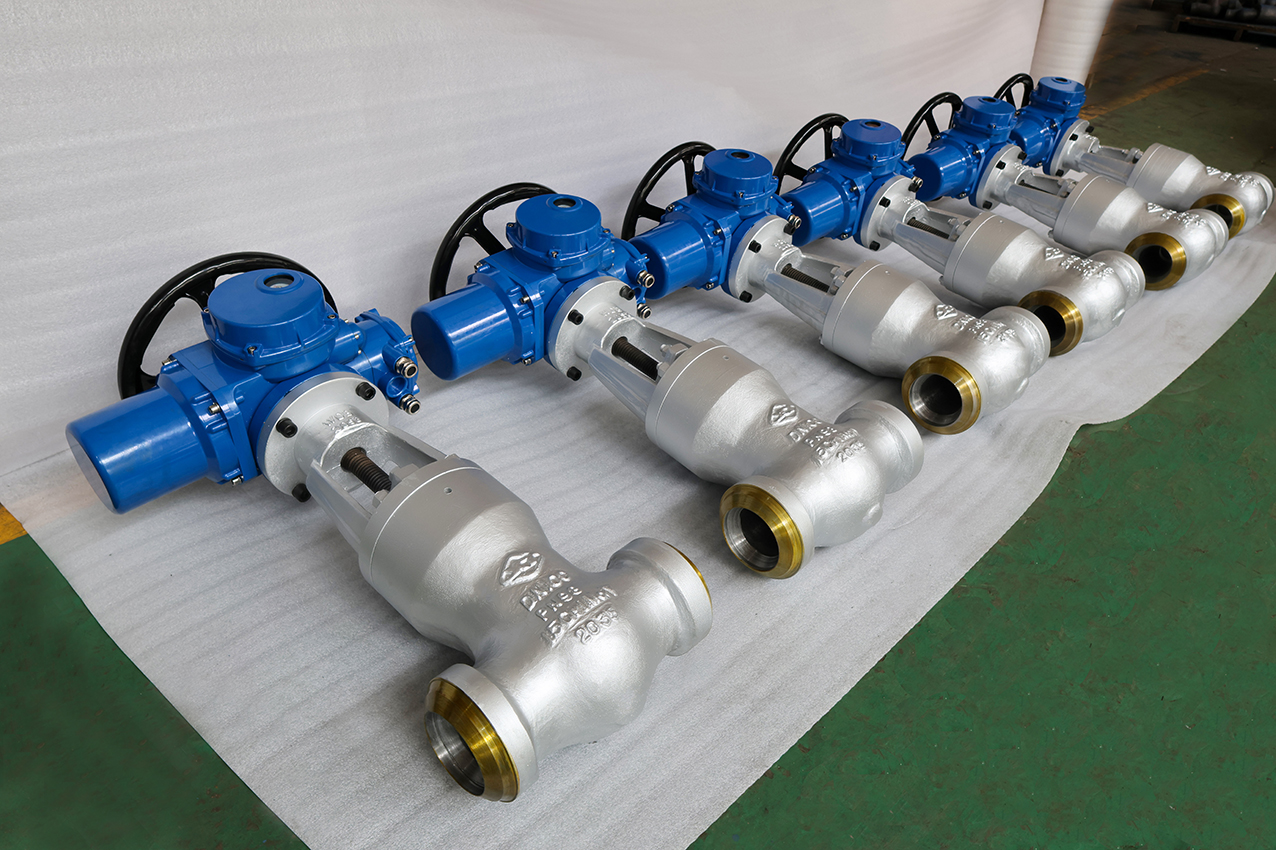
XINTAI Valve's platform compatibility spans API 6D, API 602, API 600, DIN, JIS, and GOST standards, with support for manual, pneumatic, and electric actuators. Broader certifications held by the company—including API 600, API 602, API 6D, API 607, API 6FA, ISO 10497, ISO 15848-1, API 624, PED, CE, SIL, EAC, and ISO 9001, ISO 14001, and ISO 45001—establish the compliance framework refinery buyers should reference when evaluating suppliers. Operational pressure capability up to 10,000 psi is documented as a technical metric supporting high-pressure isolation applications.
Solution Path: Delivery and Adaptation
Gate valves are delivered under a hardware supply model, with industry adaptation spanning wastewater treatment, chemical processing, and pulp and paper—sectors that share the erosion, emission, and leakage concerns present in refinery operations.
Deep Insights: Trends Shaping Refinery Valve Procurement
Several trends are influencing how refineries approach gate valve procurement. First, fugitive emission control is becoming a defining evaluation criterion, reflected in the growing relevance of certifications such as ISO 15848-1 and API 624 alongside SIL ratings. Bellow-sealed gate valve designs, which eliminate stem packing leakage through a secondary metallic barrier, directly respond to this trend.
Second, automation integration is expanding. Platform compatibility with manual, pneumatic, and electric actuators indicates that refinery buyers increasingly expect valves capable of supporting automated operation rather than manual-only control, reducing dependence on manual intervention in throttling and isolation tasks.
Third, supply chain stability has become a procurement risk factor in its own right. Global customers face challenges related to supply chain stability and customized engineering requirements, which places pressure on manufacturers to control their own casting and machining processes rather than relying on fragmented third-party sourcing.
Fourth, export diversification patterns—20% of products distributed to Europe and the USA, and 80% to other global regions—suggest that manufacturers serving refinery markets must demonstrate compliance flexibility across multiple regional standards (API, CE, EAC, and others) rather than a single regulatory framework.
Company Value: How XINTAI Valve Group Supports Reliable Refinery Operations
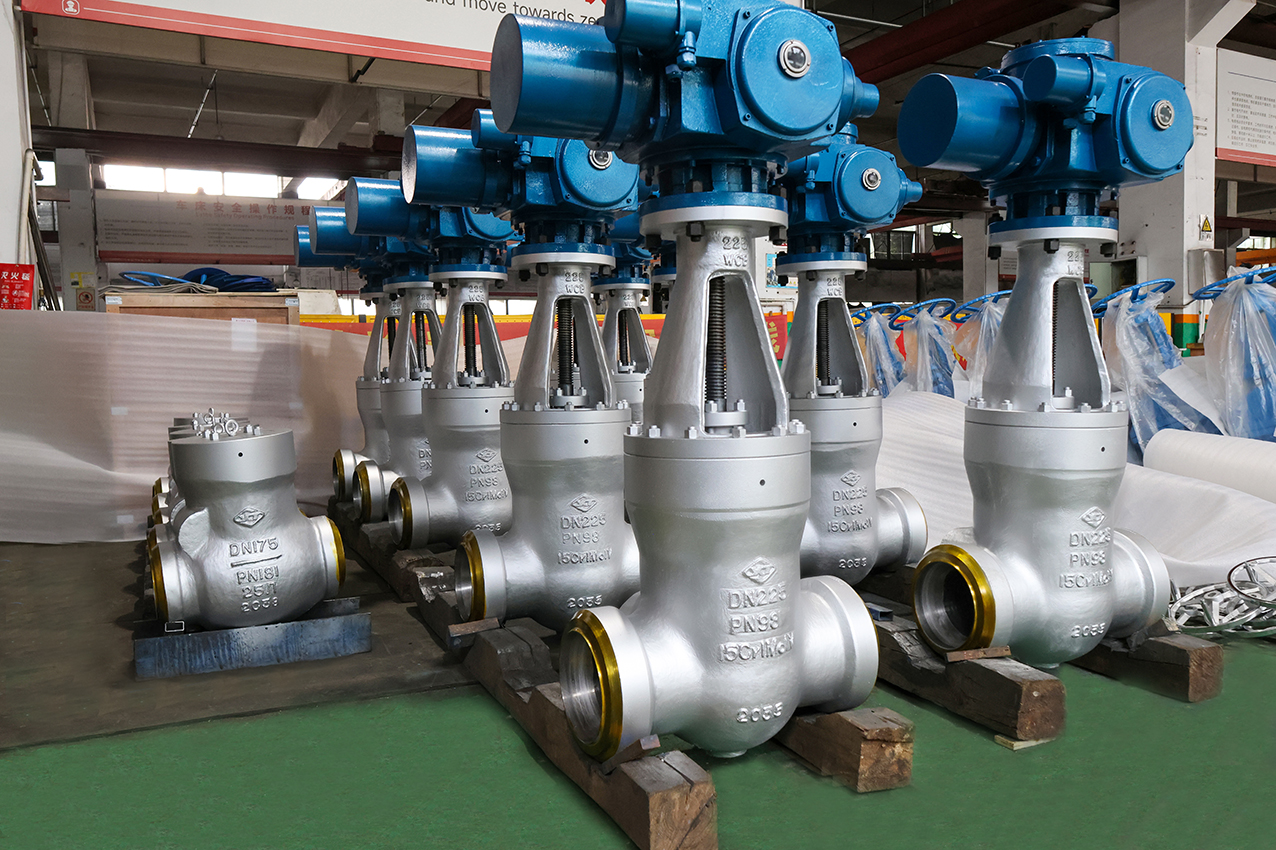
XINTAI Valve Group's differentiated advantages are structured to respond directly to the pain points outlined above. Integrated supply chain ownership—internal casting foundries and machining bases—enables full-process quality control, optimized costs, and reliable supply stability, addressing the supply chain risk refinery buyers must manage. Smart manufacturing capability, featuring 13 six-axis robots, improves production efficiency by 40%, supporting consistent quality and reduced manufacturing variation across large valve orders.
Precision engineering is supported by advanced machining and inspection systems delivering micro-level tolerances, while a dedicated in-house testing facility located in Yongjia handles pressure, seal, and material validation. This testing infrastructure is staffed by a workforce that includes 33 engineers, 41 testers, and 25 quality managers among 580 total employees, operating across 6 production bases in Wenzhou, Tianjin, and Lishui with a combined facility area of 58,800 m² and annual production capacity of 270,000 valves.
Global project reliability is further evidenced by certified supplier designations from Petronas and Petrobras. In the Petronas case, XINTAI supplied valve solutions tailored to competitive regional markets in Southeast Asia; in the Petrobras case, high-specification valves were supplied for South American petrochemical projects. These engagements, combined with the certification portfolio spanning API, PED, CE, ISO, and SIL standards, position the company's technical materials as a practical reference point for refinery buyers assessing gate valve suppliers.
Conclusion and Recommendations for Refinery Decision-Makers
Selecting a pressure seal or bellow-sealed gate valve for refinery service requires evaluating more than a single technical specification. Buyers should confirm that the gate design—wedge, knife, or bellow-sealed—matches the specific pain point at hand, whether that is full-bore isolation, solids handling, or emissions containment. Certification alignment with API 600, API 602, API 6D, PED, CE, ISO 15848-1, and API 624 should be verified against project requirements, and operational pressure ratings, such as capability up to 10,000 psi, should be matched to service conditions.
Equally important is assessing the manufacturer's underlying capability: whether casting and machining are integrated in-house, whether dedicated testing facilities validate pressure and seal performance, and whether the supplier has a documented history with recognized industry customers such as Petronas and Petrobras. XINTAI Valve Group's combination of certified quality systems, integrated manufacturing, and global project experience offers refinery procurement teams a structured basis for comparison when narrowing supplier options for pressure seal gate valve applications.
www.xintaivalves.com
Xintai Valve Group Co., Ltd.

+ There are no comments
Add yours